
Photography style
White background product photography
Fashion reads clearly on a white background.
Use White background product photography to present fashion items clearly across product pages, listings and sales materials. Choose the product source, model, frame, background and light, then review the composition before generating.
7-day free trial • 50 tokens (10 images) • Cancel anytime
684 images in this range · AI-labelled with C2PA content credentials

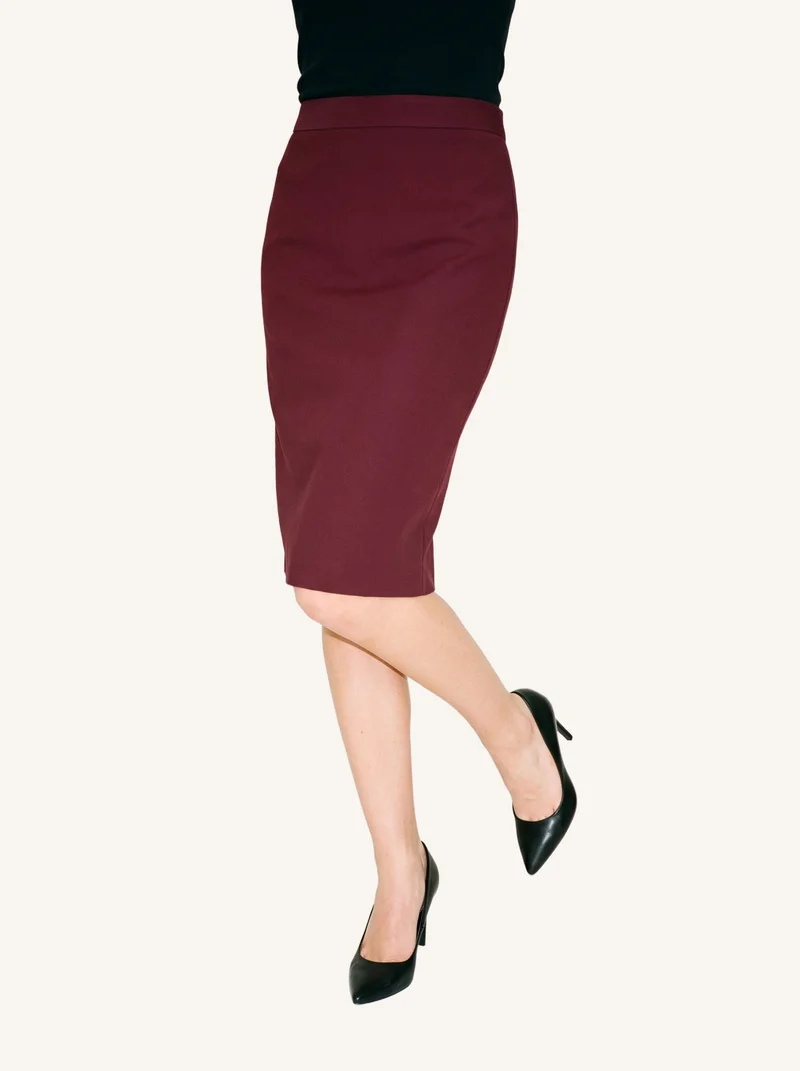
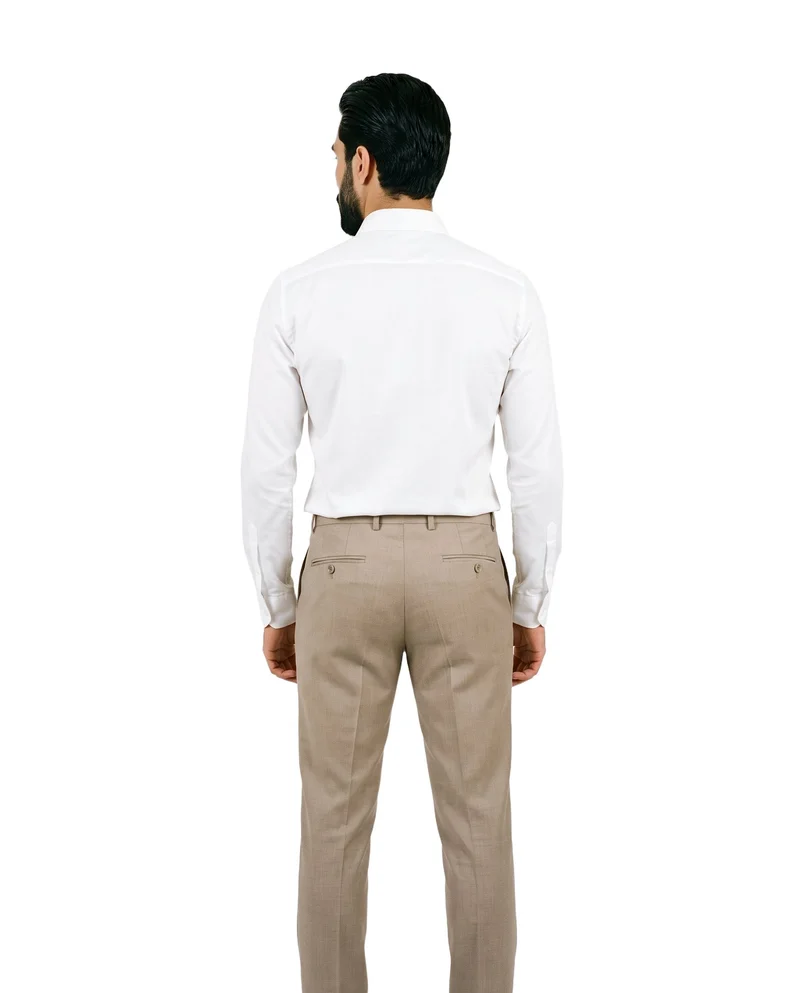


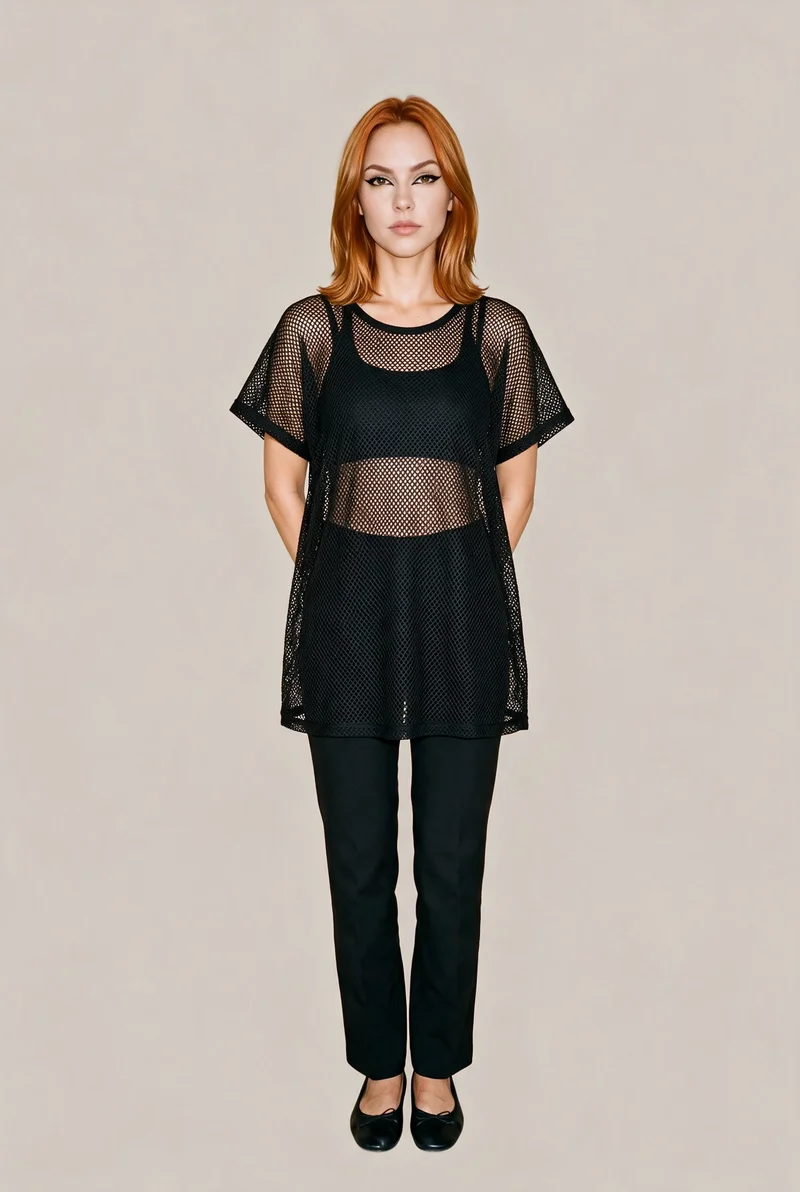
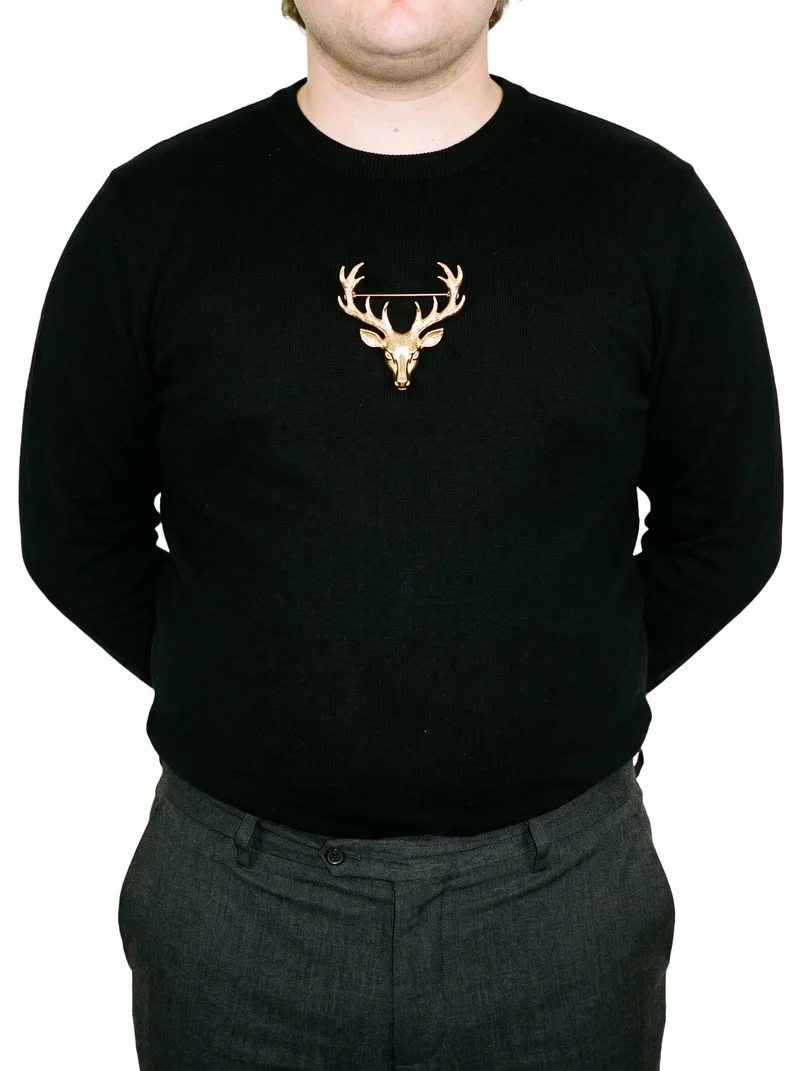

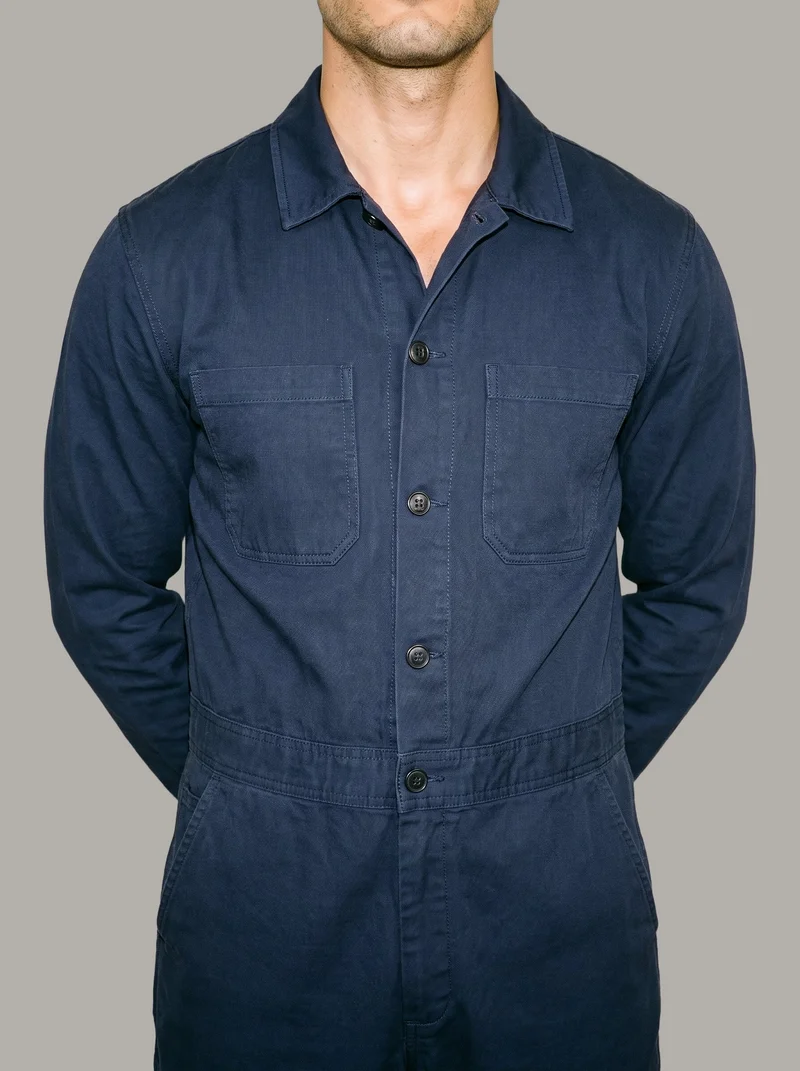
Showing 9 of 684, shot in RAWSHOT
Gallery
Product views show clear compositions on white.
Examples show possible compositions. Choose your own product, model, background and settings before generating.
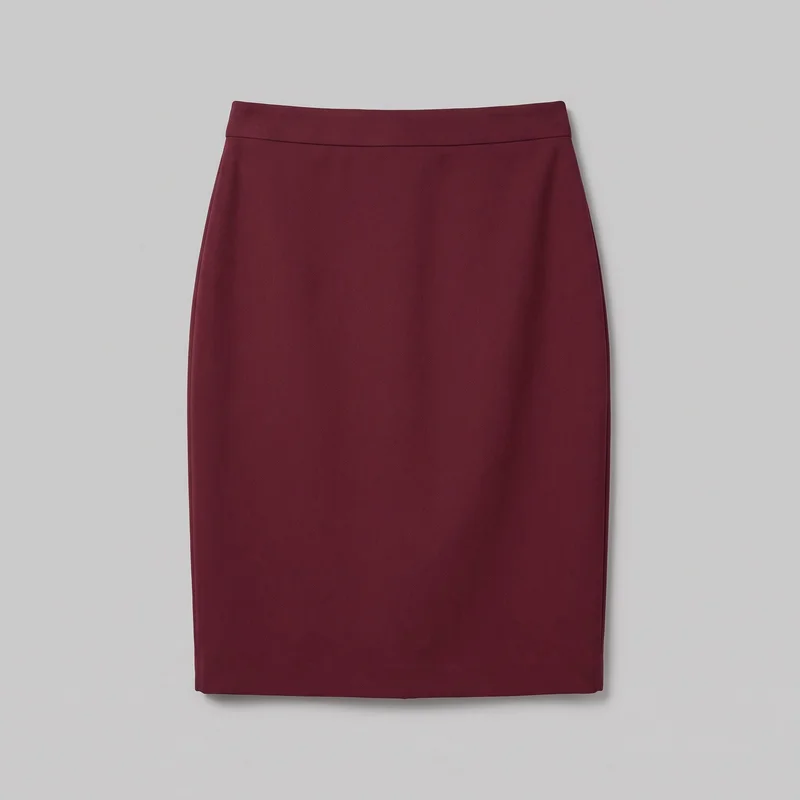 Burgundy Pencil Skirt
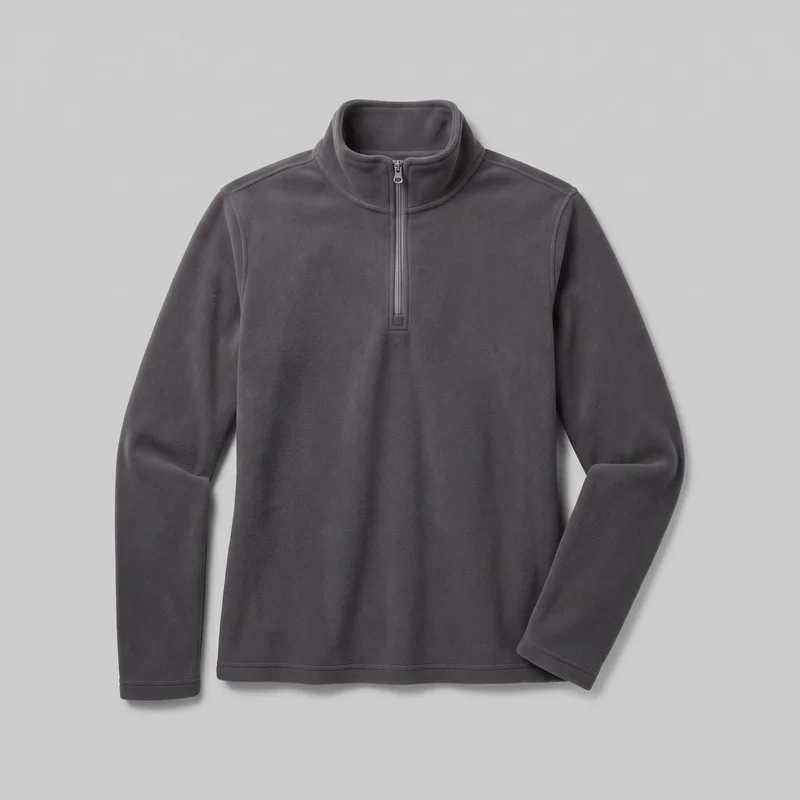 Women's Charcoal Fleece Quarter-Zip
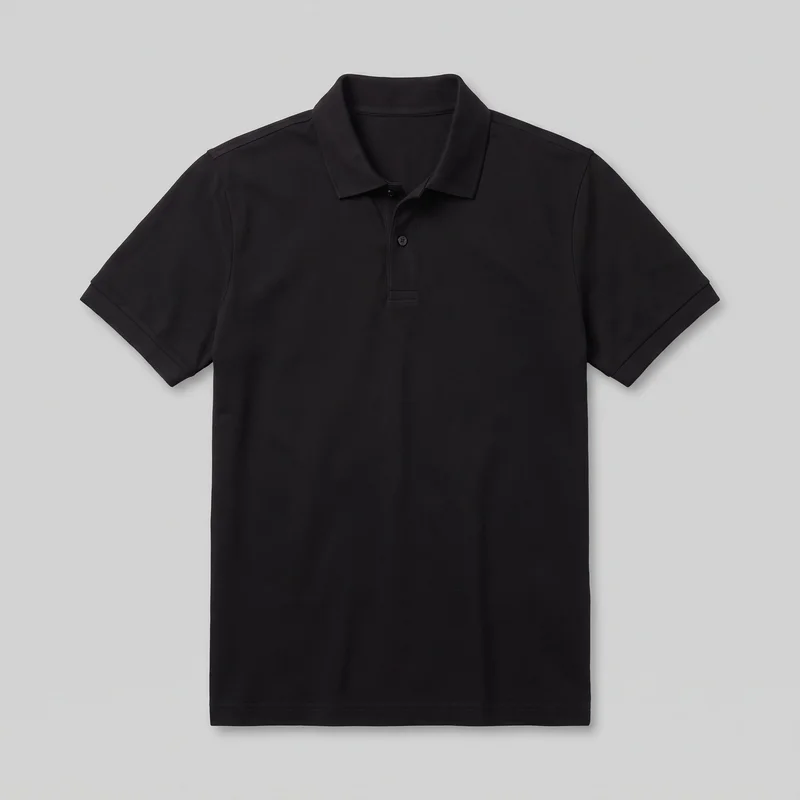 Men's Black Polo Shirt
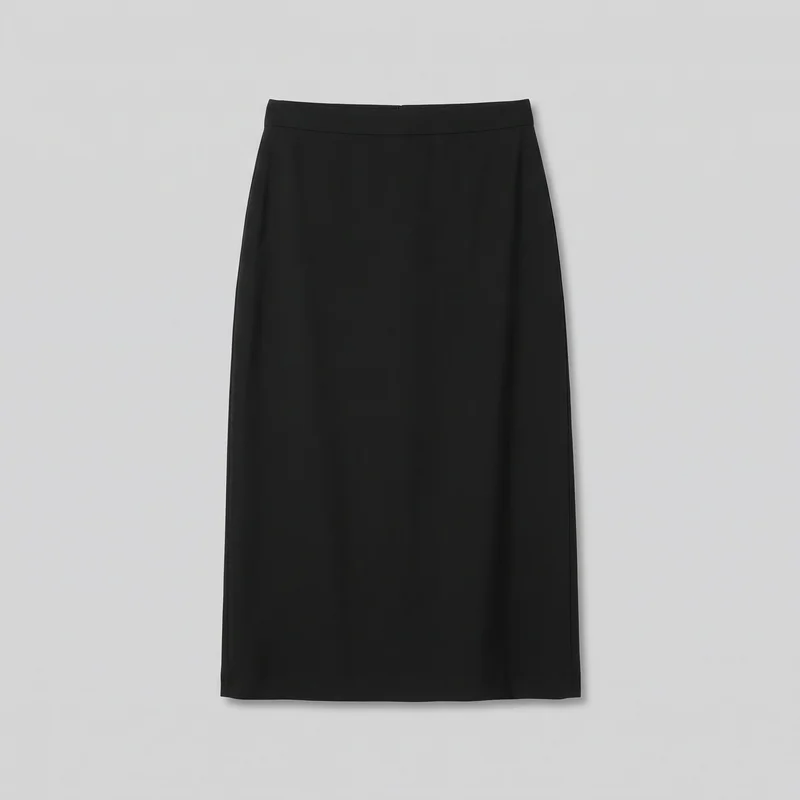 Black Midi Skirt
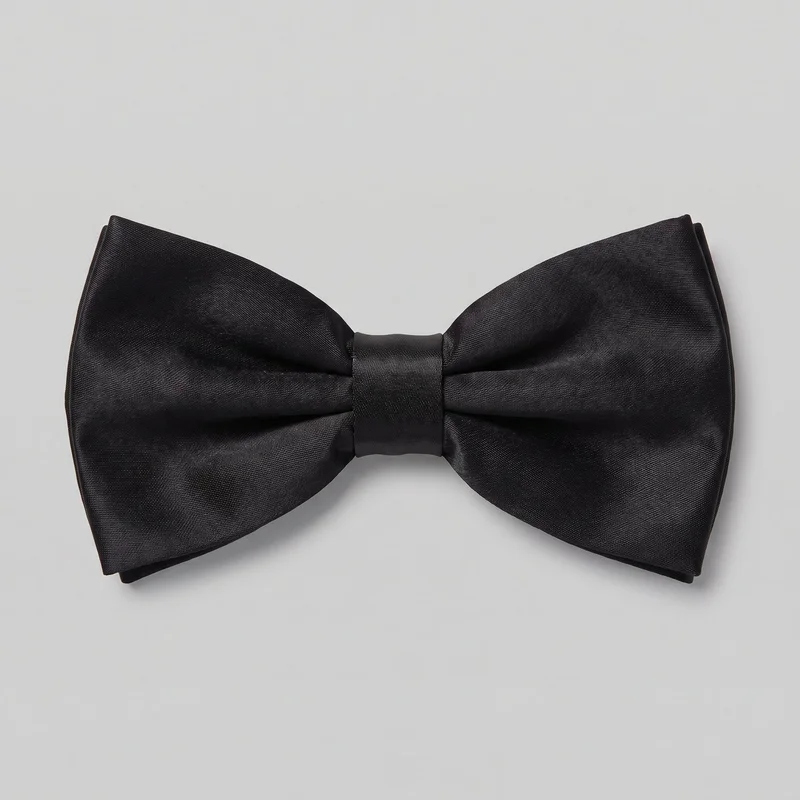 Black Satin Bow Tie
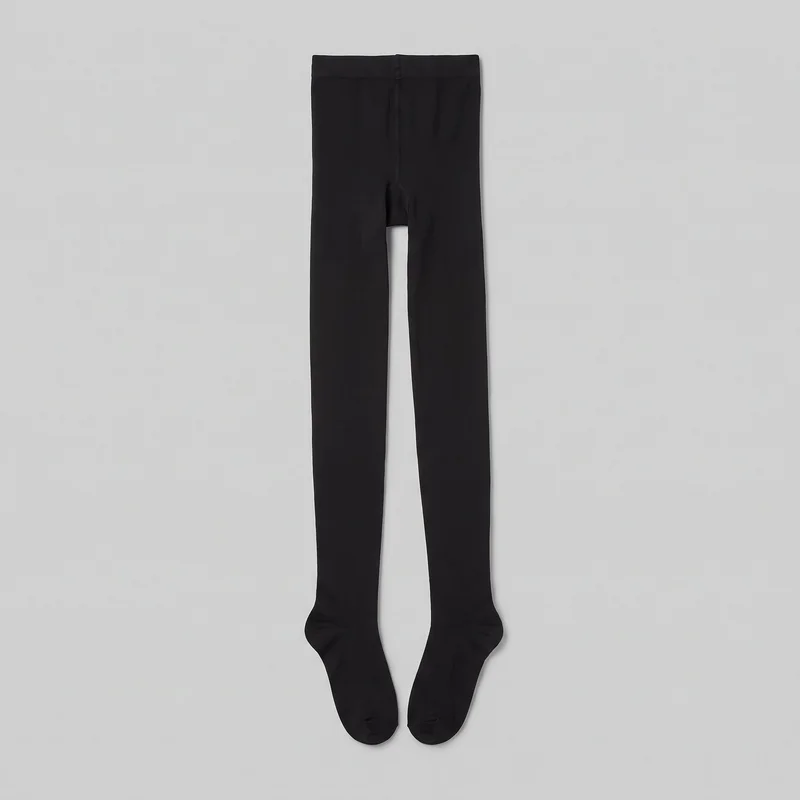 Black Opaque Tights
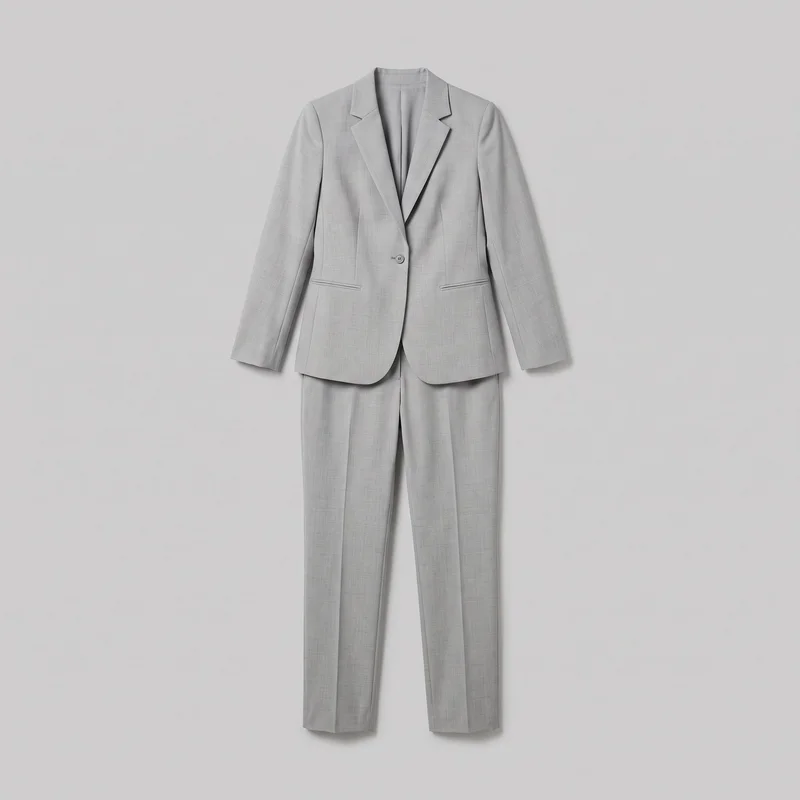 Women's Light Grey Suit
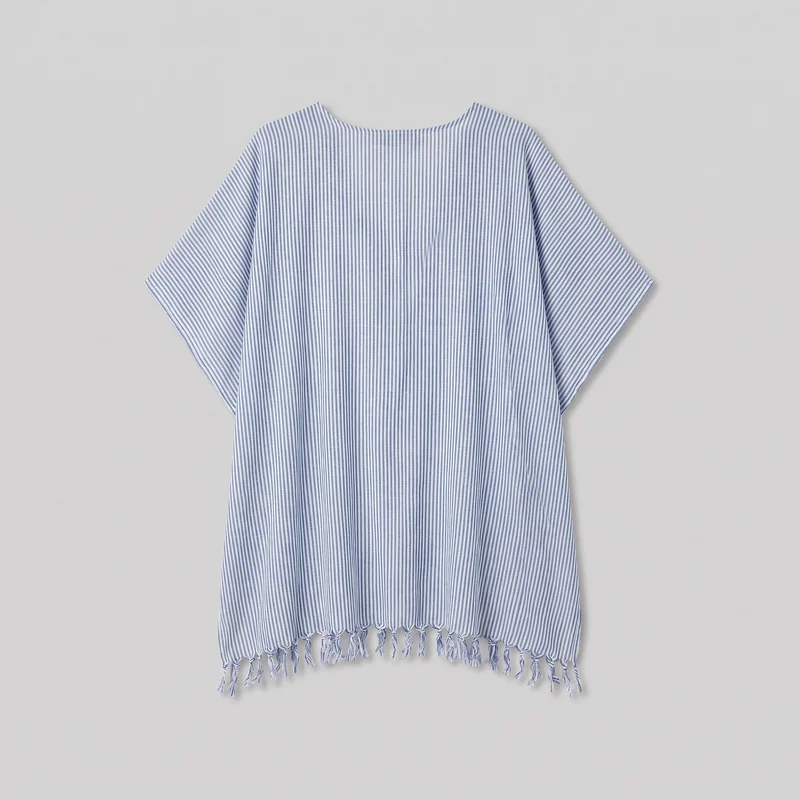 Women's Striped Beach Cover-Up
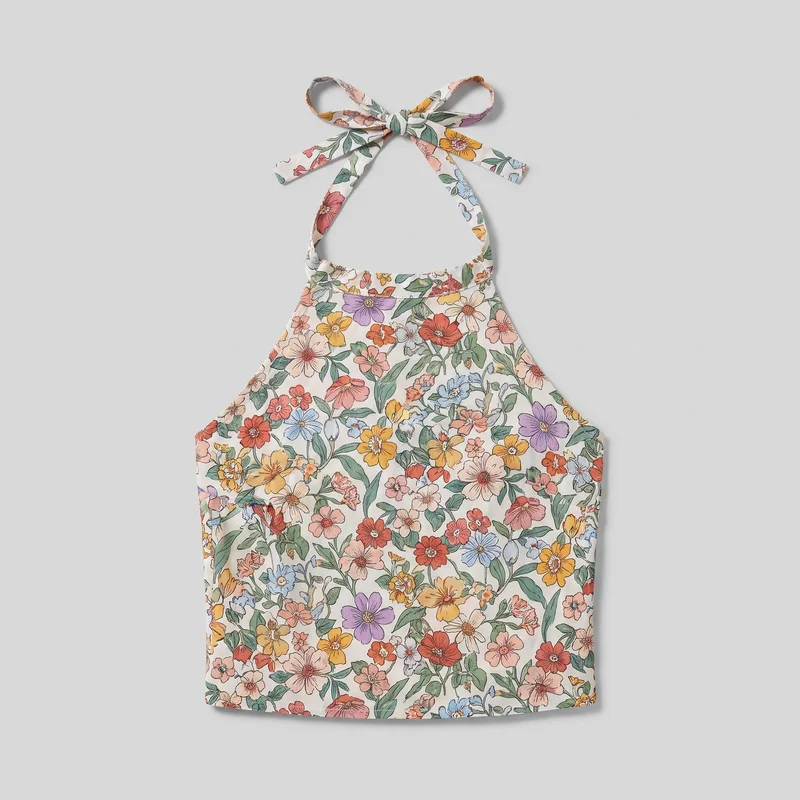 Floral Print Halter Top
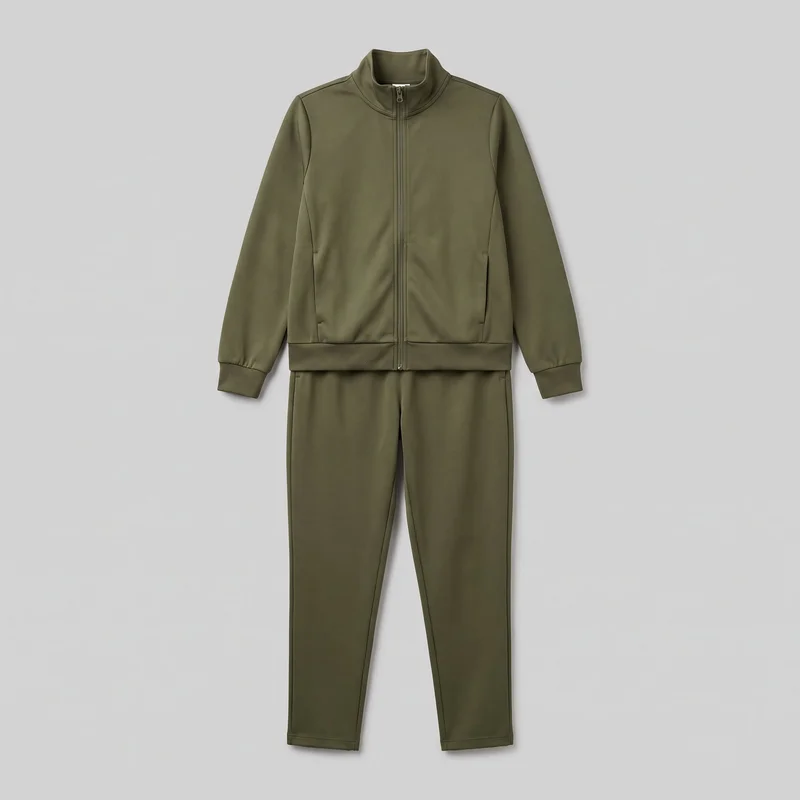 Women's Olive Tracksuit
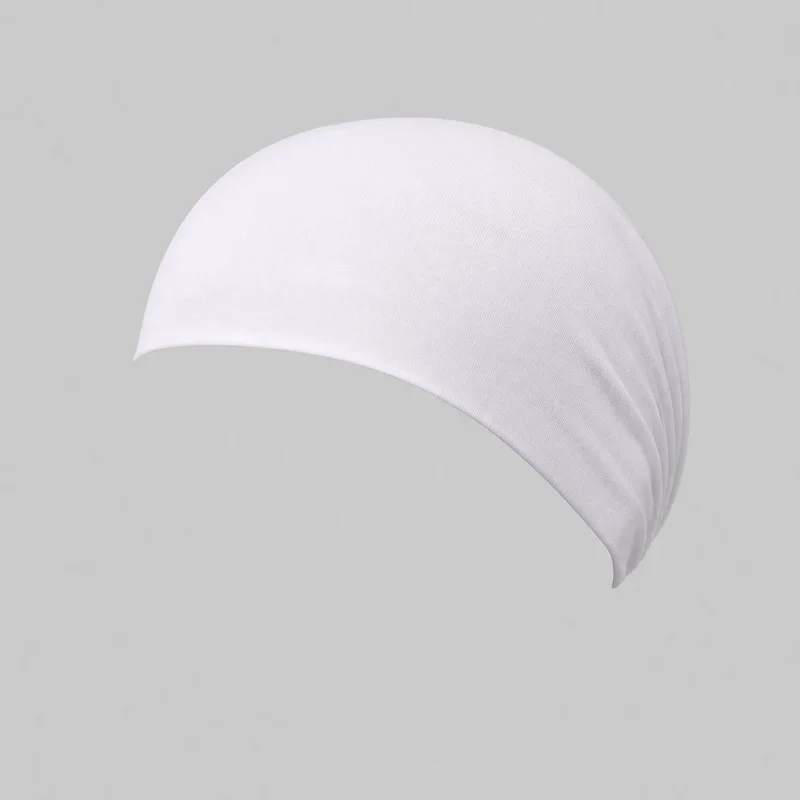 White Modal Underscarf
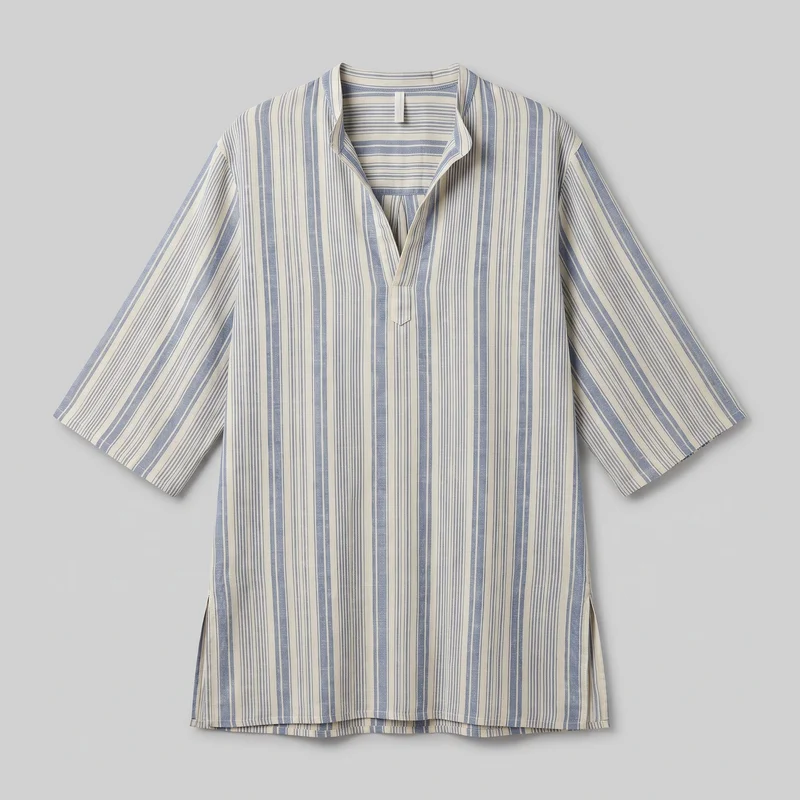 Men's Striped Beach Cover-Up
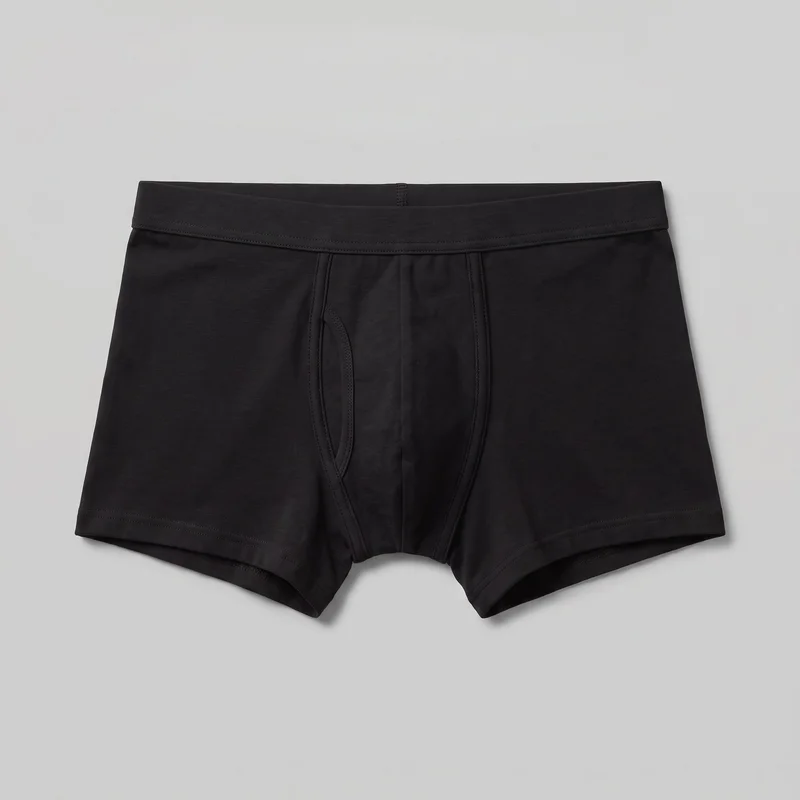 Black Trunks
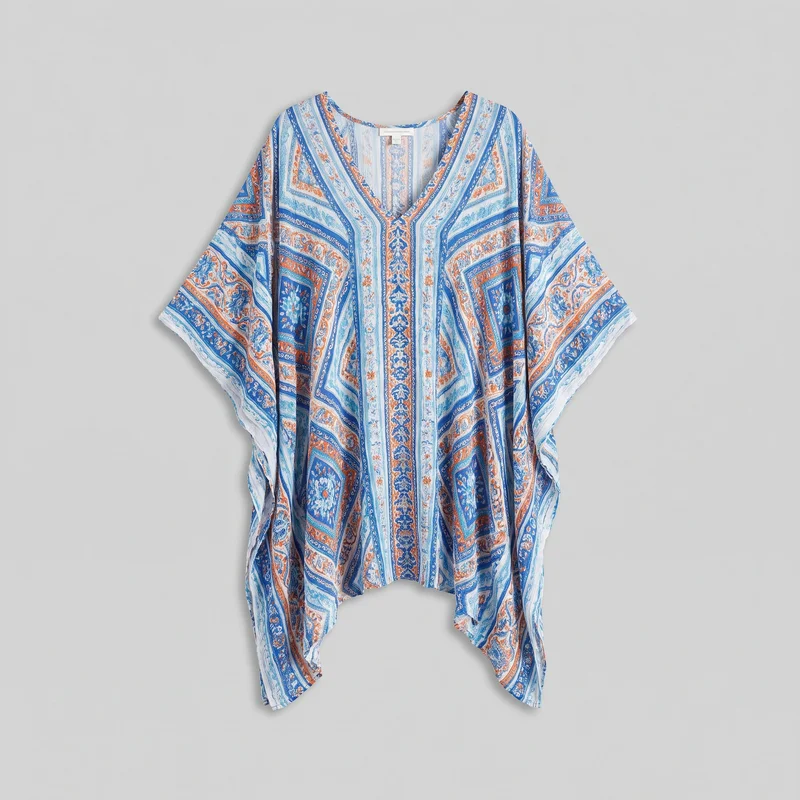 Women's Printed Kaftan Cover-Up
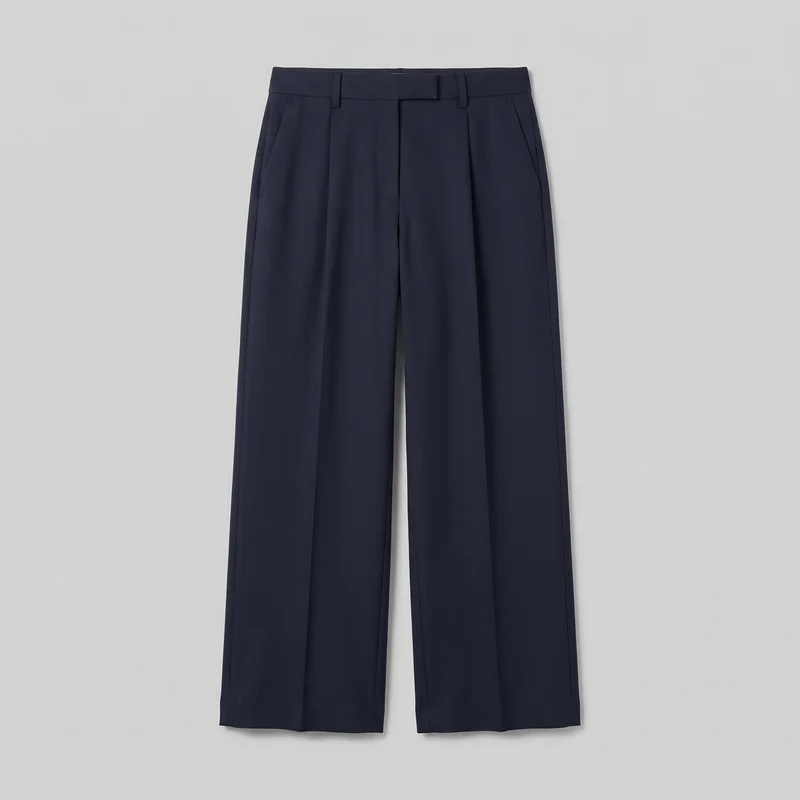 Navy Tailored Wide-Leg Trousers
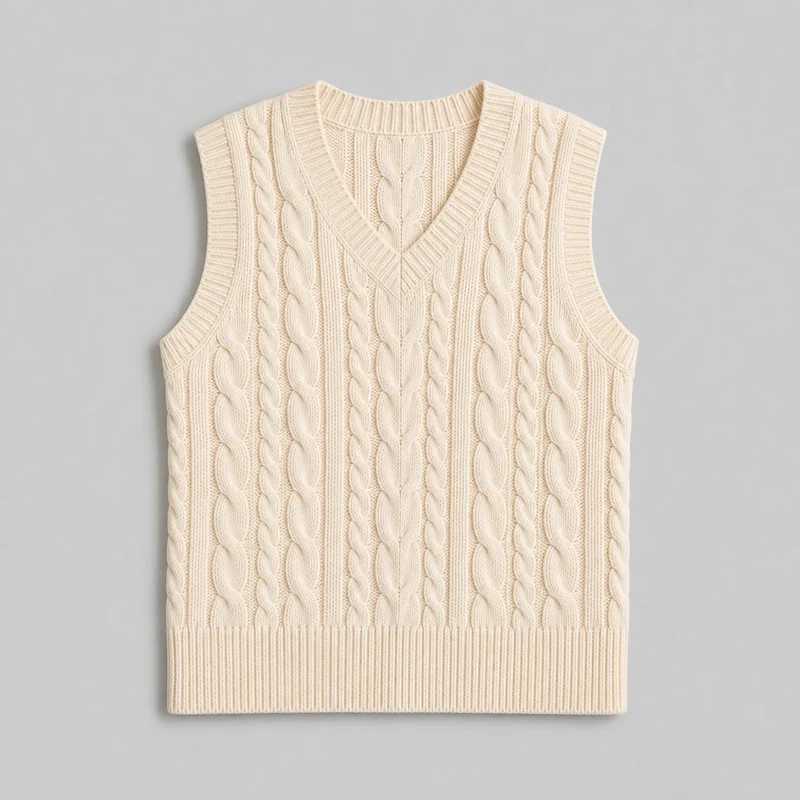 Women's Cream Cable-Knit Sweater Vest
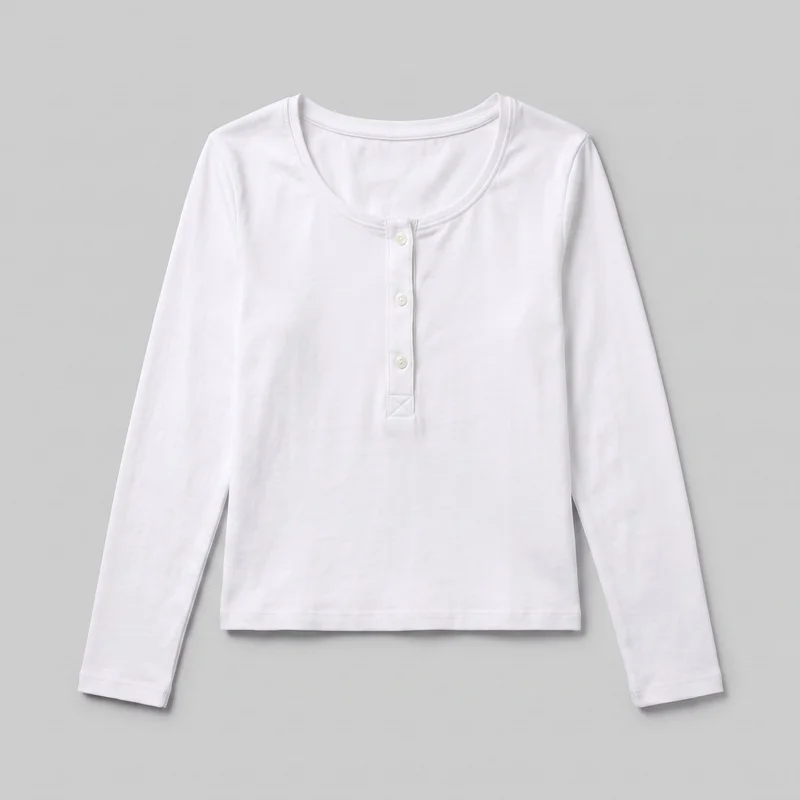 Women's White Henley Top
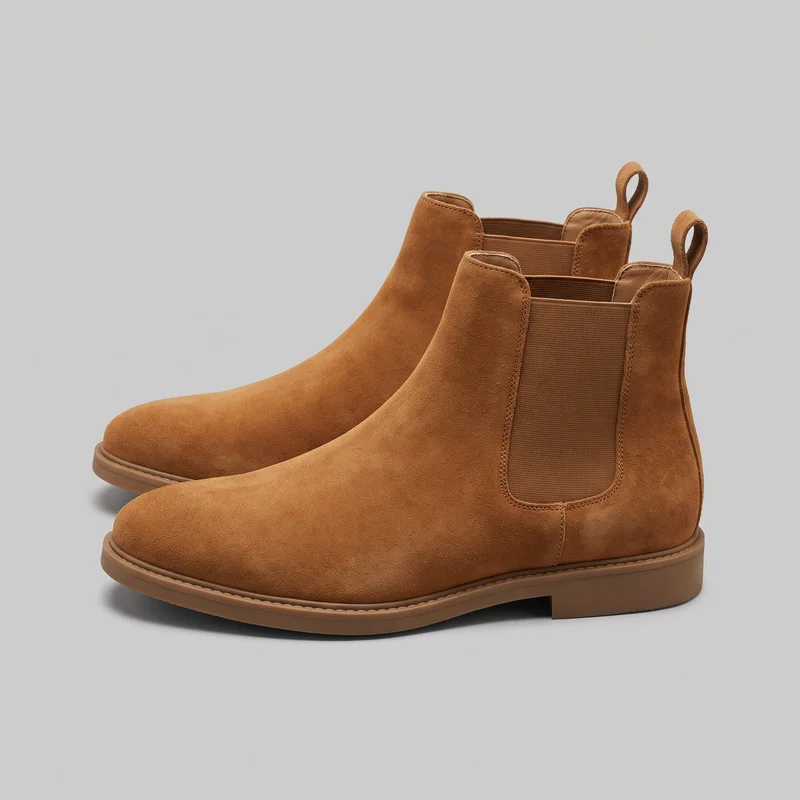 Men's Tan Suede Chelsea Boots
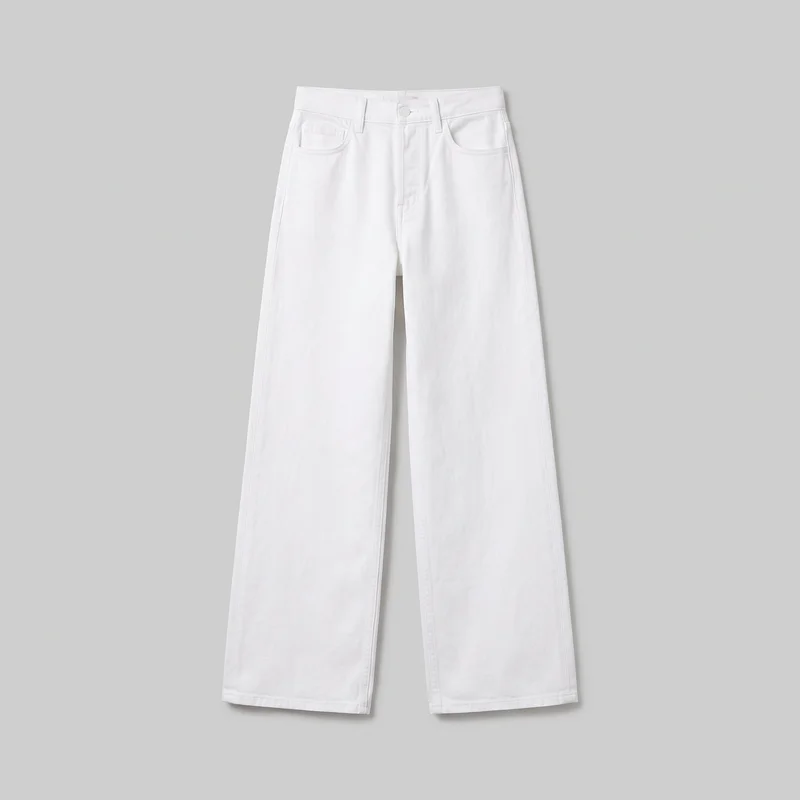 Women's White Wide-Leg Jeans
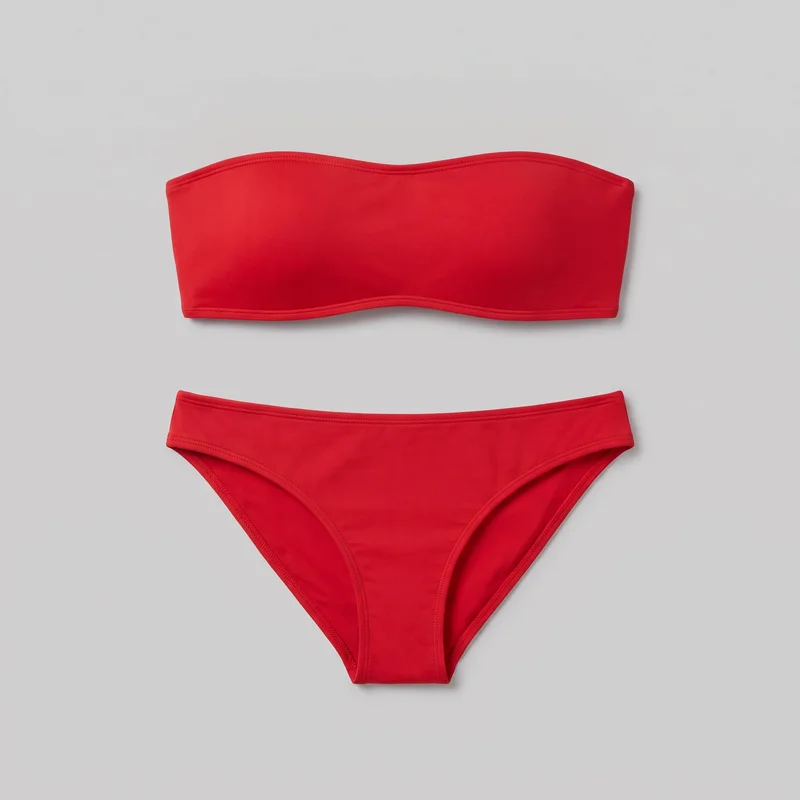 Red Bandeau Bikini
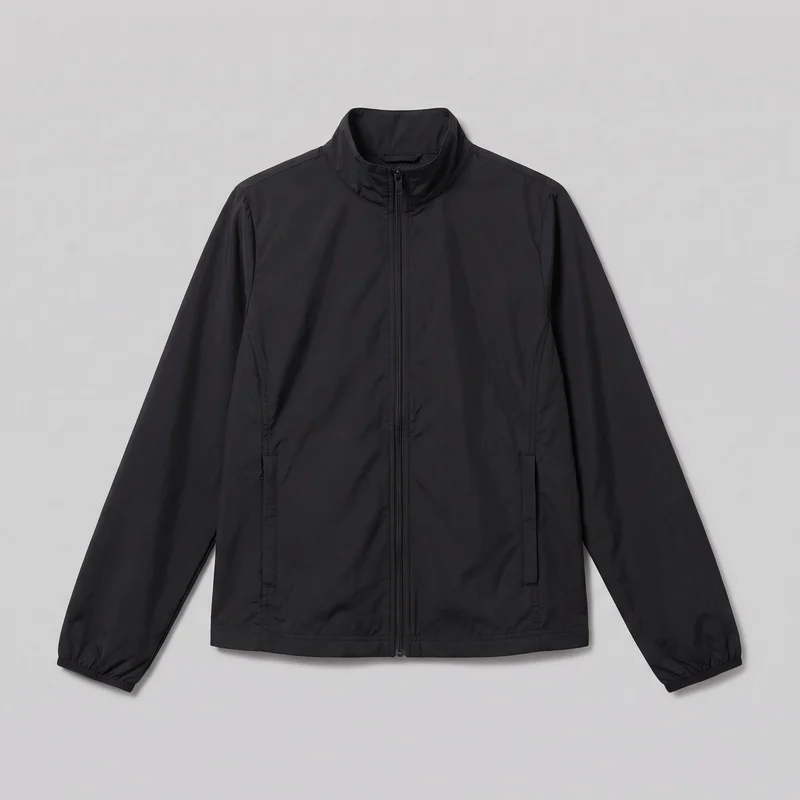 Women's Black Track Jacket
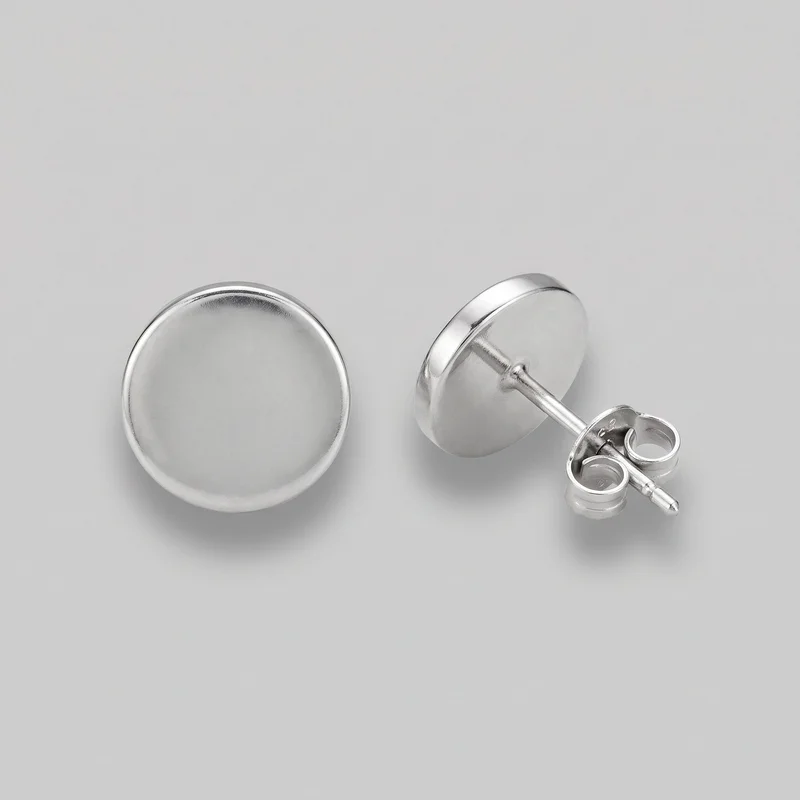 Men's Silver Stud Earrings
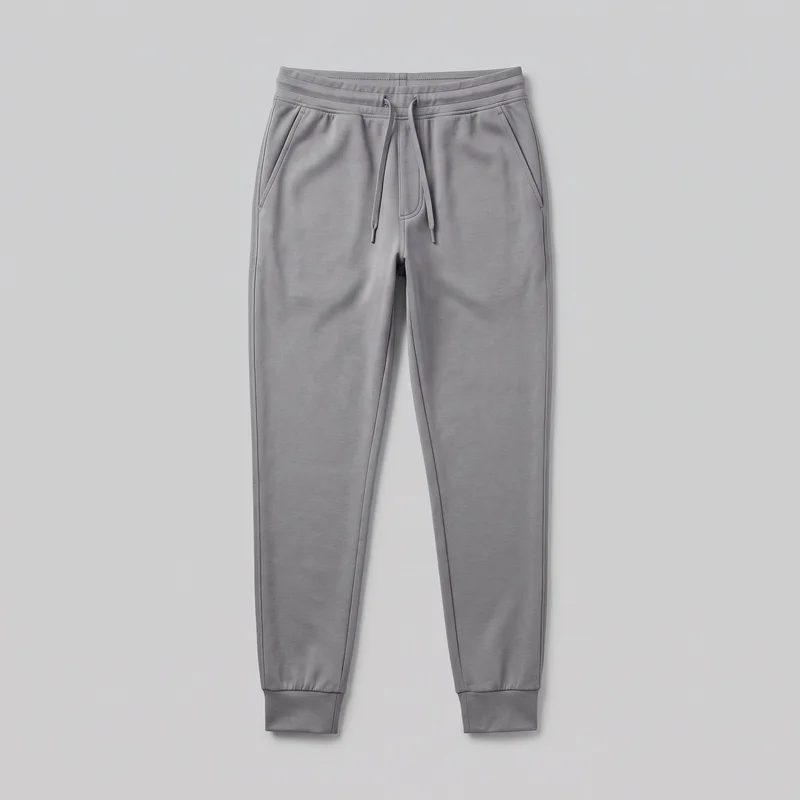 Men's Grey Tapered Performance Joggers
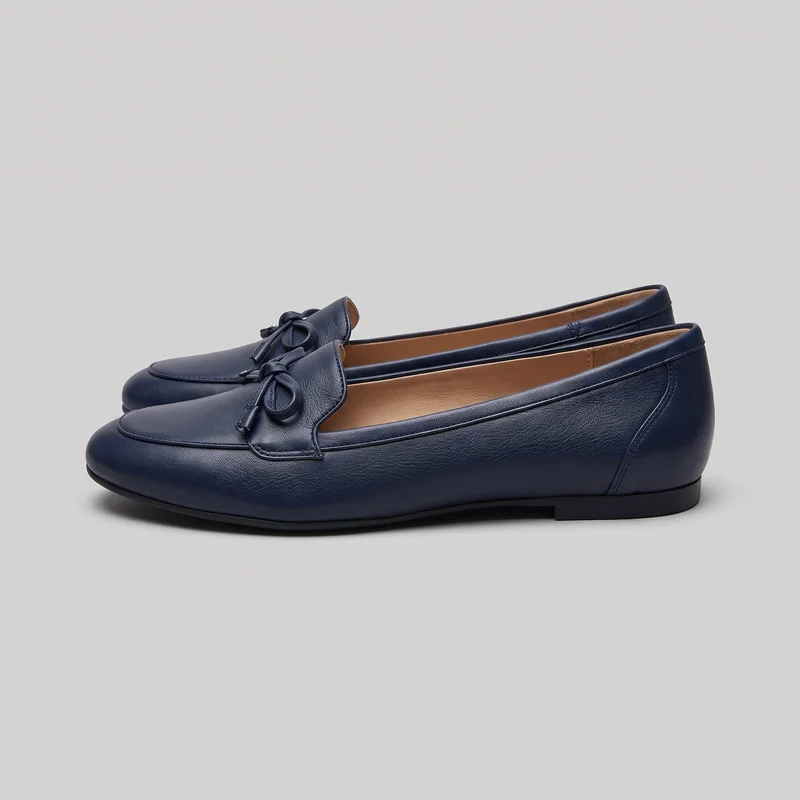 Women's Navy Loafers
Showing 24 of 684
Catalog
Browse the catalog
By product
Direct the shoot
Your frame, pose and light shape each item.
Image frame
4
Pose
22 poses on this frame
Camera view
4
Format
9
Pose style
4
Facial expression
10
Photography direction
4
Create photoshoot
Step 7 of 7 · Composition
Image 1 · readyGallery image from this pageProduct
Your product
Model
From the library
Composition
Full Body · Front View · Catalog pose · Neutral
Delivery
2K · 1:1
Light
Studio Cutout
Total cost
5 tokens
Rawshot Features
Separate choices keep the item clear on white.
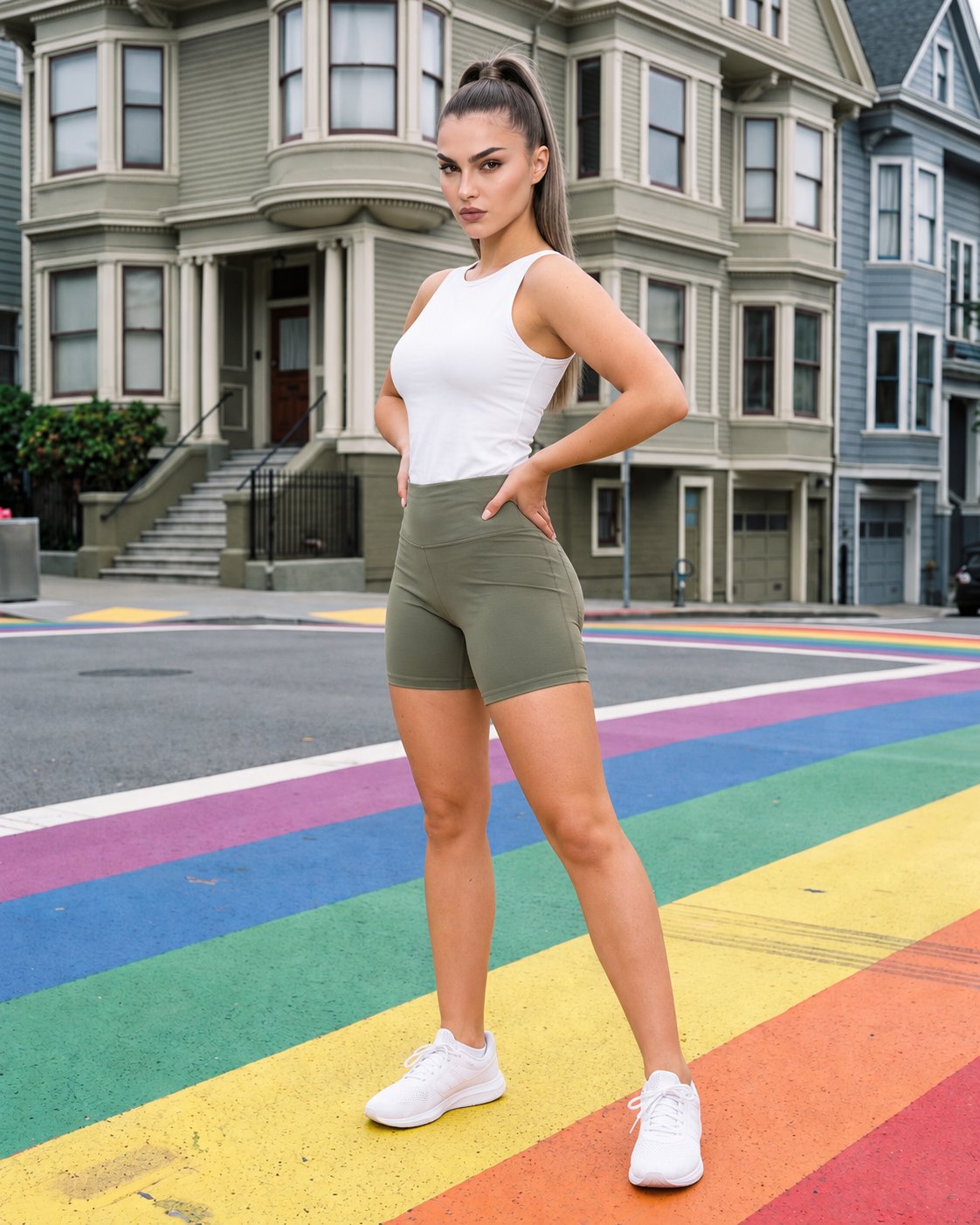
Frame Every Colourway Clearly
Choose a supported frame and pose so each colourway presents the item with a deliberate, comparable composition.
22 poses on a full-body shot · 104 in total
See the feature →
Set A Clean White Ground
Set a solid white background separately from the product and model choices for uncluttered catalogue presentation.
Swap scene context while keeping model, product, and framing stable.
See the feature →
Keep Lighting Visually Aligned
Select a named lighting direction to keep product pages visually aligned without changing the background choice.
4 named choices that set mood and shadow the same way across a shoot.
See the feature →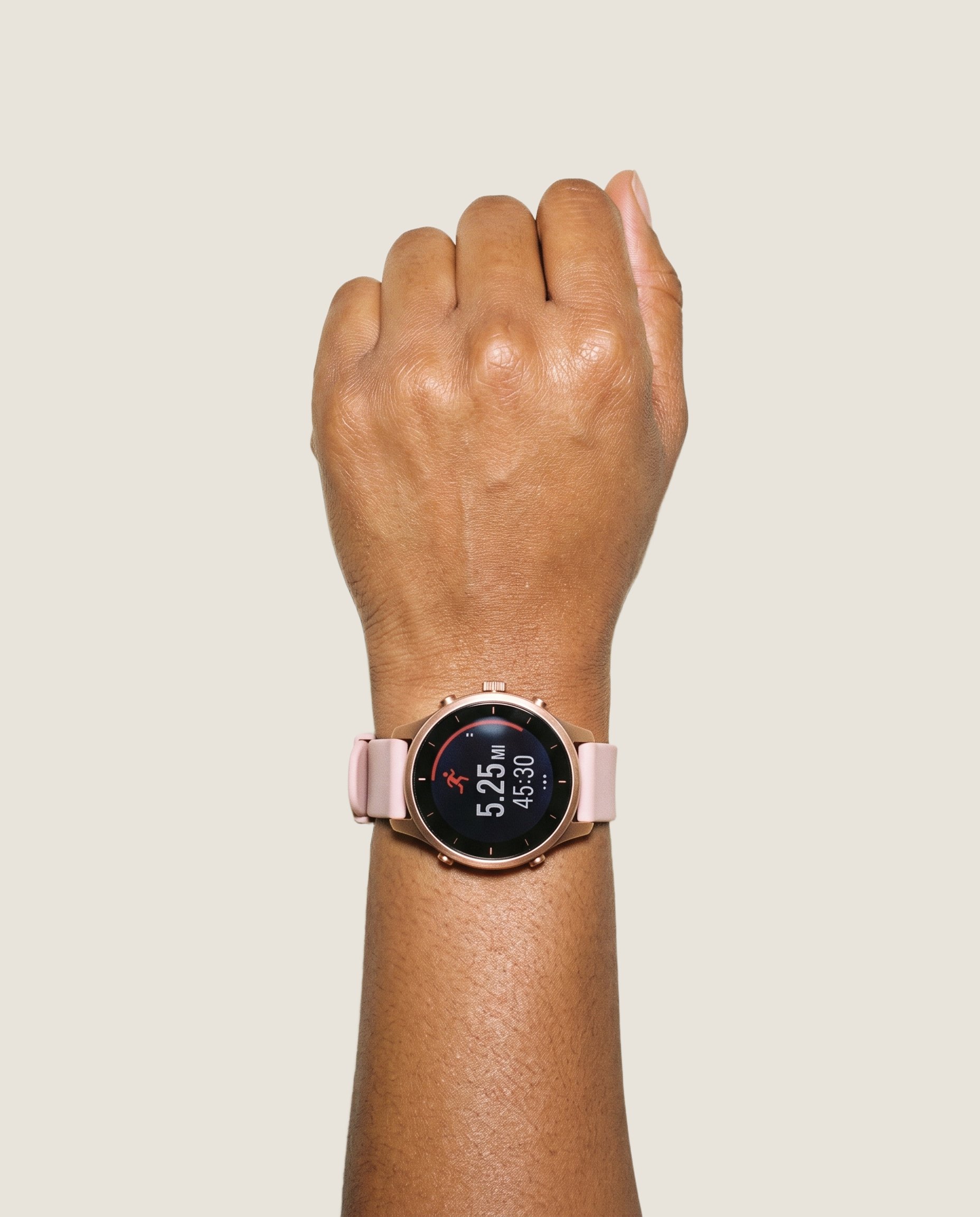
Build Around Your Product
Begin with the actual product source so the listed item remains central to the composition.
Start from your real item and keep product fidelity while building the scene.
See the feature →AI image quality control
Every generated image is checked against your model, frame, view and pose before you see it.
AI image to image generator
Change one decision and keep the rest of the composition stable.
AI image to video generator
17 model actions on a full-body shot · 132 in total
AI makeup generator
Branch-aware named options applied without altering casting or scene setup.
AI model generator
Library filters plus private model building for consistent identity across the set.
AI outfit generator
Combine the main piece with neutral supporting items in one coherent frame.
AI suggestions
Preselected control values you can always override in the same configurator.
Garment styling
Choose how the garment is worn and keep brand presentation consistent.
Inspiration gallery
Load editable finished looks as fast starting points for new shoots.
Use cases
Pages, listings and linesheets get focused product views.
Product Page Preparation
The situation
A drop is approaching, and your e-commerce product pages need white-background imagery for each colourway.
With RAWSHOT
For your catalogue workflow, use frame and pose controls to keep presentation comparable across related items. The resulting product-page set gives shoppers a clearer way to assess colour and construction without a changing visual treatment.
Marketplace Listing Cleanup
The situation
Your resale listings need white-background images that make individual fashion items easy to inspect and compare.
With RAWSHOT
When preparing each listing, choose a solid background and a supported crop that keeps the item legible. This creates a cleaner listing image set while retaining the product source as the central reference.
Pre-Sample Linesheet
The situation
A wholesale linesheet is due before samples arrive, using approved product sources for a white-background presentation.
With RAWSHOT
Before the sales review, import a flat-lay, mockup or technical sketch and select a catalogue-oriented frame. Your linesheet receives a coherent visual treatment built around the merchandise rather than an imagined substitute.
Paid Social Testing
The situation
You are preparing white-background paid-social variants from approved product images for a focused performance test.
With RAWSHOT
If a campaign needs several creative directions, use photography direction choices to vary the light while retaining a restrained setting. The resulting static ad variants give you clear comparison points for testing product-led messages.
Jewellery Linesheet Detail
The situation
A jewellery range needs white-background sales imagery that shows pieces clearly before a buyer presentation.
With RAWSHOT
For close product communication, select an available frame suited to the item and pair it with a solid background choice. The linesheet material keeps attention on finish, shape and placement for a more useful review.
Footwear Range Review
The situation
A footwear team is assembling white-background product pages for a seasonal range with shared presentation requirements.
With RAWSHOT
During range preparation, use product import and handling controls to ground each composition in the supplied shoe image. The resulting page material gives buyers a consistent visual context for comparing colour, silhouette and detail.
Related solutions
Use these workflows with this catalog page
Marketplace and resale sellers need vinted photos that show the actual item clearly. Today, bed shots, hanger images, and wardrobe-door backgrounds make the listing look unfinished beside more considered listings.
You are a marketplace and resale seller using tiktok shop product photos when products are ready to go live. The listing is not finished because its stills are screenshots from the product video.
An e-commerce manager may find walmart product photography unfinished when a listing needs on-model images of the actual item and review-ready views for launch. The product may exist, but the listing set still needs a clear visual presentation.
You have an item to list, but its current photos still look like a bedroom snapshot. Depop photos helps marketplace and resale sellers prepare a clearer on-model presentation for review and publication.
Consistency
The item stays central as light or framing changes.
The white-background setting keeps attention on the item while separate controls preserve your choices for light, framing and model presentation. Review each new generation for fine details before publishing.
You change one
- Frame
- Pose
- Camera view
- Model
The rest holds
Background
A solid white treatment keeps the surrounding field restrained.
Light
A selected photography direction carries a considered visual tone across related items.
Composition
Frame, view and pose choices help comparable products share a clear presentation.
Who it's for
Is RAWSHOT right for clear catalogue imagery?
A good fit
This fits you as an e-commerce manager, marketplace seller or wholesale lead when recurring product imagery needs a clear white setting and a consistent visual treatment. It suits work built from visible choices rather than open-ended retouching.
Work it handles well
- You can present colourways with consistent framing choices
- You can start from photos, flat-lays, mockups or sketches
- You can prepare product pages before a drop goes live
Outside this scope
It is not a fit when you need custom light positions or pixel-level editing. Upload condition also limits how accurately detail can carry through.
Where this stops
- You cannot set custom light positions beyond named directions
- You cannot recover detail missing from poor uploads
- You need to check each new generation before publishing
Rights
You own every image. Every image says what it is.
Yours
- Full commercial rights to every image, permanently.
- No recurring licence fees on any model in the library.
- Every model is a synthetic composite, so there is no real-person likeness.
Labelled
- C2PA content credentials on every image.
- AI-labelled output, aligned with EU AI Act Article 50.
EU-based hosting, GDPR-compliant handling.
- Aligned with EU AI Act Article 50
- C2PA
- Full commercial rights
- GDPR-compliant handling
- EU-based hosting
Questions
What should you settle before a white-background shoot?
Can RAWSHOT show white background product photography accurately for fashion items and catalogue work?
RAWSHOT can show white background product photography with the item kept central against a restrained solid setting. You choose the product source, model presentation, outfit, pose, camera view, frame and named light direction to shape the result. This suits e-commerce managers, marketplace sellers and wholesale leads who need related products to share a clear visual treatment. Review each generation before publishing, especially when colour, construction or small product details matter.
Where does white background product photography work best across product pages, marketplace listings and wholesale linesheets?
White background product photography works for product pages, marketplace listings, wholesale linesheets and paid social testing. Use it when shoppers or buyers need to inspect colour, silhouette, finish and construction without a changing scene competing for attention. You can prepare colourway presentations before a drop, organise resale listings, build pre-sample sales material or create restrained product-led ad variants. Jewellery and footwear also benefit when the merchandise needs a consistent review context.
Which crops and ratios suit white background product photography for product pages, feed posts, stories and advertising placements?
The useful crops and ratios are 4:5 for product pages and feed-led placements, 9:16 for stories and vertical advertising, plus a catalogue-oriented frame for linesheets and marketplace listings. Choose the crop around the product’s silhouette and the amount of detail shoppers need to inspect. Keep the background solid while adjusting the camera view, pose and framing so related items remain easy to compare across placements.
What product source does RAWSHOT need to begin white background product photography for a listing or linesheet?
You can begin white background product photography with a product photo, flat-lay, mockup or technical sketch. Use the clearest approved source available, showing the item’s shape, construction and important surface details. RAWSHOT uses that reference alongside your choices for model, outfit, styling, frame, camera view and light direction. A weak or incomplete upload can limit how accurately details carry through, so inspect the source before preparing catalogue imagery.
How can RAWSHOT keep white background product photography consistent across colourways and related product changes?
RAWSHOT can keep white background product photography consistent by carrying your choices for model presentation, outfit, styling, pose, camera view, frame and light direction across related products. Keep the same visual treatment when comparing colourways, then adjust only the product-specific elements that need to change. The solid setting keeps attention on the merchandise, while reviewing each new generation helps you catch fine detail shifts before the imagery reaches a listing or linesheet.
Where does RAWSHOT stop with white background product photography when you need custom lighting or detail recovery?
RAWSHOT stops short of custom light positions, recovery of detail missing from poor uploads and background changes driven by light direction. You can select supported named directions and maintain a solid white treatment, but you cannot use open-ended lighting control or rely on generation to restore information that was never visible in the source. Review every new image for product accuracy before publishing, particularly around small construction, finish and colour details.
What usage rights apply to white background product photography created with RAWSHOT for listings, linesheets and campaigns?
You get full commercial rights to every image, permanently, with no recurring licence fee. Every image carries C2PA content credentials and is labelled as AI-generated.
Get started
Your next shoot starts on white.
Start with a 7-day free trial including 50 tokens, then move to the plan that matches your production volume.