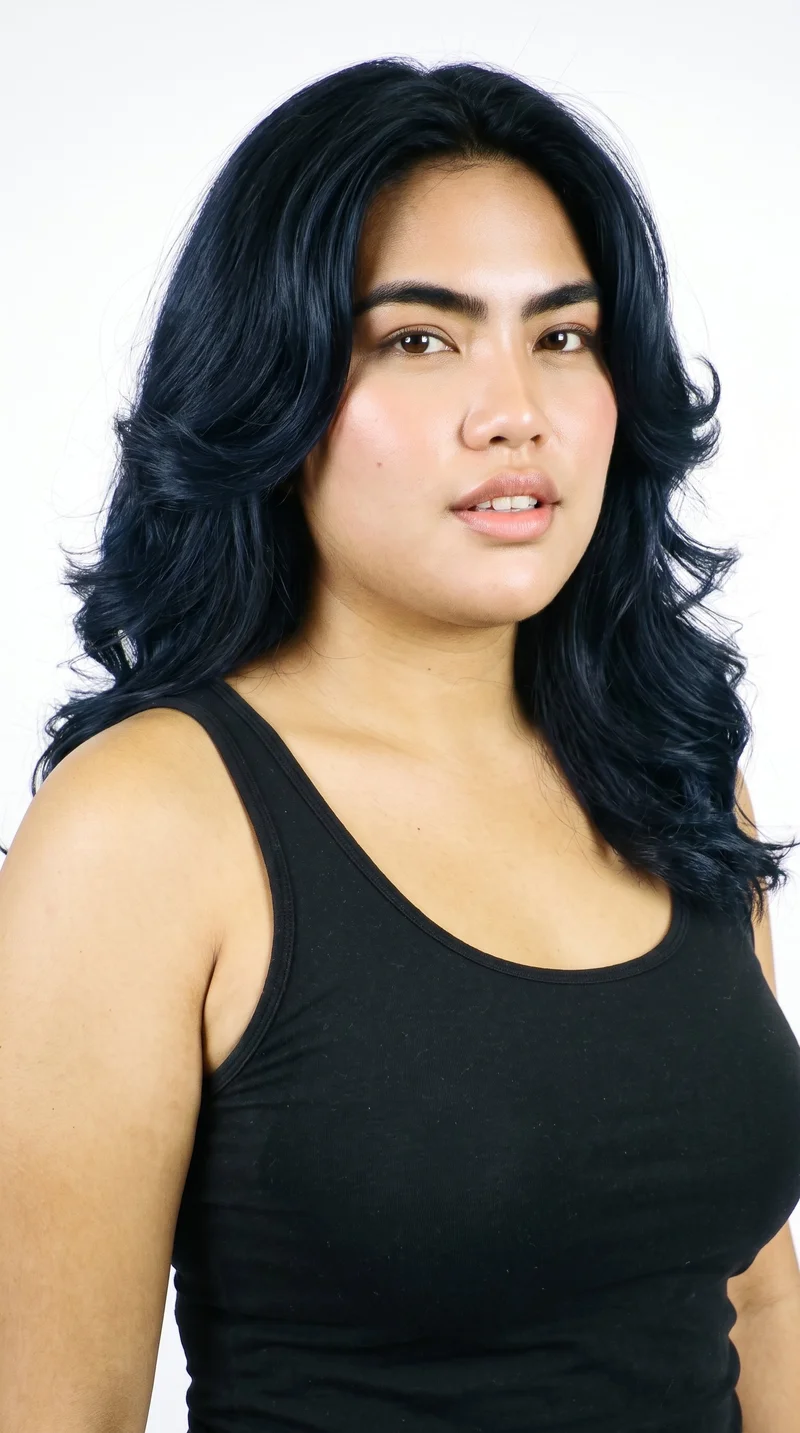
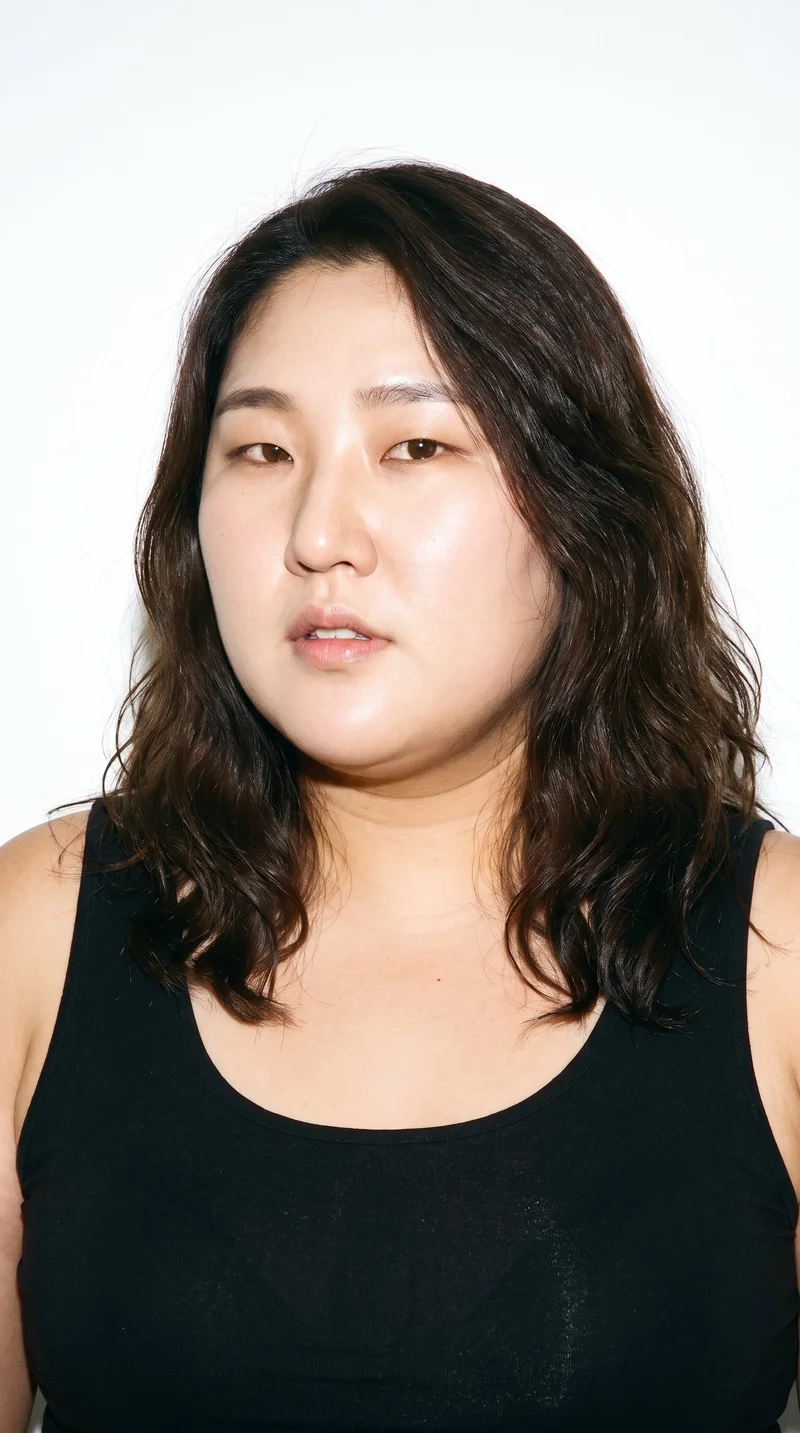
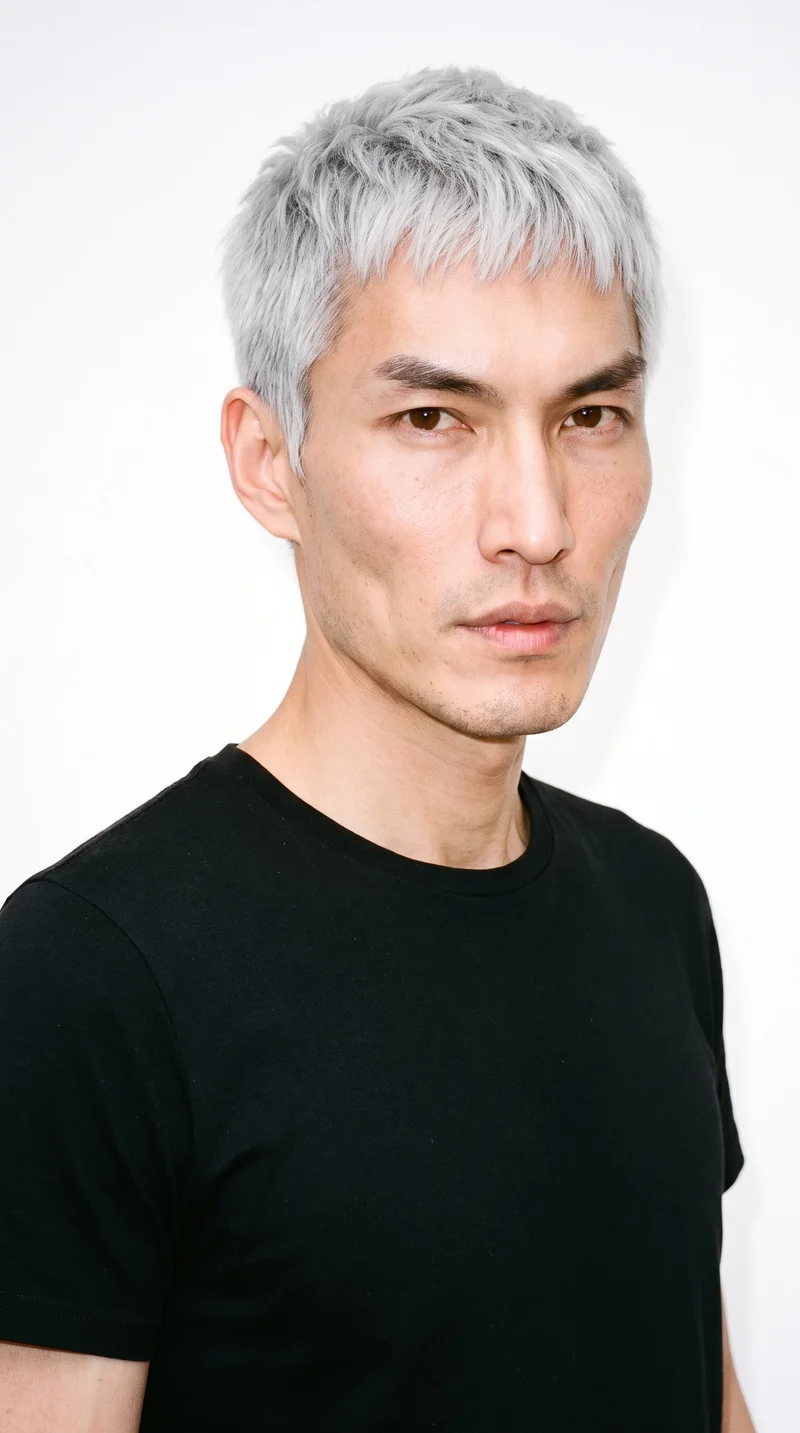
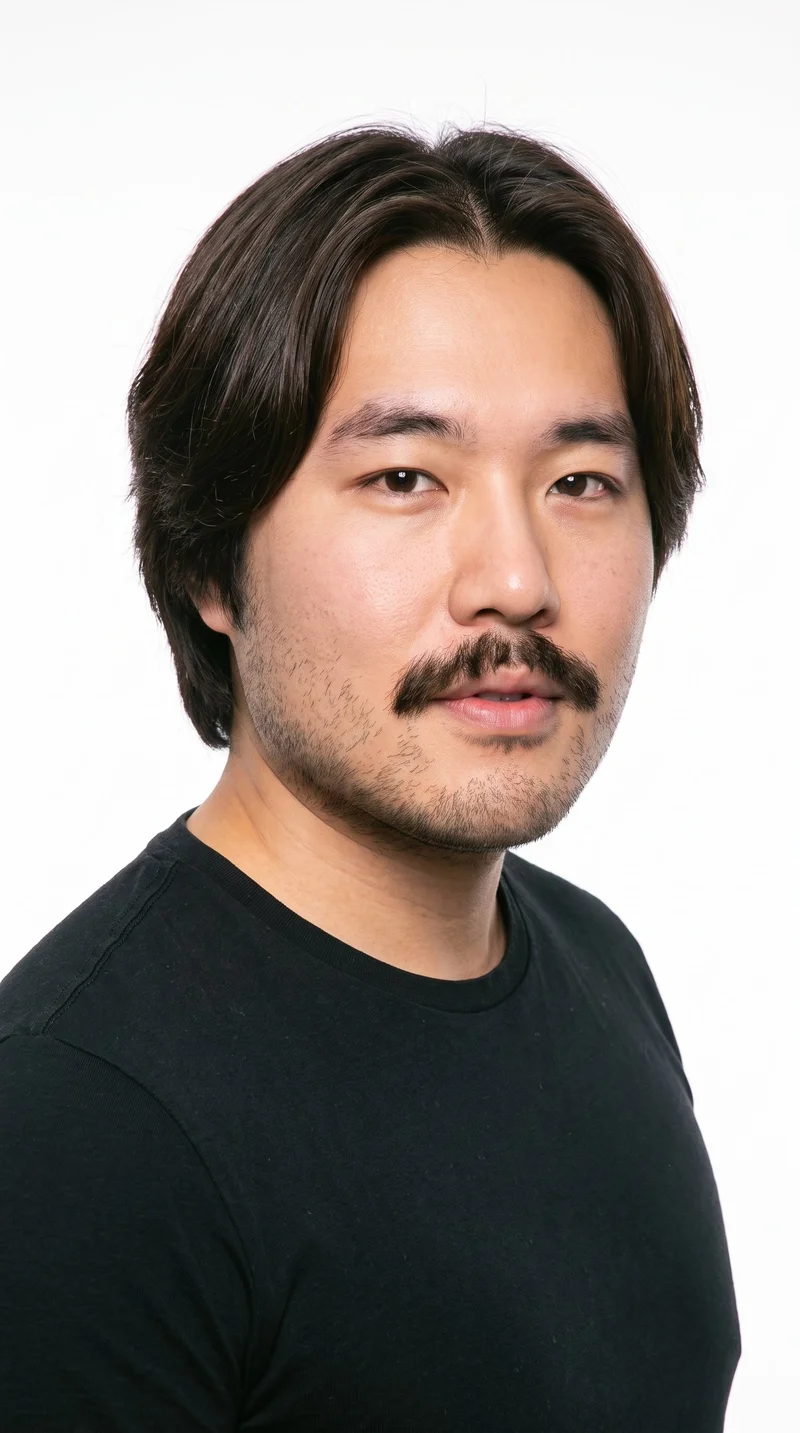
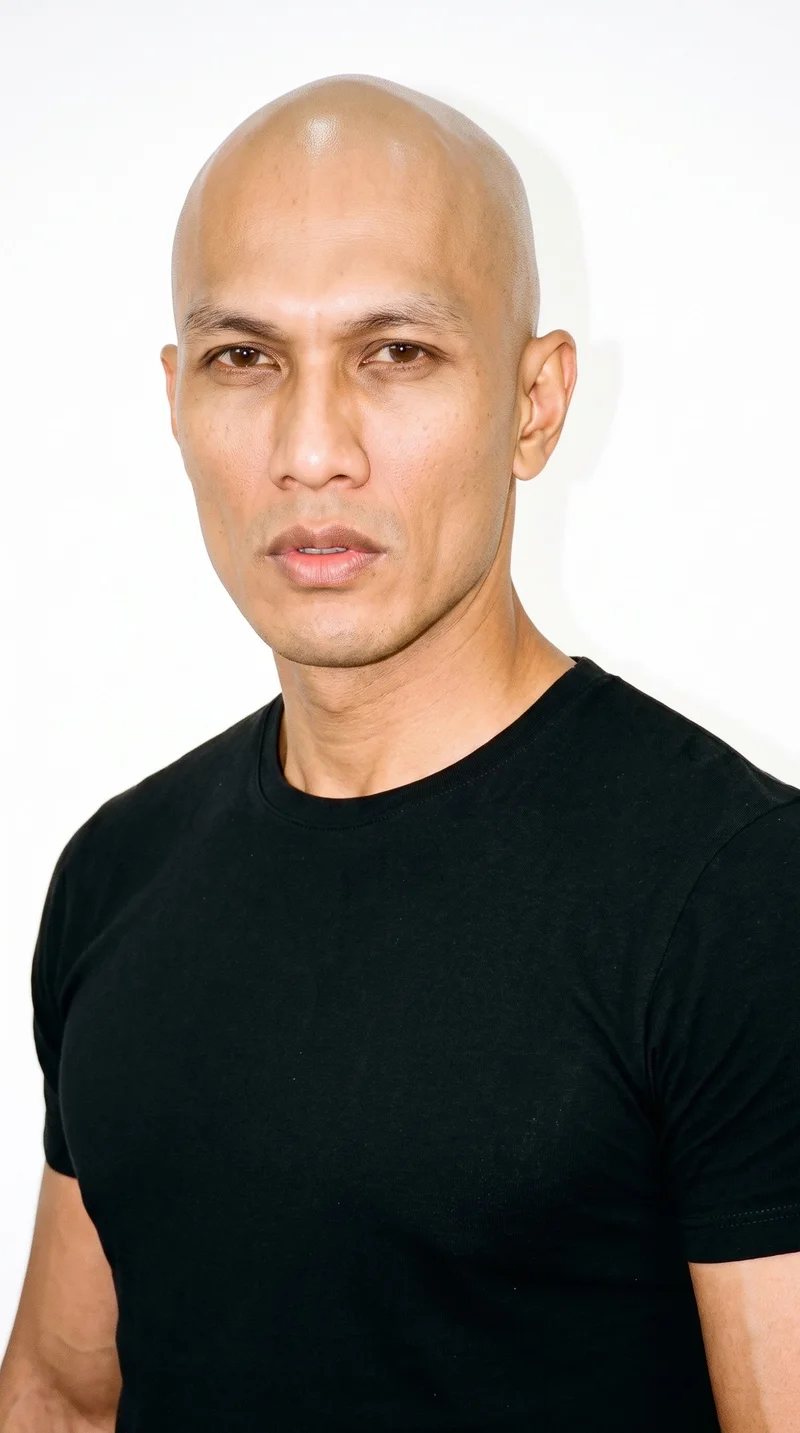
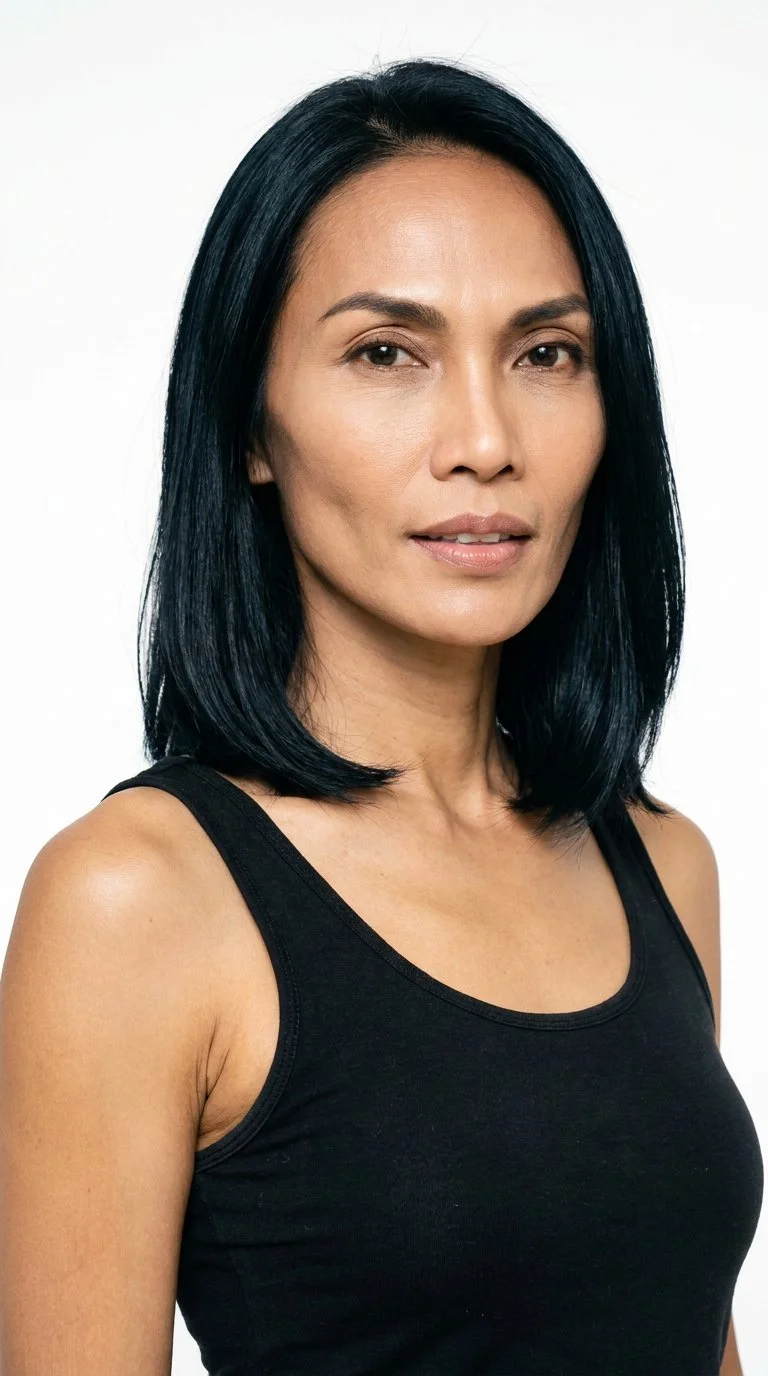
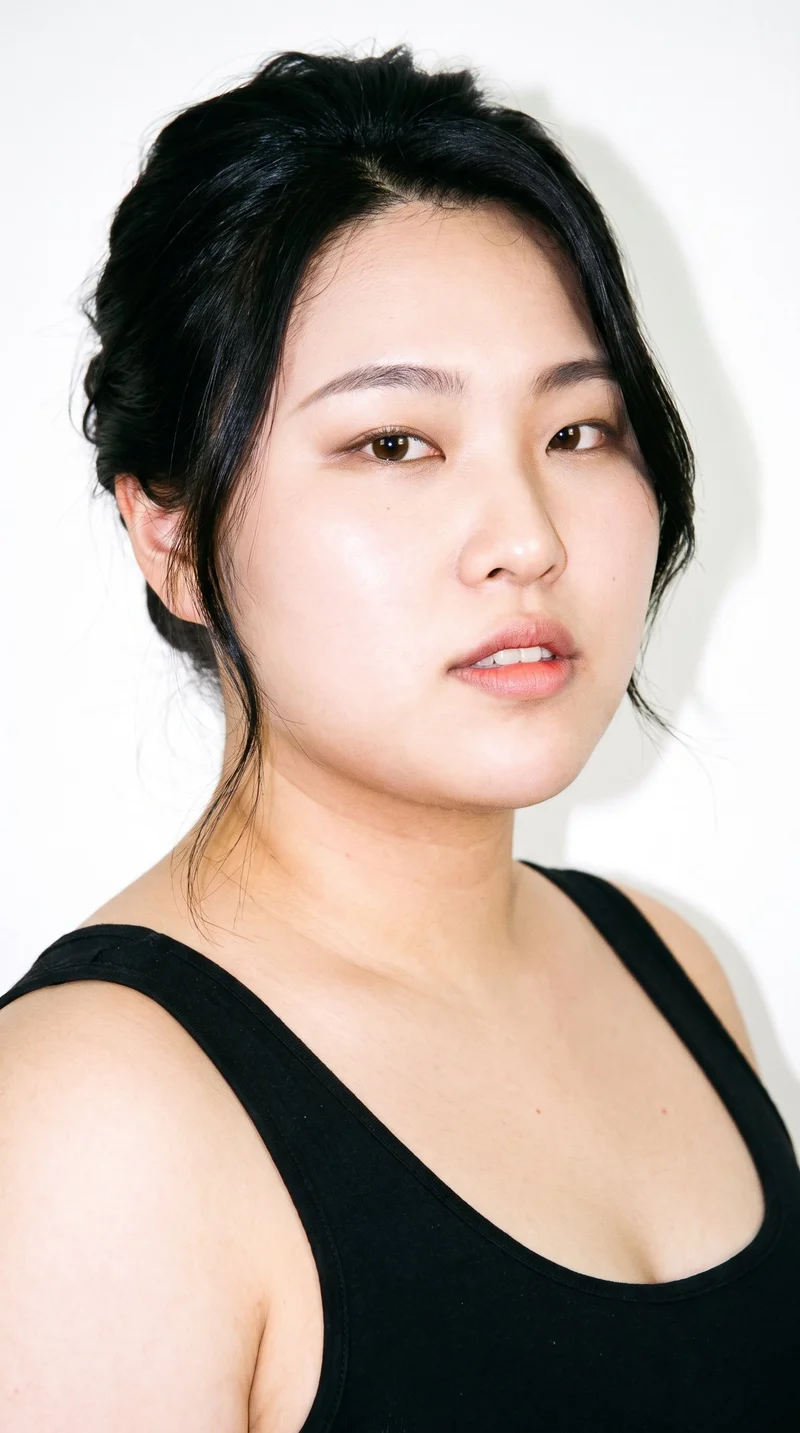
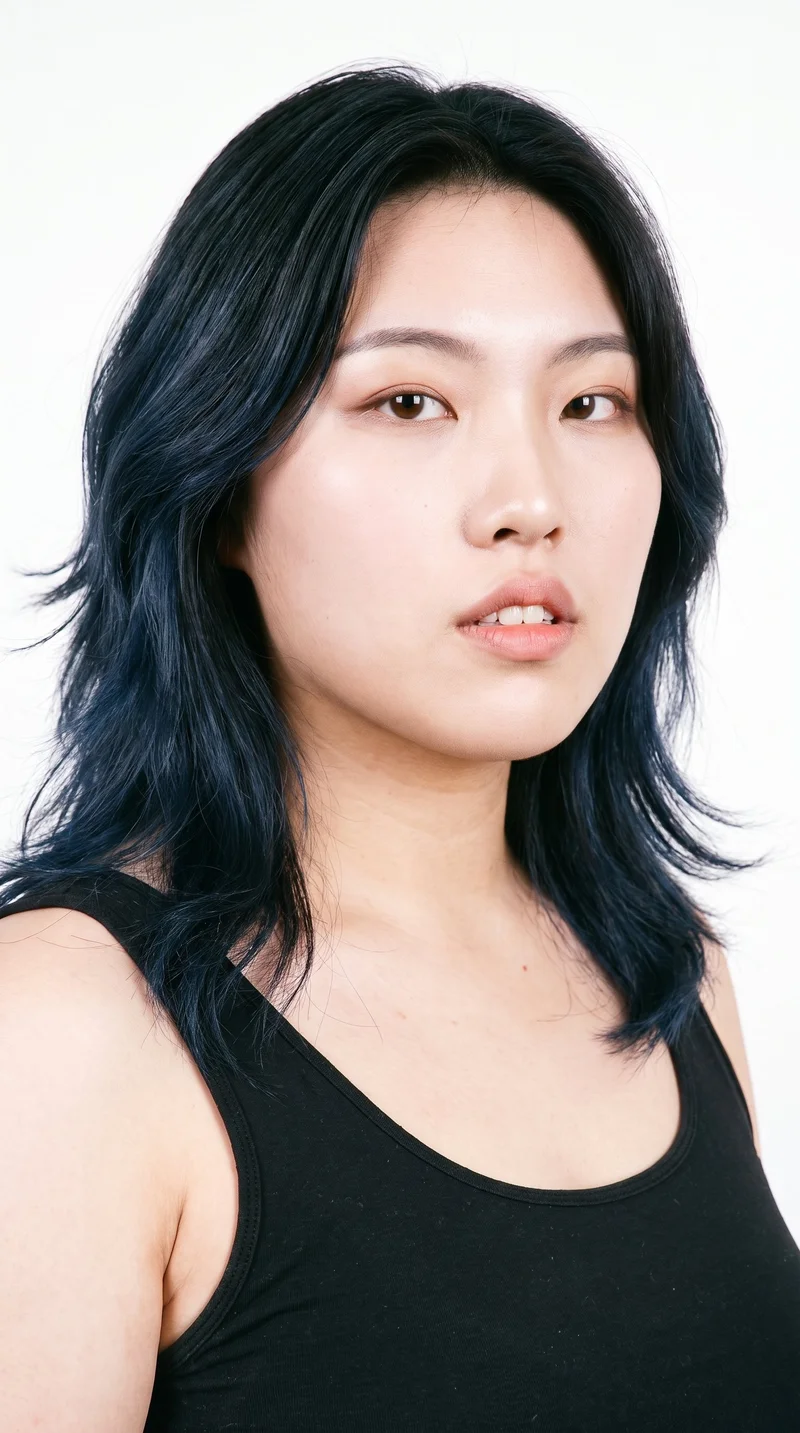
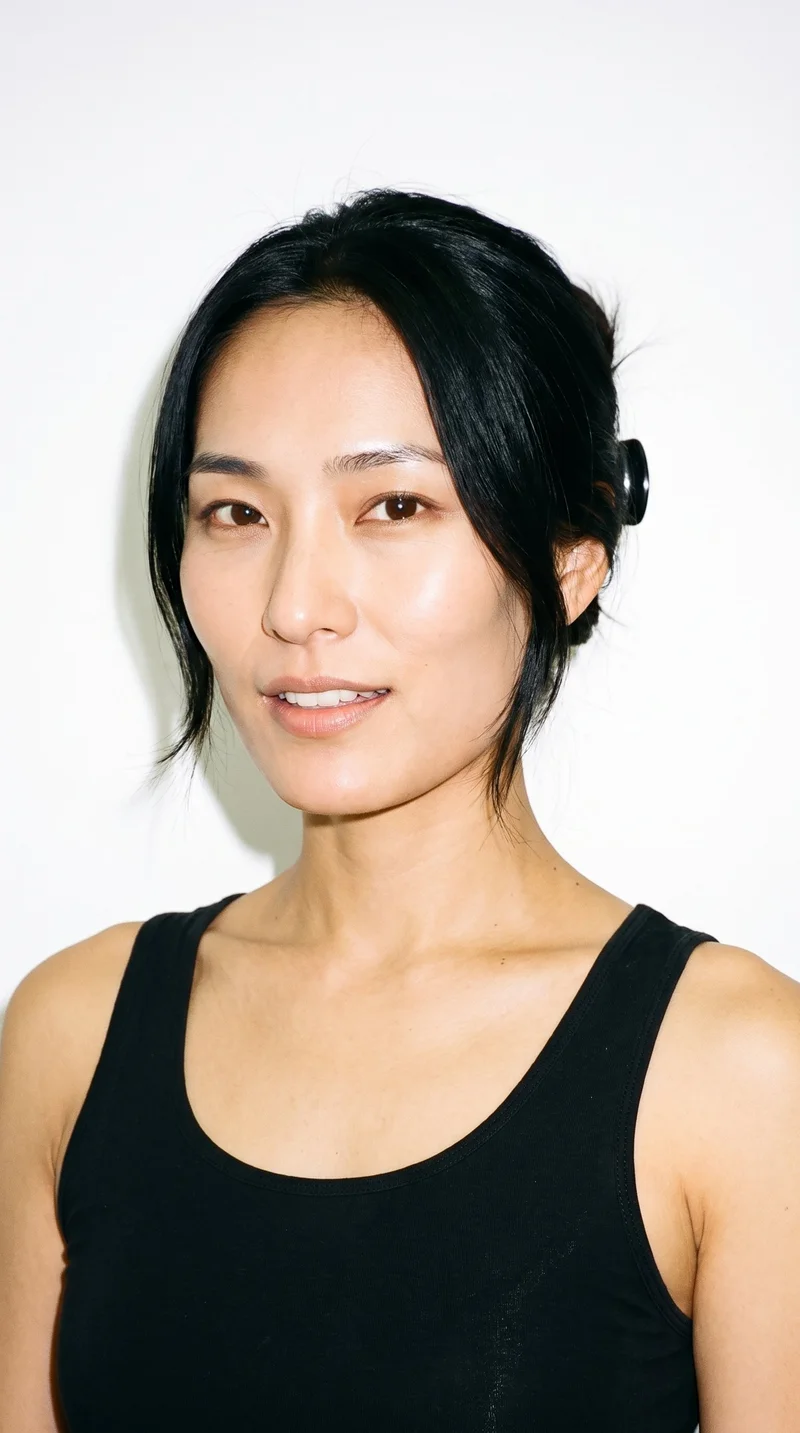
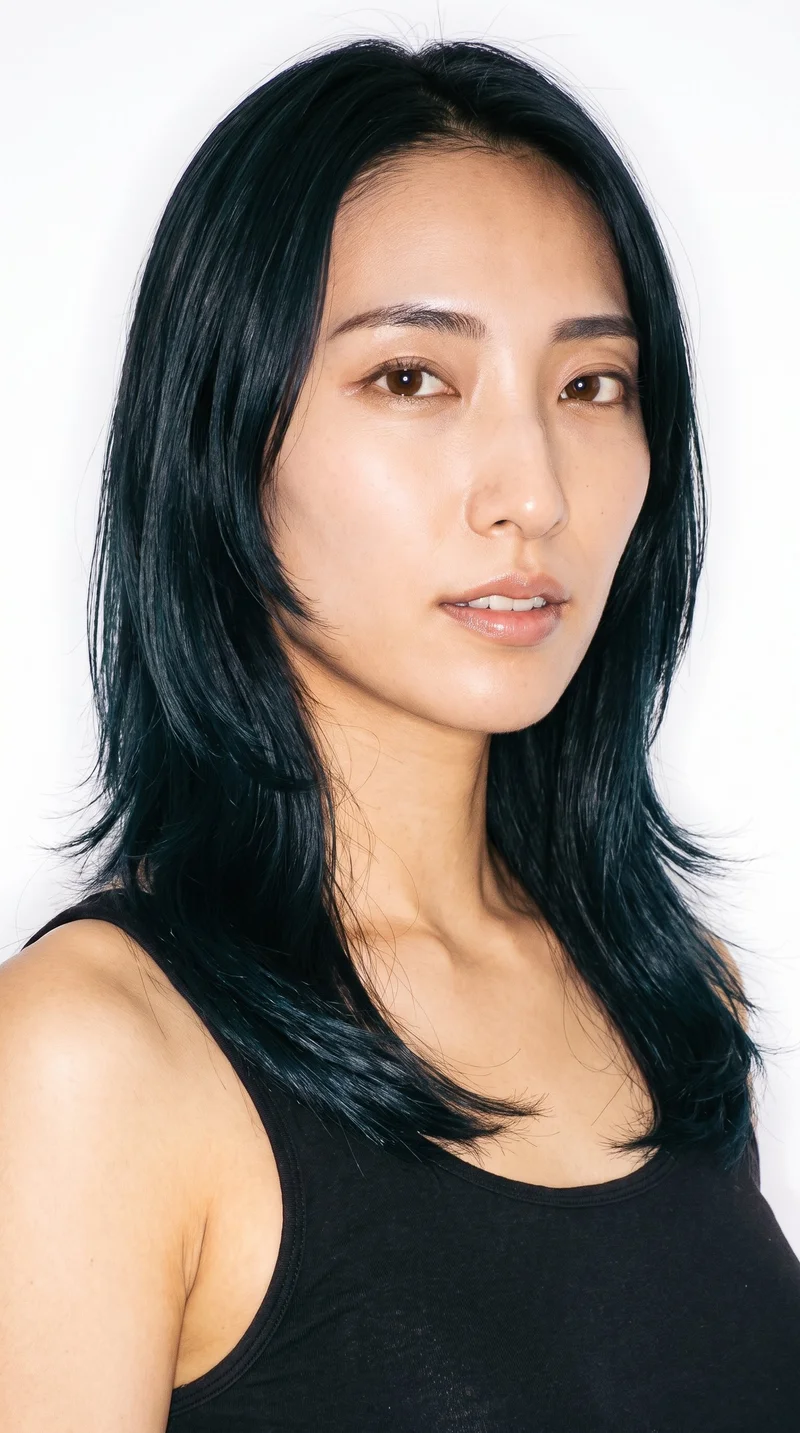
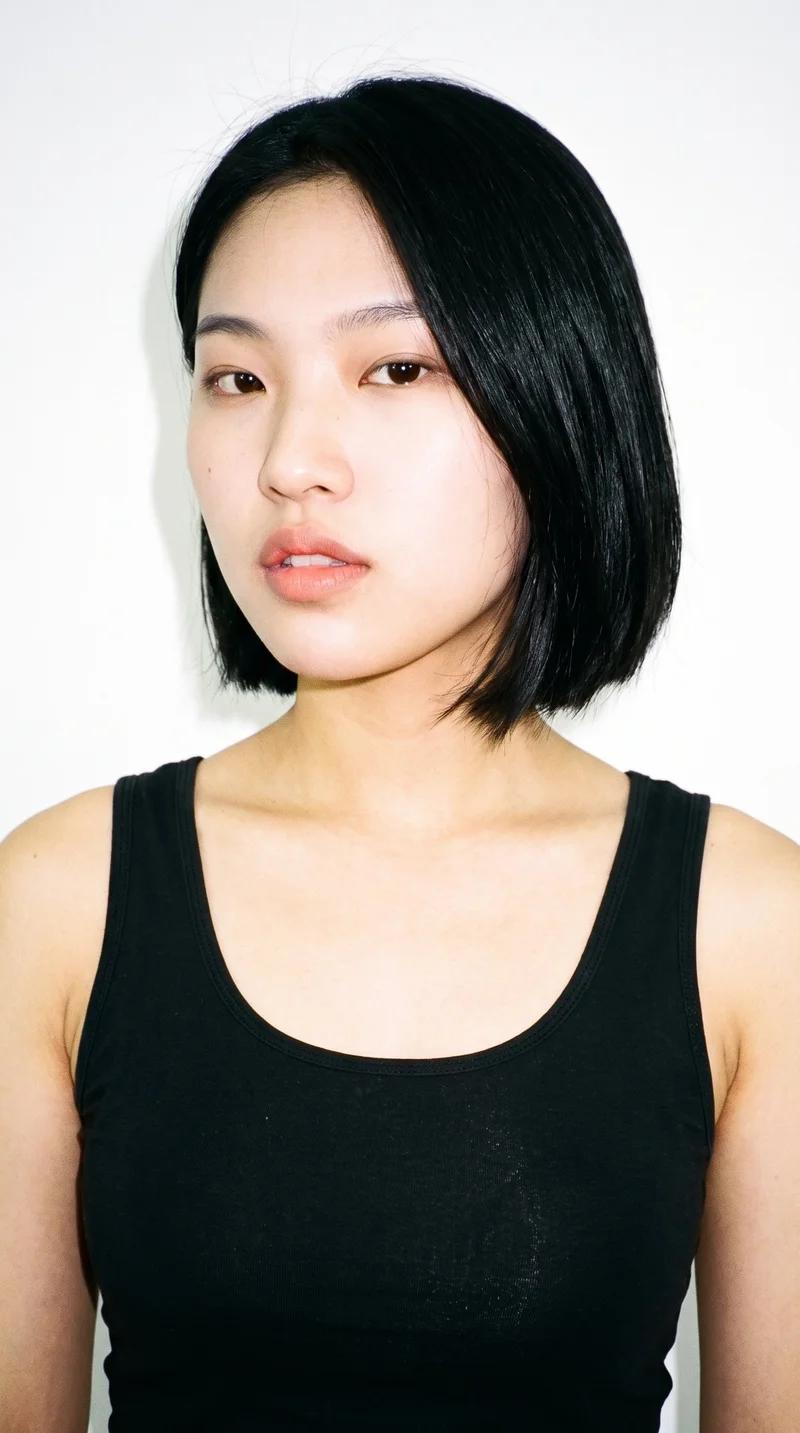
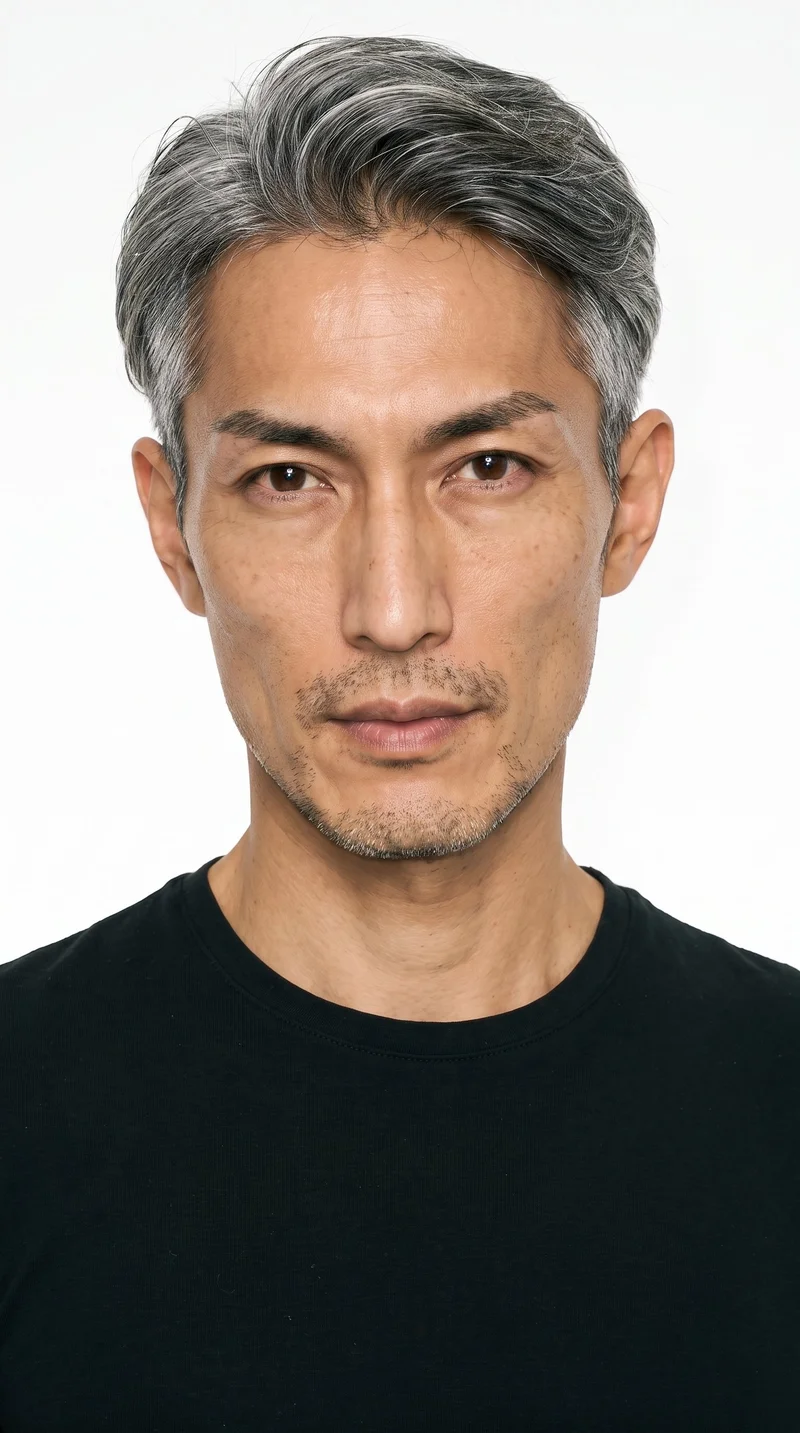
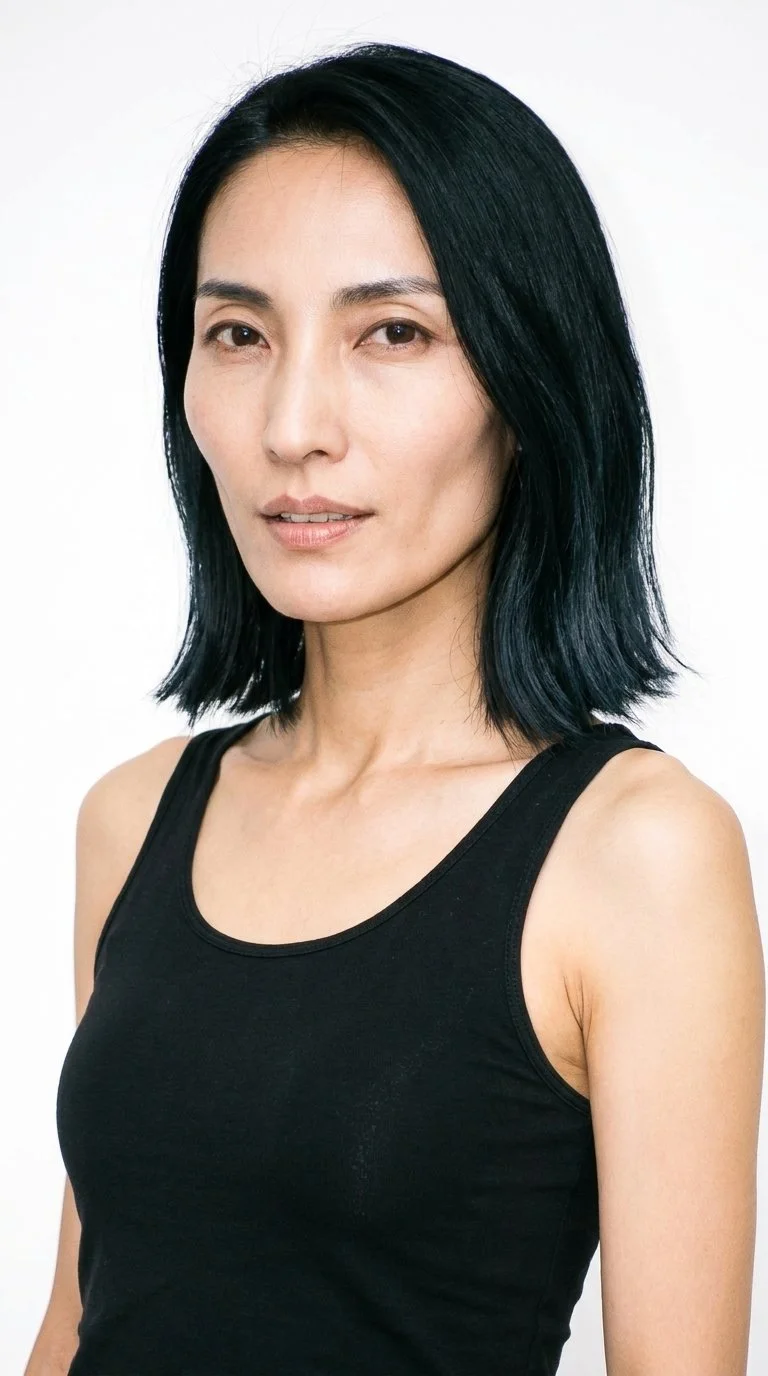
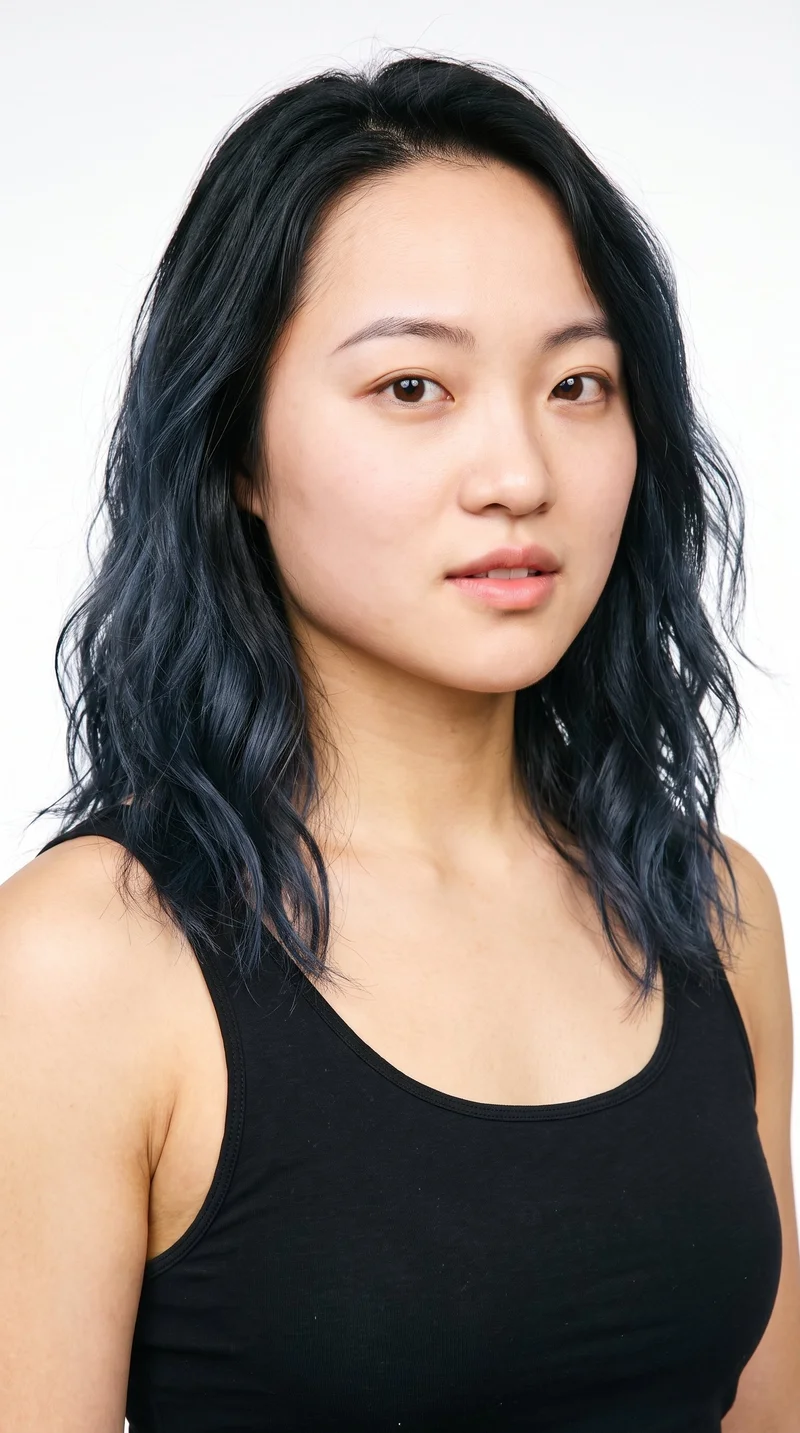
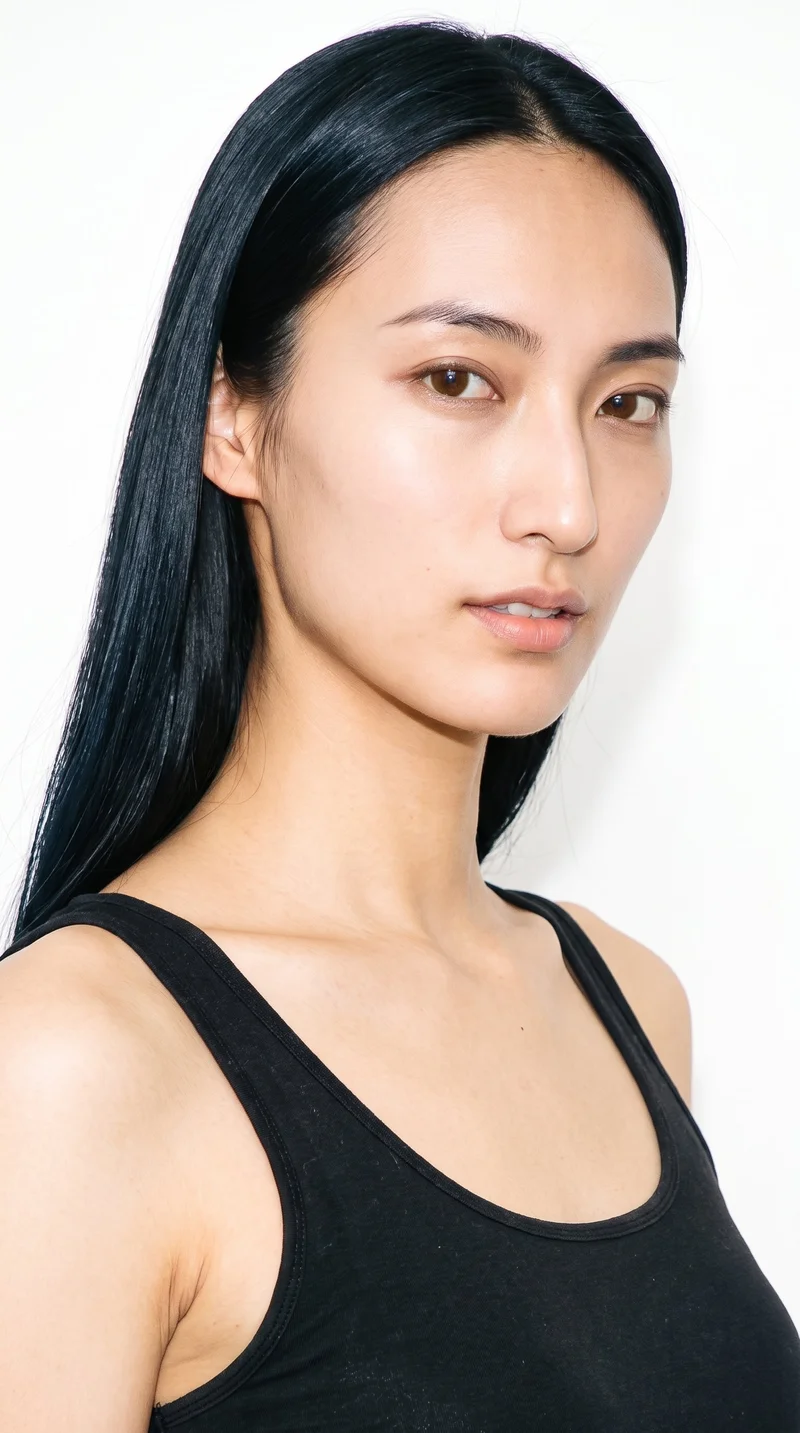
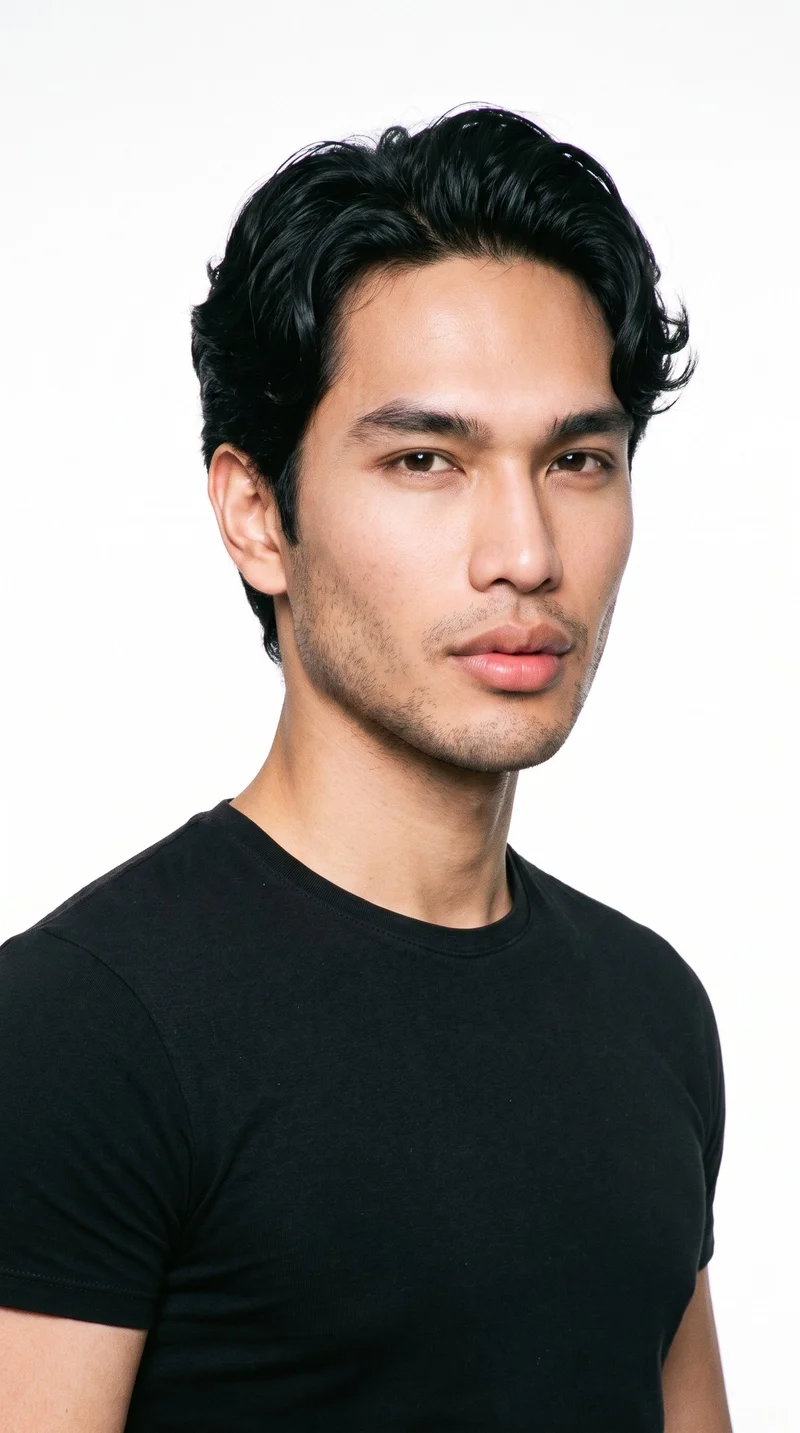
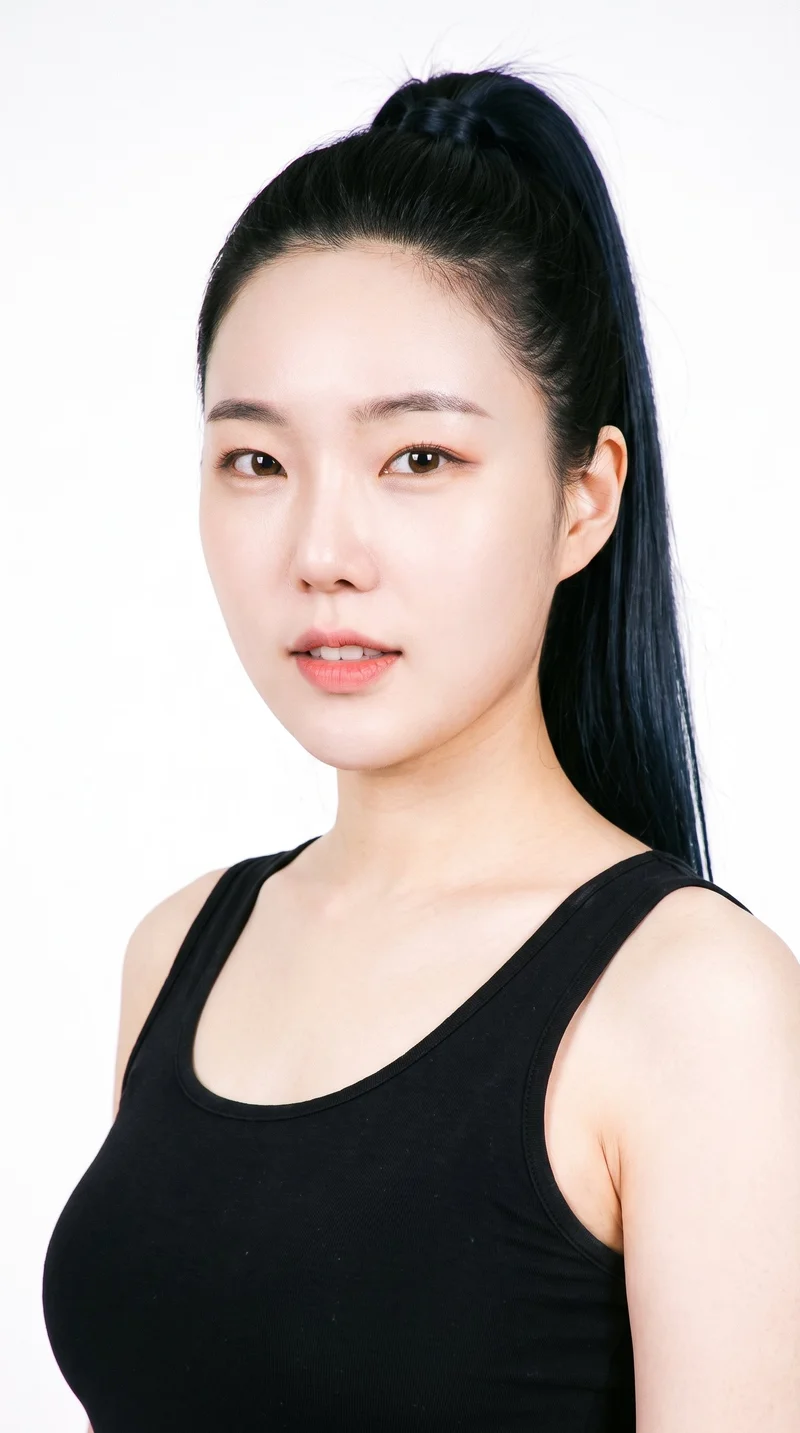
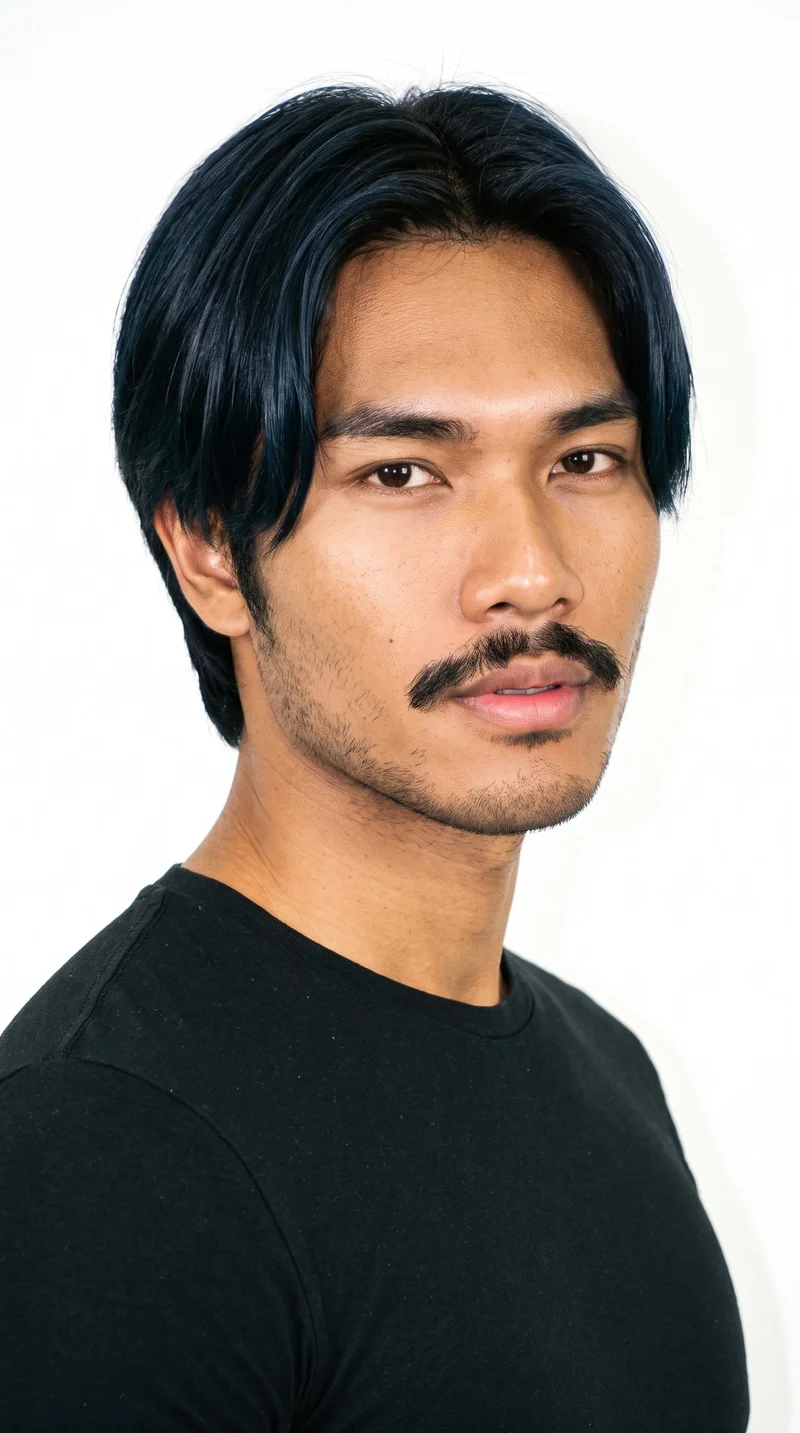
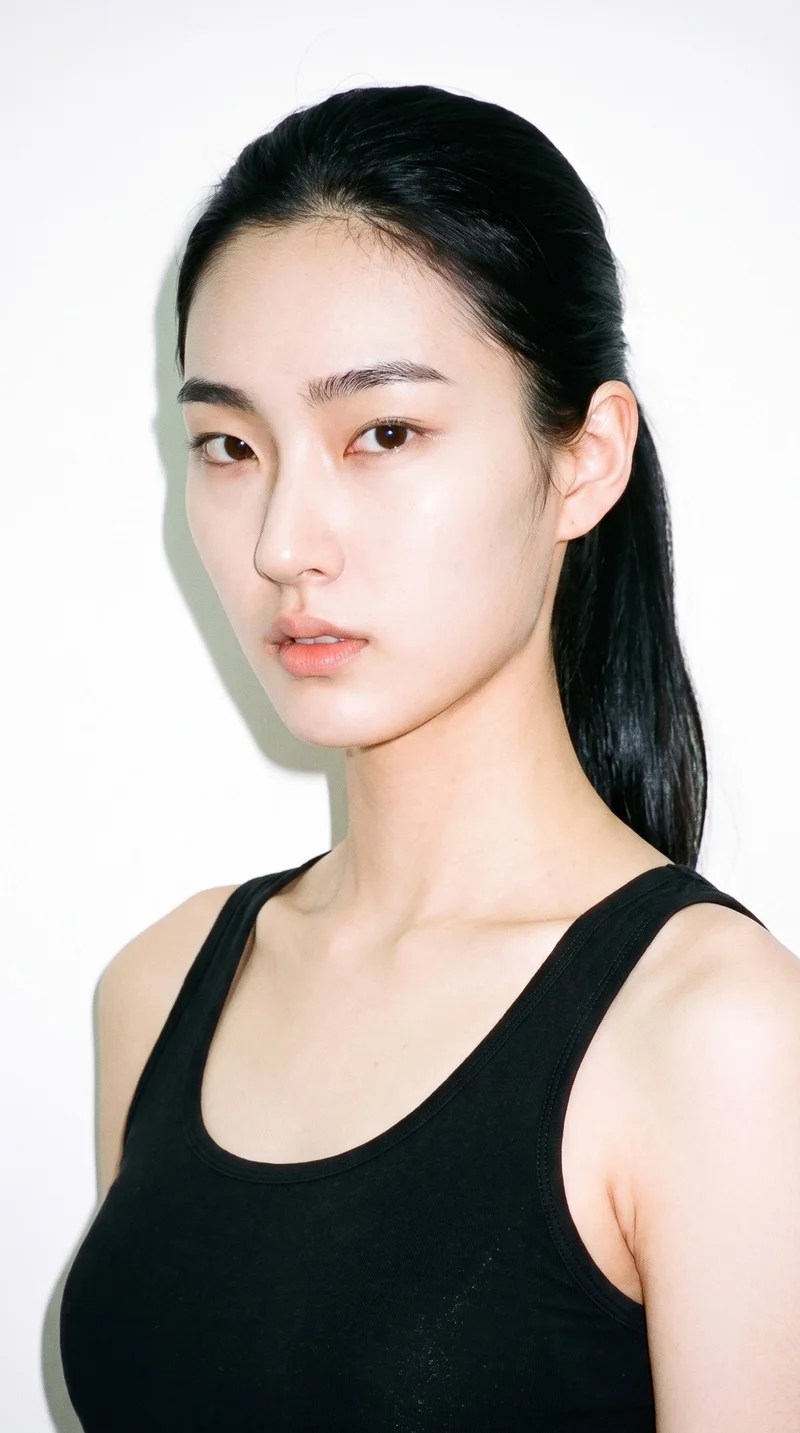
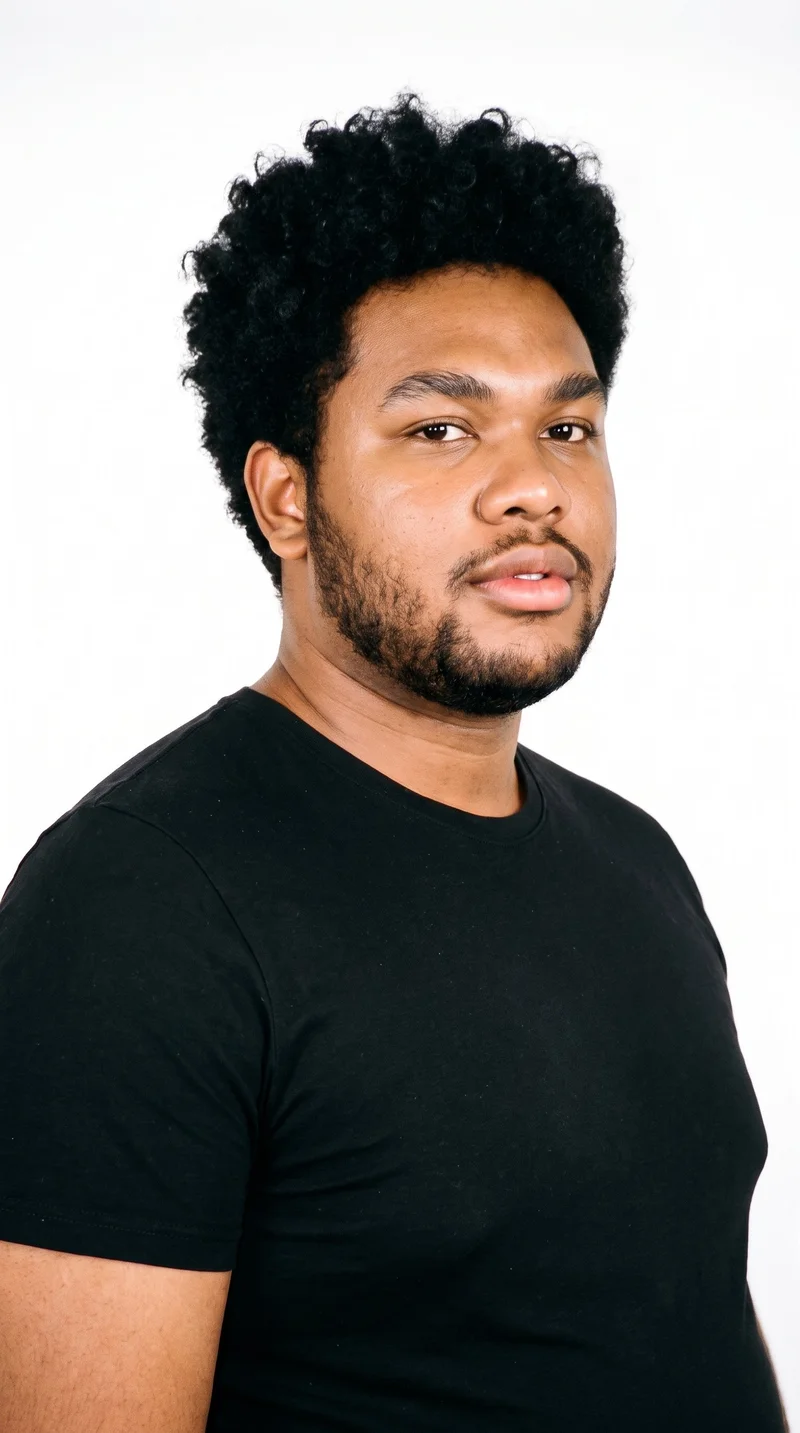
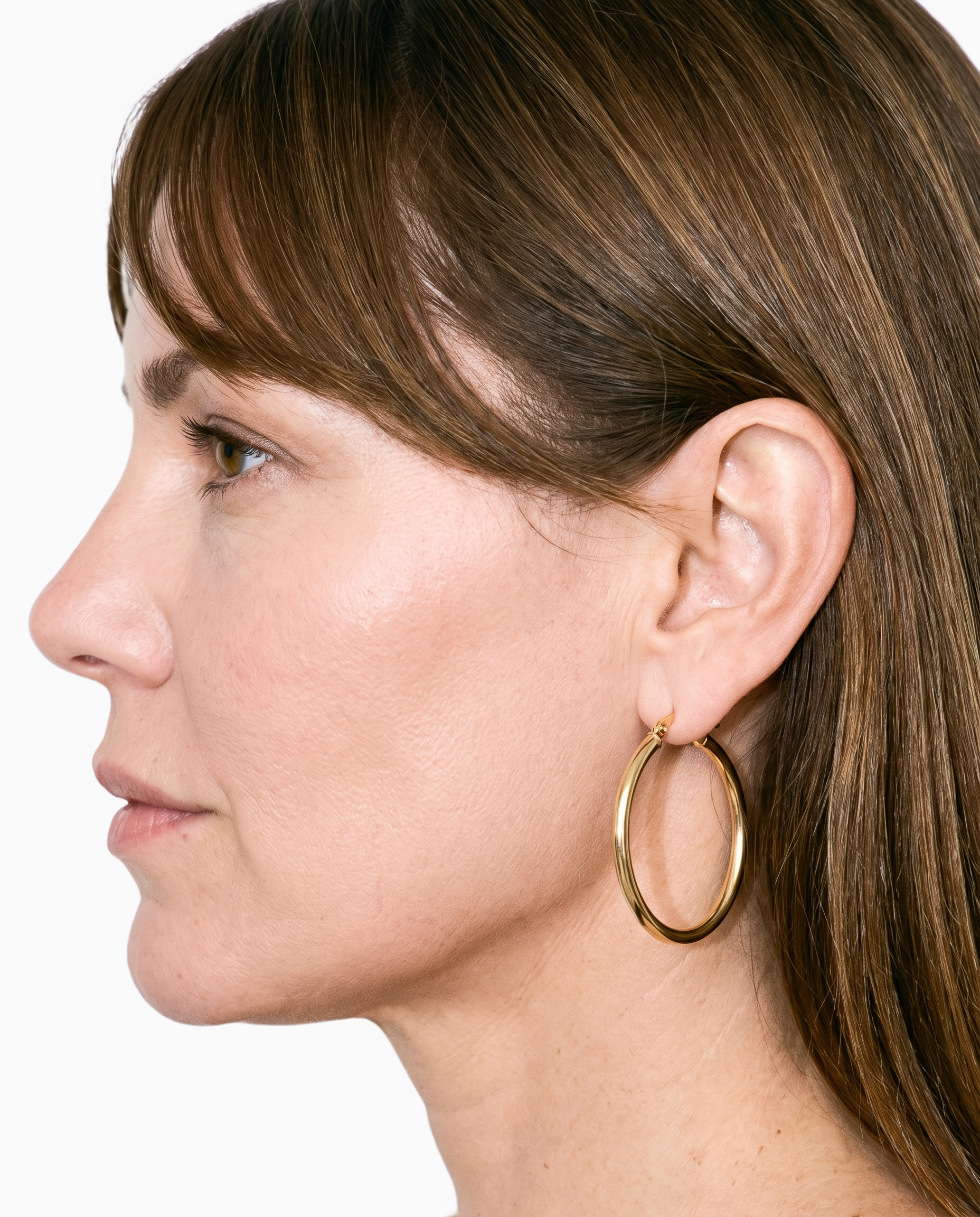
— 28 attributes · 10+ options each · Save once
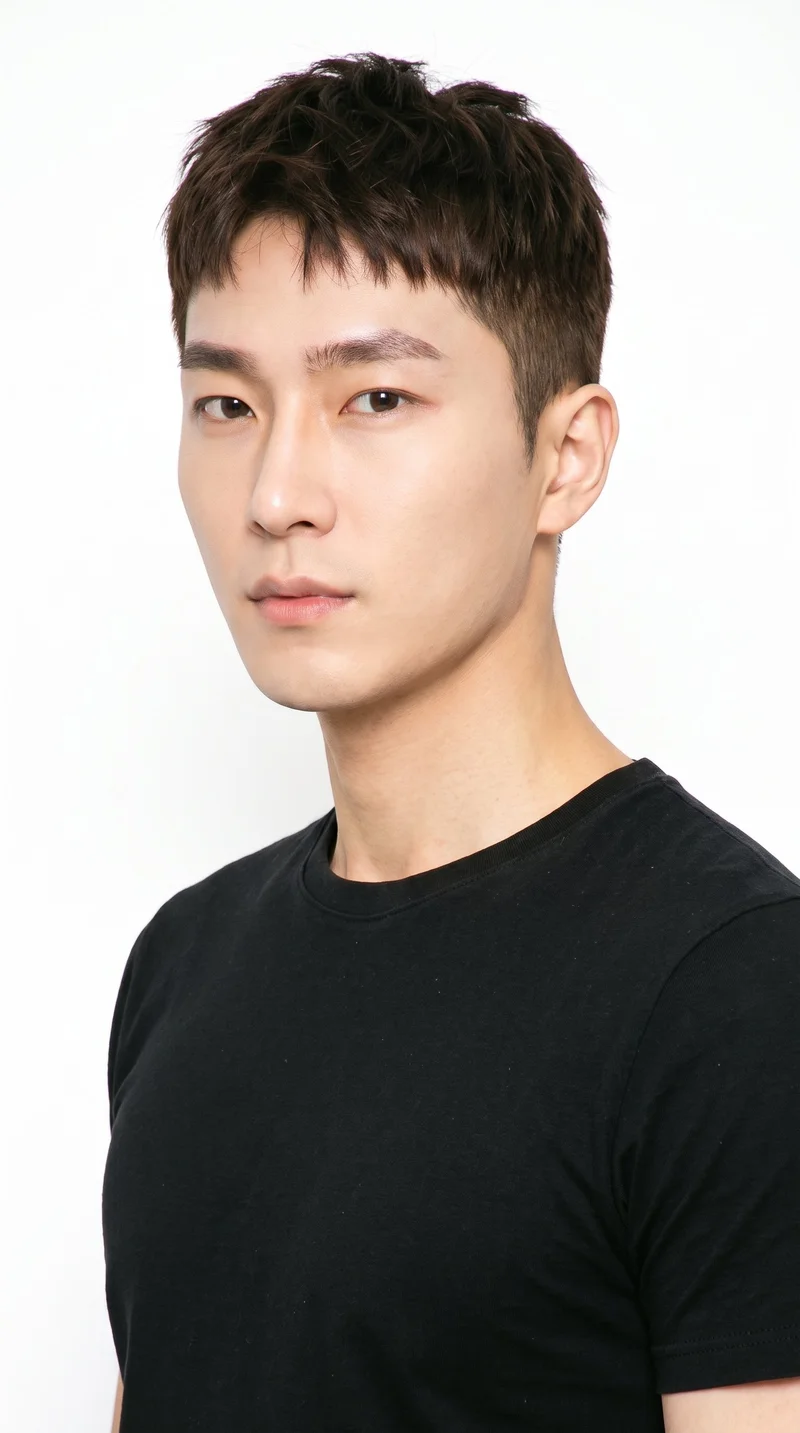
AI Chinese Male Generator — with click-driven control over every attribute.
Build a Chinese male model configuration that stays consistent across every product page, campaign variation, and seasonal update. You select body attributes, save the model once, and reuse it across the whole catalog with the same face, proportions, and presence. Every model is a synthetic composite, transparently labelled, and issued with provenance metadata.
- ~$0.99 per generation
- ~50–60s per generation
- 150+ styles
- 28 attributes × 10+ options each
- Save once, reuse across catalog
- C2PA-signed
7-day free trial • 50 tokens (10 images) • Cancel anytime


Saved model setup
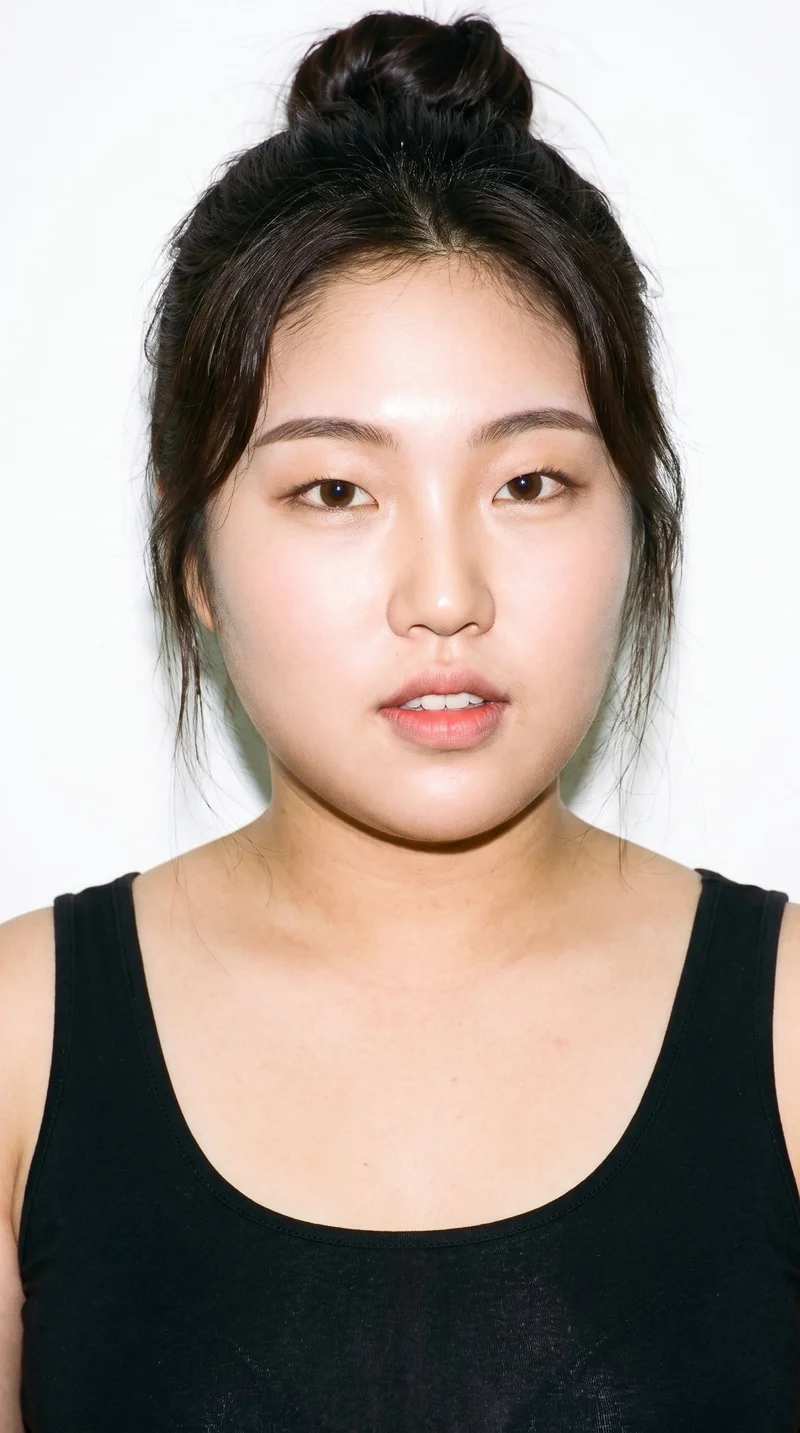
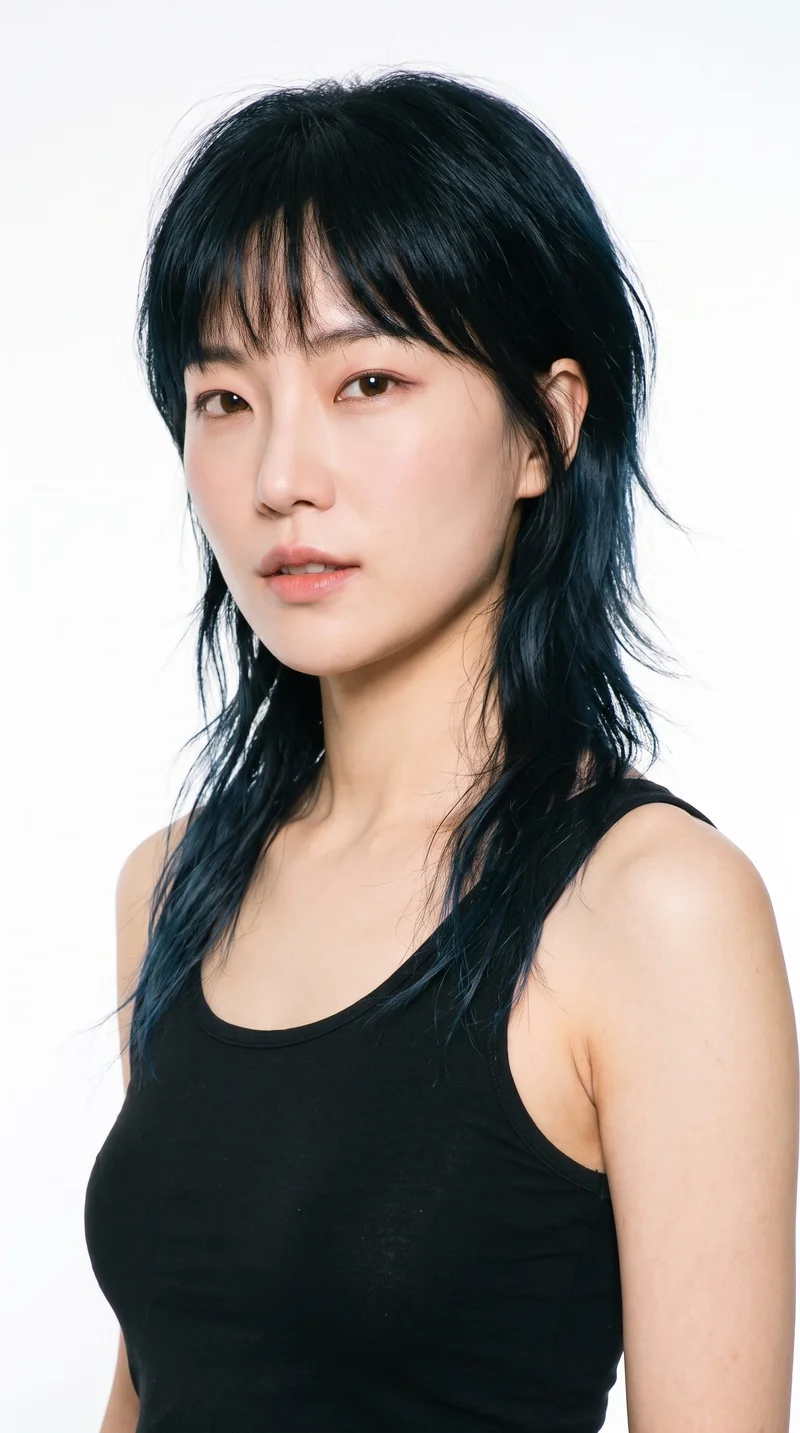
Female · 26–35 · Dark brown · 175cm
Build a model. Zero prompts.
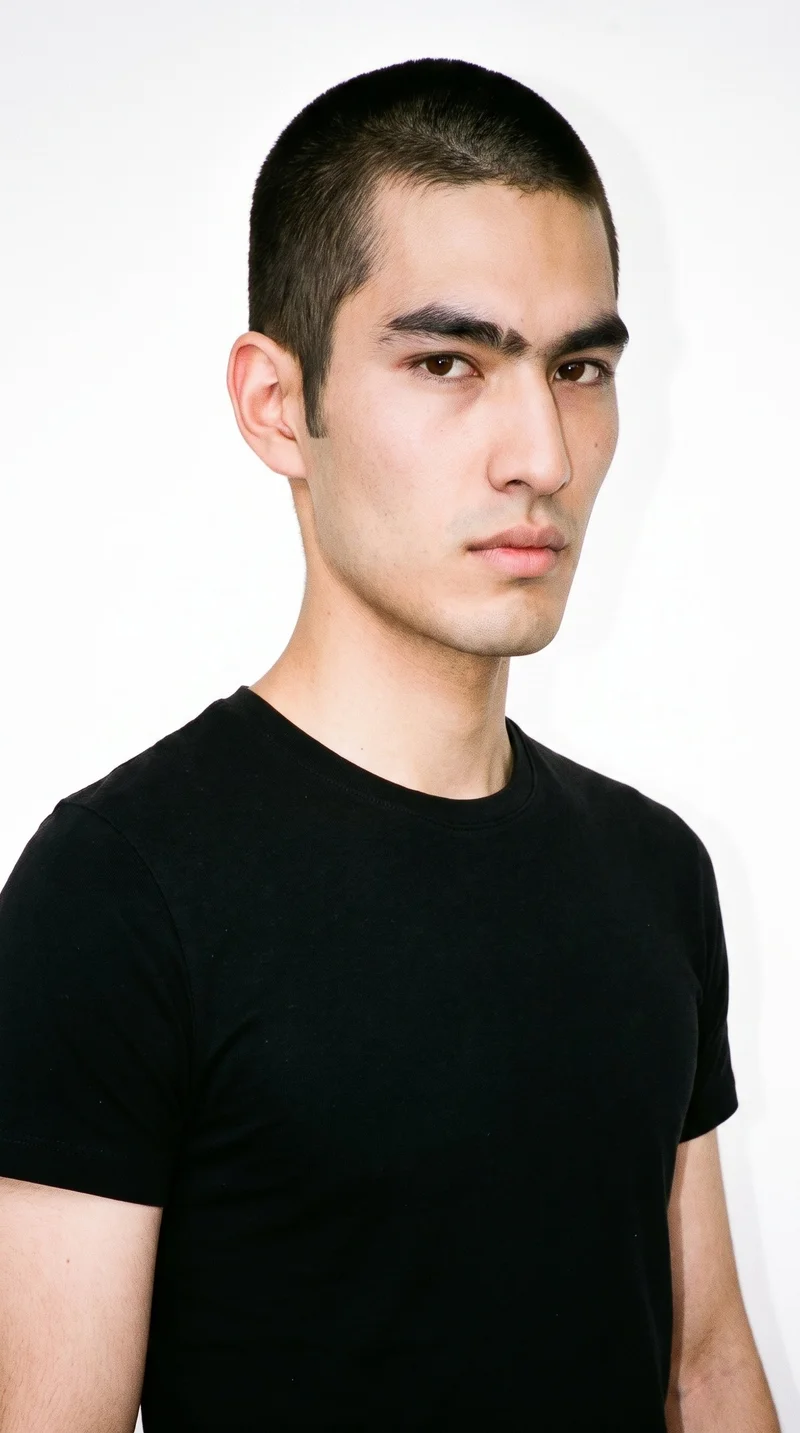
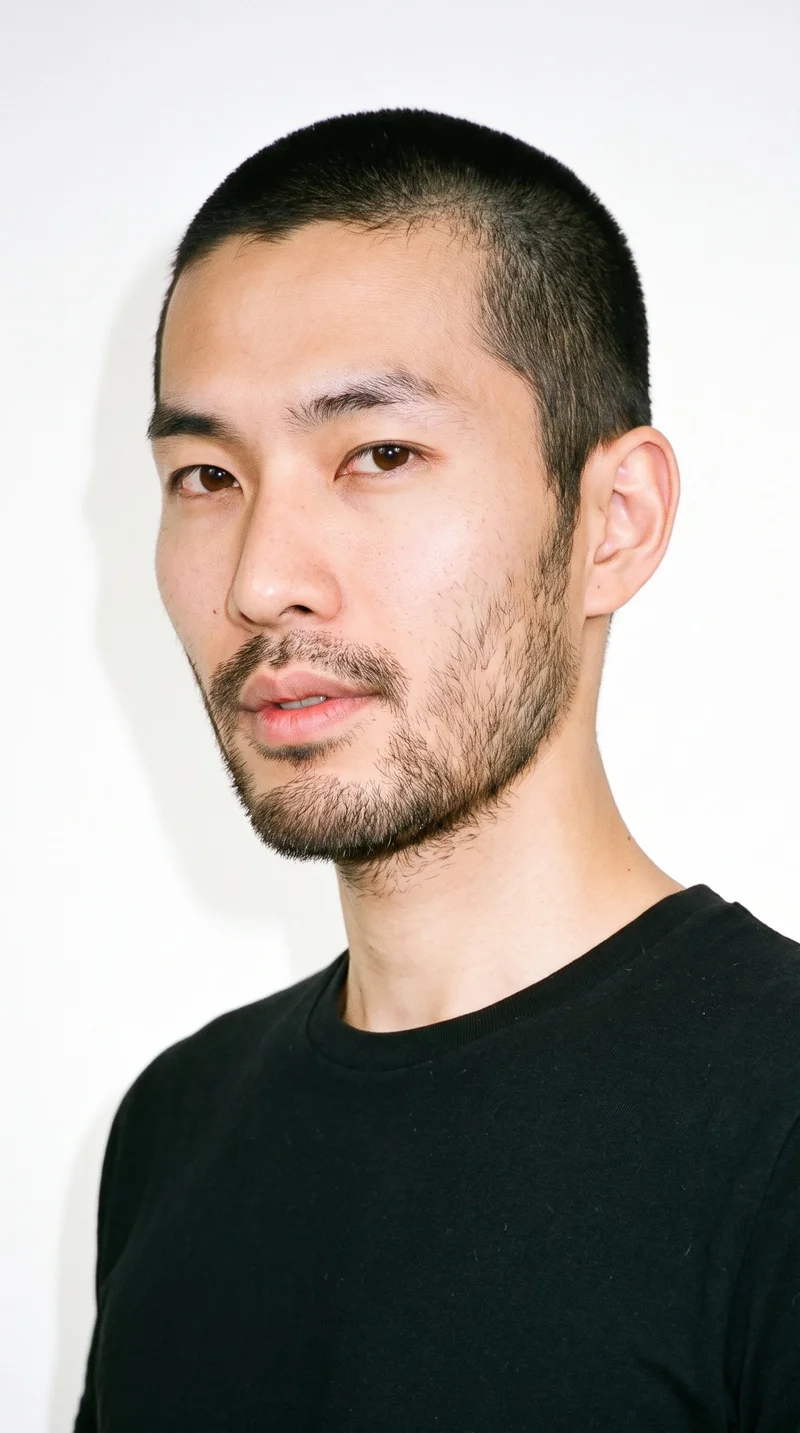
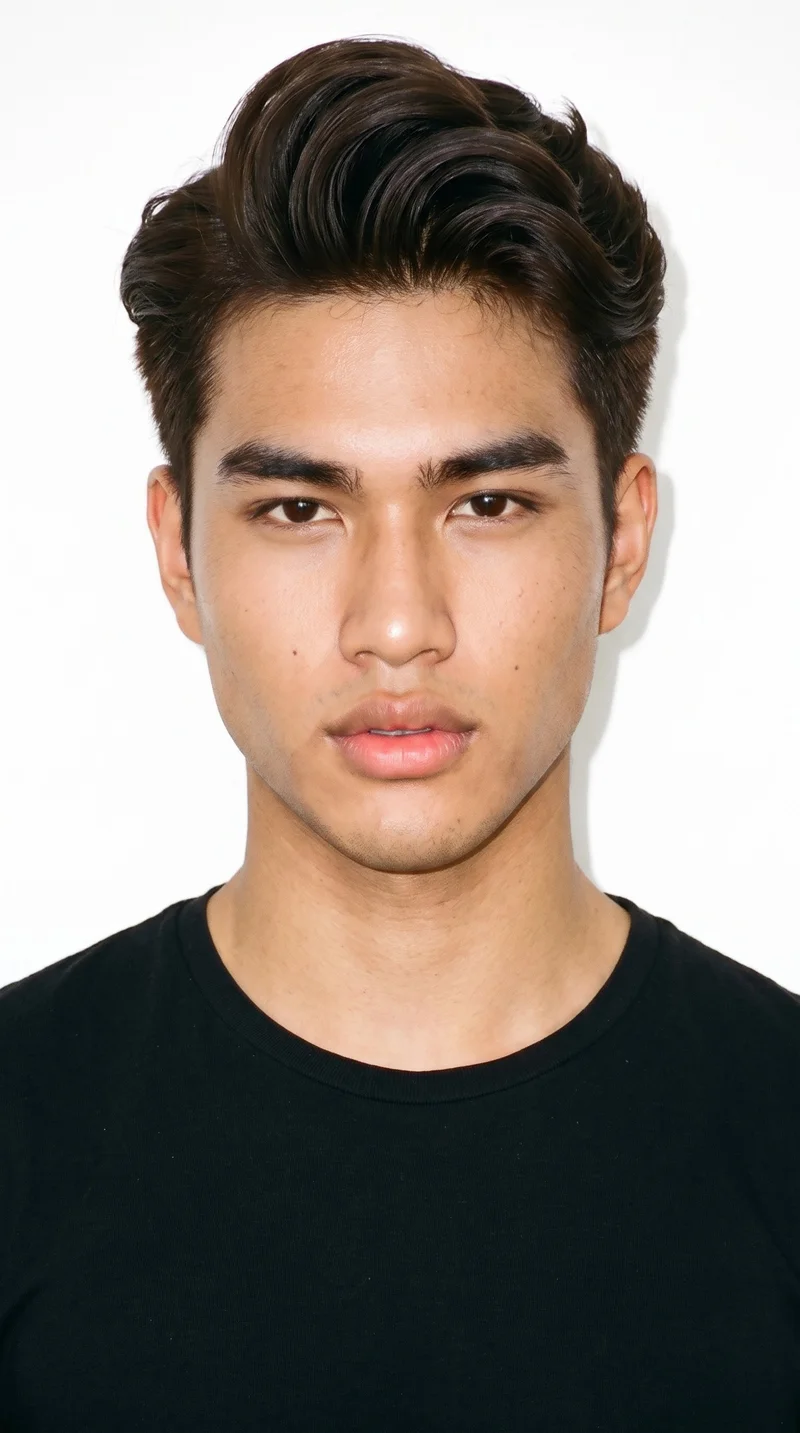
This setup starts from a Chinese male presentation with a warm copper skin tone, average build, and a clean ecommerce-ready age range. You click the attributes once, save the model to your library, and reuse the same identity across every shoot. 28 attributes · 10+ options each
- 5 clicks · 0 keystrokes
- app.rawshot.ai / build_model
How it works
Build Once, Reuse Across the Catalog
This workflow turns model selection into a saved system your team can apply again and again without rewriting creative intent.
- Step 01
Set the Model Attributes
Choose the look through visual controls for skin tone, age range, body type, height, hair, and expression. The entry point here is the model identity, not a blank text field.
- Step 02
Save the Identity Once
Store the finished configuration in your model library for repeat use. That gives your team the same face and body setup across catalog drops, campaign variants, and reshoots.
- Step 03
Reuse Across Every Shoot
Apply the saved model in the browser GUI or through the REST API. The same identity carries through single-look creative work and high-volume SKU pipelines without drift.
Spec sheet
Proof for Consistent Model-Led Fashion Work
These twelve signals show how RAWSHOT handles identity control, garment accuracy, provenance, and operational scale in one application.
- 01
Attribute Depth by Design
Every model is built from 28 body attributes with 10+ options each. That structure is why accidental real-person likeness is statistically negligible by design.
- 02
Every Setting Is a Click
You direct model creation through buttons, sliders, and presets. No blank text box, no syntax learning, and no guessing how to phrase the result you need.
- 03
Garment-Led Output
RAWSHOT is engineered around the product, so cut, colour, pattern, logo, and drape stay central. The garment remains the brief instead of being bent around generic image logic.
- 04
Chinese Male Model Direction
Select and save a Chinese male-presenting configuration as a reusable identity for branded fashion work. The result is transparently synthetic and clearly labelled as such.
- 05
Consistency Across SKUs
Save one model and apply it across tops, trousers, outerwear, accessories, and seasonal updates. Your catalog keeps the same face, body proportions, and overall presence from shot to shot.
- 06
150+ Visual Styles
Move the same saved identity through catalog, lifestyle, editorial, campaign, studio, street, Y2K, vintage, noir, and more. You keep continuity while changing the visual language.
- 07
Every Format You Need
Generate in 2K or 4K and use every aspect ratio your channels require. The same model setup can serve PDPs, lookbooks, paid social, marketplaces, and brand landing pages.
- 08
Labelled and Compliant
Outputs are C2PA-signed, AI-labelled, and protected with visible and cryptographic watermarking. RAWSHOT is built for EU-hosted compliance-minded fashion teams, including EU AI Act Article 50 readiness and California SB 942 alignment.
- 09
Signed Audit Trail per Image
Each output carries provenance metadata tied to what it is. That gives teams a record they can store, review, and pass through approval flows with less ambiguity.
- 10
GUI and REST API
Use the browser interface for creative direction or connect the same engine to catalog pipelines through the REST API. One product serves single shoots and industrial-scale operations alike.
- 11
Predictable Model Economics
Model generation is about $0.99 and usually finishes in 50–60 seconds. Tokens never expire, and failed generations refund their tokens.
- 12
Permanent Commercial Rights
Every output includes full commercial rights, worldwide and permanent. That clarity matters when a saved model identity becomes part of your ongoing brand system.
Outputs
One Identity, many outputs
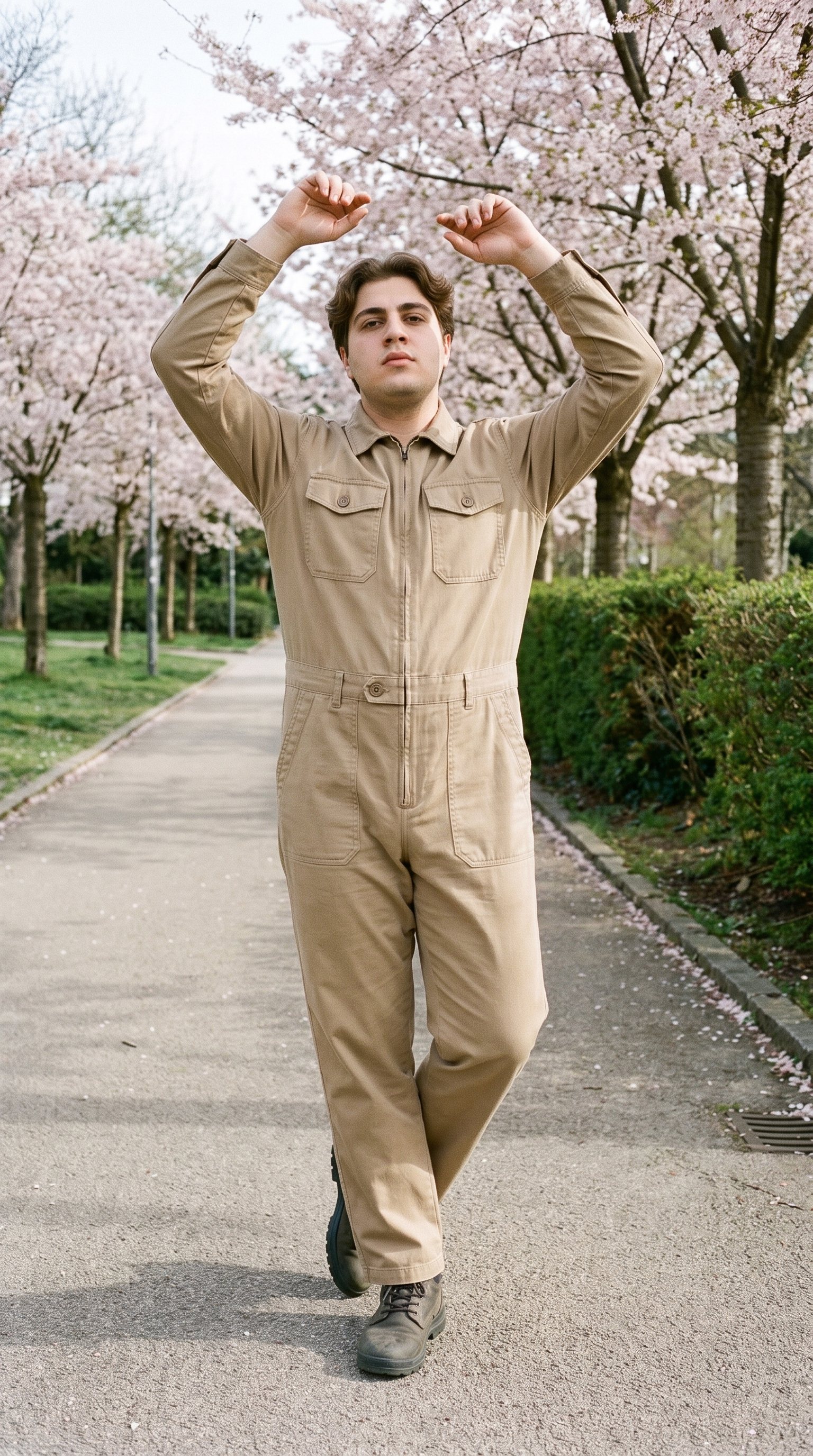
A saved model should travel across the whole business, not stay trapped in one scene. Use the same identity for clean PDP imagery, campaign concepts, marketplace formats, and seasonal refreshes.


Browse all 600+ models →
Comparison
RAWSHOT vs category tools vs DIY prompting
Three lenses on every dimension — what you optimize for in RAWSHOT versus typical category tools and blank-box AI workflows.
01
Interface
RAWSHOT
Click-driven model builder with saved attributes and reusable presetsCategory tools + DIY
Mixed UI with lighter controls and less structured identity building. DIY prompting: Typed instructions in generic image tools, with trial-and-error phrasing overhead02
Model consistency
RAWSHOT
Same saved face and body reused across SKUs without driftCategory tools + DIY
Consistency improves, but identity reuse is often less exact. DIY prompting: Faces shift between outputs, forcing retries and manual selection03
Garment fidelity
RAWSHOT
Product-led system keeps cut, colour, logo, and drape centralCategory tools + DIY
Fashion-focused outputs, but garment detail can still soften or vary. DIY prompting: Garments drift, logos get invented, and proportions change between renders04
Provenance + labelling
RAWSHOT
C2PA-signed, AI-labelled, visible and cryptographic watermarking includedCategory tools + DIY
Labelling support varies and provenance is not always first-class. DIY prompting: No dependable provenance metadata or consistent labelling layer by default05
Commercial rights
RAWSHOT
Permanent worldwide commercial rights for every outputCategory tools + DIY
Rights may be serviceable but terms often need closer interpretation. DIY prompting: Rights clarity depends on model, account, and downstream editing chain06
Pricing transparency
RAWSHOT
Per-model pricing, tokens never expire, one-click cancel, refunds on failuresCategory tools + DIY
Credits and access can be harder to compare across plans. DIY prompting: Usage costs vary by tool, retries, upscales, and unclear generation paths07
Catalog scale
RAWSHOT
Browser GUI and REST API use the same engine and same qualityCategory tools + DIY
Scale features may sit behind higher plans or separate workflows. DIY prompting: Batching is manual, reproducibility is weak, and auditability is limited08
Operational trust
RAWSHOT
EU-hosted workflow with signed audit trail per imageCategory tools + DIY
Operational safeguards differ by vendor and plan level. DIY prompting: Scattered assets, unclear attribution trail, and little governance for teams
Prompting does not scale
Stop writing essays. Direct the shoot.
Most AI photo tools start with a blank text box. Rawshot turns the shoot into repeatable controls, so creative teams can produce consistent fashion imagery without prompt syntax or one-off hacks.
Category norm
ManualCreate a premium editorial fashion photograph of a model wearing the exact navy oversized wool coat from SKU-1842, full-body crop, realistic hands, consistent facial identity, clean e-commerce lighting, subtle Paris street background, 85mm lens, no logo distortion, no fabric hallucination, same pose as last campaign, repeatable for all colorways...
A prompt can describe one image. It cannot become a shared production system for hundreds of products, models, angles and markets.
Rawshot
ClicksSaved shoot recipe
Apply to 1 SKU or 10,000 via GUI, CSV or REST API.
Rawshot makes creative direction visible: buttons, presets and sliders instead of hidden prompt craft. The result is easier to teach, faster to approve and built for repeat production.
Use cases
Where a Reusable Male Model Pays Off
Operator archetypes and how click-directed, garment-first output fits the way they actually work.
- 01
Indie menswear labels
Launch a first collection with a saved Chinese male model identity that keeps the brand presentation coherent from hero image to PDP.
Confidence · high
- 02
DTC basics brands
Standardise tees, knits, denim, and outerwear on one repeatable model so the catalog feels unified instead of pieced together.
Confidence · high
- 03
Marketplace sellers
Create compliant, consistent on-model assets for multiple listings without re-solving model direction for each product page.
Confidence · high
- 04
Factory-direct manufacturers
Show garments on a stable male-presenting model before buyers commit to physical sampling and international shoot logistics.
Confidence · high
- 05
Crowdfunded fashion projects
Present prototypes with a credible, repeatable identity across campaign visuals, rewards pages, and investor decks.
Confidence · high
- 06
Streetwear drops
Carry the same face through limited releases, lookbook frames, and social crops while switching styles and backgrounds around the product.
Confidence · high
- 07
Uniform and workwear suppliers
Use one dependable model setup to present fit, function, and consistency across large assortments with minimal visual drift.
Confidence · high
- 08
Adaptive menswear brands
Keep representation intentional while reusing the same saved identity across different cuts, closures, and accessibility-focused designs.
Confidence · high
- 09
Resale and vintage curators
Give mixed-inventory pieces a more coherent storefront by applying one stable model presence across changing stock.
Confidence · high
- 10
Student fashion portfolios
Build polished menswear presentation without renting a studio or learning command-line style image workflows.
Confidence · high
- 11
Regional lifestyle brands
Shape a Chinese male-facing brand presence for local campaigns, ecommerce pages, and paid media without rebuilding the model each season.
Confidence · high
- 12
Large catalog teams
Save approved identities once, then push them through browser or API workflows for repeated use across hundreds or thousands of SKUs.
Confidence · high
— Principle
Honest is better than perfect.
For identity-led model pages, trust matters as much as aesthetics. RAWSHOT labels outputs, signs them with C2PA metadata, and applies visible plus cryptographic watermarking so teams can use synthetic Chinese male model imagery with clear disclosure and a signed trail. That honesty protects brand credibility better than pretending the output is something it is not.
Rights & provenance
Full commercial rights. Forever.
- C2PA-signed on every image — EU AI Act Article 50 compliant
- 28-attribute synthetic models — real-person likeness statistically impossible
- Full commercial rights to every generation — no recurring licensing fees
- Tokens never expire · One-click cancel · Transparent pricing
EU AI Act
C2PA
Commercial use
Pricing
~$0.99 per model generation.
~50–60 seconds per generation. Save the model once, reuse it across your entire catalog.
- 01Tokens never expire. Cancel in one click.
- 02Same face, same body, every SKU — no drift between shoots.
- 03No per-seat gates. No 'contact sales' walls for core features.
- 04Failed generations refund their tokens.
FAQ
Practical answers on control, rights, pricing, scale, and compliant publishing.
Do I need to write prompts to use RAWSHOT?
Never—you direct every output with sliders, presets, and clicks on the garment, not typed prompts. That UI control is consistent across GUI and REST API payloads, which is why ecommerce teams onboard buyers without rewriting creative briefs as chat threads.
For catalog teams, reliability matters more than model cleverness; RAWSHOT keeps tokens, timings, refund rules, commercial rights framing, provenance signalling, watermarking cues, REST surface, and SKU-scale batch patterns explicit so operations can rehearse PDP launches without hallucinated garment inventions.
What does an AI Chinese male generator actually help with in a fashion catalog workflow?
It helps teams define and save a specific male model identity, then reuse that identity across many garments without visual drift. For fashion commerce, that matters because consistency is not just aesthetic; it affects product comparison, brand memory, and how cleanly a catalog reads when shoppers move from one SKU to the next. Instead of rebuilding model direction every time, your team approves one configuration and keeps using it.
In RAWSHOT, that workflow is handled through 28 body attributes with 10+ options each, then carried into image generation through the same application. You can move that saved identity through catalog, editorial, or marketplace formats, while keeping outputs labelled, watermarked, and C2PA-signed. The practical takeaway is simple: define the model once, treat it like a reusable asset, and let the garment change while the model stays controlled.
Why skip reshooting every SKU when the collection only changes in colorways or trims?
Because repeated reshoots are often solving the same model continuity problem again and again. If the silhouette, intended fit, and target presentation stay close, catalog teams usually need dependable variation handling more than a fresh studio day for each update. The cost is not only money; it is scheduling, approvals, retakes, and the inconsistency that creeps in when different sessions interpret the same brand differently.
RAWSHOT lets you save a model identity and reuse it across color updates, minor design revisions, and seasonal refreshes through the browser or REST API. That means the face, body proportions, and general presentation stay stable while you change the garment, framing, style preset, or background. For operations teams, the useful habit is to lock approved model identities early, then build iterative garment programs around that reusable base.
How do we turn flat garments into catalogue-ready imagery without prompting?
You start by defining the model identity with visual controls, then apply your garment and choose the framing, style, and scene settings through the interface. That matters in apparel because a usable product page is rarely about one artistic image; it is about repeatable on-model views, dependable crops, and output formats that fit PDPs, marketplaces, and paid media. A text-first workflow adds unnecessary ambiguity where merchandising teams need clarity.
RAWSHOT is built as an application with controls for model setup, visual style, framing, and downstream generation, not as a chat box. Teams can generate 2K or 4K outputs, work in every aspect ratio, and move from single-item browser work to larger production through the API using the same underlying system. The operational takeaway is to treat on-model creation like structured production, not like a writing exercise.
Why does garment-led control beat DIY prompting in ChatGPT, Midjourney, or generic image tools for fashion PDPs?
Because fashion product pages fail when the garment changes unexpectedly, not when the wording is slightly imperfect. Generic tools are strong at broad image invention, but apparel teams need repeatable representation of cut, colour, pattern, logos, and fit cues across many outputs. When the system is driven by typed instructions, you spend time fighting drift, inconsistent faces, invented branding, and version-to-version unpredictability.
RAWSHOT is engineered around the garment and the production workflow. You use clicks, presets, and saved model identities, then generate outputs that carry C2PA provenance metadata, AI labelling, watermarking, and clear commercial rights. For commerce teams, the practical difference is major: less time interpreting random variation, more time approving assets that can actually go live on a storefront.
Can we use labelled synthetic model imagery commercially for ecommerce and campaigns?
Yes. RAWSHOT provides full commercial rights to every output, permanent and worldwide, which is the baseline most fashion teams need before they place assets on product pages, ads, emails, and seasonal campaign surfaces. Commercial use is only one part of the decision, though; the other part is whether your brand can explain what the imagery is in a clear and responsible way.
That is why RAWSHOT pairs rights with disclosure-oriented safeguards such as AI labelling, visible and cryptographic watermarking, and C2PA-signed provenance metadata. The models are synthetic composites built from structured attributes, not depictions of identifiable real people, and the platform is EU-hosted and GDPR-compliant. The best operational practice is to treat these outputs as governed brand assets: licensed, labelled, auditable, and easy for internal teams to approve.
What should our team check before publishing synthetic male model imagery to product pages?
Start with the basics that matter to conversion and trust: confirm the garment reads correctly, the fit presentation matches the intended styling, and the saved model identity remains consistent with your approved brand direction. Then verify that output framing, aspect ratio, and resolution suit the destination channel, whether that is a PDP, marketplace tile, lookbook crop, or social placement. Quality control in fashion is operational, not abstract.
With RAWSHOT, teams should also confirm provenance and disclosure signals are preserved in the publishing workflow. Outputs are AI-labelled, watermarked, and C2PA-signed, and each image can carry a signed audit trail that supports review and archiving. The practical habit is to add these checks to the same release checklist you already use for copy, pricing, and assortment status, so synthetic assets move through governance as cleanly as any other commerce creative.
How much does the ai chinese male generator cost, and what happens to unused tokens?
Model generation in RAWSHOT is about $0.99 per model and usually completes in around 50–60 seconds. That pricing is useful for planning because the model itself becomes a reusable asset, not a one-off expense tied to a single image. Once saved, the same identity can support many garments and many downstream outputs, which makes budgeting more predictable for both small brands and larger catalog teams.
Unused tokens do not expire, which removes the usual pressure to burn credits before an arbitrary deadline. If a generation fails, the tokens are refunded, and if your team needs to stop, cancellation is available in one click on the pricing page. The sensible way to budget is to separate model-building from image-volume forecasting: approve a stable model library first, then scale output generation around actual merchandising demand.
Can we plug saved model identities into Shopify-scale or ERP-linked catalog pipelines?
Yes. RAWSHOT supports both browser-based work for smaller creative sessions and a REST API for larger operational pipelines, which is the part teams usually need when a catalog moves beyond manual asset creation. For merchants working across Shopify, custom storefronts, PLM-connected stacks, or internal DAM workflows, the value is consistency between the interface your team approves and the system your operations team automates.
Because the same engine is used across single-shoot and high-volume workflows, you do not have to approve one quality level for the GUI and accept another for automation. Saved identities, per-image audit trails, rights clarity, and provenance signals stay part of the process as you scale. The practical takeaway is to build a small approved model library first, then map it into the batch logic that powers your catalog updates.
How do creative and operations teams share one model system across browser work and API scale?
The cleanest setup is to treat saved model identities as shared production assets rather than personal creative experiments. Creative leads define the approved identity in the browser, validate how it performs across a few garment types and style presets, and then hand that model record to operations for repeat use in structured batches. This keeps brand control upstream and throughput downstream.
RAWSHOT is designed for that exact handoff. A designer can direct single outputs in the GUI, while an ecommerce or catalog team can push the same approved identity through the REST API for broader SKU coverage, without changing pricing logic, core features, or the underlying generation system. The operational lesson is simple: standardise model approval once, then let different teams reuse it at the pace their channels require.
Keep exploring