Next live webinar: See Rawshot in Action: Live AI Fashion Photoshoot Demo
Rawshot.ai

Hair attributes · Catalog consistency · Save once

AI White Hair Male Generator — with click-driven control over every attribute.

White hair is often part of the brand signal, the age cue, or the casting brief, so consistency matters across every product page and campaign asset. You set hair, age range, body shape, expression, and more through 28 body attributes with 10+ options each, then save the model and reuse it across the whole catalog. Every model is a transparently labelled synthetic composite with statistically negligible real-person likeness risk by design.

  • ~$0.99 per model
  • ~50–60s per generation
  • 150+ styles
  • 28 attributes × 10+ options
  • Save once, reuse across catalog
  • C2PA-signed

7-day free trial • 50 tokens (10 images) • Cancel anytime

A saved white-haired male model, ready for repeat use.
Solution
Try it — every setting is a click
White-haired model setup
Model Library

Saved model setup

Male · 46–60 · Grey · 175cm

Build a model. Zero prompts.

This setup starts from a male-presenting base and adjusts age, body shape, and hair toward a mature white-haired profile you can save for repeat catalog use. Every decision is a visible control, so the model stays consistent instead of drifting between generations. 28 attributes · 10+ options each

  • 7 clicks · 0 keystrokes
  • app.rawshot.ai / build_model
Model Builder
app.rawshot.ai / build_model
Gender presentation
Age range
Body type
Eye color
Height
150175cm200
Skin toneentry attribute
Ethnicity
Hair color
Hair style
Expression
Male · 46–60 · Grey · 175cm
Save to library

How it works

Build Once, Reuse Across Every SKU

White hair and male presentation become stable model attributes you can lock in, save, and carry from one product set to the next.

  1. Step 01

    Set the Core Attributes

    Choose gender presentation, age range, body type, height, hair style, hair colour, and expression from visible controls. You are building a reusable model identity, not improvising output one attempt at a time.

  2. Step 02

    Save the Model to Your Library

    Generate the synthetic model, review the result, and save it once it matches your brand and casting needs. That saved identity becomes the consistent face and body you can call back across future shoots.

  3. Step 03

    Reuse Across Looks and Channels

    Apply the same model to product imagery, seasonal refreshes, and campaign variations through the browser GUI or REST API. The face stays stable while garments, framing, lighting, and styles change around it.

Spec sheet

Proof for Consistent Model Building

These twelve points show why reusable synthetic casting works better when the garment stays central and every control stays visible.

  1. 01

    Built From 28 Measured Attributes

    Each model is assembled from 28 body attributes with 10+ options each, reducing accidental likeness risk by design. You control identity through structured settings instead of vague guesswork.

  2. 02

    Every Setting Is a Click

    Hair colour, age range, expression, and body shape live in buttons, sliders, and presets. No empty text box stands between you and a usable model.

  3. 03

    Garment Fidelity Stays Central

    RAWSHOT is engineered around the product, so cut, colour, pattern, logo, fabric, and drape stay faithful when you place garments on your saved model. The clothing remains the brief.

  4. 04

    Synthetic Models, Transparently Labelled

    Build diverse male-presenting models for different brand worlds without relying on real-person sourcing. Outputs are clearly labelled and designed for honest commercial use.

  5. 05

    One Face Across the Whole Catalog

    Save a white-haired male model once and reuse it across every drop, restock, and reshoot. That consistency removes the usual face drift between separate generations.

  6. 06

    150+ Visual Styles on Top

    Once the model is saved, you can place it into catalog, editorial, street, campaign, studio, noir, vintage, and many other styles. Identity stays stable while art direction changes.

  7. 07

    Ready for 2K, 4K, and Any Ratio

    Use the same model in square PDP crops, vertical social assets, widescreen banners, and higher-resolution brand work. Output format does not force a new casting pass.

  8. 08

    C2PA-Signed and Compliance-Ready

    Every output can carry provenance metadata, visible watermarking, cryptographic watermarking, and AI labelling. That supports EU AI Act Article 50 and California SB 942 compliance workflows.

  9. 09

    Signed Audit Trail Per Image

    Commerce teams get traceable output records instead of loose files with unclear origins. That matters when approvals, marketplaces, or brand governance require proof.

  10. 10

    GUI for Singles, API for Scale

    Build and save models in the browser, then reuse them through REST API pipelines for larger catalogs. The same engine serves one lookbook or ten thousand SKUs.

  11. 11

    Fast, Transparent Generation Economics

    Model generation runs at about ~$0.99 and ~50–60 seconds, with tokens that never expire. Failed generations refund tokens, so testing attributes stays operationally predictable.

  12. 12

    Permanent Worldwide Commercial Rights

    Every approved output comes with full commercial rights for permanent worldwide use. You can publish across PDPs, ads, marketplaces, and campaigns without rights ambiguity.

Outputs

Saved Identity, many directions.

One white-haired male model can move from clean catalog frames to mood-led campaign work without losing facial consistency. Change styling and scene direction, keep the same reusable identity.

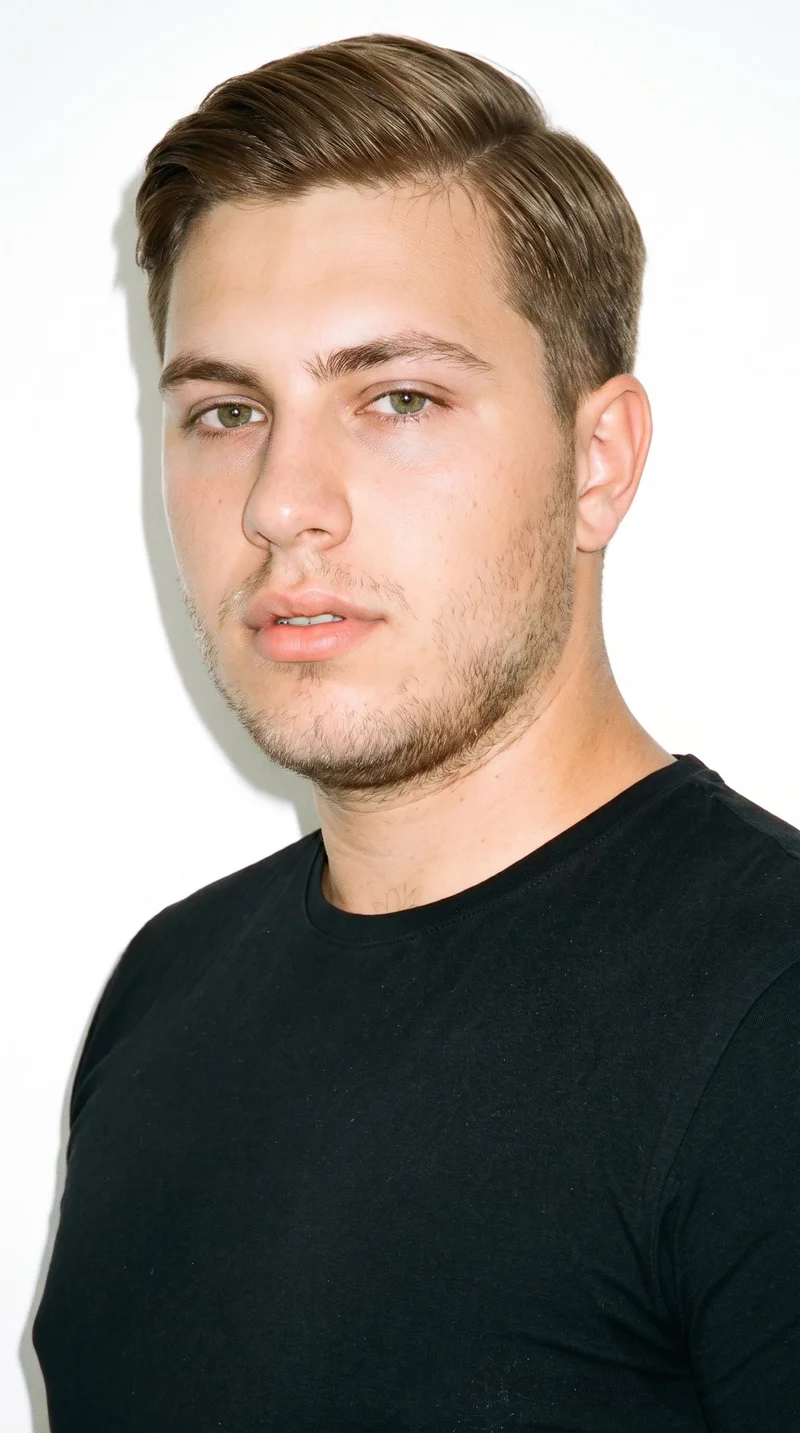
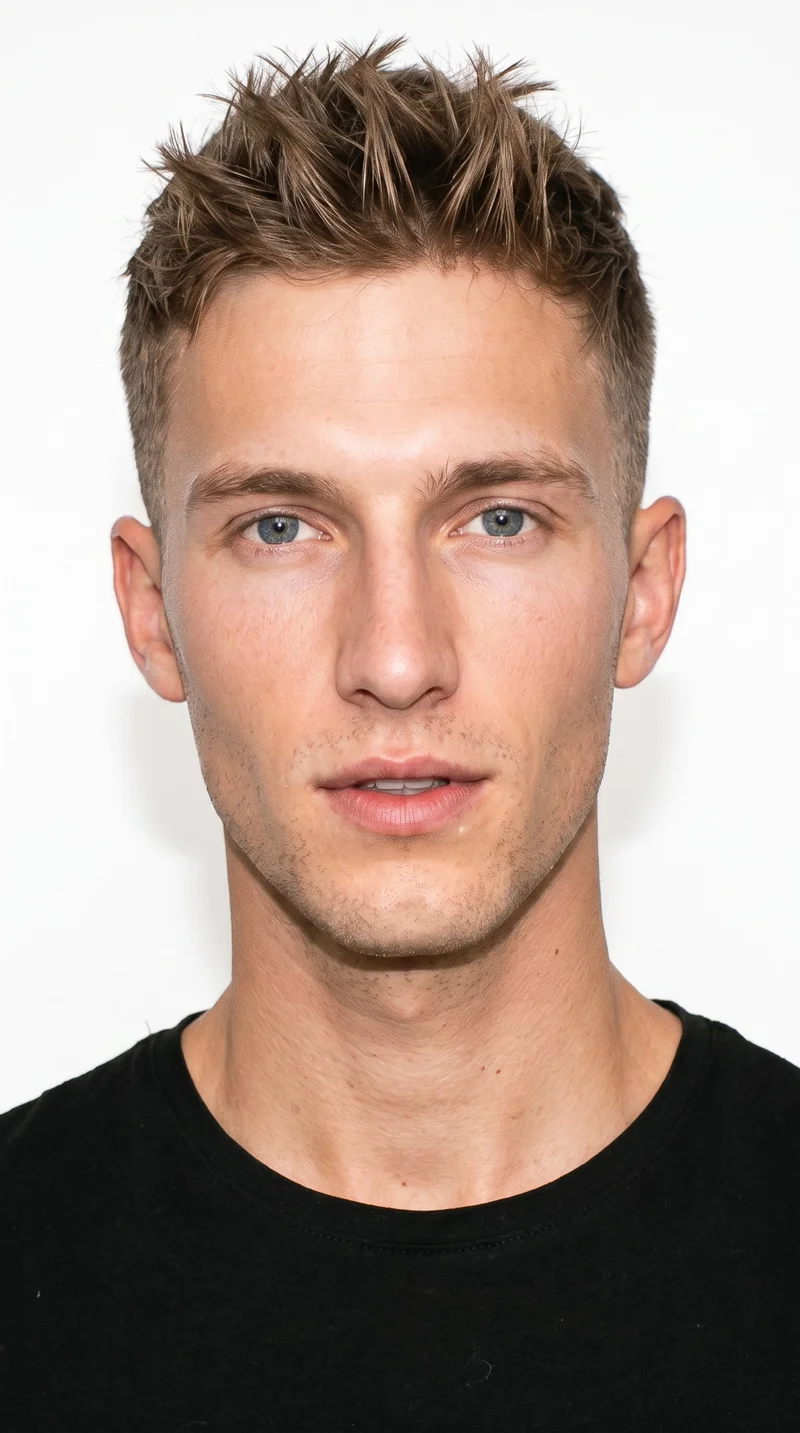
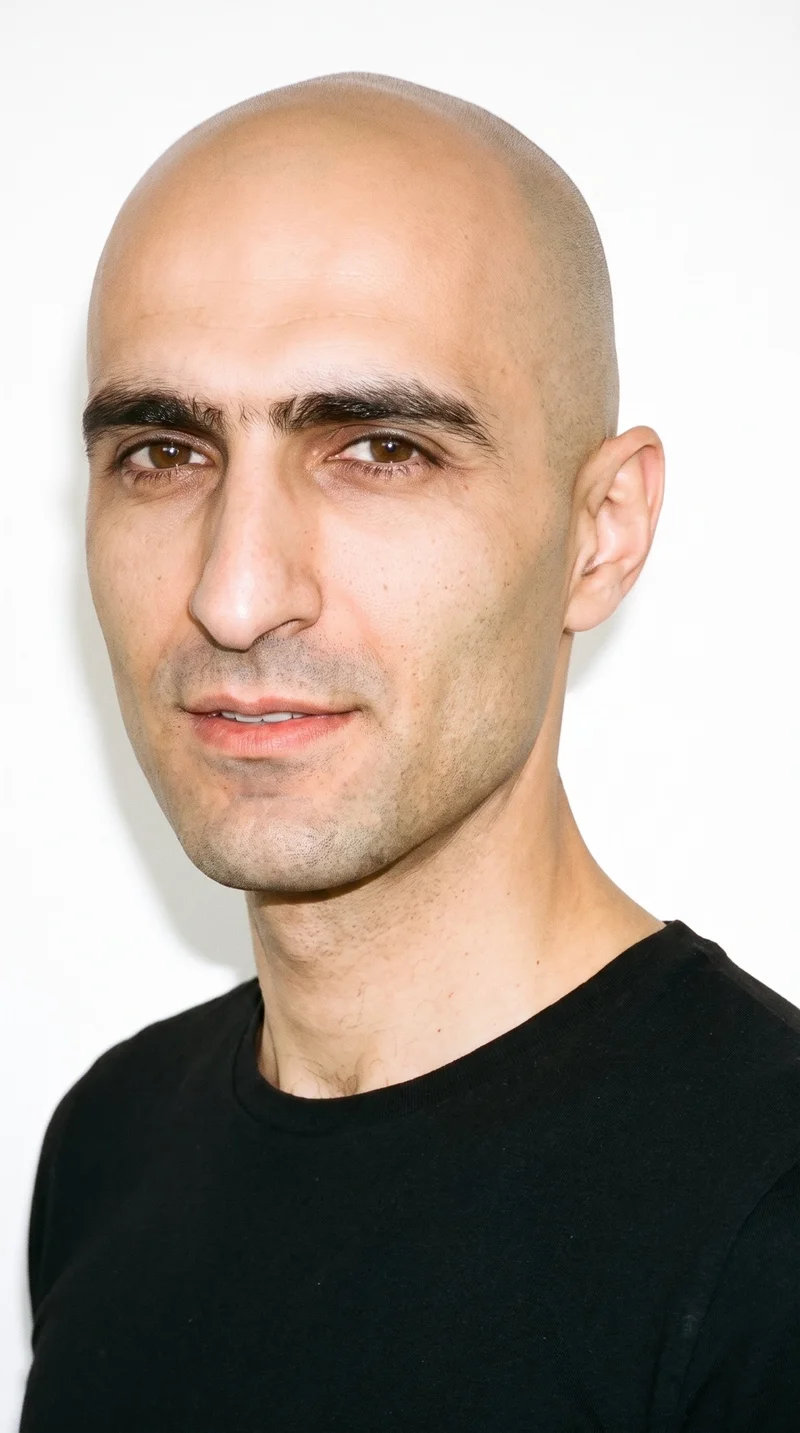
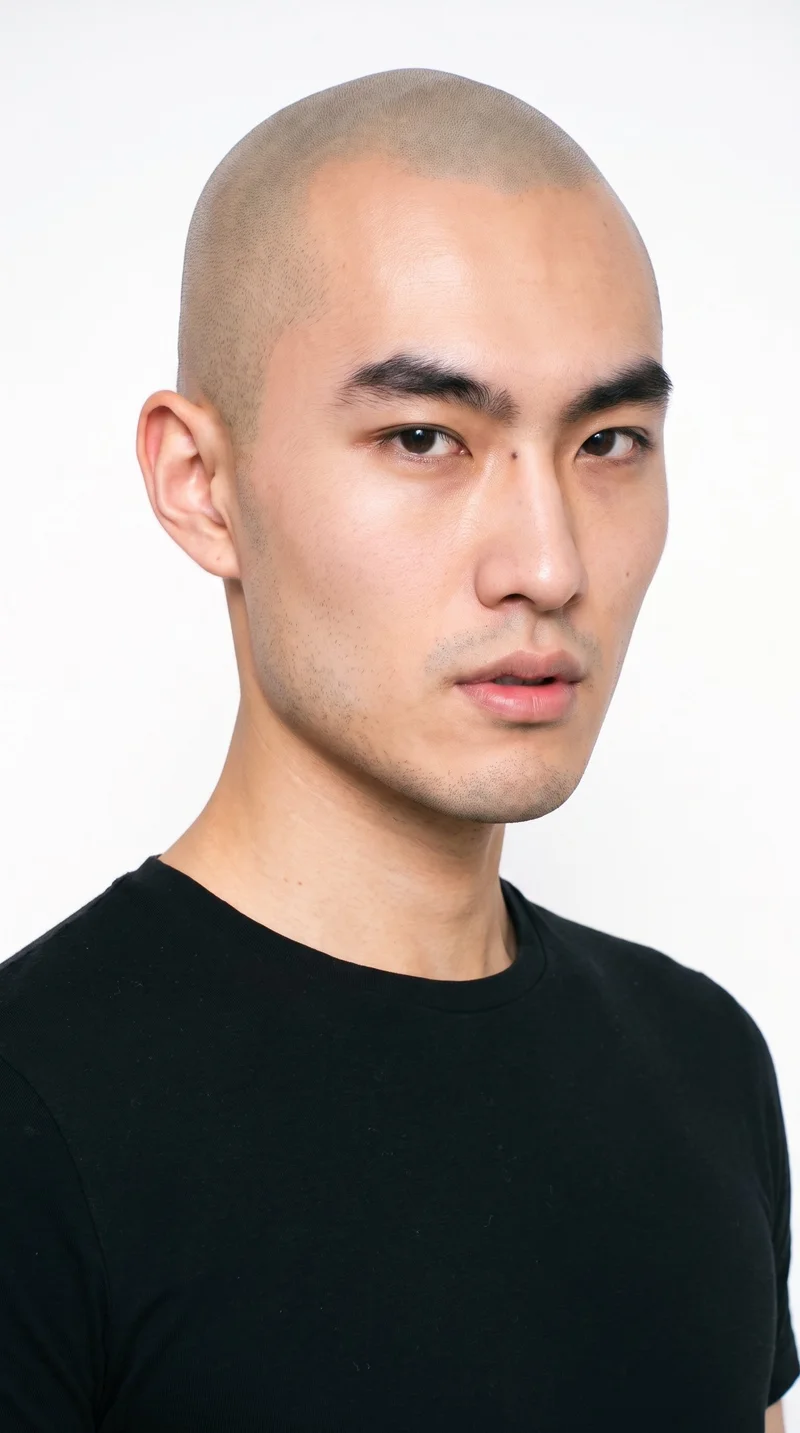
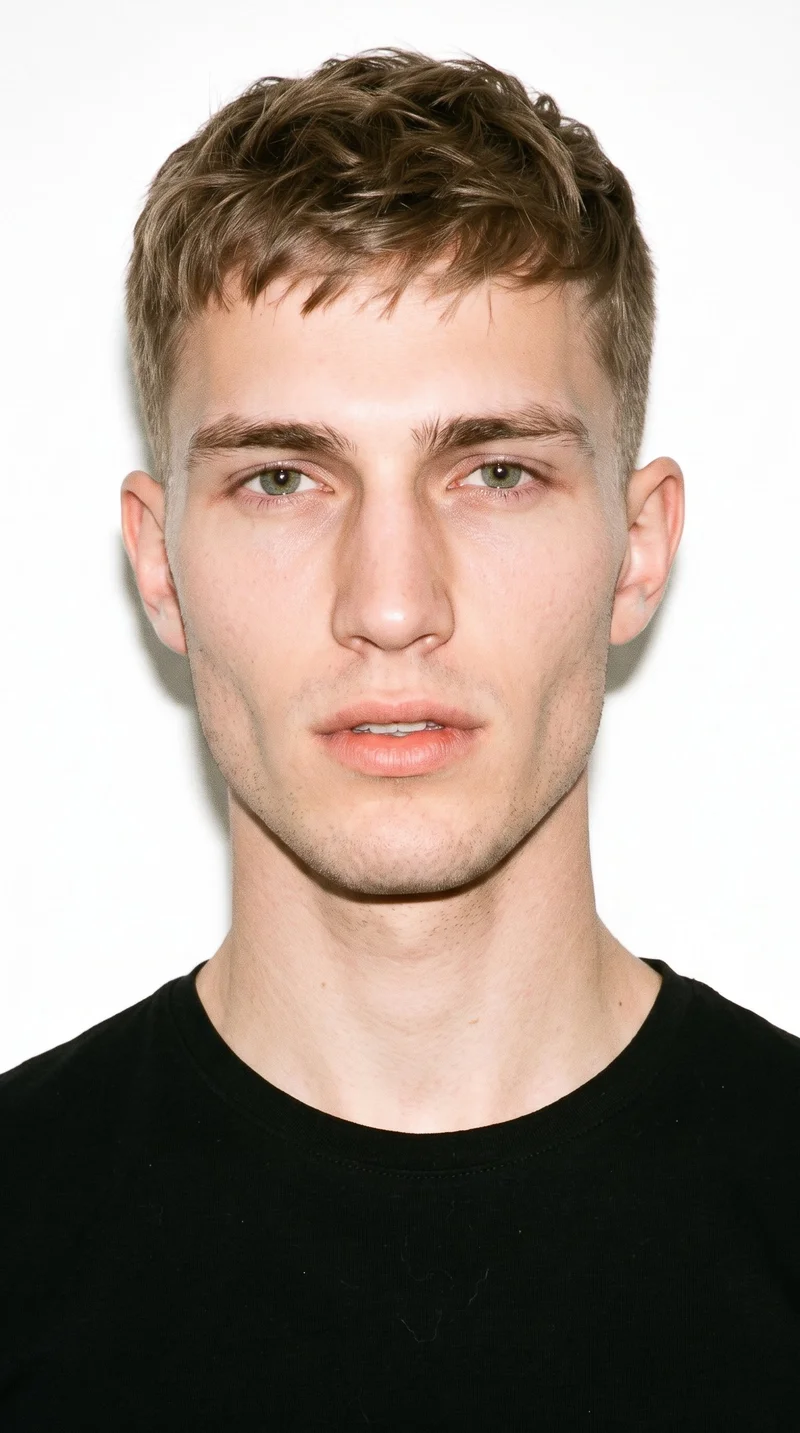
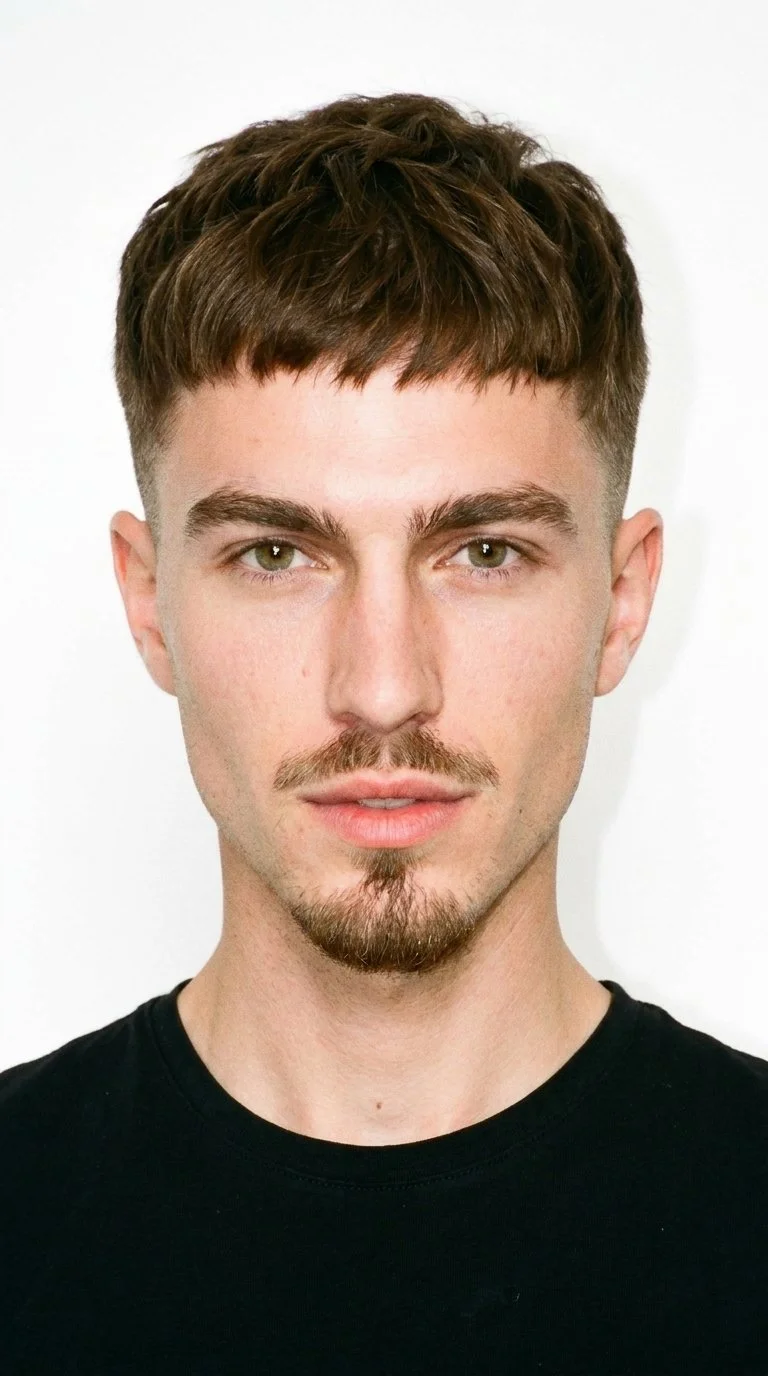
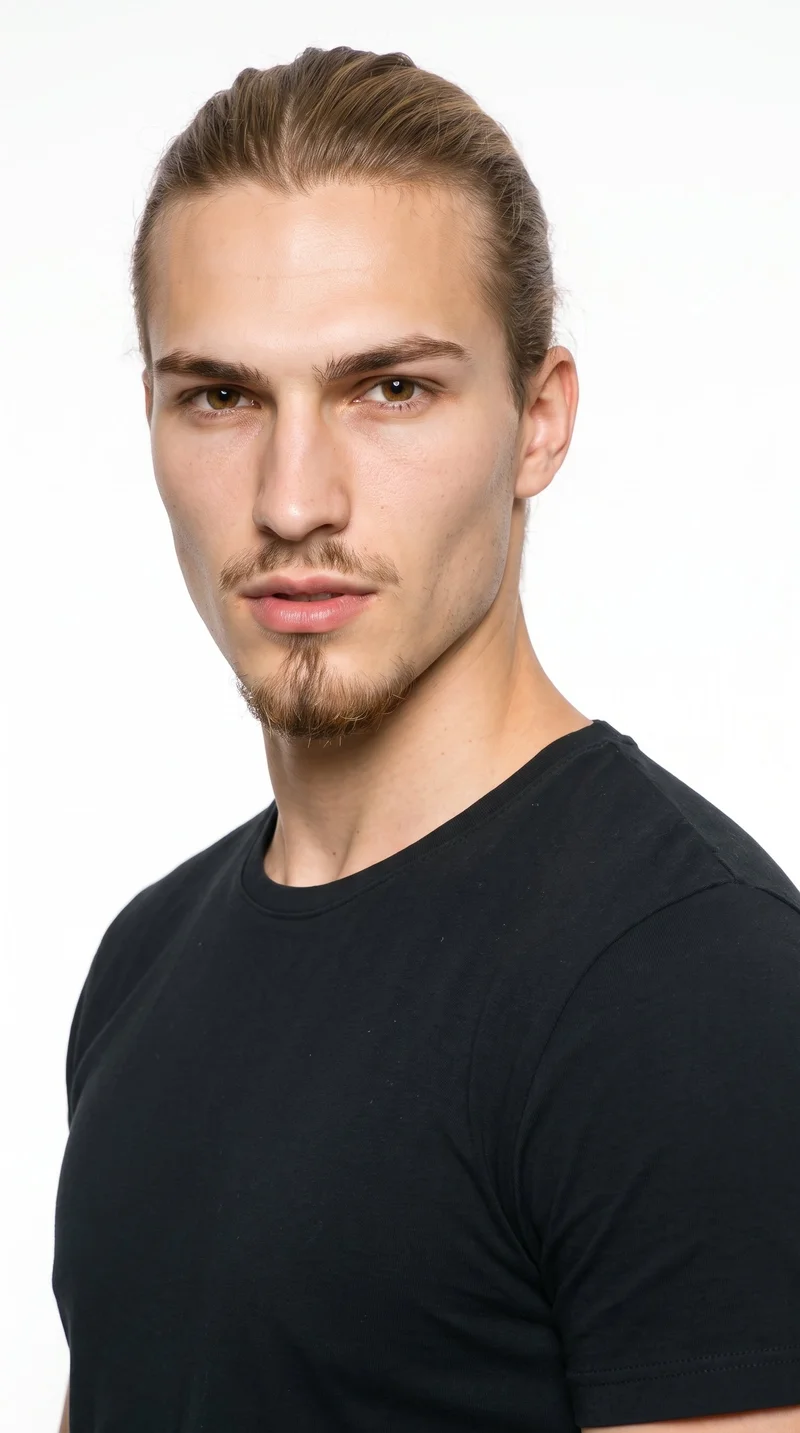
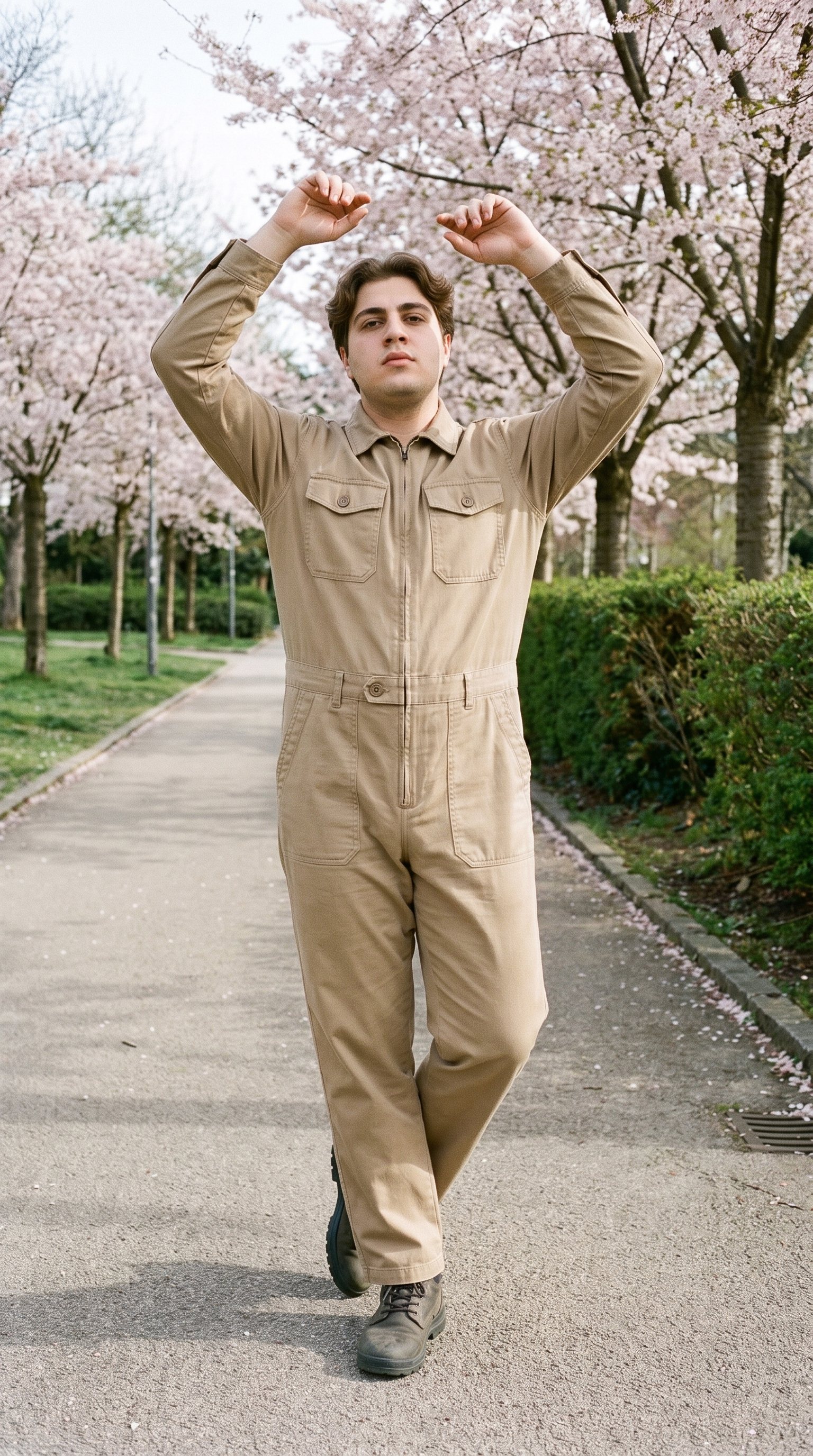
ai white hair male generator 1
Studio catalog portrait
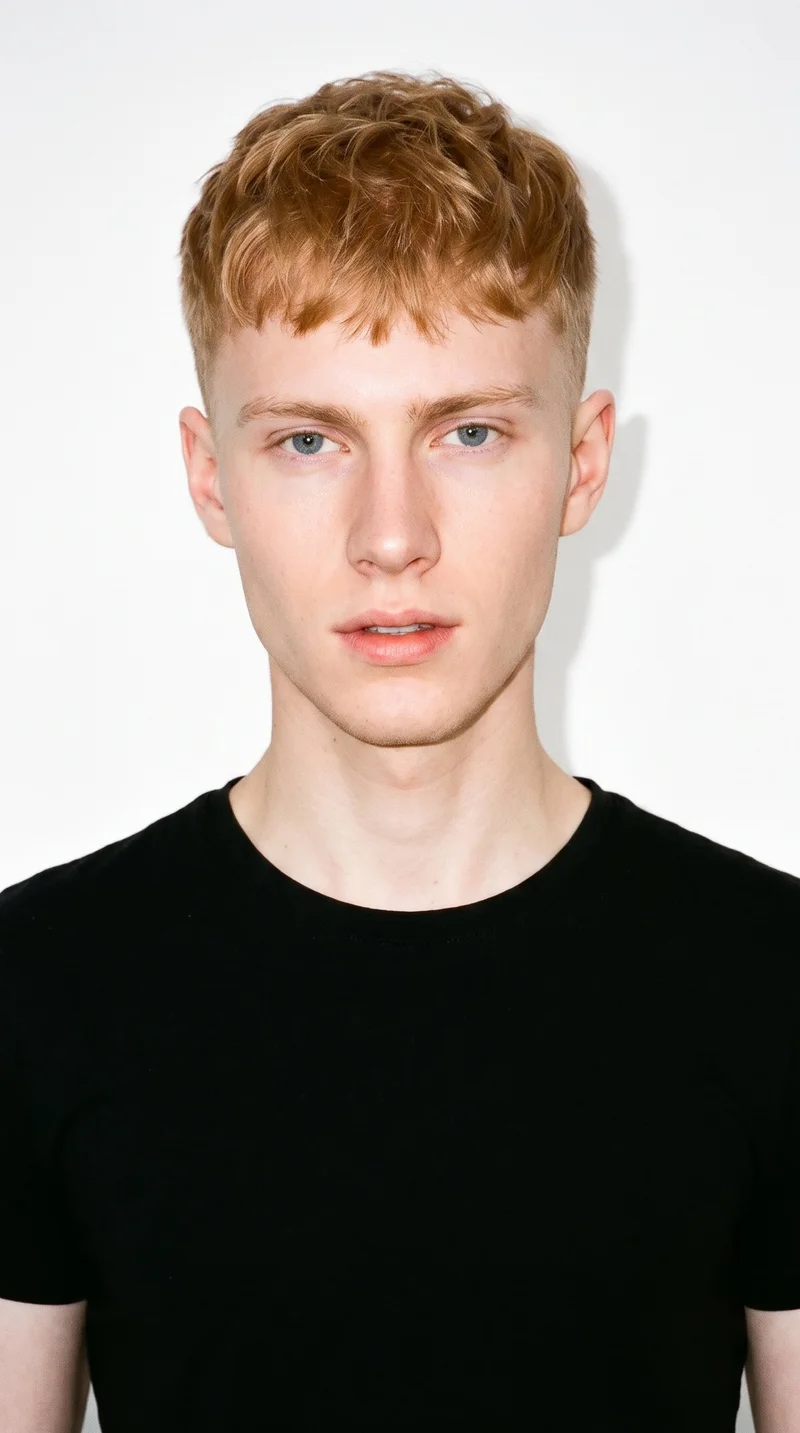
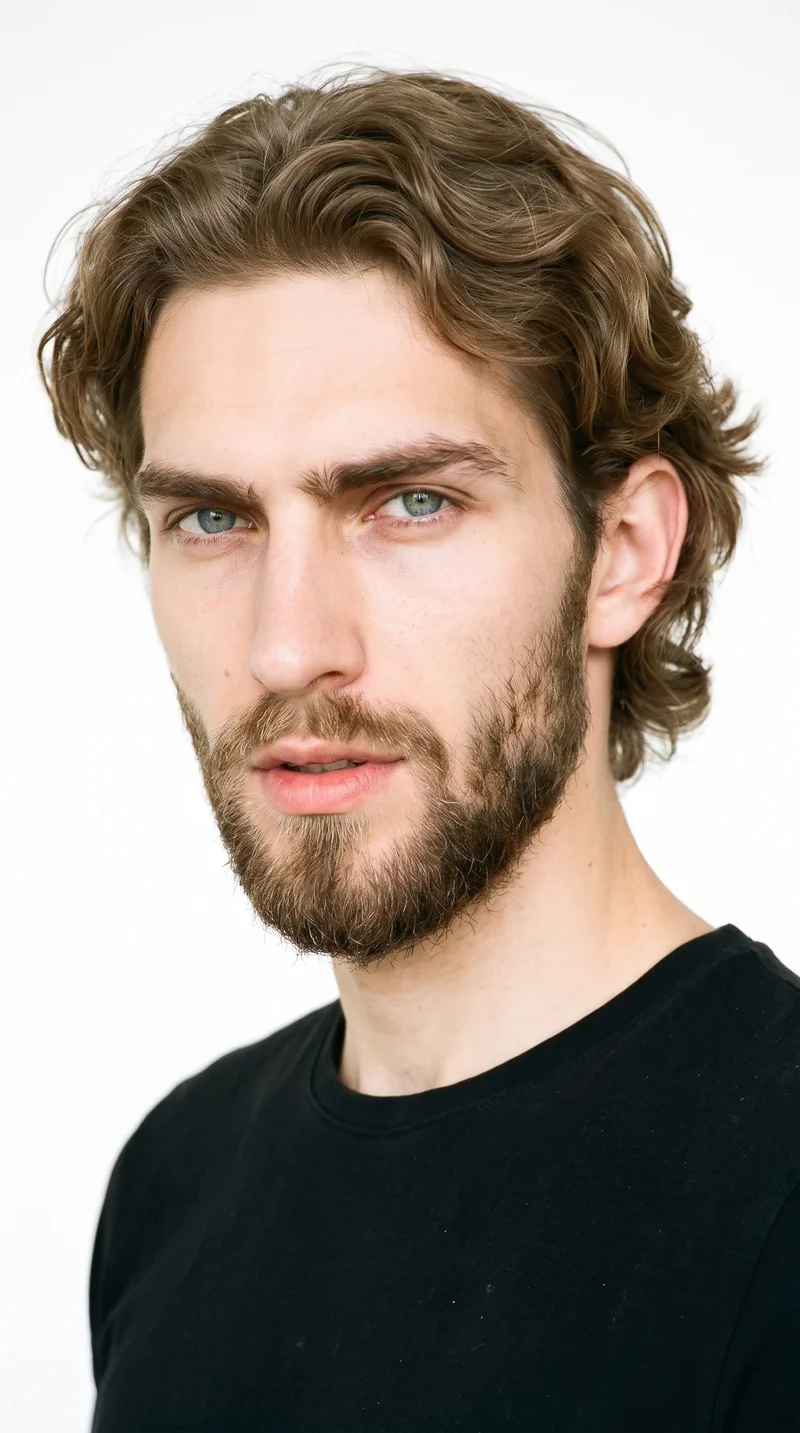
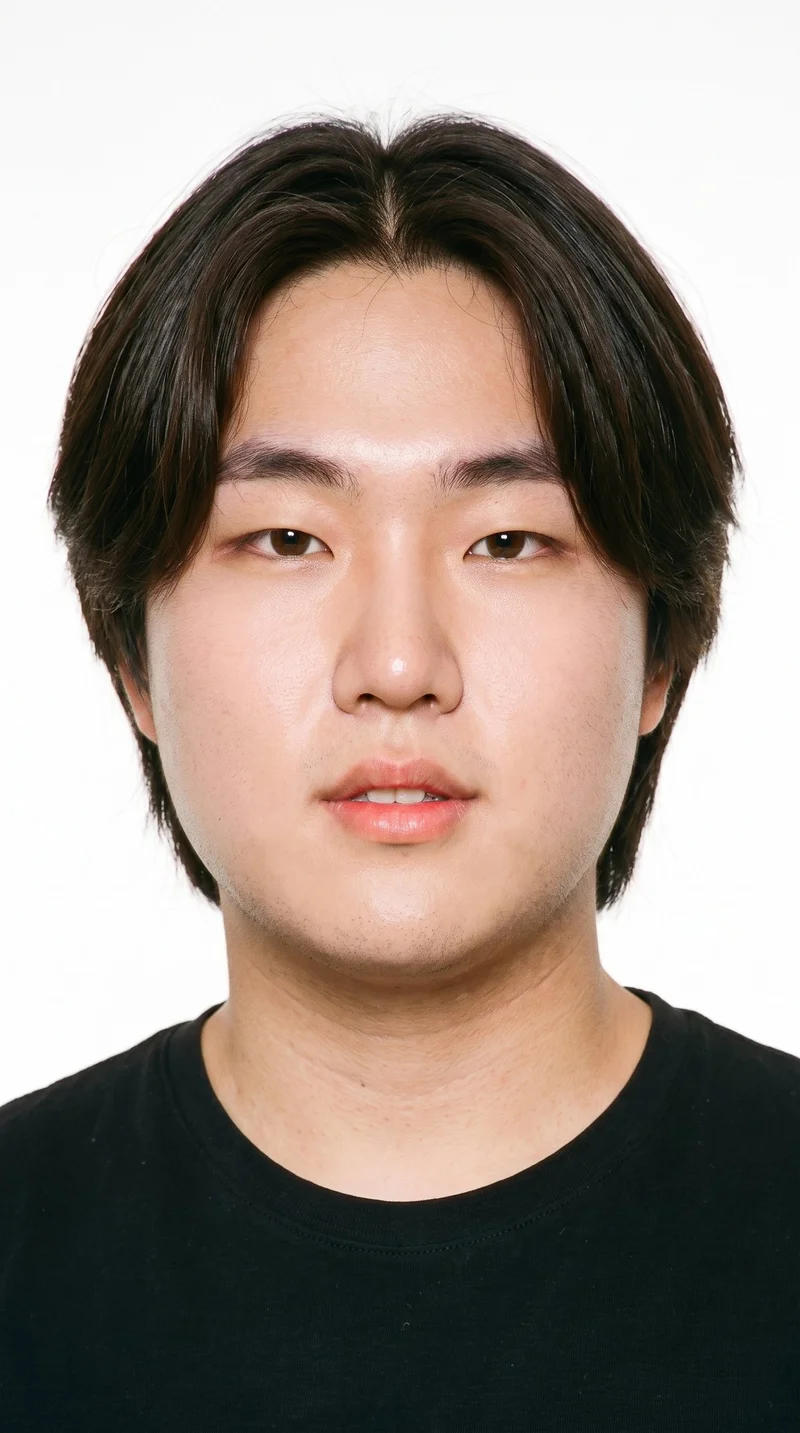
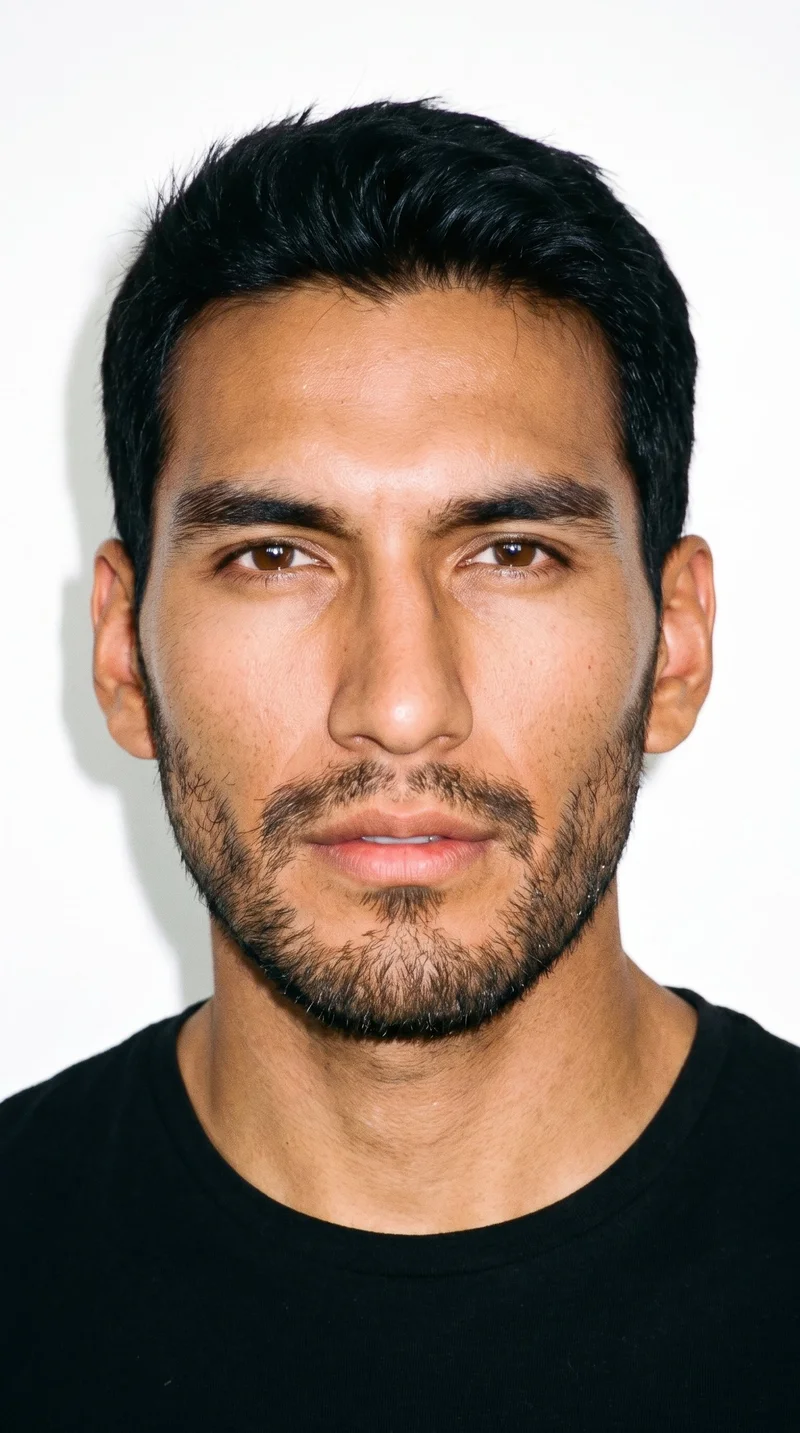
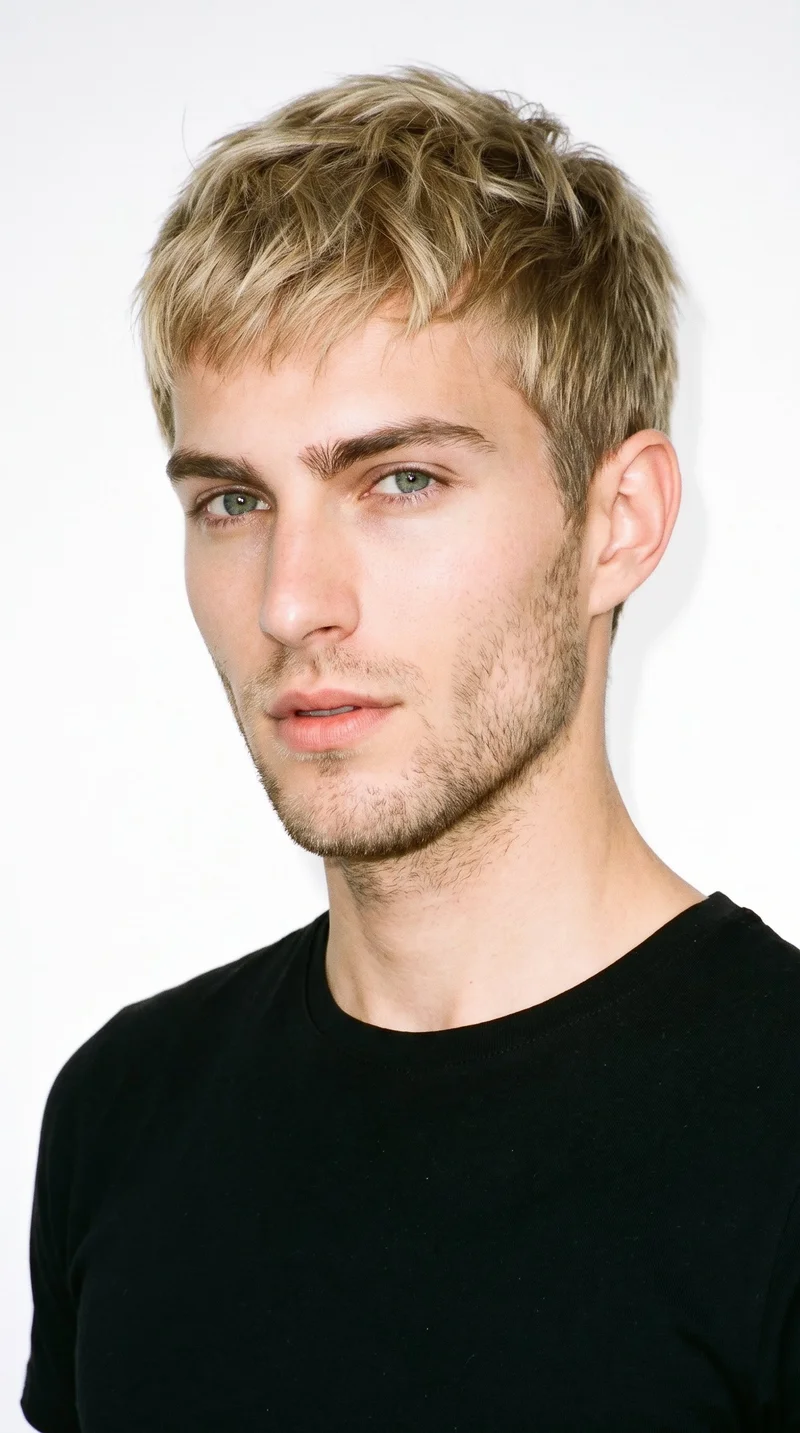
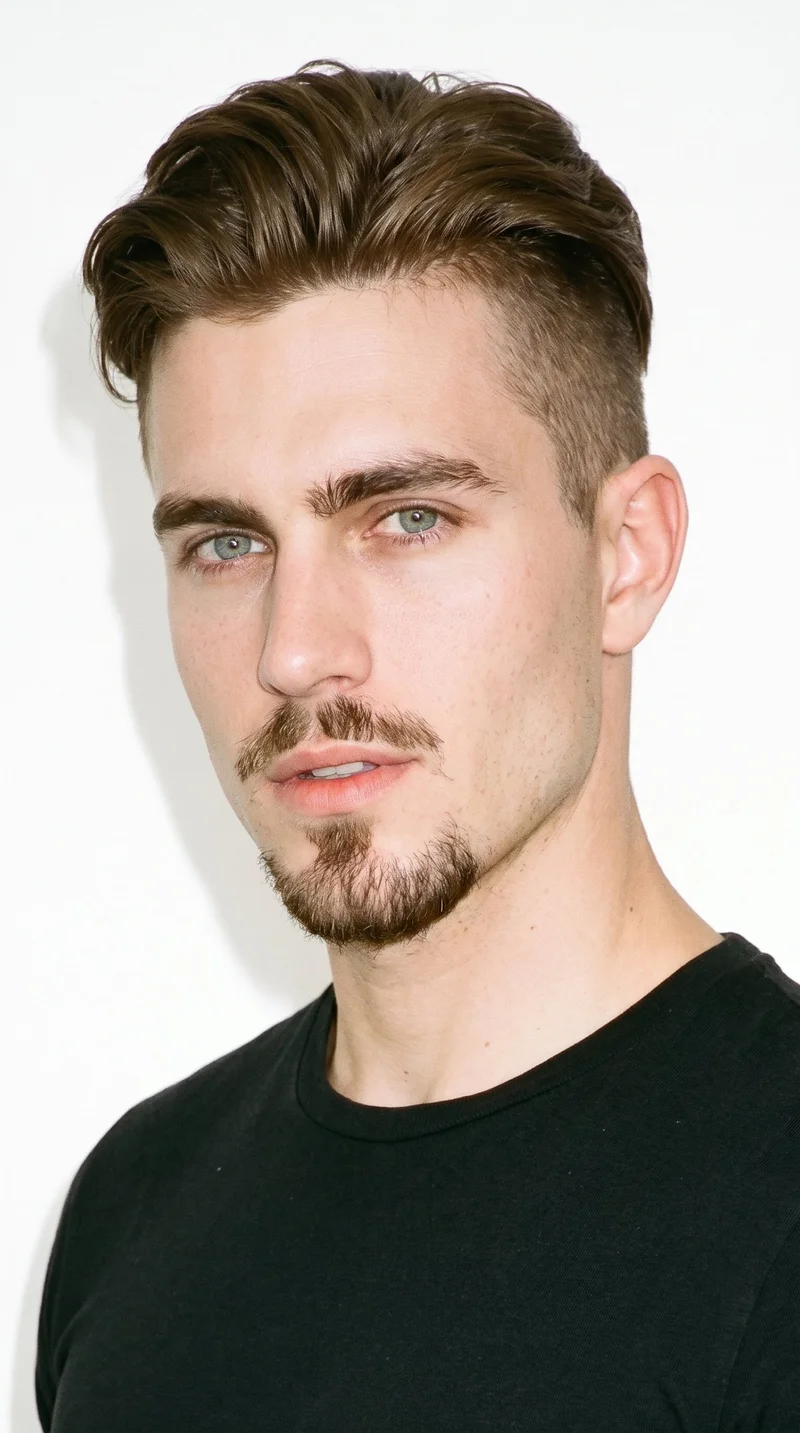
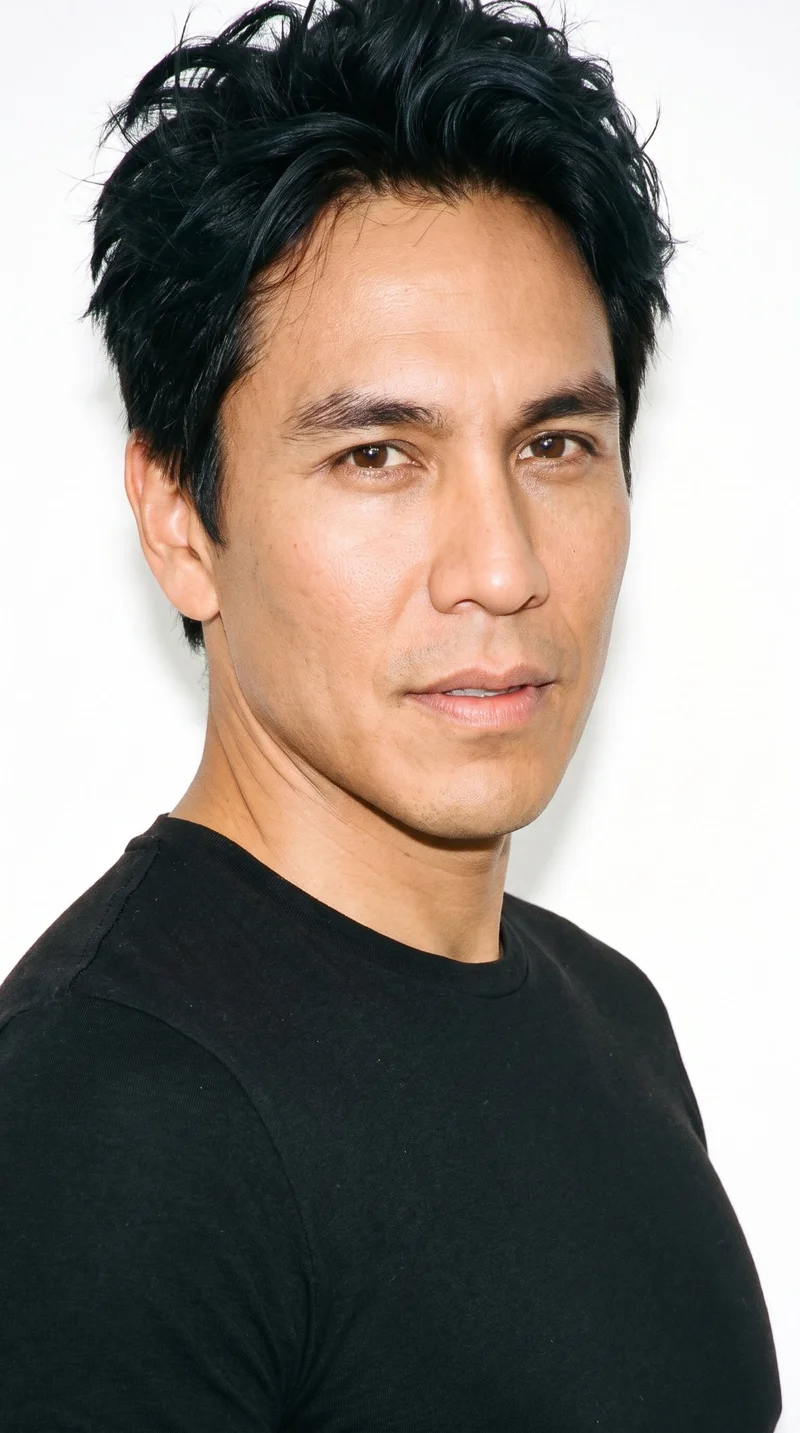
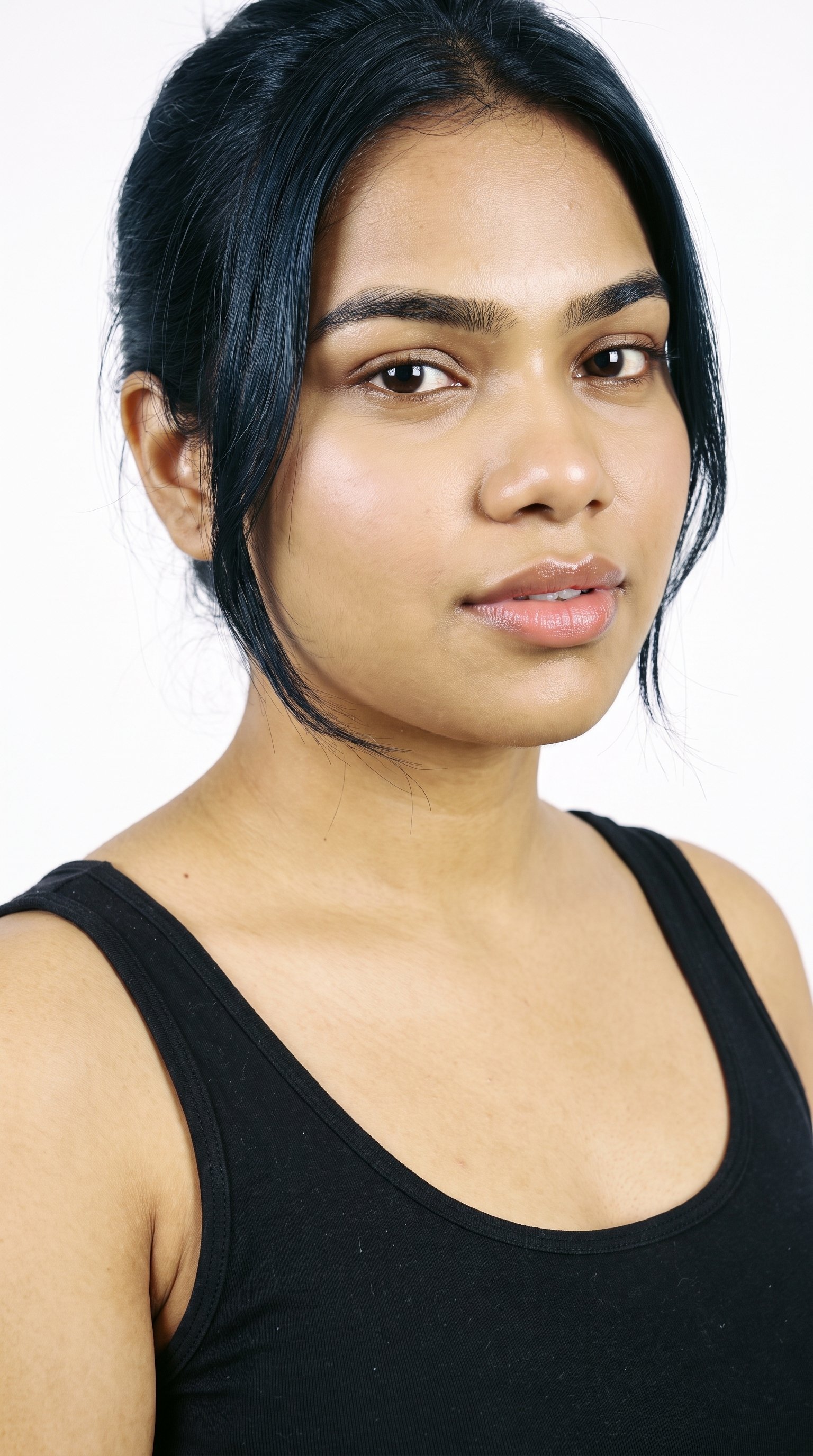
ai white hair male generator 2
Editorial outerwear crop
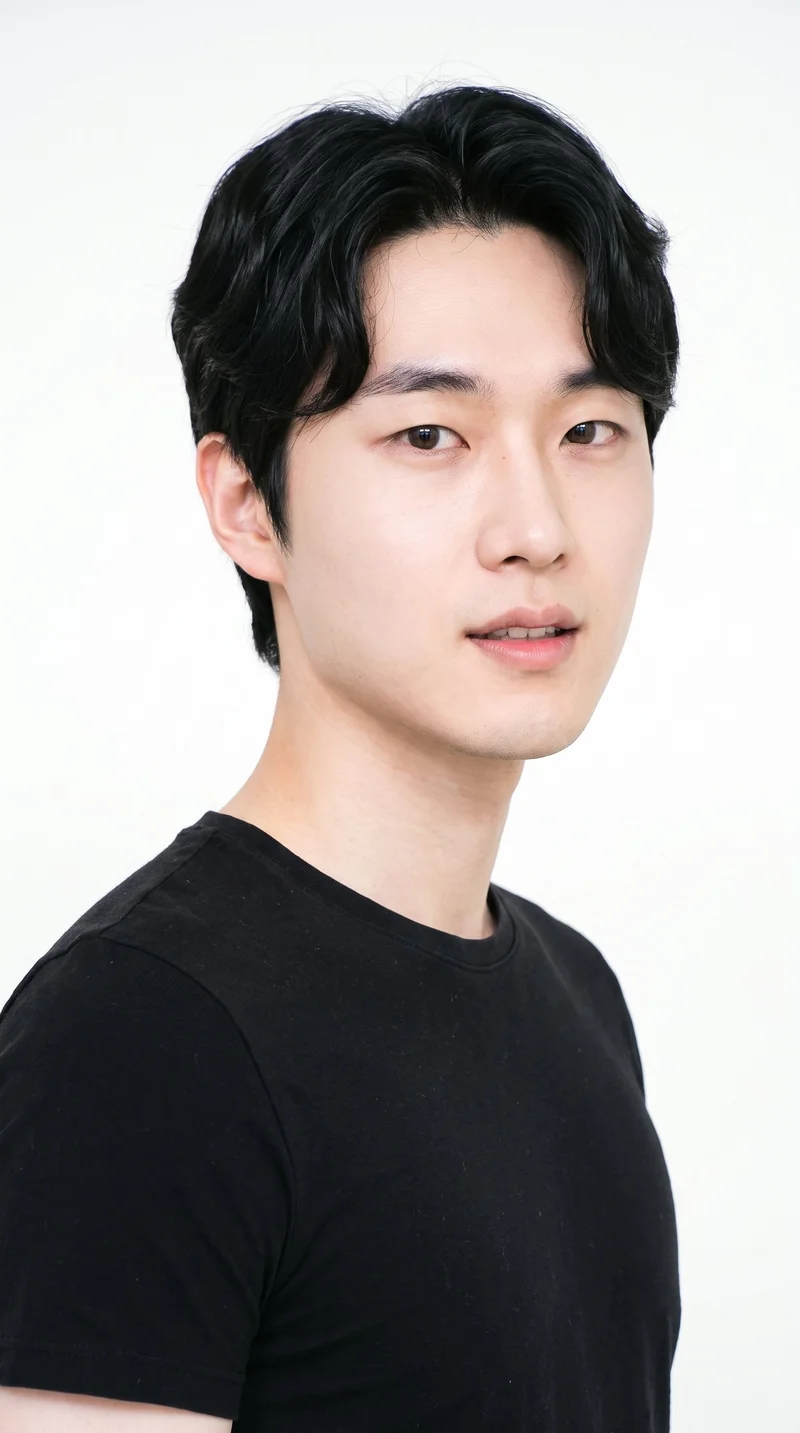
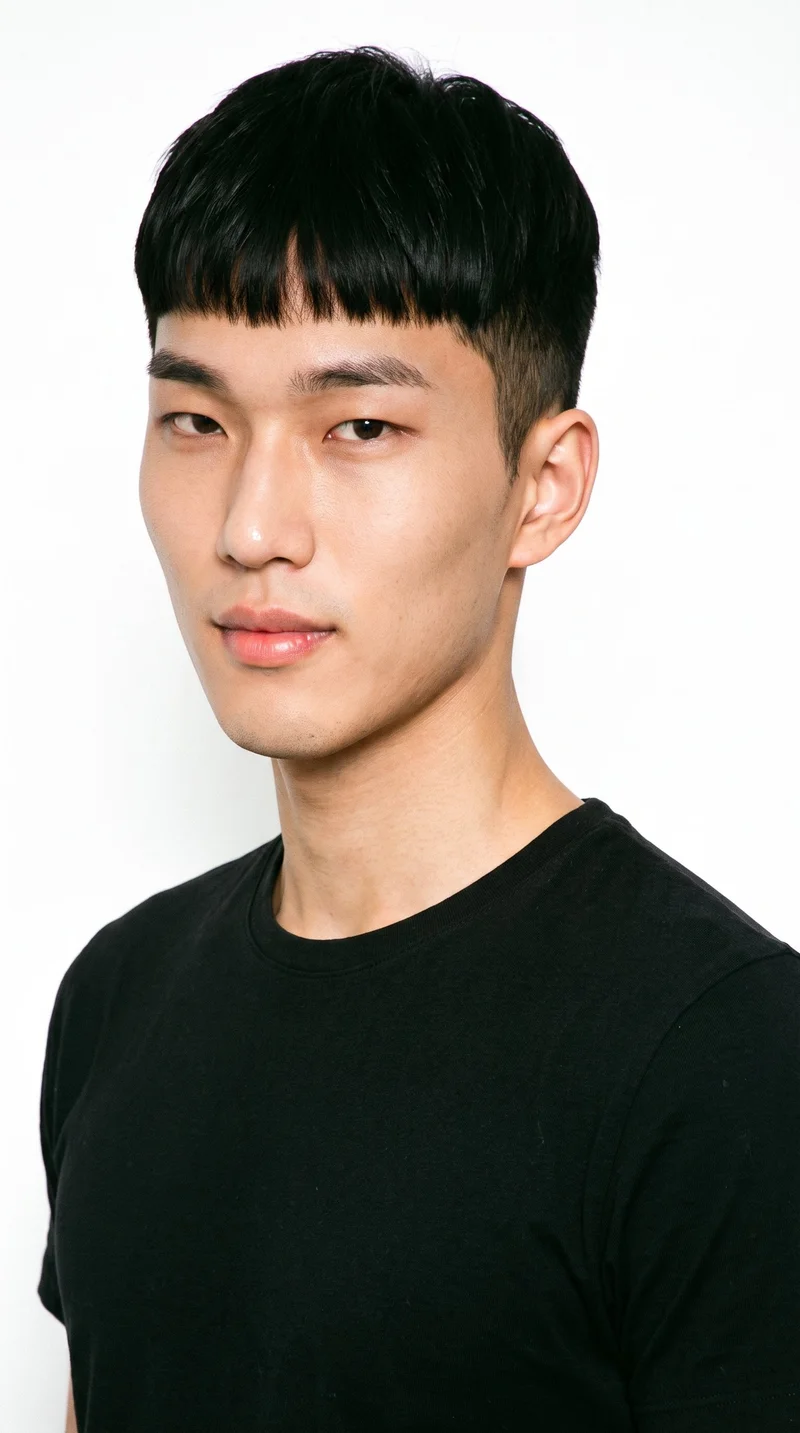
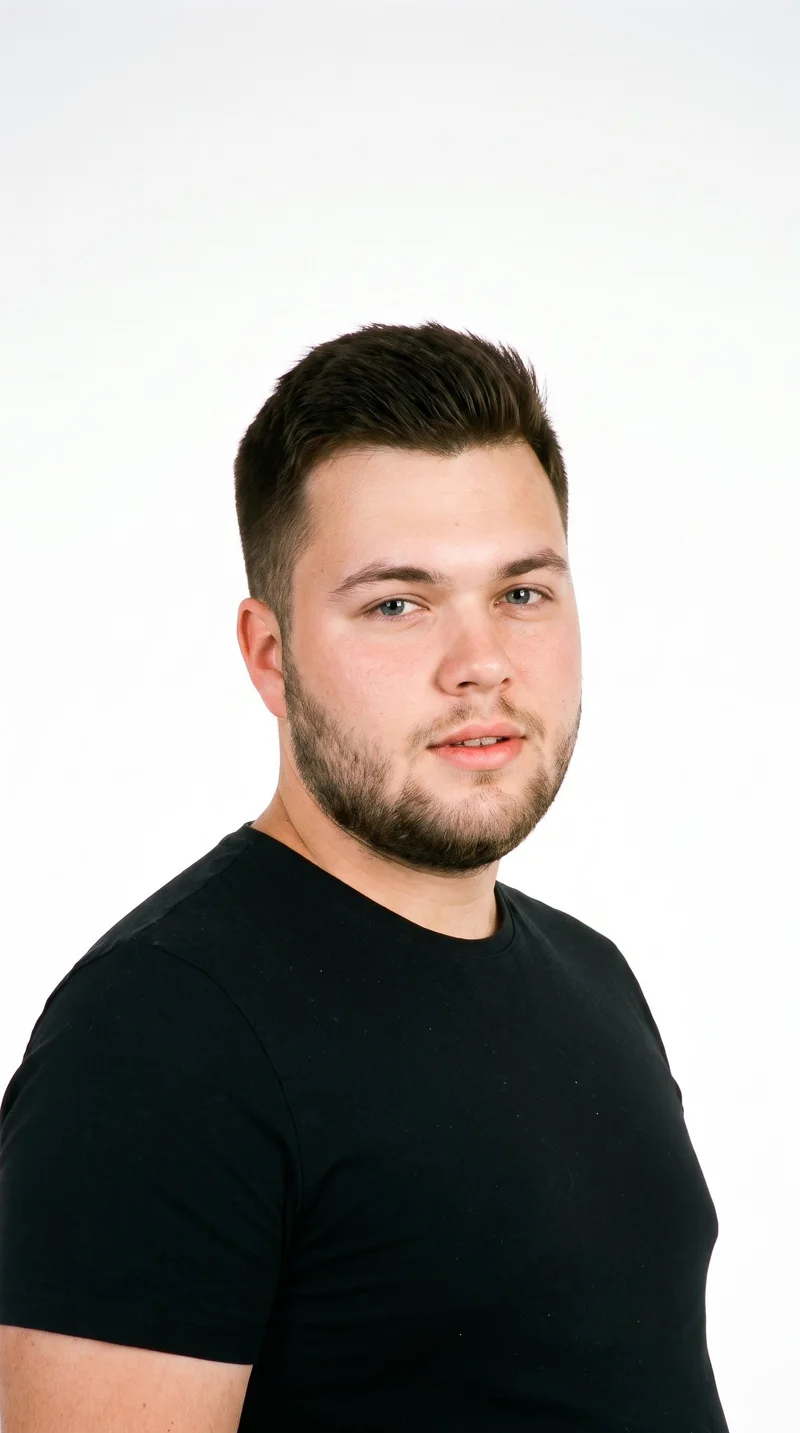
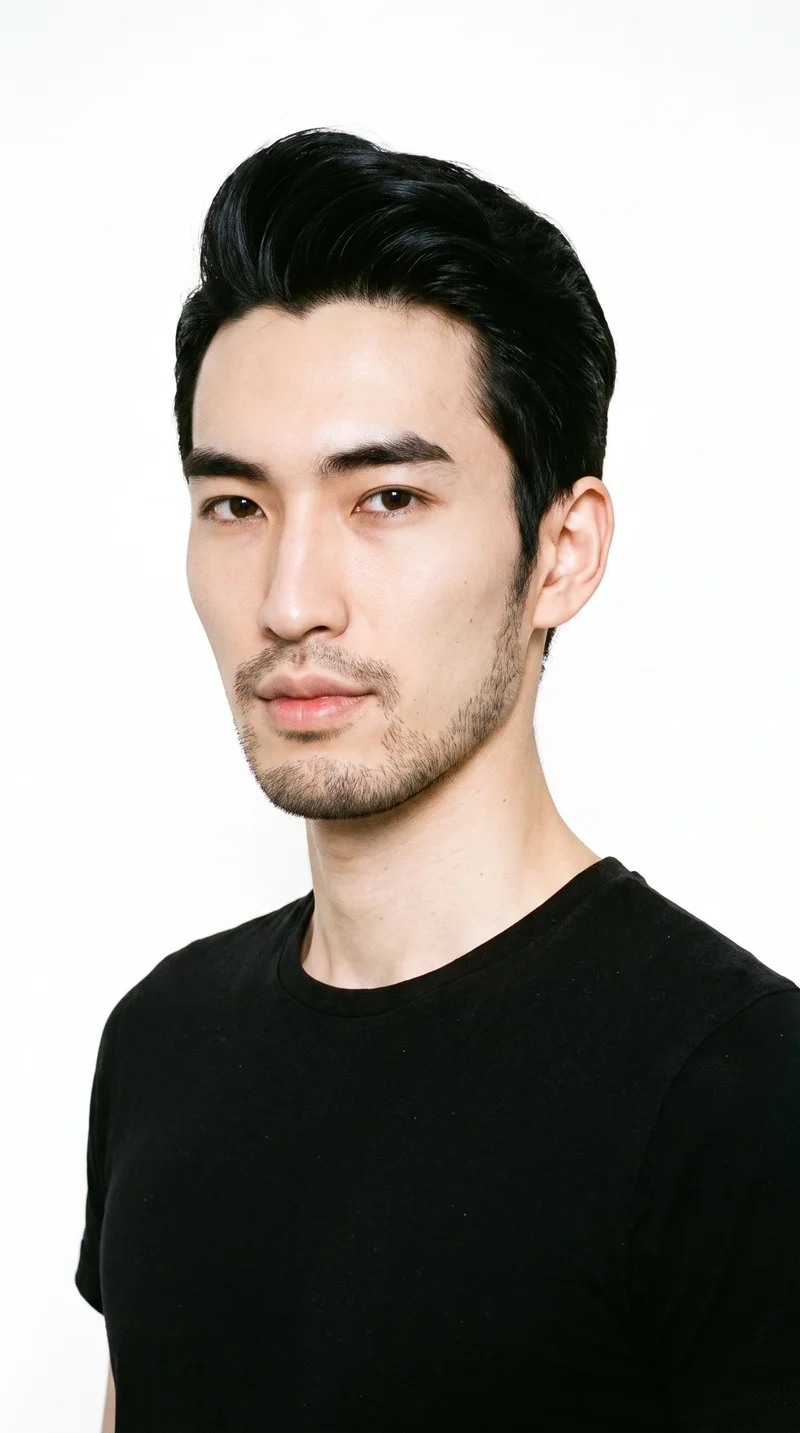
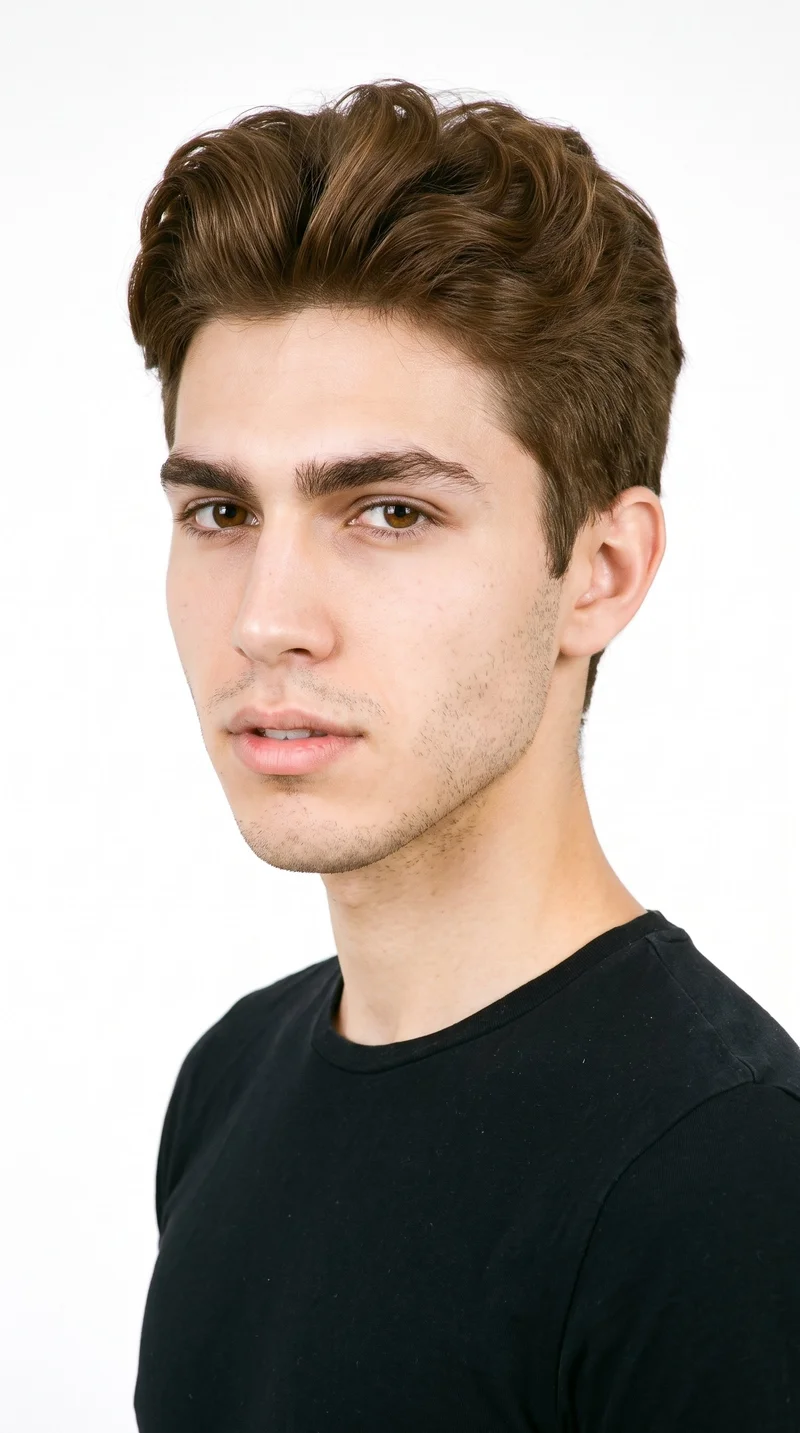
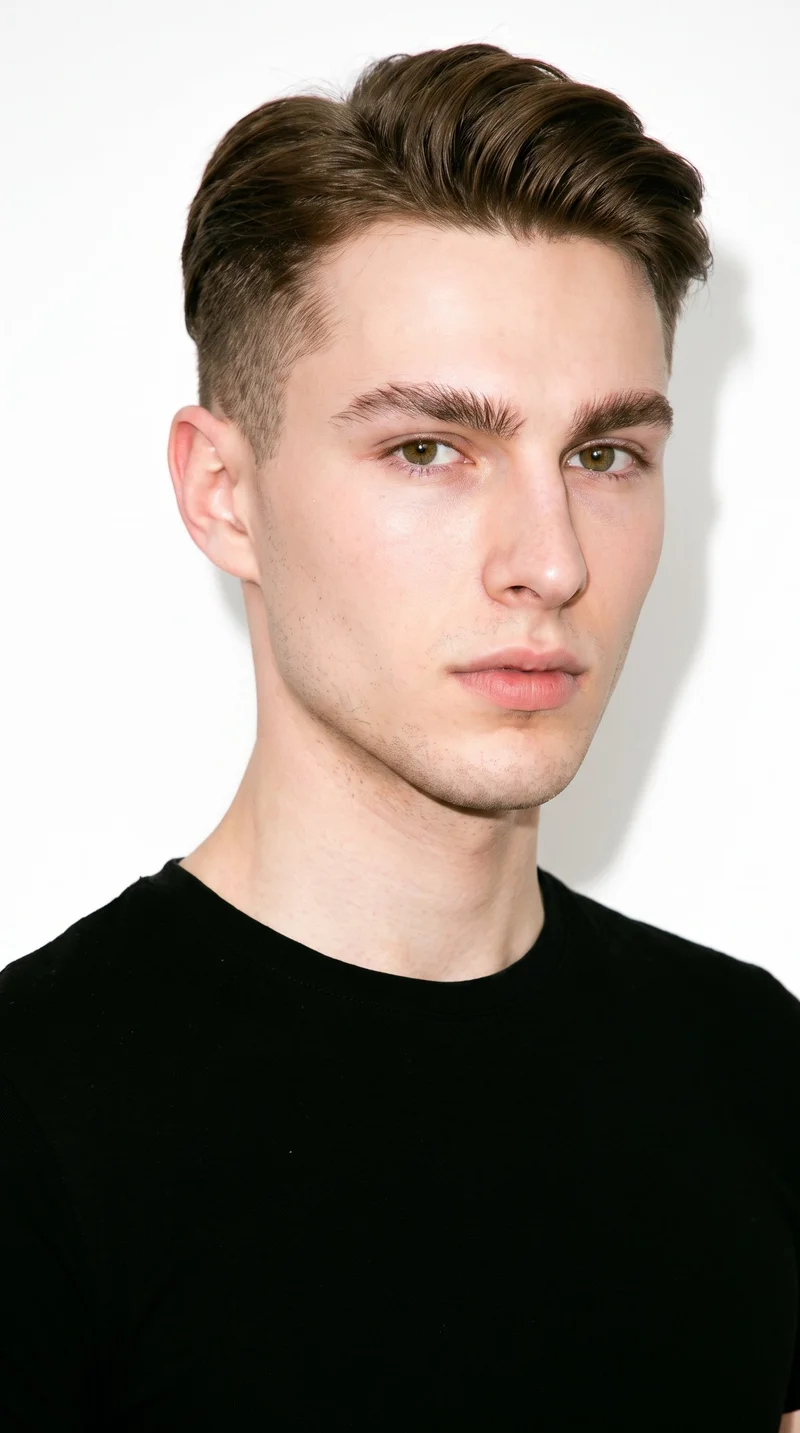
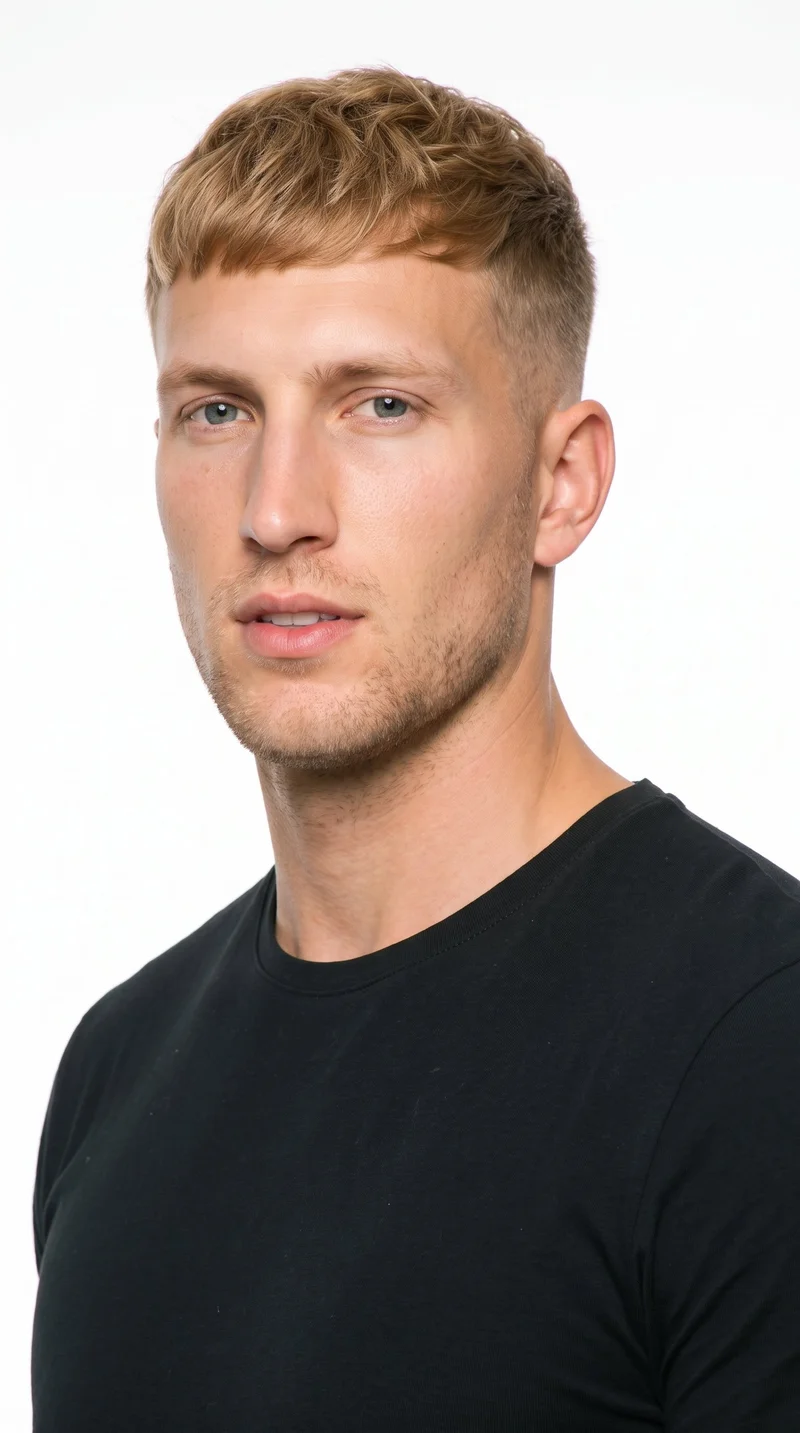
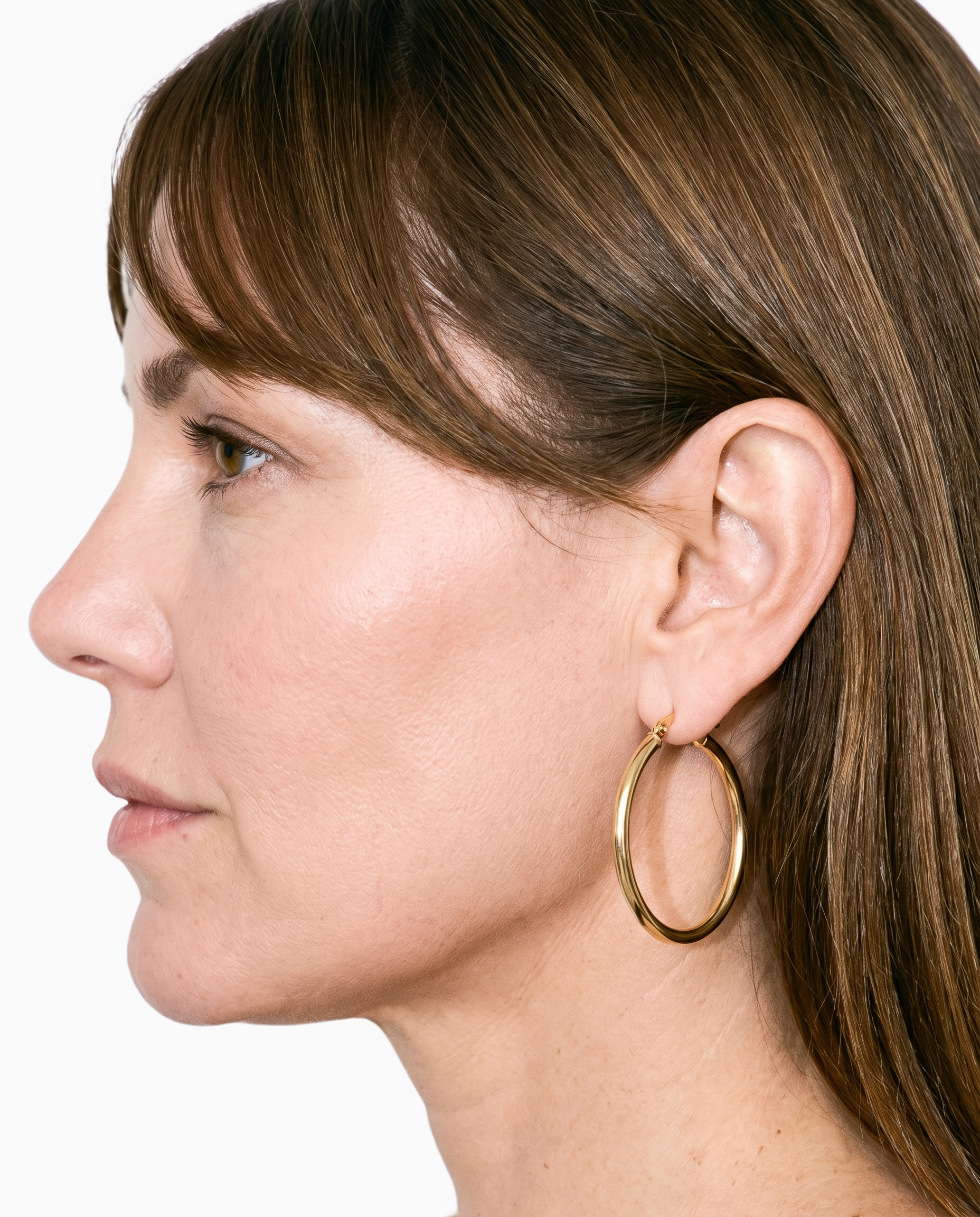
ai white hair male generator 3
Marketplace-ready half body
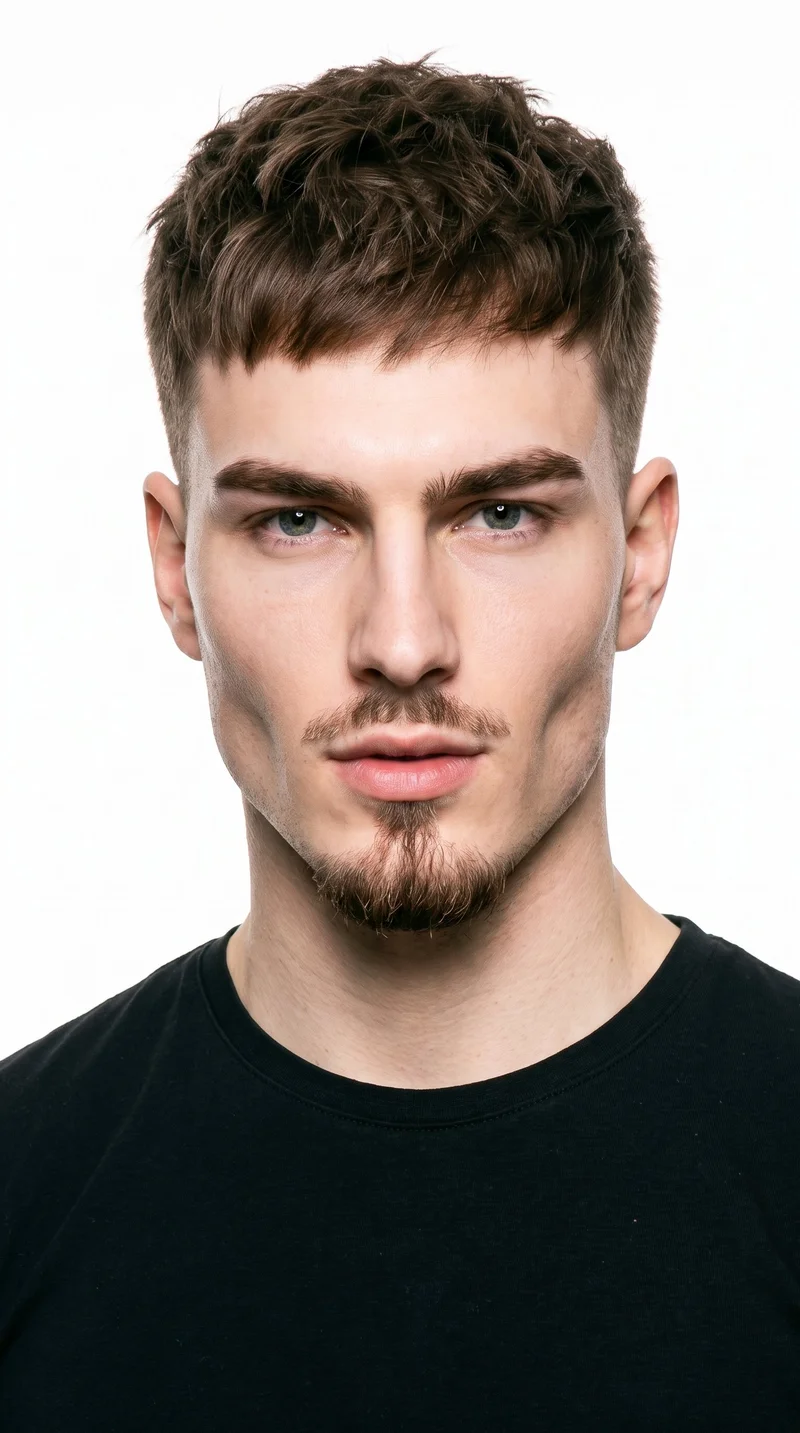
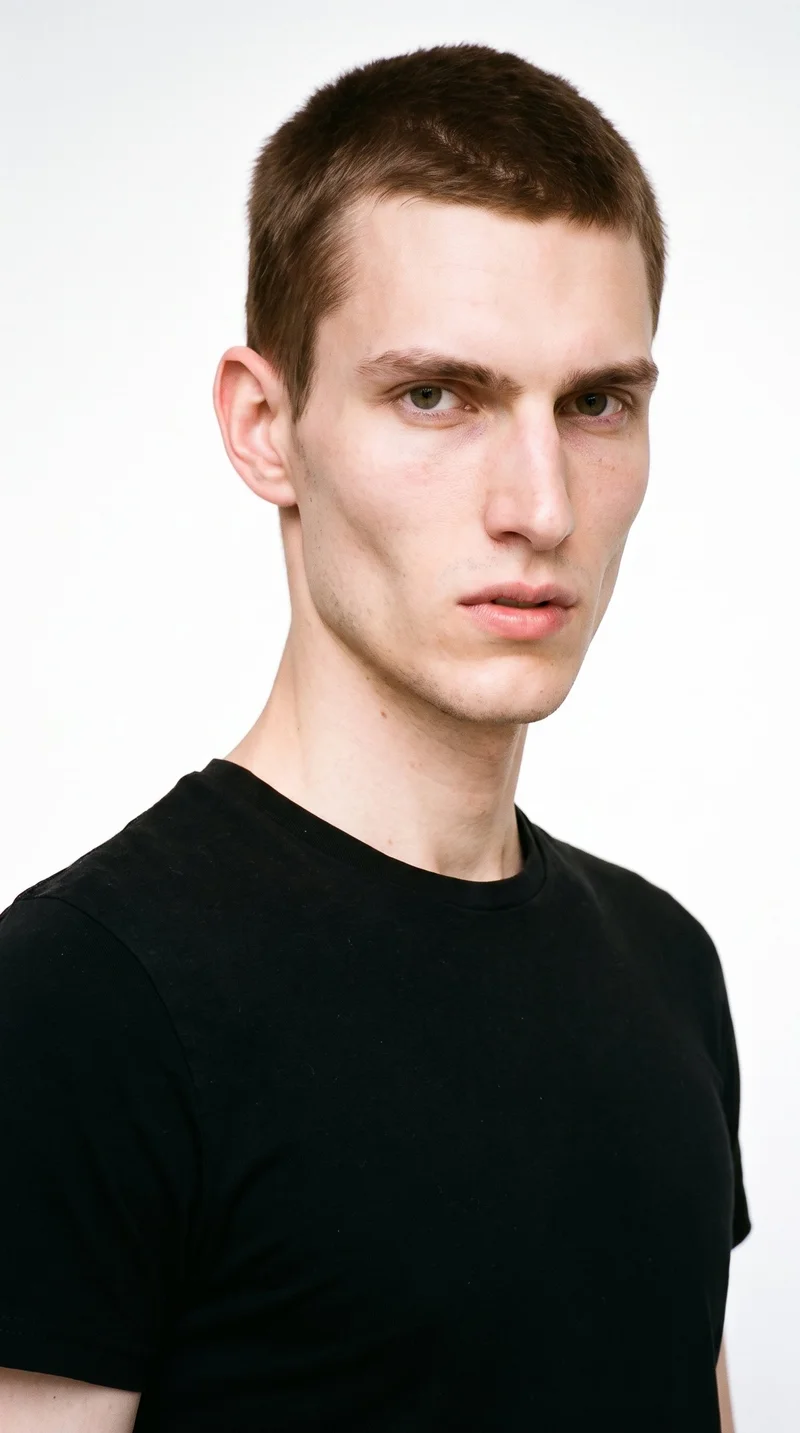
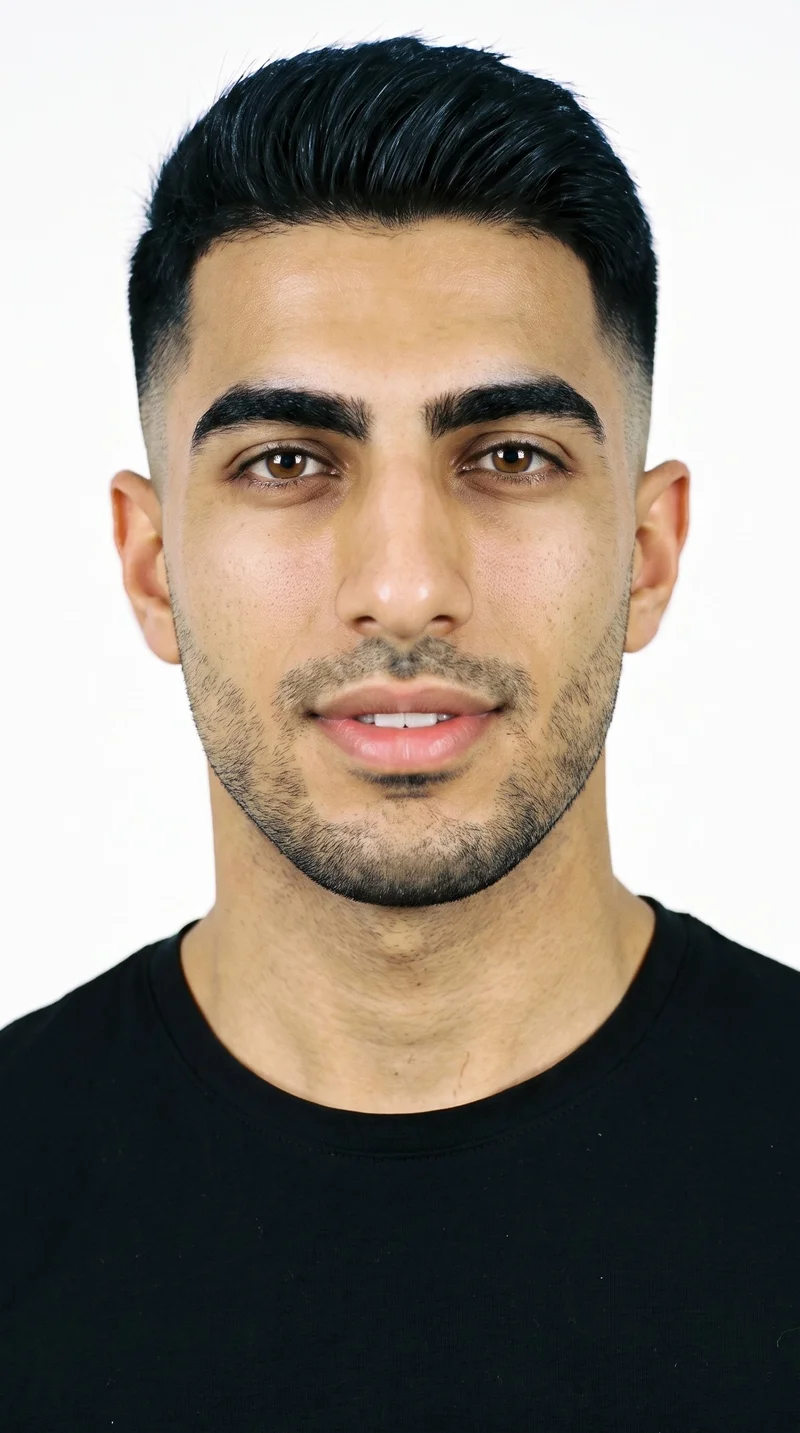
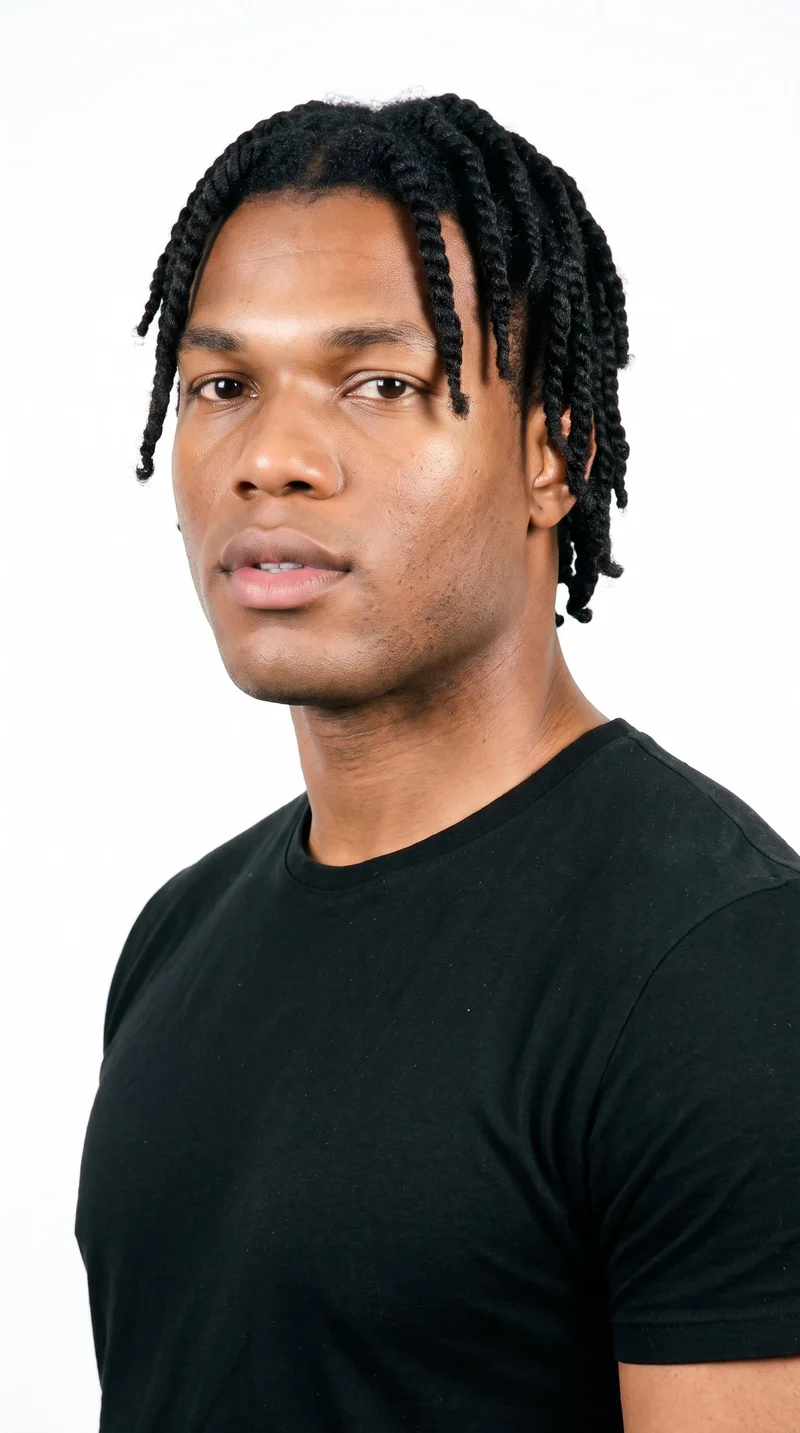
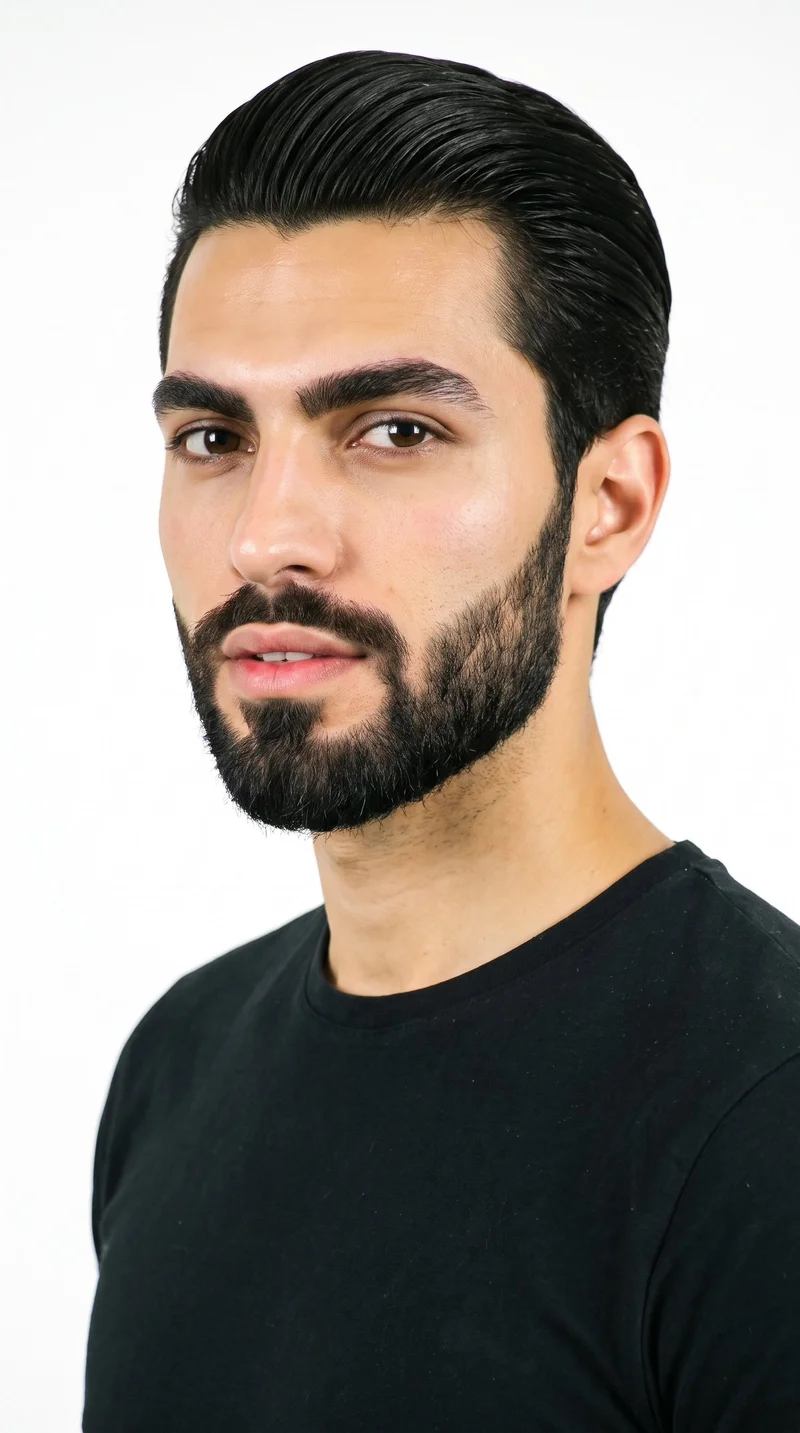
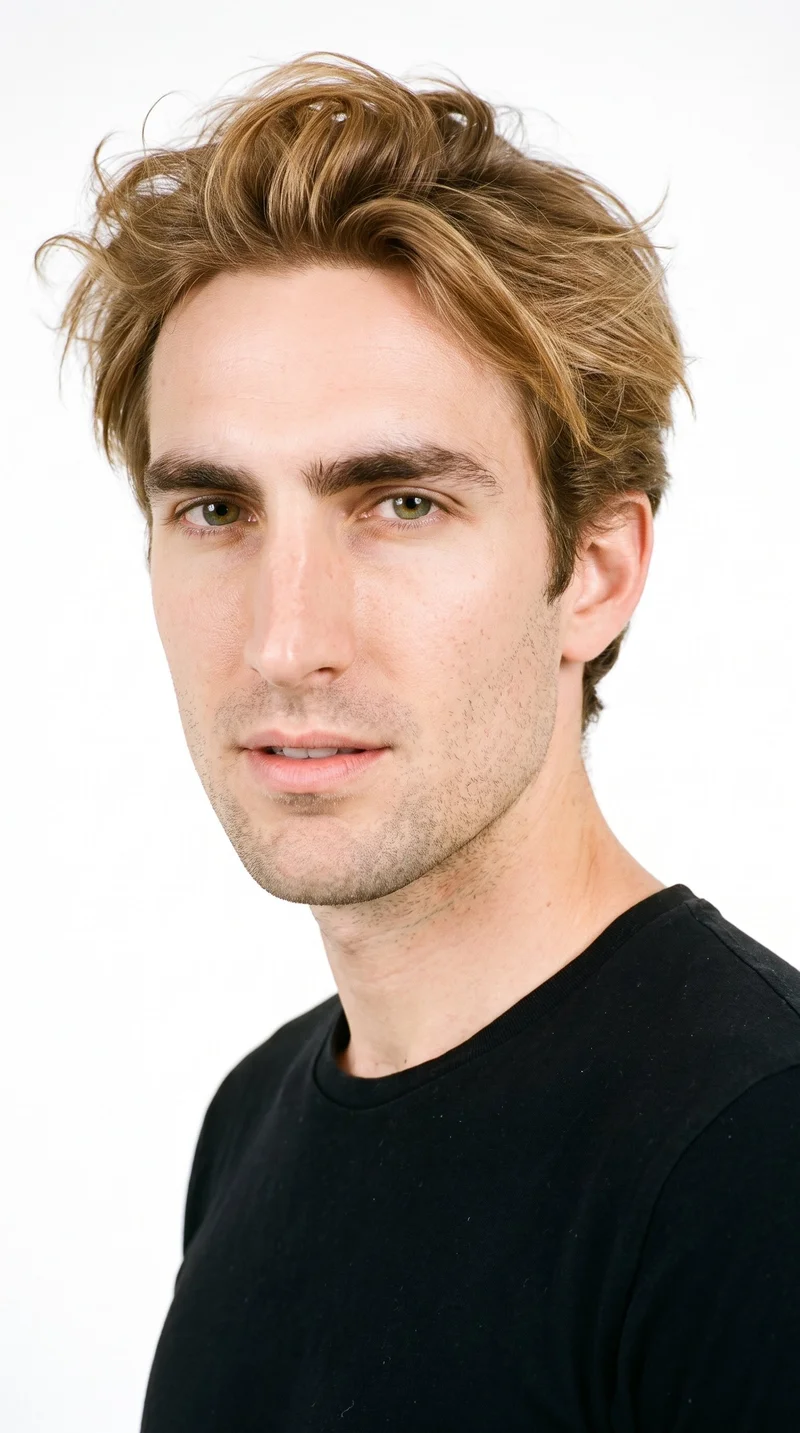
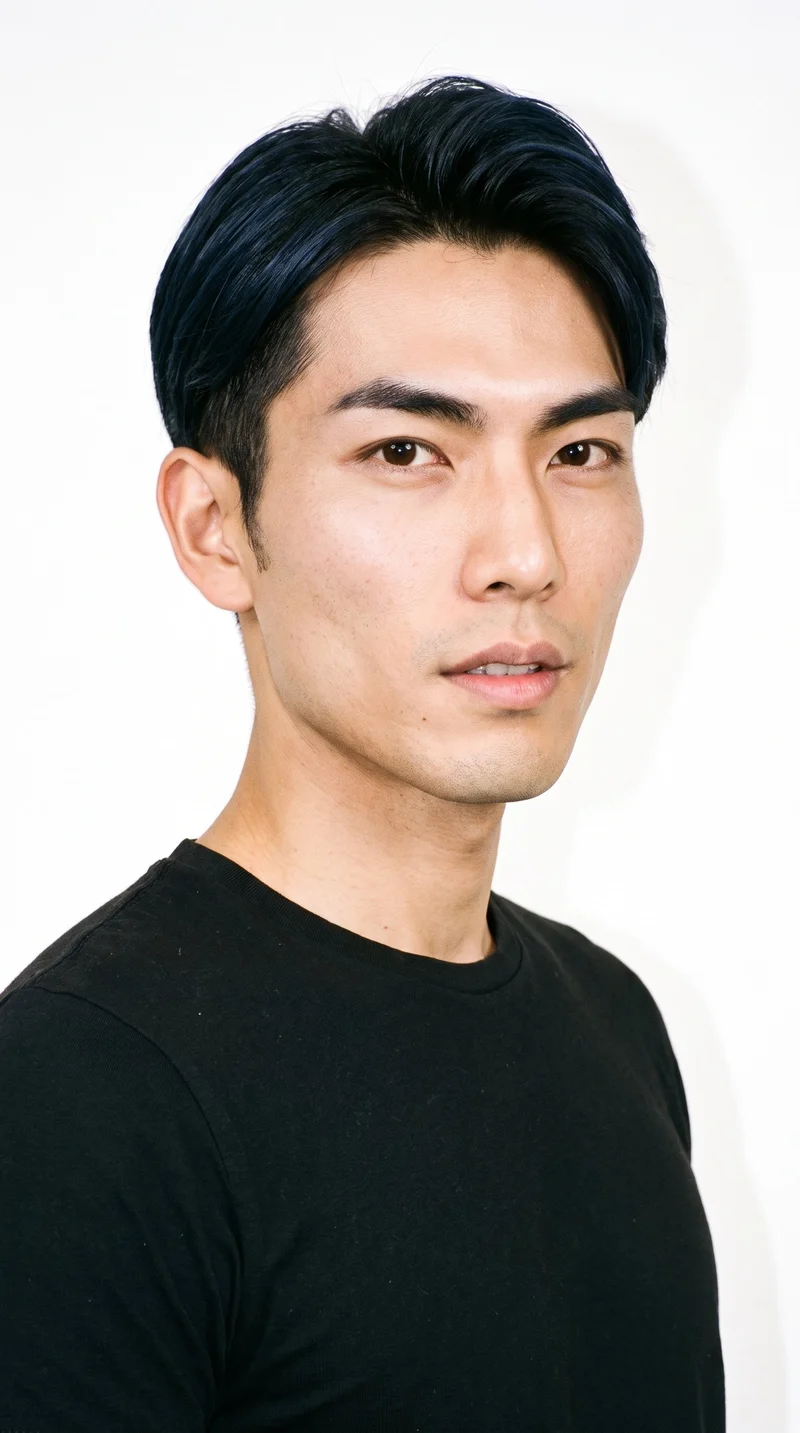
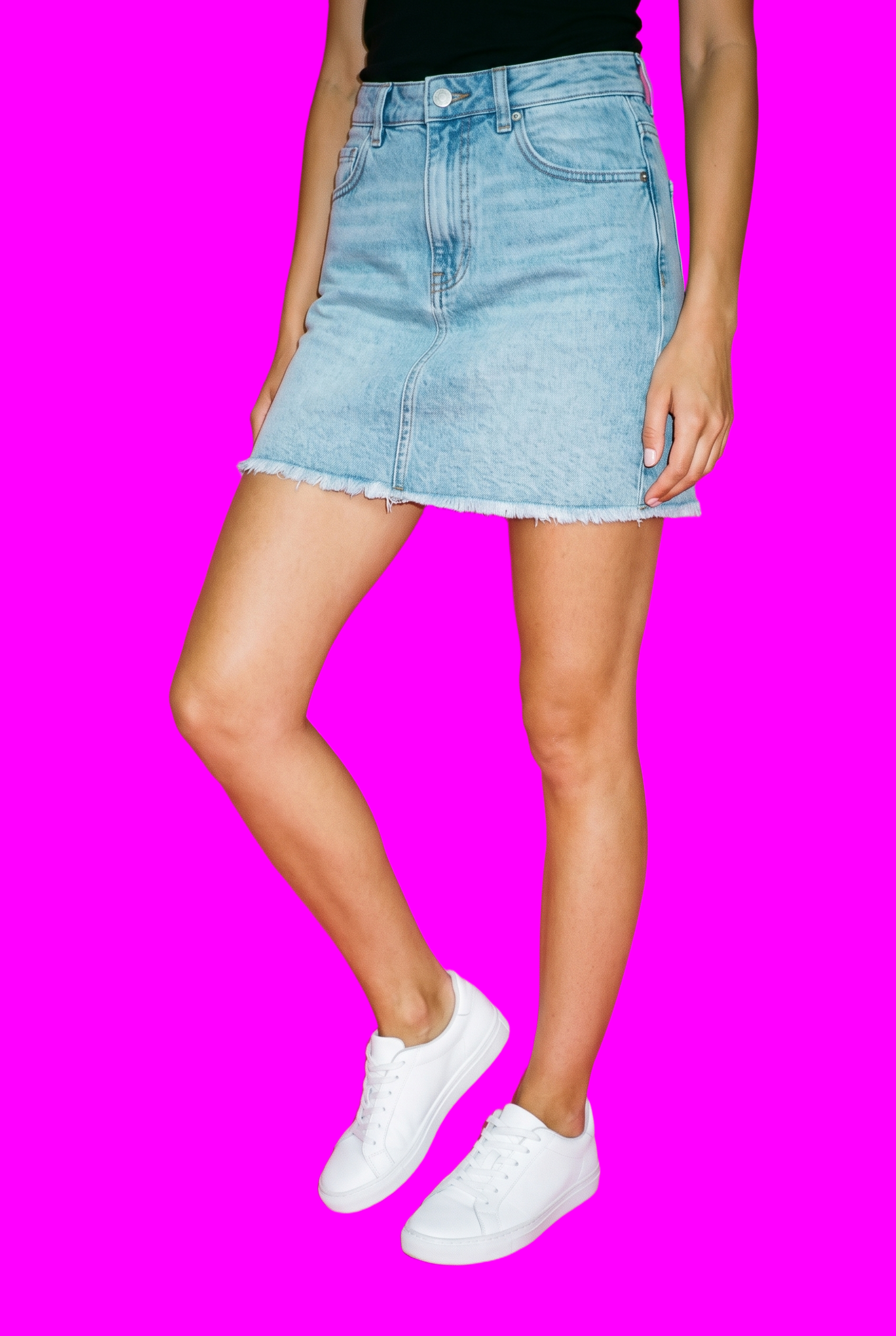
ai white hair male generator 4
Campaign motion keyframe

Browse all 600+ models →

Comparison

RAWSHOT vs category tools vs DIY prompting

Three lenses on every dimension — what you optimize for in RAWSHOT versus typical category tools and blank-box AI workflows.

  1. 01

    Interface

    RAWSHOT

    Buttons, sliders, presets, and saved model controls from start to finish.

    Category tools + DIY

    Often mix basic controls with lighter text-led setup and less explicit model libraries. DIY prompting: Typed instructions in chat-style tools, with repeated rewrites to chase the same result.
  2. 02

    Model consistency

    RAWSHOT

    Save one white-haired male identity and reuse it across every SKU.

    Category tools + DIY

    May keep general styling direction but struggle with exact face continuity across batches. DIY prompting: Faces drift between outputs, so catalog continuity becomes manual and unreliable.
  3. 03

    Garment fidelity

    RAWSHOT

    Product-led rendering preserves cut, colour, pattern, logo, and proportion more faithfully.

    Category tools + DIY

    Can look polished but often smooth over smaller garment details under style pressure. DIY prompting: Garments drift, logos get invented, and trims change between attempts.
  4. 04

    Attribute control

    RAWSHOT

    Hair colour, age range, build, and expression are explicit selectable attributes.

    Category tools + DIY

    Some attribute control exists, but often with fewer reusable identity anchors. DIY prompting: Attribute targeting depends on wording tricks and repeated retries rather than fixed controls.
  5. 05

    Provenance and labelling

    RAWSHOT

    C2PA-signed outputs with visible and cryptographic watermarking and AI labelling.

    Category tools + DIY

    Provenance support varies and is not always front-and-centre in the workflow. DIY prompting: Usually no clear provenance metadata and no standardised audit trail for published assets.
  6. 06

    Commercial rights

    RAWSHOT

    Permanent worldwide commercial rights are stated clearly for every output.

    Category tools + DIY

    Rights may be usable but often arrive with more plan or platform caveats. DIY prompting: Rights clarity depends on tool terms and leaves teams checking usage risk manually.
  7. 07

    Pricing transparency

    RAWSHOT

    Per-model pricing is clear, tokens never expire, and failed generations refund.

    Category tools + DIY

    Pricing can add seat gates, volume tiers, or feature walls as usage grows. DIY prompting: Low entry cost hides time spent retrying, reviewing, and cleaning inconsistent results.
  8. 08

    Catalog scale

    RAWSHOT

    Same product in GUI and REST API, ready for nightly SKU pipelines.

    Category tools + DIY

    Scale options may require separate enterprise tracks or narrower automation surfaces. DIY prompting: No dependable catalog pipeline for repeatable fashion output at batch scale.

Prompting does not scale

Stop writing essays. Direct the shoot.

Most AI photo tools start with a blank text box. Rawshot turns the shoot into repeatable controls, so creative teams can produce consistent fashion imagery without prompt syntax or one-off hacks.

Category norm

Manual
Prompt box

Create a premium editorial fashion photograph of a model wearing the exact navy oversized wool coat from SKU-1842, full-body crop, realistic hands, consistent facial identity, clean e-commerce lighting, subtle Paris street background, 85mm lens, no logo distortion, no fabric hallucination, same pose as last campaign, repeatable for all colorways...

Needs prompt engineering
Breaks across SKUs
Hard to repeat

A prompt can describe one image. It cannot become a shared production system for hundreds of products, models, angles and markets.

Rawshot

Clicks

Saved shoot recipe

Apply to 1 SKU or 10,000 via GUI, CSV or REST API.

Scale
Preset-driven shoots anyone can repeat
Same model, pose and styling across a catalog
GUI for teams, API for production volume

Rawshot makes creative direction visible: buttons, presets and sliders instead of hidden prompt craft. The result is easier to teach, faster to approve and built for repeat production.

Use cases

Where Reusable White-Haired Casting Helps

Operator archetypes and how click-directed, garment-first output fits the way they actually work.

  1. 01

    Menswear DTC Founder

    Launch a full collection on a consistent older male-presenting model without booking a studio day for each drop.

    Confidence · high

  2. 02

    Premium Knitwear Brand

    Use a white-haired male identity to signal maturity and product quality across sweaters, coats, and layered winter looks.

    Confidence · high

  3. 03

    Marketplace Catalog Manager

    Keep the same saved model across hundreds of listings so thumbnails, PDPs, and refreshes read as one catalog.

    Confidence · high

  4. 04

    Adaptive Fashion Team

    Build a calm, trustworthy male-presenting model profile and reuse it across accessibility-led product education imagery.

    Confidence · high

  5. 05

    Luxury Accessories Label

    Pair watches, eyewear, scarves, and bags with a mature male model that supports a refined brand world.

    Confidence · high

  6. 06

    Tailoring Startup

    Show suiting, shirting, and outerwear on a white-haired male model to reach customers beyond the usual youth-coded casting.

    Confidence · high

  7. 07

    Editorial Commerce Team

    Move one saved identity from clean product frames into mood-led campaign scenes without changing the face.

    Confidence · high

  8. 08

    Crowdfunded Menswear Project

    Create polished launch visuals before full-scale production and keep the same model through preorders and delivery updates.

    Confidence · high

  9. 09

    Factory-Direct Manufacturer

    Standardise presentation across many SKUs with one reusable male model instead of recasting for every batch.

    Confidence · high

  10. 10

    Resale and Vintage Seller

    Style heritage jackets, denim, and knitwear on an older male-presenting model that fits the product story.

    Confidence · high

  11. 11

    Lookbook Art Director

    Test multiple visual styles around a mature white-haired character while keeping casting fixed for brand continuity.

    Confidence · high

  12. 12

    Retail Ops Team

    Refresh seasonal backgrounds, crops, and channels around the same saved identity without rebuilding the model each time.

    Confidence · high

— Principle

Honest is better than perfect.

When age cues and hair colour are part of the casting signal, transparency matters as much as aesthetics. RAWSHOT labels outputs, signs provenance metadata with C2PA, and applies visible plus cryptographic watermarking so your team can publish clearly marked synthetic imagery with an audit trail. The model itself is a synthetic composite, engineered to keep accidental real-person likeness statistically negligible by design.

RAWSHOT · Editorial

Rights & provenance

Full commercial rights. Forever.

  • C2PA-signed on every image — EU AI Act Article 50 compliant
  • 28-attribute synthetic models — real-person likeness statistically impossible
  • Full commercial rights to every generation — no recurring licensing fees
  • Tokens never expire · One-click cancel · Transparent pricing

EU AI Act

C2PA

Commercial use

Pricing

~$0.99 per model generation.

~50–60 seconds per generation. Save the model once, reuse it across your entire catalog.

  • 01Tokens never expire. Cancel in one click.
  • 02Same face, same body, every SKU — no drift between shoots.
  • 03No per-seat gates. No 'contact sales' walls for core features.
  • 04Failed generations refund their tokens.

FAQ

Practical answers on control, rights, pricing, scale, and compliant publishing.

Do I need to write prompts to use RAWSHOT?

Never—you direct every output with sliders, presets, and clicks on the garment, not typed prompts. That matters because fashion teams do not need another system that turns every shoot into copywriting practice before anything usable appears. In RAWSHOT, model building, framing, lighting, styling direction, and output settings live in a real application interface, so buyers, merchandisers, and ecommerce operators can work from visible controls instead of trial-and-error text.

For catalog teams, reliability beats novelty. RAWSHOT keeps token pricing, timings, refund rules, commercial rights, provenance signalling, watermarking, and model reuse explicit, so the workflow is easy to operationalise in both the browser GUI and the REST API. You save a model once, apply it across many garments, and keep a clearer path from selection to publish-ready output without turning the team into syntax specialists.

What does AI-assisted fashion model building change for SKU-scale catalogs?

It changes who gets access to consistent on-model photography in the first place. Instead of treating casting as a fresh production event for every product launch, you build a reusable synthetic model identity once and keep that identity stable across new garments, seasonal refreshes, and channel-specific crops. For ecommerce teams, that means continuity across PDPs, collection pages, ads, and marketplaces without the usual recasting delays.

RAWSHOT is built around product accuracy and repeatable operations, not chat-style experimentation. You can lock in age range, gender presentation, body type, hair colour, hair style, and expression through 28 body attributes with 10+ options each, then reuse the saved model through the GUI or REST API. The result is a more controllable catalog workflow where the garment stays central, the face stays consistent, and publishing decisions are easier to standardise.

Why skip reshooting every SKU when seasonal styling changes?

Because a styling update is not always a casting problem. Many brands need new backgrounds, fresh lighting, different crops, or a campaign mood shift while keeping the same product fit and model identity that shoppers already recognise. Rebuilding those assets through repeated physical shoots adds scheduling pressure, sample movement, and uneven continuity across seasons.

RAWSHOT lets you save the model once and change the surrounding direction later. You can move the same identity through catalog, editorial, studio, or lifestyle presets, adjust framing and composition, and keep a stable face and body across the catalog while the visual treatment evolves. That gives ecommerce and creative teams a practical way to refresh presentation without reopening the full production chain every time a brand calendar changes.

How do we turn flat garments into catalogue-ready imagery without prompting?

You start by building or selecting the model identity you want to use, then place the garment into a controlled on-model workflow where framing, lighting, style, and composition are all chosen through interface controls. The important shift is that the product remains the brief, so the software is working to represent the real garment rather than to satisfy loosely worded text. That is why fashion operators can move from flat product files to usable model imagery with fewer surprises.

Inside RAWSHOT, teams can save a white-haired male-presenting model, apply it to multiple looks, and generate outputs in common commerce ratios and higher-resolution formats. Because the same system also supports REST API use, the workflow scales from single-look browser work to larger catalog runs without changing the underlying logic. In practice, that means your merchandising team can set rules once and repeat them across a product set instead of reinventing each asset manually.

Why does garment-led control beat DIY prompting in ChatGPT, Midjourney, or generic image tools for fashion PDPs?

Because fashion PDPs need repeatability and product truth, not occasional lucky hits. Generic image systems are good at broad visual invention, but they are not designed around apparel accuracy, reusable casting, or structured commerce workflows. When teams rely on typed instructions, they often spend time chasing the same face again, correcting invented logos, or rejecting outputs where fabric, cut, and proportion have drifted away from the garment they actually sell.

RAWSHOT takes the opposite route. It gives teams a click-driven interface for model attributes, visual style, framing, and product presentation, then adds C2PA provenance, watermarking, AI labelling, stated commercial rights, and API-ready reuse. That combination matters in operations because it makes approval and publication more predictable. Instead of text roulette, you get a controlled model library and a workflow built for product pages, campaign variants, and repeat catalog output.

Can I use an ai white hair male generator for commercial fashion work with clear labelling and rights?

Yes, if the system is built to make commercial use explicit rather than implied. For fashion teams, the real issue is not only whether an image can be made, but whether the output comes with clear usage rights, transparent labelling, and a provenance trail that brand, marketplace, or compliance stakeholders can stand behind. Mature-looking male-presenting casting often appears in premium, tailoring, and heritage product categories, so those governance details matter.

RAWSHOT provides permanent worldwide commercial rights to approved outputs and supports C2PA-signed provenance metadata, visible watermarking, cryptographic watermarking, and AI labelling. The models are synthetic composites rather than scans of identifiable people, and the system is designed around statistically negligible accidental likeness risk. The practical takeaway is simple: teams can publish faster when rights and disclosure are clearly built into the workflow instead of patched on later.

What should our team check before publishing a saved white-haired male model across product pages?

Check the same things you would review in any serious commerce image workflow: whether the garment shape is faithful, whether logos and trims are represented correctly, whether the fit reads consistently across products, whether the model identity matches brand intent, and whether the output is labelled appropriately for internal and external governance. Mature male-presenting casting often carries strong brand meaning, so facial consistency and age signalling should be reviewed with the same care as garment detail.

RAWSHOT helps by keeping the model saved, the settings explicit, and the output traceable. Teams can verify provenance signals, watermarking, and commercial-use readiness alongside visual QA instead of treating disclosure as an afterthought. In practice, the best publishing workflow is to approve a model identity once, then review each garment application for product fidelity and channel fit before it goes live across PDPs, marketplaces, or campaign placements.

How much does the ai white hair male generator cost, and what happens if a generation fails?

Model generation in RAWSHOT runs at about ~$0.99 per generation and usually completes in around 50–60 seconds. That pricing is straightforward for operators because tokens never expire, there are no per-seat gates for core features, and the cancellation flow is easy to reach rather than hidden behind a sales process. For teams building a reusable model identity, the economics make sense because you are creating an asset that can be applied across many future garments.

If a generation fails, the tokens are refunded. That matters operationally because model setup often includes testing age range, hair profile, expression, or body shape until the saved identity fits the brand. Instead of treating those iterations as sunk cost, RAWSHOT keeps the process transparent and predictable, which makes budgeting easier for indie labels, growing DTC teams, and larger catalog operations alike.

Can we plug saved synthetic models into Shopify-scale or ERP-linked catalog workflows?

Yes. RAWSHOT is designed so the same core system works in a browser for one-off creative work and through the REST API for higher-volume catalog operations. That means a team can build and approve a reusable model identity in the GUI, then call that identity in larger downstream workflows where product files, launch schedules, and approval states are already being managed elsewhere. It is a practical fit for commerce teams that need consistency without creating two separate toolchains.

The advantage is not only automation, but continuity. A saved white-haired male-presenting model can move through multiple SKU groups while keeping the face and body stable, which is exactly what large catalogs struggle to maintain when every batch behaves differently. For Shopify-scale brands and ERP-aware operations, the useful move is to treat model identities as reusable creative infrastructure rather than one-time image experiments.

How do browser users and API teams share the same model library without losing consistency at scale?

They share the same saved model foundation. A creative or ecommerce user can build the model in the interface, confirm that the hair, age range, expression, and body profile fit the brand, and save it to the library. From there, operators working through the API can reference that same identity in batch workflows, which keeps catalog output aligned instead of splitting the business into one manual aesthetic process and one automated but inconsistent pipeline.

That unified approach matters when teams are divided across merchandising, creative, and engineering roles. RAWSHOT keeps the pricing model, reuse logic, compliance cues, and rights framing consistent across both surfaces, so scale does not require a separate edition or a different quality standard. The result is a cleaner operating model: one saved identity, many garments, many channels, and a much lower risk of visual drift as volume increases.