
Claid.ai alternative
Claid.ai or RAWSHOT: which fits your apparel shoot?
See how Claid.ai and RAWSHOT approach apparel imagery, from clothing photos to finished creative.
Published: Updated:
The short answer
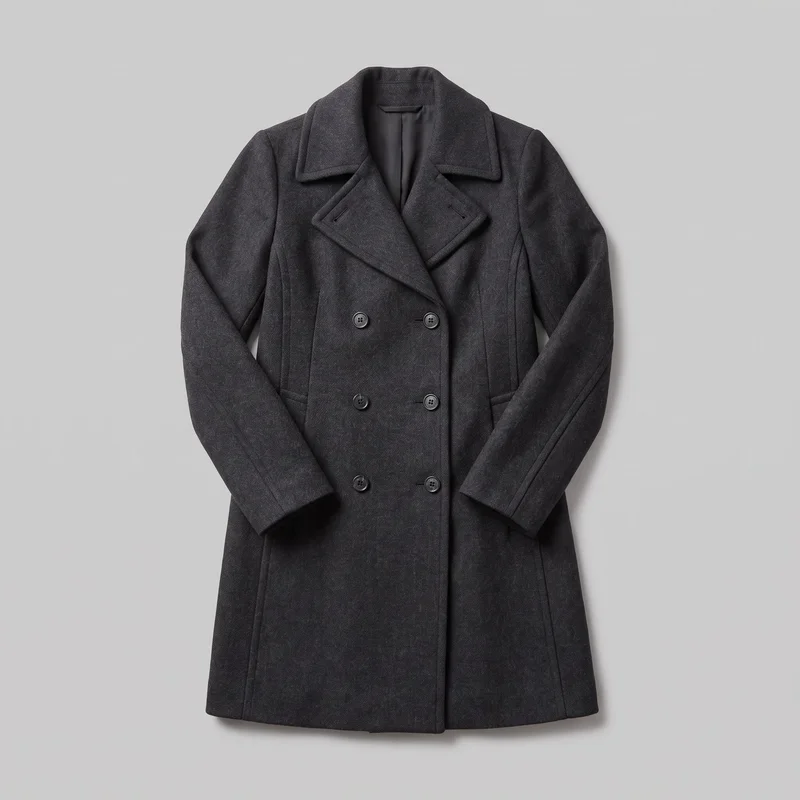
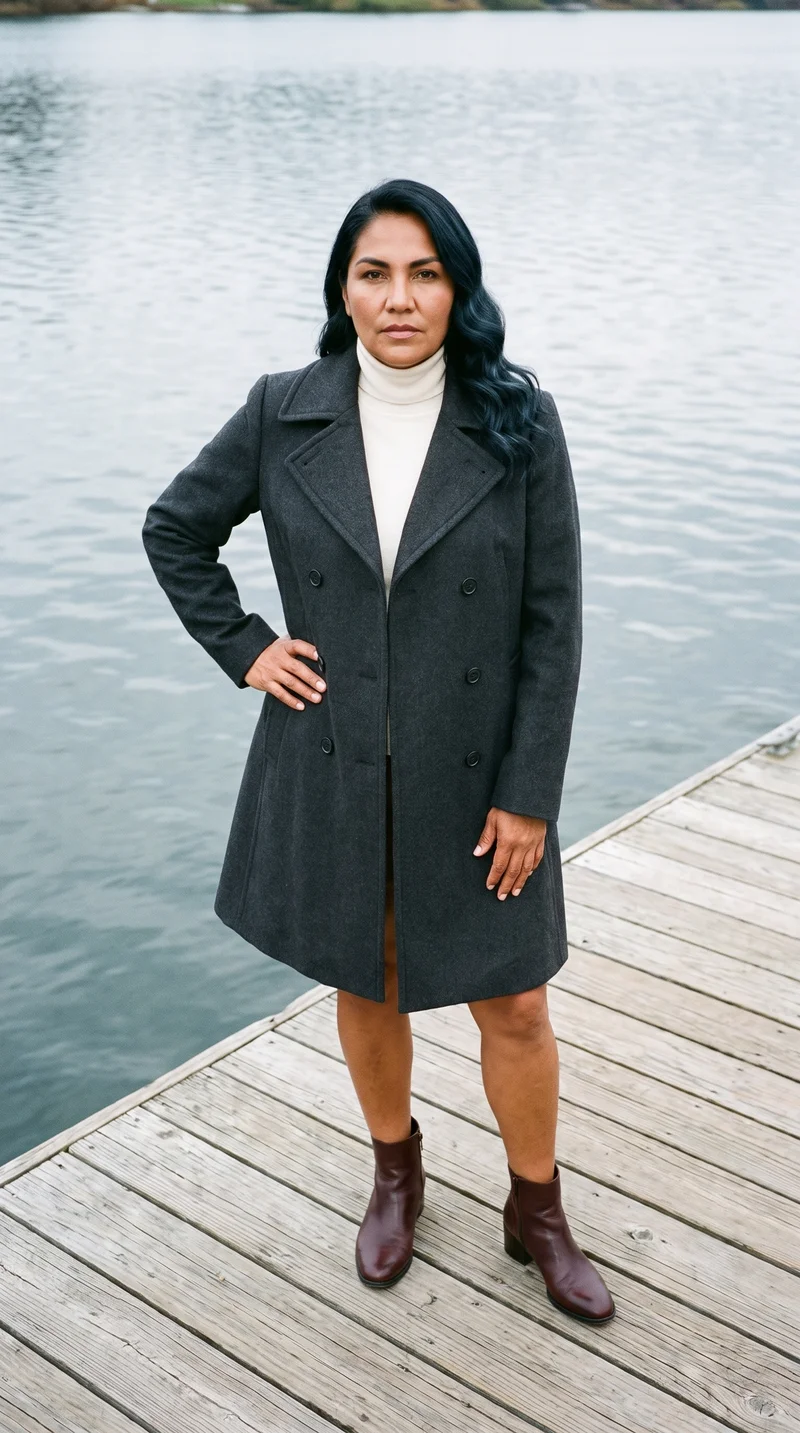
Both tools start with a clothing-item photo. Claid.ai also documents uploading a real model’s photo; RAWSHOT uses synthetic models only. RAWSHOT keeps the composition consistent when you change one element, and every output carries C2PA content credentials.
- Claid.ai is built for
- Fashion teams who want to use photos of a model they already work with.
- RAWSHOT is built for
- Fashion teams directing on-model product imagery through visible composition controls.
Claid.ai facts checked on claid.ai, 24 September 2026 · RAWSHOT facts from the app
Decide in three questions
Answer the three questions to see which workflow fits better.
Strengths
Claid.ai capabilities to consider
Use an existing model photo
Claid.ai documents uploading custom model photos to generate clothing images using that model.
SourceBuild coordinated outfits
Claid.ai documents combining uploaded garments into looks, including tops, dresses, bottoms, and outerwear.
SourceTurn fashion images into video
Claid.ai documents animating an on-model fashion image, including talking clips with generated speech and lip-sync.
SourceDifferences
How RAWSHOT approaches the shoot
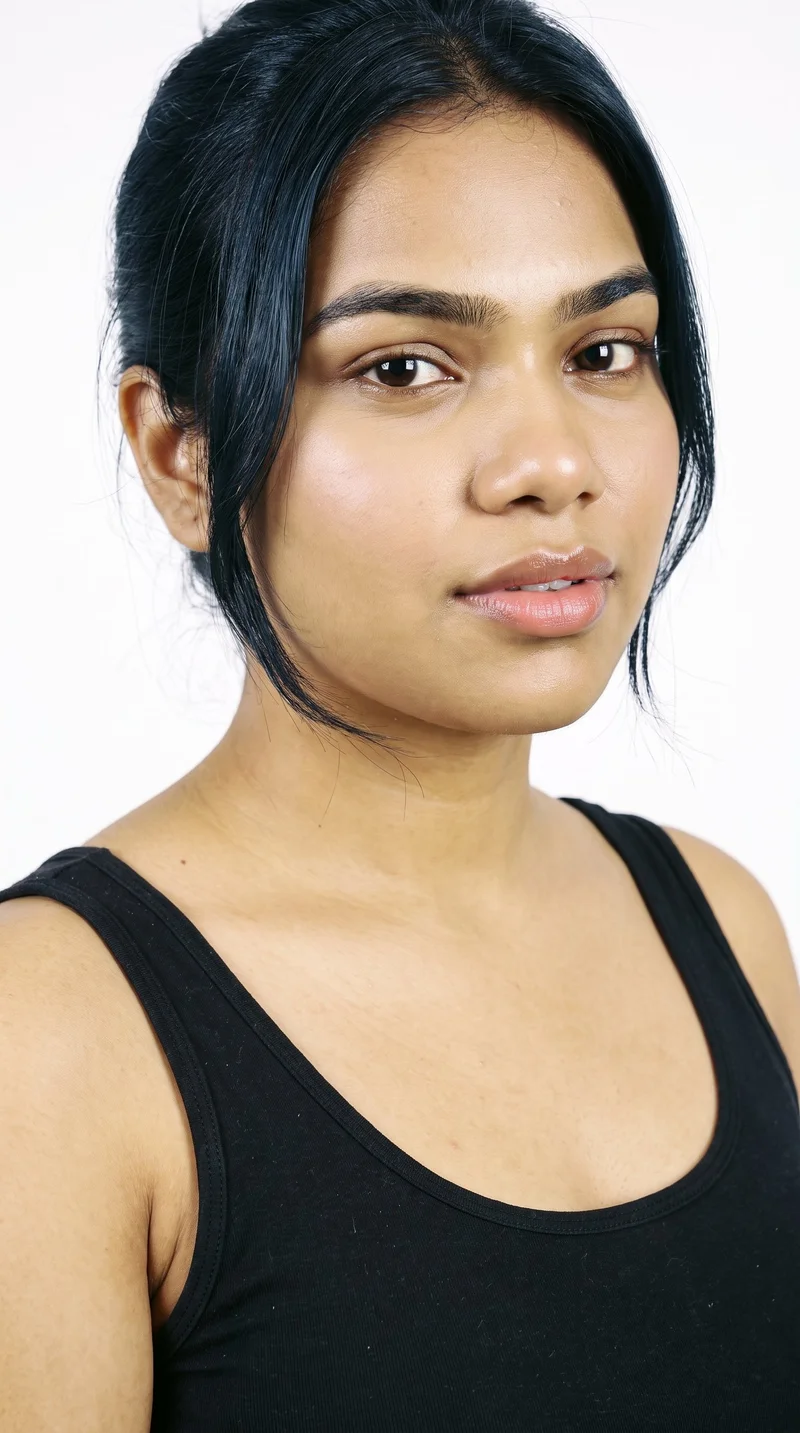
Choose a synthetic model
Use a library model or configure a private model with visible attributes. RAWSHOT models are synthetic composites and do not reference real-person likenesses.
See the feature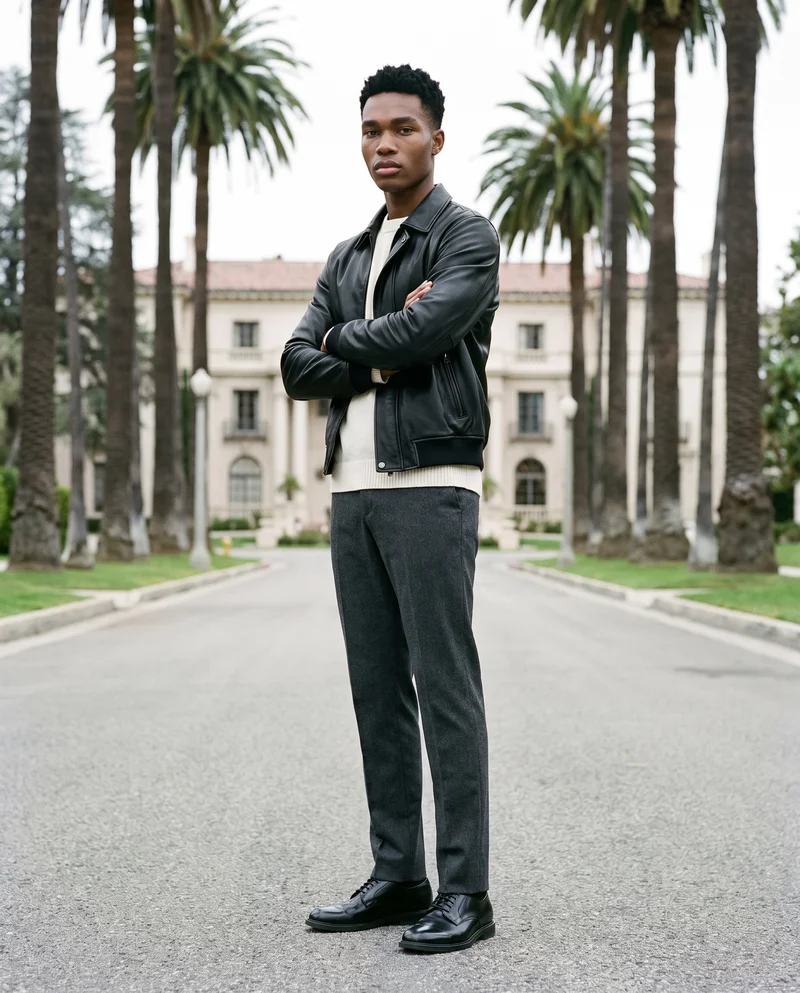
Direct garment styling
Set styling manually, including buttons, zips, and sleeves, or choose automatic styling.
See the feature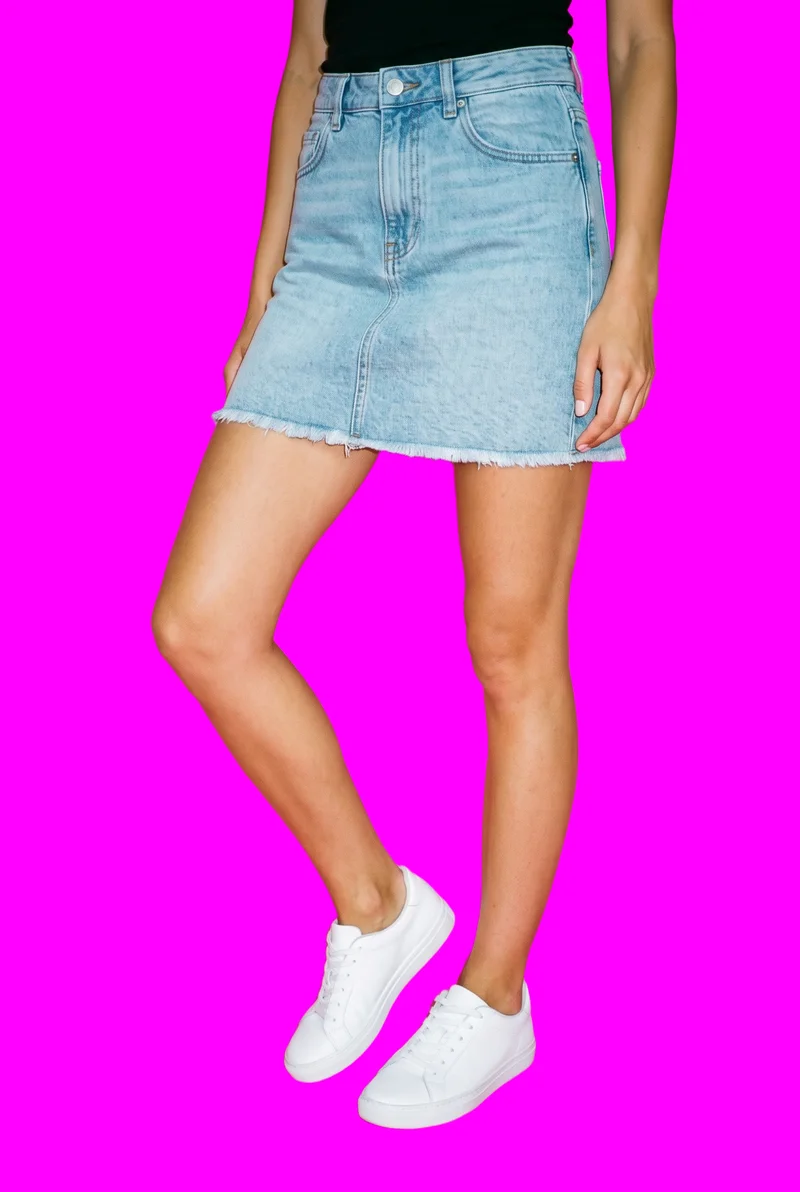
Keep the composition consistent
Change one element and the rest of the composition holds. A new shoot must be configured individually.
See the featureFrom the catalog
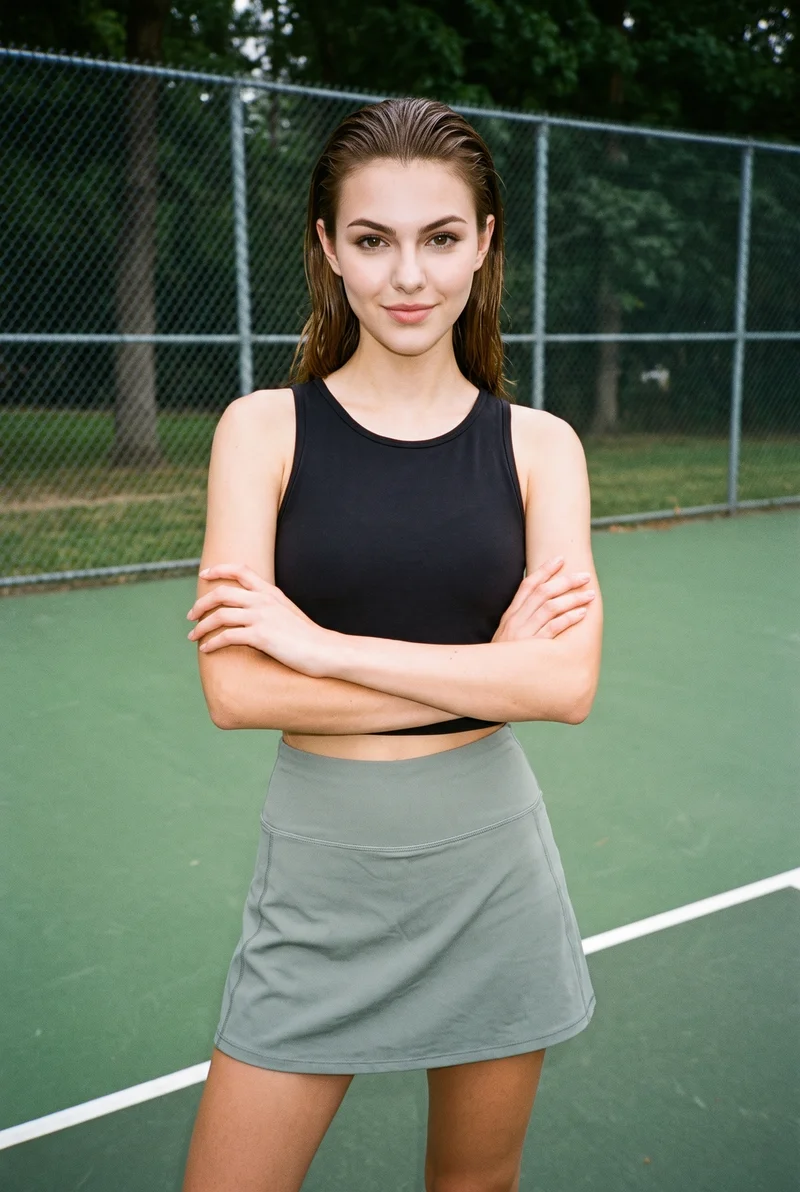
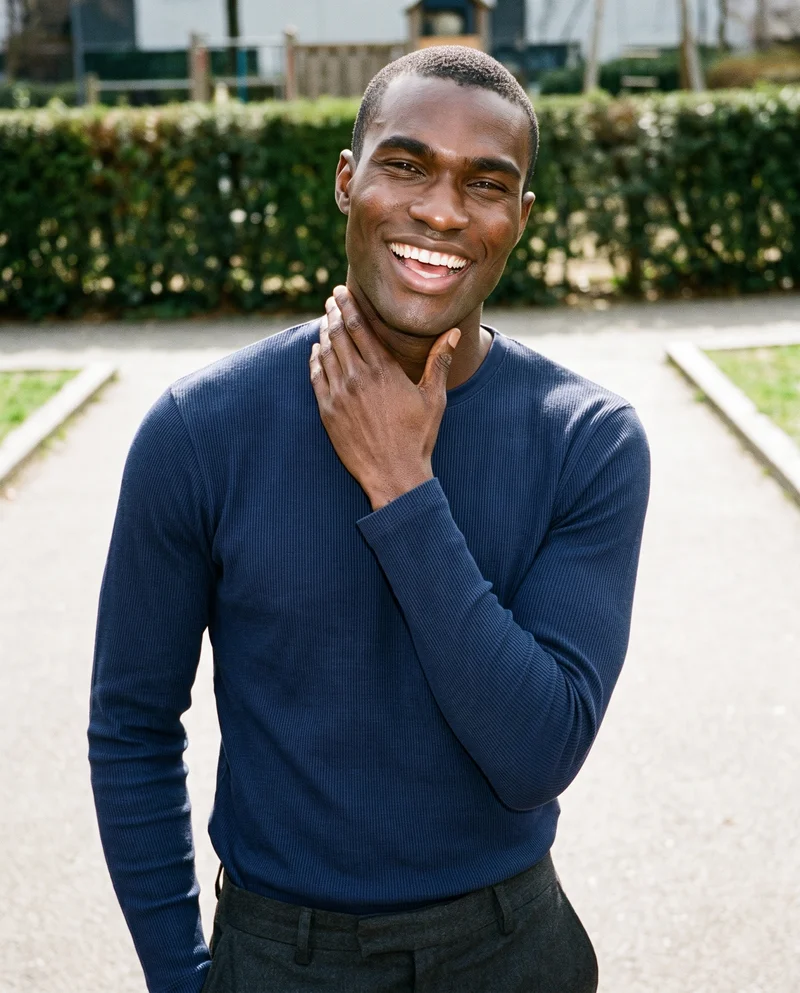
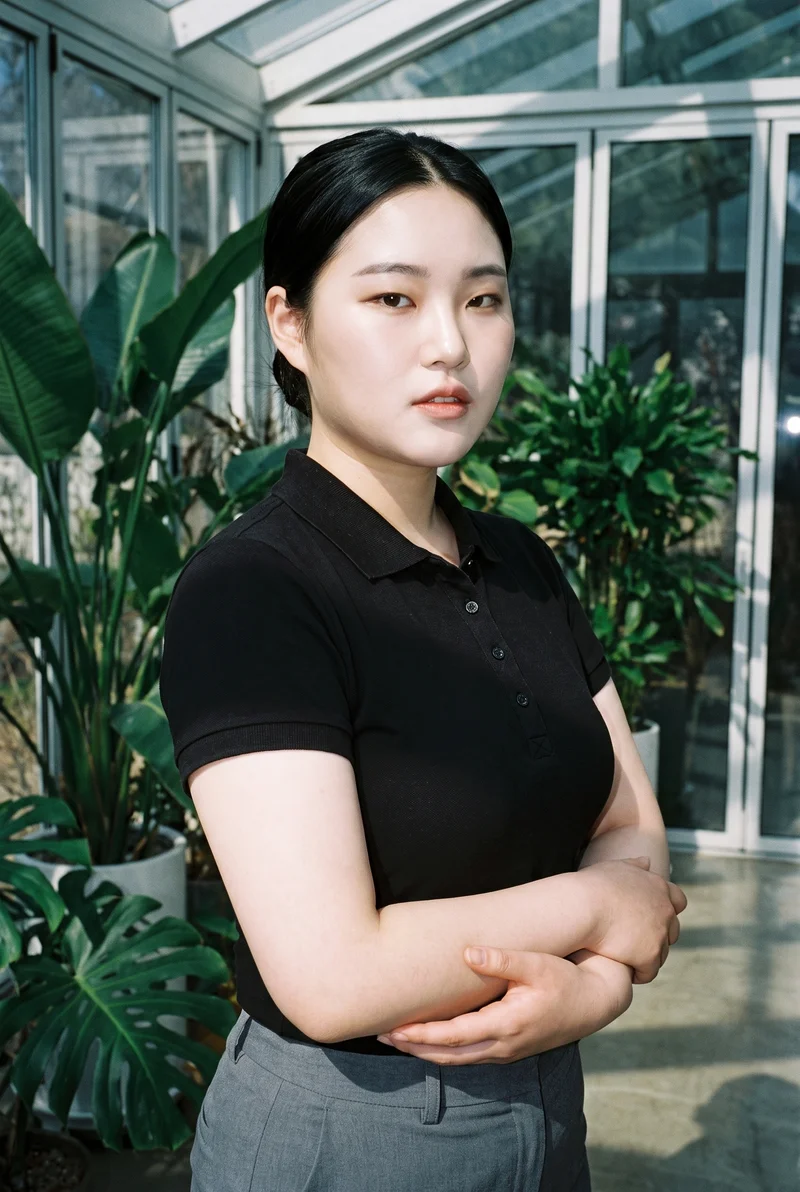
More finished shoots
Side by side
A Claid.ai alternative for apparel imagery
Compare the documented workflows against the controls, output, and provenance your production requires.
| Comparison | RAWSHOT | Claid.ai |
|---|---|---|
| Starting point | Clothing-item photos; synthetic models only. | Clothing-item photos; Claid.ai also documents custom model photos. |
| Creative controls | Set styling, background, light, frame, view, pose, expression, ratio, and resolution. | Choose a model and preset pose; direct poses, actions, and backgrounds. |
| Models | Synthetic composite models only; no real-person likeness is referenced. | Choose a model or upload photos of a real model. |
| Products per image | One main product and up to three supporting products in a composition. | Combine uploaded garments into complete styled looks. |
| Video | Create video from a finished image with scene and camera-motion control. | Animate fashion images, including talking clips with generated speech and lip-sync. |
| Rights and provenance | Full permanent commercial rights; C2PA credentials, multi-layer watermarking, and AI-labelled output metadata. | Claid.ai’s FAQ says generated images are not subject to copyright; it does not establish exclusive ownership or credentials. |
Claid.ai statements are drawn from its clothing, lookbook, video, and FAQ pages; RAWSHOT statements use verified product documentation.
Use cases
Teams and situations that fit each workflow
Marketing and brand managers
Claid.ai
A campaign needs to show a known model whose photos the team already has.
Claid.ai documents uploading custom model photos for clothing imagery.
E-commerce managers filling product pages before a drop goes live
RAWSHOT
A team needs on-model product images for product pages.
RAWSHOT exposes composition choices as visible controls.
See the solutionWholesale and sales teams building lookbooks and linesheets before samples land
RAWSHOT
A sales team is preparing a linesheet from product assets.
RAWSHOT can generate from product photos, flat-lays, mockups, or technical sketches.
See the solutionPerformance marketers
RAWSHOT
A team needs to direct creative variations for apparel campaigns.
RAWSHOT pre-selects composition settings the user can change.
See the solutionMore options
Other approaches to apparel imagery

Shootify
Compare Shootify and RAWSHOT for apparel imagery, from product inputs and catalogue consistency to model control, video and provenance.
Compare with RAWSHOT

Lalaland
Compare Lalaland and RAWSHOT for apparel imagery, model control, collection consistency, video, and verifiable content credentials.
Compare with RAWSHOT

PicJam
Compare PicJam and RAWSHOT for apparel imagery, model control, collection consistency, product video, and verifiable content credentials.
Compare with RAWSHOT

Mocky
Compare Mocky and RAWSHOT for apparel imagery, model selection, collection consistency, short videos, and verifiable content credentials.
Compare with RAWSHOT
Rights
You own every image. Every image says what it is.
Yours
- Full commercial rights to every image, permanently.
- No recurring licence fees on any model in the library.
- Every model is a synthetic composite, so there is no real-person likeness.
Labelled
- C2PA content credentials on every image.
- AI-labelled output, aligned with EU AI Act Article 50.
EU-based hosting, GDPR-compliant handling.
- Aligned with EU AI Act Article 50
- C2PA
- Full commercial rights
- GDPR-compliant handling
- EU-based hosting
Questions
Common questions about Claid.ai and RAWSHOT
What is the difference between Claid.ai and RAWSHOT for apparel photos?
Both tools start with a clothing-item photo. Claid.ai also documents uploading a custom model photo, while RAWSHOT uses synthetic models only. RAWSHOT holds the composition when you change one element and provides C2PA content credentials on every output. Choose Claid.ai if you need a model whose photo you already have; choose RAWSHOT if composition consistency and content credentials matter.
When is Claid.ai a better choice than RAWSHOT?
Claid.ai may fit a project that calls for coordinated looks made from uploaded garments or video from a fashion image. Its documented video workflow includes talking clips with generated speech and lip-sync. Consider Claid.ai when those documented capabilities suit the planned creative.
Which models can I use in Claid.ai and RAWSHOT?
Claid.ai documents choosing a model or uploading a custom model photo. RAWSHOT uses synthetic composite models only, with a library of 1,197 models and a private model builder. The choice depends on whether your work calls for an existing person’s photo or synthetic models.
Can I use Claid.ai and RAWSHOT images commercially?
Claid.ai’s FAQ says generated images are not subject to copyright; that statement does not establish exclusive ownership or content credentials. RAWSHOT provides full and permanent commercial rights to every generation, with no ongoing licensing fees on library models. Review the current terms for the product you choose and your intended use.
How do I switch from Claid.ai to RAWSHOT?
The documented information does not describe a direct transfer of Claid.ai projects or settings. Start a new RAWSHOT photoshoot with a product photo, flat-lay, mockup, or technical sketch, then configure the composition in the application. Keep your source product assets available and plan a new shoot in RAWSHOT.
Get started
Direct an apparel shoot in RAWSHOT
Configure the product, model, styling, background, light, and composition in a browser-based fashion studio.