
BEST LIST
Best AI Virtual Model Generator
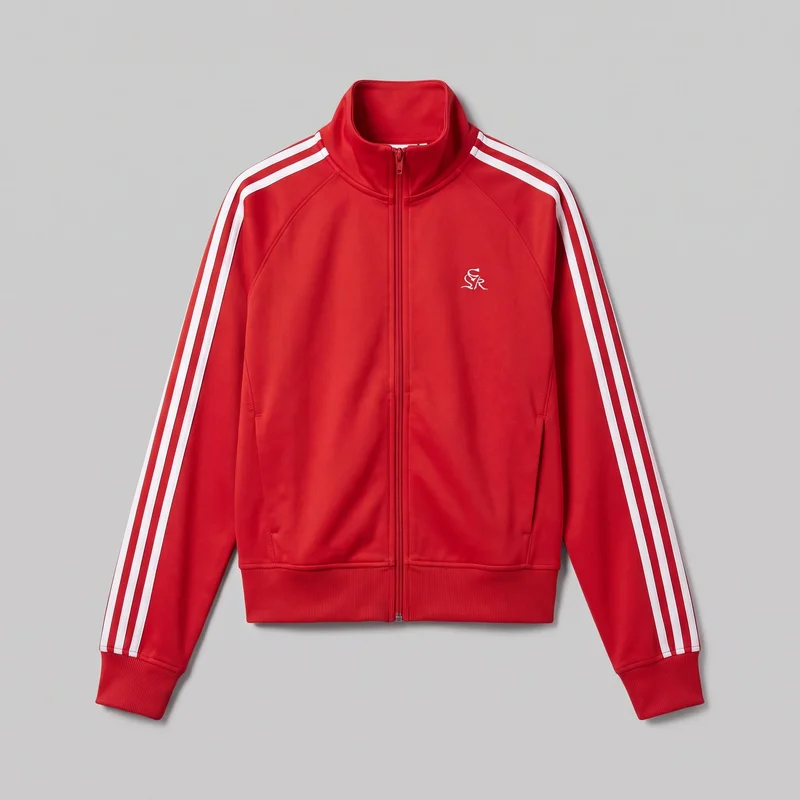
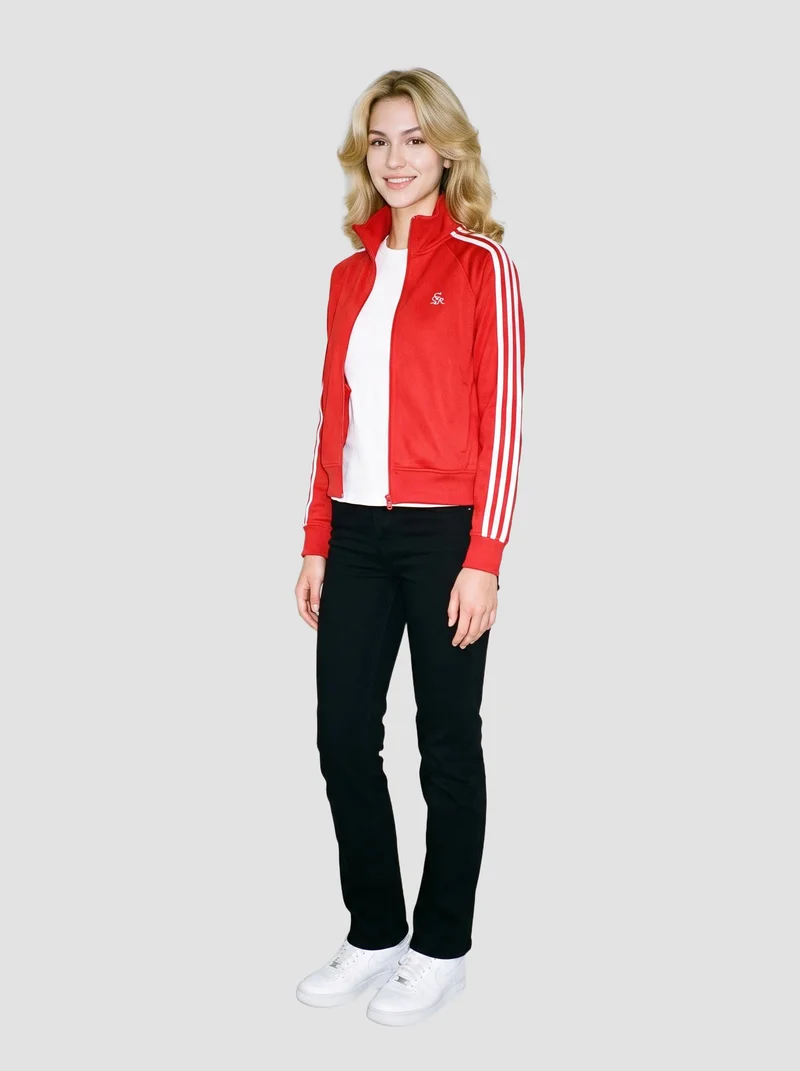
RAWSHOT AI configures the whole shoot before generation; AI virtual model generator workflows also cover product swaps, editing, and managed production.
- 10 tools
- 4 approaches
- no rankings · no scores
By the RAWSHOT team · Updated
 AI-generated · C2PA
THE SHORT ANSWER
RAWSHOT AI sets the model, outfit, styling, light, background, pose, camera view, and frame before taking the picture. The main decision is whether you want to direct a composition, transform an existing image, edit product photography, or delegate production.
The tools on this list
- 01
RAWSHOT AIour productControl-based generatorsBest for: Strongest when the user wants every visible shoot decision presented as a selectable control.
- 02
CaimeraControl-based generatorsBest for: Strongest when fashion teams need both catalog production and editorial image workflows.
- 03
Outfit.fmControl-based generatorsBest for: Strongest when the workflow starts with a product photo and requires customizable photos and videos.
- 04
CatalogXModel and product swap toolsBest for: Strongest when garments and accessories arrive as flat, hanger, mannequin, or ghost-mannequin photography.
- 05
FASHNModel and product swap toolsBest for: Strongest when existing flat-lay, mannequin, product, or model images need connected fashion workflows.
- 06
WearViewModel and product swap toolsBest for: Strongest when clothing photos need model, pose, background, and styling choices in one workflow.
- 07
BotikaProduct photo editorsBest for: Strongest when a clothing-photo workflow centers on fabric flow, garment fit, and model poses.
- 08
PhotoroomProduct photo editorsBest for: Strongest when on-model generation belongs inside an existing product-photo editing workflow.
- 09
Hyperblack StudiosAI-assisted servicesBest for: Strongest when a provider should photograph flat lays and manage the resulting on-model production.
- 10
MetaModelsAI-assisted servicesBest for: Strongest when fashion imagery needs specialist review before delivery as ready-to-post assets.
Control-based generators
- How it works
- You usually choose the model, garment, pose, setting, framing, and other controls before generating the image.
- Fits
- Teams that need repeatable fashion images and want to see every creative decision before they generate.
RAWSHOT AIour product
rawshot.ai
Browser fashion photo studio that generates original on-model imagery and video from a brand’s real products.
Best for
Strongest when the user wants every visible shoot decision presented as a selectable control.
Strong at
- The control surface includes 15 frames, 5 camera views, 104 poses, and 10 expressions.
- A composition can combine up to four products while setting the model, styling, background, light, ratio, and resolution.
Requirements
- Input:
- Product photo and shoot settings
- Output:
- Newly generated images
- Models:
- Synthetic, licence-free models
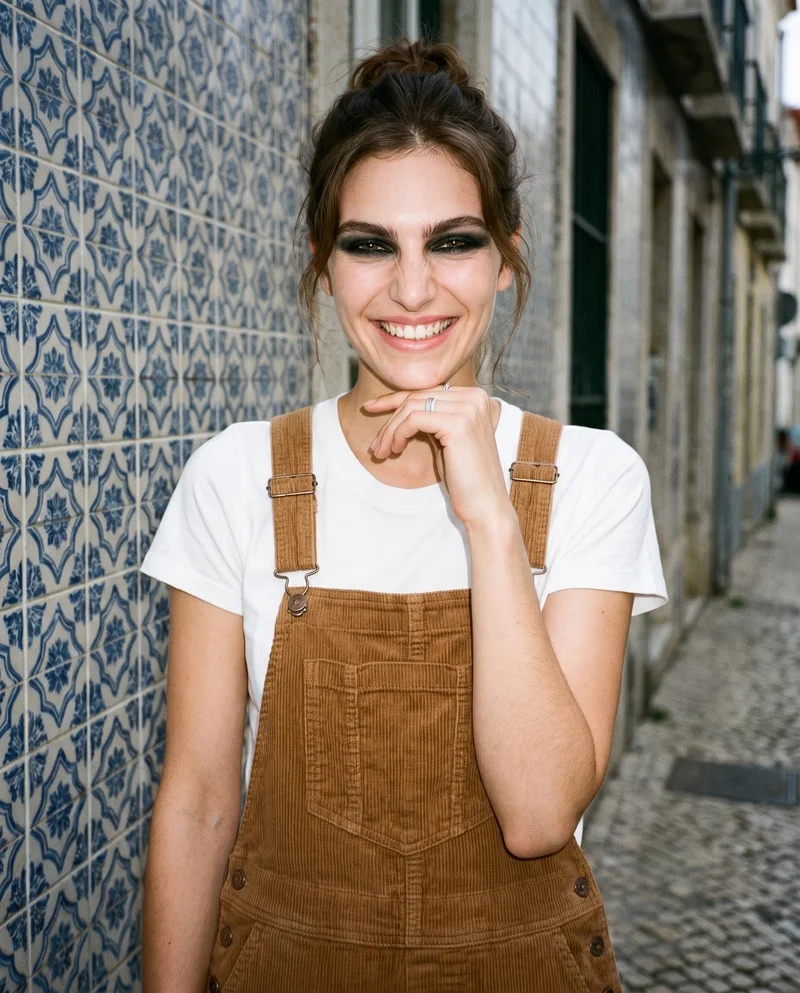
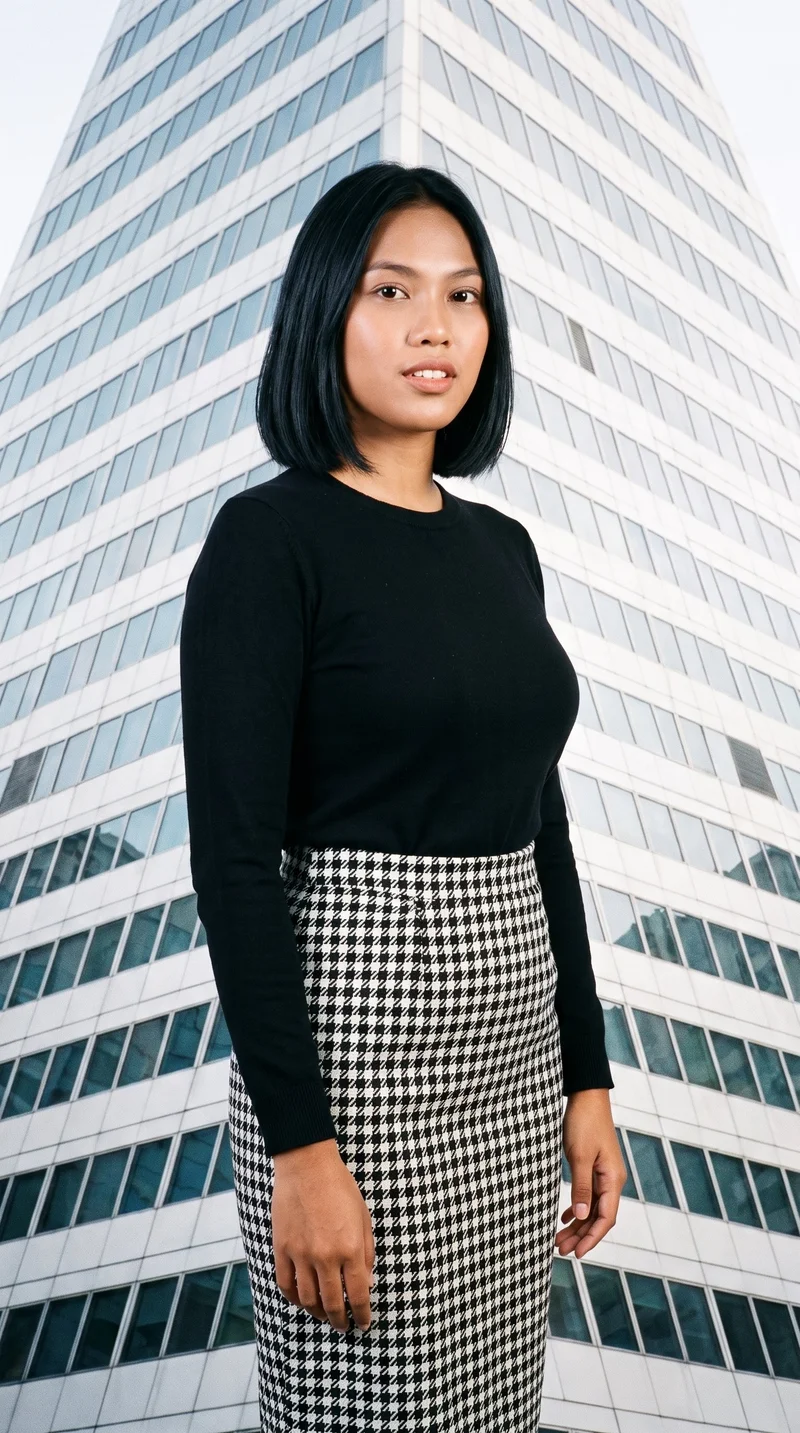
Women's Corduroy Dungarees · Upper body
Houndstooth Pencil Skirt · Three-quarter length
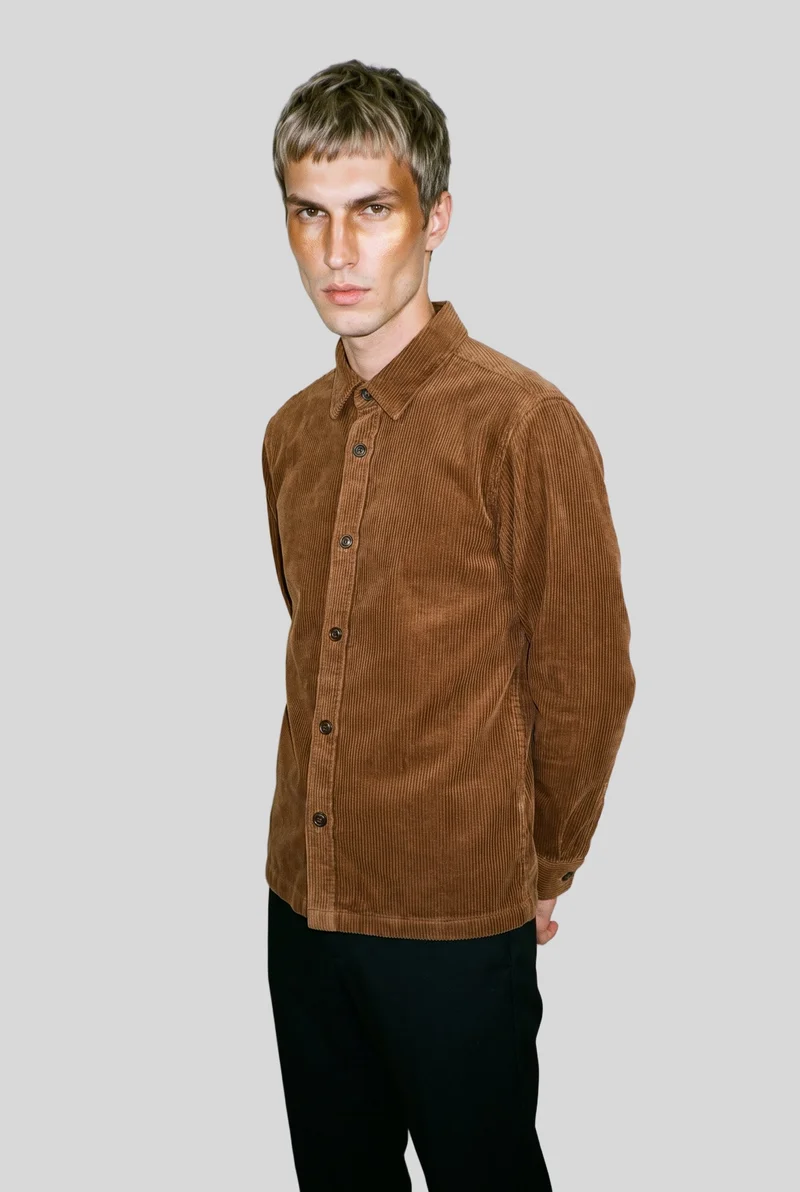
Brown Corduroy Overshirt · Three-quarter length
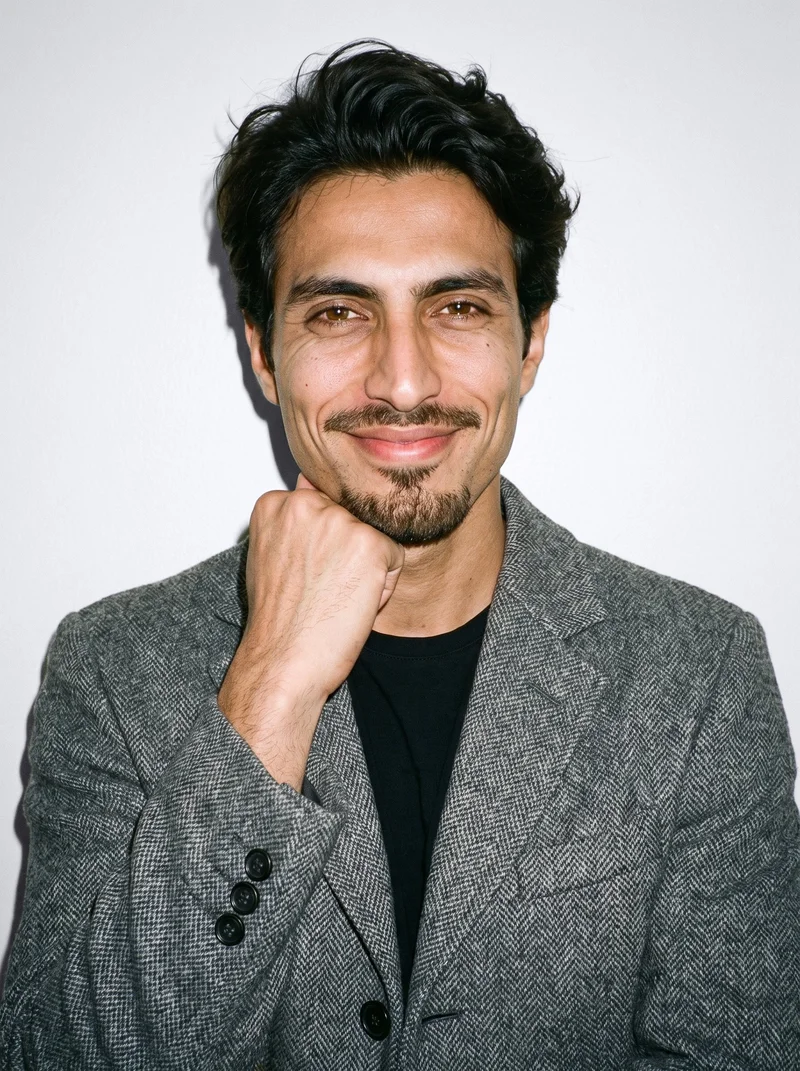
Men's Grey Wool Coat · Bust
Caimera
caimera.ai
AI visual production platform for fashion catalog imagery, editorial assets, sketch visualization, and image editing.
Best for
Strongest when fashion teams need both catalog production and editorial image workflows.
Strong at
- Flat-lay product images can be combined with selectable models, poses, and backgrounds for catalog output.
- Downloaded images can carry AI disclosure labels or watermarks together with XMP metadata.
Requirements
- Input:
- Product photo and shoot settings, text prompt
- Output:
- Newly generated images
- Models:
- Models from a library
- Labelling:
- AI label, watermark
Outfit.fm
outfit.fm
Self-service fashion photography platform that creates on-model product photos and videos from uploaded product images.
Best for
Strongest when the workflow starts with a product photo and requires customizable photos and videos.
Strong at
- Customers upload a product photo, choose a model, and customize the background before generating imagery.
- The platform produces both product photos and videos, with high-resolution image downloads available through its plans.
Model and product swap tools
- How it works
- You typically upload a garment or model image and combine it with an existing photo, template, or model from a library.
- Fits
- Teams that already have a useful source image and need quick variations without rebuilding the full scene.
CatalogX
catalogx.app
Self-service product photography tool that turns garment and accessory photos into images featuring selected models.
Best for
Strongest when garments and accessories arrive as flat, hanger, mannequin, or ghost-mannequin photography.
Strong at
- The workflow accepts flat-lay, hanger, mannequin, and ghost-mannequin garment images as starting points.
- Quality Mode checks color, pattern, and embroidery against the source and can trigger a reviewed retry.
FASHN
fashn.ai
Fashion-content app for creating on-model photos, virtual try-ons, image edits, and videos from product or model assets.
Best for
Strongest when existing flat-lay, mannequin, product, or model images need connected fashion workflows.
Strong at
- Virtual try-on preserves product details including prints, logos, colors, textures, and finishes.
- Product-to-model generation accepts flat-lay, mannequin, and other product photos as source material.
Requirements
- Input:
- Brief and product samples, text prompt
- Models:
- Synthetic, licence-free models, your own model or the shopper
- Labelling:
- Watermark
WearView
wearview.co
Self-service fashion photography tool that converts uploaded clothing photos into downloadable on-model product images.
Best for
Strongest when clothing photos need model, pose, background, and styling choices in one workflow.
Strong at
- The input can be a flat-lay, hanger, or on-person clothing photograph.
- Customers can select the model, pose, background, style, ethnicity, age, and overall look.
Product photo editors
- How it works
- You typically upload a product shot, then remove or replace the background, retouch details, or resize it for different channels.
- Fits
- Teams with finished product photos that need clean backgrounds, consistent retouching, or channel-ready formats at volume.
Botika
botika.com
Self-service fashion image tool that turns uploaded clothing photographs into on-model imagery.
Best for
Strongest when a clothing-photo workflow centers on fabric flow, garment fit, and model poses.
Strong at
- Its fashion workflow handles fabric flow, fit, and poses when creating on-model images.
- Flat-lay, mannequin, video, and retouching workflows sit alongside its clothing-to-model image generation.
Photoroom
photoroom.com
AI photo-editing and product-photography platform with a fashion workflow for placing uploaded clothing onto virtual models.
Best for
Strongest when on-model generation belongs inside an existing product-photo editing workflow.
Strong at
- Customers can choose a provided model or upload a custom model for repeated use.
- The fashion workflow combines an uploaded clothing photo with a selected pose and background.
Requirements
- Input:
- Product photo and shoot settings, text prompt
- Output:
- Newly generated images
- Models:
- Synthetic, licence-free models, models from a library, your own model or the shopper
- Labelling:
- Watermark
AI-assisted services
- How it works
- You usually send a brief and product assets to a managed team, which runs the production process and returns selected final images.
- Fits
- Teams that want finished work without operating the image tool or production workflow themselves.
Hyperblack Studios
hyperblackstudios.com
Studio-run ecommerce photography and AI production service for on-model imagery, custom models, and product sample correction.
Best for
Strongest when a provider should photograph flat lays and manage the resulting on-model production.
Strong at
- The studio creates on-model imagery from garments it has photographed as flat lays.
- Sample correction can adjust colors or materials and repair damaged or missing product details.
Requirements
- Input:
- Brief and product samples
- Output:
- Real photography
MetaModels
metamodels.ai
AI-assisted fashion production platform that returns reviewed images and video from supplied product packshots.
Best for
Strongest when fashion imagery needs specialist review before delivery as ready-to-post assets.
Strong at
- Human fashion specialists review generated outputs for garment accuracy before final delivery.
- The managed workflow covers production across products, regions, and seasons and returns ready-to-post assets.
Requirements
- Input:
- Product photo and shoot settings, text prompt
- Output:
- Your product on library photos
- Models:
- Synthetic, licence-free models, models from a library
Criteria and tests
What to check for apparel photography
What to look for
- 1Product fidelity: seams, closures, prints, and proportions stay faithful to the garment.
- 2Fit and drape: the fabric falls naturally across standing, seated, and moving poses.
- 3Model consistency: the same person remains recognizable across a complete image set.
- 4Production control: framing, poses, backgrounds, and output ratios can be repeated intentionally.
Test these shots
- 1A plain light garment with subtle seams and low-contrast construction details.
- 2A patterned garment whose print must align across folds, sleeves, and closures.
- 3A layered outfit with overlapping hems, collars, and accessories.
- 4The same garment and model in front, back, seated, and walking views.
- 5One product adapted into a clean PDP crop, a marketplace ratio, and a campaign frame.
Crops to check: Full-length front and back views, Waist-up fit view, Close crop of fabric, seams, and closures, Movement crop with hands and garment edges visible
Questions
Frequently asked questions
What does an AI virtual model generator do for fashion catalogs?
An AI virtual model generator turns product assets into images showing clothing or accessories on a virtual fashion model. Control-based generators such as RAWSHOT AI, Caimera, and Outfit.fm let users direct several parts of the composition. Model and product swap tools such as FASHN, CatalogX, and WearView transform existing garment or model photography. Product photo editors such as Botika and Photoroom connect the task with editing, while Hyperblack Studios and MetaModels provide managed production. Choose according to your available input and desired level of control.
Which AI virtual model generator workflow fits flat-lay clothing photos?
Flat-lay clothing photos work with several workflows, depending on how much of the resulting shoot you want to direct. Control-based generators such as Caimera and Outfit.fm combine product uploads with selected models and scenes. Model and product swap tools such as FASHN, CatalogX, and WearView directly accept flat-lay or related garment photography. Botika and Photoroom place this job inside product-photo editing, while Hyperblack Studios manages flat-lay capture and production as a service. Choose the workflow that matches whether your source photos are already finished.
Can a small clothing brand use an AI virtual model generator?
A small clothing brand can use an AI virtual model generator when it has clear product images and someone responsible for approving visual accuracy. Prepare clean flat lays, mannequin shots, or product photographs, plus brand rules for models, backgrounds, crops, and color. RAWSHOT AI exposes the composition as selectable controls, while FASHN, CatalogX, and WearView begin from existing garment assets. Keep a reference image for every product and assign one person to review seams, prints, fit, and color before publication.
How do I check an AI clothing model generator for product accuracy?
Check every generated image against the source product before approving it for a catalog or campaign. Inspect color, seams, closures, prints, logos, embroidery, texture, proportions, drape, hardware, and overlapping layers. Review a close crop first, then compare front, back, seated, and moving poses for structural changes. CatalogX includes a mode that checks color, pattern, and embroidery, while FASHN preserves details such as prints, logos, colors, textures, and finishes. Approve a product only after both detail and full-image reviews pass.
Where does an AI fashion model generator fit into ecommerce production?
An AI fashion model generator fits between product-asset preparation and final channel publishing. A photographer or merchandising team first supplies flat lays, mannequin images, or approved product photos. A creative user then selects the model, scene, pose, and framing in RAWSHOT AI, Outfit.fm, or another self-service workflow; a managed provider such as MetaModels handles those decisions from a brief. A reviewer checks product fidelity and channel requirements before the files enter the product information system, marketplace listing, campaign folder, or social publishing queue.
What should retailers measure after adopting AI fashion model images?
Retailers should measure production performance, image acceptance, and customer response rather than judging adoption by output volume alone. Track time from product input to publication, internal review rounds, rejected images, corrections, missing product views, and assets delivered before launch. For commerce outcomes, monitor product-page engagement, conversion, and returns or support messages that mention color, fit, material, or appearance. Compare results by product category and workflow, then keep source quality and review rules consistent so changes in performance have a clear operational explanation.
When is a conventional photoshoot preferable to an AI virtual model generator?
A conventional photoshoot is preferable when the project depends on a specific real person, physical interaction, complex art direction, documentary context, or creative decisions made collaboratively on set. A studio provider is also useful when products need capture, styling, correction, and human review before any generated work begins; Hyperblack Studios covers that production path. Generated images are enough when clean product assets exist, the composition can be specified in advance, and a reviewer can verify product fidelity. Match the production route to the creative requirement.
How do RAWSHOT AI and Outfit.fm handle an on-model clothing shoot?
RAWSHOT AI and Outfit.fm organize an on-model clothing shoot through different setup flows. RAWSHOT AI presents controls for the model, up to four products, styling, background, light, frame, camera view, pose, expression, ratio, and resolution before generating the composition. Outfit.fm starts with an uploaded product photo, followed by model and background customization, and supports both photos and videos. Choose RAWSHOT AI when the job requires directing the complete composition, or Outfit.fm when the workflow centers on customizing a shoot from one product photo.
Get started
See your products on a model.
Upload a product, choose the model, pose, setting, and framing, then generate the shot with every decision visible.