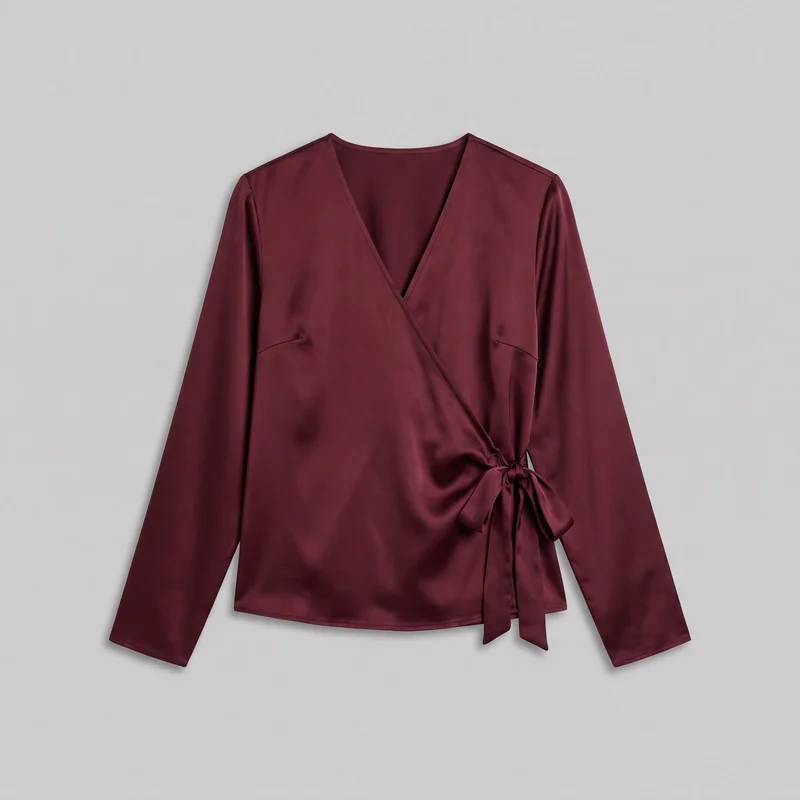
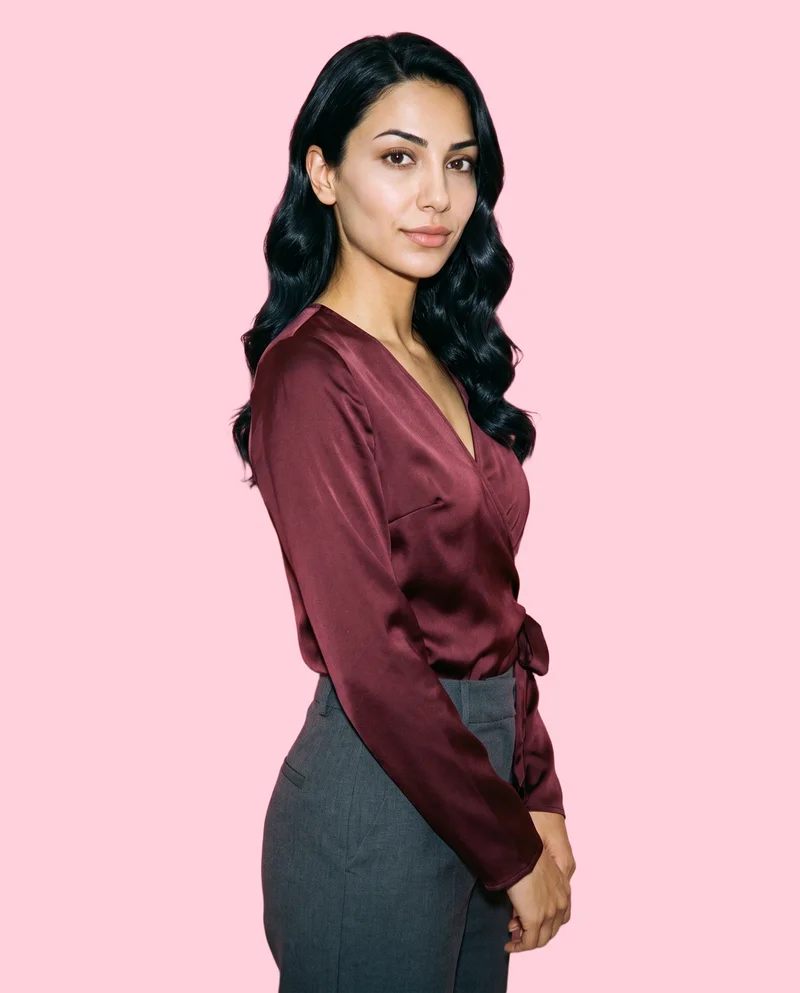
Next live webinar: See Rawshot in Action: Live AI Fashion Photoshoot Demo
Rawshot.ai
Buyer's guide

Top 10 Best Blouse AI On-model Photography Generator of 2026

Ranked picks for blouse teams that need garment fidelity, fast controls, and SKU scale

This ranking is for fashion commerce teams that need blouse images with consistent drape, collar shape, sleeve detail, and catalog framing without prompt writing. The list compares garment fidelity, click-driven controls, synthetic model quality, catalog consistency, commercial rights, API readiness, and fit for SKU-scale production.

Top 10 Best Blouse AI On-model Photography Generator of 2026
Disclosure

Rawshot publishes this guide, and Rawshot AI is our own product — shown first. Every tool is scored on the same public criteria, and sponsored placements are labeled. Where Rawshot isn't the right call, we say so.

Features 40%·Ease 30%·Value 30%·10 sources verified

Jannik LindnerJannik LindnerCo-Founder, Rawshot.ai
Updated
Read
18 min
Tools
10 compared
Sources
10 verified

Start here

Three ways to choose

Not a podium — three common situations, and the tool that fits each one best.

Editor's Pick

Fashion ecommerce brands and apparel sellers that want to generate realistic blouse on-model imagery quickly from existing product photos.

RawShot
RawShotOur product

AI fashion photography generator

AI transformation of flat apparel or product-only images into realistic on-model fashion photography tailored for ecommerce catalogs.

9.4/10/10Read review

Top Alternative

Fits when apparel teams need consistent blouse on-model images across large SKU catalogs.

Botika
Botika

Fashion catalog

Click-driven synthetic model generation for fashion catalogs with C2PA provenance support

9.0/10/10Read review

Editor's Pick: Also Great

Fits when fashion teams need consistent blouse imagery at SKU scale without prompt-heavy workflows.

Lalaland.ai
Lalaland.ai

Synthetic models

No-prompt synthetic model generation for fashion catalog imagery

8.7/10/10Read review

Side by side

Comparison Table

This comparison table focuses on blouse on-model generators that need strong garment fidelity, catalog consistency, and reliable output at SKU scale. It shows how each option handles click-driven controls, no-prompt workflow, synthetic models, and operational details such as C2PA support, audit trail coverage, REST API access, and commercial rights clarity.

1RawShot
RawShotFashion ecommerce brands and apparel sellers that want to generate realistic blouse on-model imagery quickly from existing product photos.
9.4/10
Feat
9.4/10
Ease
9.3/10
Value
9.4/10
Visit RawShot
2Botika
BotikaFits when apparel teams need consistent blouse on-model images across large SKU catalogs.
9.0/10
Feat
8.8/10
Ease
9.1/10
Value
9.3/10
Visit Botika
3Lalaland.ai
Lalaland.aiFits when fashion teams need consistent blouse imagery at SKU scale without prompt-heavy workflows.
8.7/10
Feat
8.5/10
Ease
8.9/10
Value
8.8/10
Visit Lalaland.ai
4Veesual
VeesualFits when fashion teams need blouse on-model images with consistent catalog presentation.
8.4/10
Feat
8.7/10
Ease
8.2/10
Value
8.2/10
Visit Veesual
5Resleeve
ResleeveFits when fashion teams need no-prompt blouse imagery with consistent styling controls.
8.1/10
Feat
8.0/10
Ease
8.3/10
Value
8.1/10
Visit Resleeve
6OnModel.ai
OnModel.aiFits when apparel teams need quick on-model blouse images from existing packshots.
7.8/10
Feat
7.7/10
Ease
7.8/10
Value
7.9/10
Visit OnModel.ai
7Vue.ai
Vue.aiFits when retail teams need no-prompt catalog imagery tied to commerce workflows.
7.5/10
Feat
7.6/10
Ease
7.5/10
Value
7.2/10
Visit Vue.ai
8Cala
CalaFits when fashion teams want AI imagery inside a broader apparel operations workflow.
7.2/10
Feat
7.1/10
Ease
7.0/10
Value
7.4/10
Visit Cala
9Ablo
AbloFits when apparel teams need no-prompt on-model images for mid-scale catalog production.
6.9/10
Feat
6.8/10
Ease
6.8/10
Value
7.0/10
Visit Ablo
10Pebblely
PebblelyFits when small sellers need quick blouse visuals, not strict catalog consistency.
6.5/10
Feat
6.5/10
Ease
6.6/10
Value
6.5/10
Visit Pebblely

Full reviews

Every tool in detail

We built RawShot, so we'll be upfront: here's how we designed it and who it's for. If that's not you, the other tools may fit better — we mean that.
#1RawShot

RawShot

AI fashion photography generatorSponsored · our product
9.4/10Overall

RawShot focuses on AI-generated fashion photography for apparel catalogs, helping brands create realistic model shots from existing garment images rather than organizing full studio productions. For a blouse AI on-model photography workflow, that makes it especially relevant to ecommerce teams that need visually consistent PDP images, editorial-style outputs, and faster asset turnaround across many SKUs. The product appears tailored to fashion-specific image generation rather than being a general-purpose image tool, which strengthens its fit for apparel merchandising.

A key advantage is its ability to convert flat-lay or standard product photos into more engaging on-model visuals that can improve presentation for online stores and campaigns. The tradeoff is that brands looking for fully manual art direction, highly complex pose control, or a traditional photoshoot replacement for every luxury campaign may still need human photography in some cases. It is especially useful when a retailer needs to launch a new blouse collection quickly and produce consistent imagery for storefronts, marketplaces, and ads.

Our score · features 40% · ease 30% · value 30%

Features9.4/10
Ease9.3/10
Value9.4/10

Strengths

  • Built specifically for apparel and fashion product imagery rather than generic image generation
  • Generates realistic on-model photos from existing garment or product images
  • Supports faster, scalable creation of ecommerce-ready visuals for large catalogs

Limitations

  • May not fully replace bespoke art-directed fashion shoots for premium campaign needs
  • Results depend on the quality and clarity of the original garment photos provided
  • Fashion teams needing very granular manual creative control may find AI generation less precise than traditional production
Where teams use it
DTC fashion brands
Launching a new blouse collection without scheduling a full model photoshoot

Marketing and ecommerce teams can upload product images of new blouse SKUs and generate polished on-model photos for product pages and launch assets. This helps the brand present the collection in a more lifestyle-oriented, conversion-friendly format.

OutcomeFaster collection launches with more engaging product presentation and less production bottleneck
Marketplace apparel sellers
Upgrading basic catalog images for blouse listings across multiple sales channels

Sellers with flat-lay or mannequin blouse photos can create more attractive model-based visuals to improve listing quality. This is useful for standardizing presentation across marketplaces and owned storefronts.

OutcomeMore professional listings and a stronger visual merchandising presence across channels
Fashion merchandising teams
Producing consistent on-model imagery for seasonal catalog updates

Merchandisers managing large apparel assortments can use RawShot to create cohesive visual assets for blouses and related categories at scale. The platform helps keep image style more uniform across many products.

OutcomeBetter catalog consistency and quicker asset generation for merchandising operations
Creative agencies serving apparel clients
Creating rapid concept visuals and ecommerce-ready assets for client campaigns

Agencies can use the platform to turn client product shots into realistic model imagery for pitch decks, storefront refreshes, or campaign testing. This supports quicker iteration before committing to a larger production plan.

OutcomeShorter creative turnaround and more flexible testing of visual directions
★ Right fit

Fashion ecommerce brands and apparel sellers that want to generate realistic blouse on-model imagery quickly from existing product photos.

✦ Standout feature

AI transformation of flat apparel or product-only images into realistic on-model fashion photography tailored for ecommerce catalogs.

Independently scored against published criteria.

Visit RawShot
#2Botika

Botika

Fashion catalog
9.0/10Overall

Retailers and fashion studios that need fast on-model blouse imagery with consistent framing are the clearest fit for Botika. Botika focuses on fashion catalog production rather than broad image generation, with synthetic models, controlled poses, and repeatable background outputs. The no-prompt workflow reduces operator variance and helps teams keep garment fidelity stable across colorways and product lines. REST API access also supports SKU-scale production pipelines for teams that automate catalog operations.

Botika works best when the goal is conversion-oriented catalog media instead of highly stylized editorial concepts. Creative range is narrower than prompt-heavy image systems, which can limit unusual art direction. That tradeoff suits apparel brands that need reliable blouse PDP images, rapid model diversity, and audit-friendly provenance. It is a strong match for teams replacing flat lays or mannequin shots with consistent on-model visuals.

Our score · features 40% · ease 30% · value 30%

Features8.8/10
Ease9.1/10
Value9.3/10

Strengths

  • Built specifically for fashion catalog image generation
  • No-prompt workflow supports repeatable click-driven controls
  • Strong garment fidelity for blouse shape, drape, and color consistency
  • Synthetic model swaps help localize catalog imagery
  • REST API supports SKU-scale batch production
  • C2PA support improves provenance and audit trail coverage

Limitations

  • Less suited to experimental editorial image direction
  • Creative control is narrower than prompt-centric generators
  • Output quality depends on clean source garment photography
Where teams use it
Apparel ecommerce managers
Replacing flat lays with on-model blouse PDP imagery across hundreds of SKUs

Botika converts existing garment photos into on-model catalog images with consistent framing and model presentation. The no-prompt workflow helps merchandising teams standardize output without relying on prompt craft.

OutcomeFaster catalog refreshes with stronger visual consistency across product pages
Fashion marketplace operations teams
Normalizing blouse imagery from multiple brands into one catalog style

Botika applies synthetic models and controlled backgrounds to reduce visual variation across supplier images. That consistency helps marketplaces present mixed inventories in a more unified format.

OutcomeCleaner category pages and fewer inconsistencies between brand submissions
Brand creative operations teams
Producing localized model imagery for regional blouse collections

Botika supports model variation without reshooting the same garment on multiple people. Teams can create market-specific outputs while keeping blouse presentation and composition aligned.

OutcomeBroader model representation without adding studio shoot complexity
Enterprise catalog automation teams
Integrating on-model image generation into SKU ingestion workflows

REST API access lets teams connect Botika to internal catalog systems and trigger image generation in batch. That setup supports high-volume apparel operations that need reliable, repeatable output.

OutcomeMore automated image production with less manual studio coordination
★ Right fit

Fits when apparel teams need consistent blouse on-model images across large SKU catalogs.

✦ Standout feature

Click-driven synthetic model generation for fashion catalogs with C2PA provenance support

Independently scored against published criteria.

Visit Botika
#3Lalaland.ai

Lalaland.ai

Synthetic models
8.7/10Overall

Fashion catalog creation is the core use case in Lalaland.ai, and that focus shows in the no-prompt workflow and synthetic model system. Teams can place garments on digital models, adjust model characteristics, and generate consistent on-model visuals for ecommerce assortments. That makes Lalaland.ai a closer fit for blouse catalog production than horizontal image generators that depend on prompt tuning. The operational model is better aligned with media teams that need repeatability at SKU scale.

A clear tradeoff is narrower creative range outside apparel presentation workflows. Teams seeking highly stylized editorial scenes or broad image manipulation will find the fashion catalog focus restrictive. Lalaland.ai fits best when a brand needs consistent blouse imagery across many products, regions, or model variations without rebuilding prompts for each asset. The strongest use case is controlled catalog output where garment fidelity and rights clarity matter more than open-ended visual experimentation.

Lalaland.ai is also better suited to organizations that need governance around generated media. Provenance signals, audit trail needs, and compliance expectations carry more weight in retail operations than in ad hoc content creation. REST API access and production-oriented workflows support integration into existing catalog pipelines. That combination makes the product relevant for teams managing large apparel libraries with repeatable standards.

Our score · features 40% · ease 30% · value 30%

Features8.5/10
Ease8.9/10
Value8.8/10

Strengths

  • Built specifically for fashion on-model imagery
  • Click-driven controls reduce prompt variability
  • Supports consistent synthetic model presentation across SKUs
  • Better garment fidelity focus than generic image generators
  • REST API supports catalog pipeline integration
  • Provenance and rights clarity fit enterprise retail workflows

Limitations

  • Less suitable for editorial or surreal image concepts
  • Narrower scope outside apparel visualization
  • Creative control is structured more than freeform
  • Best results depend on clean garment source assets
Where teams use it
Fashion ecommerce catalog teams
Generating blouse on-model images across large seasonal assortments

Lalaland.ai helps catalog teams create consistent on-model visuals without manually prompting each product image. Click-driven controls support repeatable presentation across fit, pose, and model variation choices.

OutcomeHigher catalog consistency across many blouse SKUs
Apparel brands with strict compliance requirements
Producing synthetic model imagery with provenance and commercial rights clarity

Lalaland.ai supports governance needs that matter in regulated brand environments. Provenance-focused workflows and rights clarity reduce approval friction for generated commerce media.

OutcomeSafer internal approval path for AI-generated product imagery
Retail operations and content systems teams
Integrating on-model image generation into product media pipelines

REST API access supports connection to existing catalog and asset workflows. That setup is useful for teams handling recurring image generation at scale rather than one-off creative projects.

OutcomeMore reliable batch production for catalog operations
Merchandising teams testing model diversity in product presentation
Showing the same blouse on varied synthetic models while keeping image standards stable

Lalaland.ai lets teams vary model attributes without rebuilding the entire production process. That supports assortment presentation testing while preserving catalog consistency.

OutcomeBroader representation with controlled visual consistency
★ Right fit

Fits when fashion teams need consistent blouse imagery at SKU scale without prompt-heavy workflows.

✦ Standout feature

No-prompt synthetic model generation for fashion catalog imagery

Independently scored against published criteria.

Visit Lalaland.ai
#4Veesual

Veesual

Virtual try-on
8.4/10Overall

In blouse AI on-model photography, catalog teams need garment fidelity and repeatable outputs more than broad image editing. Veesual focuses on virtual try-on for fashion retail, with click-driven controls that place blouse images on synthetic models while preserving visible cut, print, and color better than generic image generators.

The workflow reduces prompt writing and supports catalog consistency across model poses, body types, and merchandising sets. Veesual also fits teams that need provenance signals, commercial rights clarity, and reliable output paths for SKU-scale production.

Our score · features 40% · ease 30% · value 30%

Features8.7/10
Ease8.2/10
Value8.2/10

Strengths

  • Strong garment fidelity on blouse shape, pattern, and color placement
  • No-prompt workflow suits merchandising teams and studio operations
  • Built for fashion catalog consistency across synthetic model outputs

Limitations

  • Less flexible for non-fashion creative concepts and editorial scenes
  • Output quality depends on clean garment input images
  • Advanced API and compliance details are less visible than core try-on features
★ Right fit

Fits when fashion teams need blouse on-model images with consistent catalog presentation.

✦ Standout feature

Click-driven virtual try-on for blouse images on synthetic fashion models

Independently scored against published criteria.

Visit Veesual
#5Resleeve

Resleeve

Fashion imaging
8.1/10Overall

Generates on-model fashion images from flat lays and product photos with click-driven controls instead of prompt writing. Resleeve focuses on apparel workflows, including model swaps, background changes, relighting, and detail-preserving garment rendering for catalog use.

The interface supports no-prompt operational control, which helps teams keep blouse styling and framing more consistent across many SKUs. Resleeve is less focused on provenance and rights signaling than catalog systems that surface C2PA, audit trail data, or explicit compliance tooling.

Our score · features 40% · ease 30% · value 30%

Features8.0/10
Ease8.3/10
Value8.1/10

Strengths

  • Click-driven workflow reduces prompt variability across blouse shoots
  • Apparel-specific editing supports model swaps, relighting, and background replacement
  • Strong garment fidelity on visible design details and silhouette

Limitations

  • Limited visible provenance features such as C2PA and audit trail controls
  • Rights and compliance tooling is less explicit than enterprise catalog systems
  • Catalog-scale reliability signals are thinner than API-first production pipelines
★ Right fit

Fits when fashion teams need no-prompt blouse imagery with consistent styling controls.

✦ Standout feature

No-prompt on-model generation with click-driven apparel editing controls

Independently scored against published criteria.

Visit Resleeve
#6OnModel.ai

OnModel.ai

Catalog conversion
7.8/10Overall

Fashion teams that need fast blouse imagery from existing product photos will find OnModel.ai directly aimed at catalog production. OnModel.ai focuses on swapping mannequins, flat lays, and ghost mannequins into synthetic model shots with click-driven controls instead of prompt writing.

The workflow supports batch output for SKU scale, which helps maintain catalog consistency across large apparel sets. Garment fidelity is solid for straightforward tops, but fine fabric behavior, exact drape, and small trim details can shift, so teams need visual QA before publishing.

Our score · features 40% · ease 30% · value 30%

Features7.7/10
Ease7.8/10
Value7.9/10

Strengths

  • Built for apparel catalogs, not broad image generation
  • No-prompt workflow with click-driven model and background controls
  • Batch processing supports large SKU image conversion

Limitations

  • Fine blouse drape and trim details can change
  • Limited provenance and compliance signaling in published outputs
  • Rights and audit trail details are not deeply exposed
★ Right fit

Fits when apparel teams need quick on-model blouse images from existing packshots.

✦ Standout feature

Mannequin-to-model and flat-lay-to-model conversion for apparel catalogs

Independently scored against published criteria.

Visit OnModel.ai
#7Vue.ai

Vue.ai

Retail AI
7.5/10Overall

Built for retail merchandising rather than open-ended image prompting, Vue.ai centers on click-driven catalog workflows and apparel-focused automation. Vue.ai supports synthetic model imagery for fashion listings, with controls aimed at garment fidelity, consistent styling, and repeatable SKU-scale output across product ranges.

The broader commerce stack adds workflow orchestration, product data handling, and API-based integration, which suits teams that need on-model generation tied to existing catalog operations. The trade-off is narrower creative flexibility than prompt-heavy image models, and public detail on provenance markers, audit trail depth, and rights clarity remains limited.

Our score · features 40% · ease 30% · value 30%

Features7.6/10
Ease7.5/10
Value7.2/10

Strengths

  • Retail-focused workflow aligns with fashion catalog production
  • Click-driven controls reduce prompt dependence for operators
  • API integration supports large SKU pipelines

Limitations

  • Limited public detail on C2PA and provenance controls
  • Creative range appears narrower than prompt-led image models
  • Rights clarity for generated fashion imagery is not deeply documented
★ Right fit

Fits when retail teams need no-prompt catalog imagery tied to commerce workflows.

✦ Standout feature

Retail merchandising workflow with click-driven apparel image generation

Independently scored against published criteria.

Visit Vue.ai
#8Cala

Cala

Fashion workflow
7.2/10Overall

For blouse on-model photography, direct fashion workflow matters more than broad image generation breadth. Cala is distinct because it ties AI-generated fashion imagery to apparel design, sourcing, and merchandising operations instead of treating images as isolated outputs.

The product supports virtual try-on and model imagery tied to garment assets, which gives fashion teams a clearer path to catalog consistency than generic image generators. Its fit for this category is moderate because Cala emphasizes end-to-end fashion workflow management, while public detail on garment fidelity controls, C2PA provenance, audit trail depth, and catalog-scale API generation remains limited.

Our score · features 40% · ease 30% · value 30%

Features7.1/10
Ease7.0/10
Value7.4/10

Strengths

  • Direct relevance to fashion teams managing apparel from design through merchandising
  • Virtual try-on workflow aligns better with garment catalogs than generic image generators
  • Connects image creation to existing product and assortment data

Limitations

  • Limited public detail on click-driven controls for no-prompt image operations
  • Sparse evidence of C2PA provenance or asset-level audit trail support
  • Unclear SKU-scale reliability for large blouse catalog refreshes
★ Right fit

Fits when fashion teams want AI imagery inside a broader apparel operations workflow.

✦ Standout feature

Fashion-linked virtual try-on integrated with product creation and merchandising workflow

Independently scored against published criteria.

Visit Cala
#9Ablo

Ablo

Brand imagery
6.9/10Overall

Generates on-model fashion images from flat lays and packshots with click-driven controls instead of prompt writing. Ablo focuses on apparel e-commerce workflows, including synthetic models, background changes, and batch production for catalog use.

The product is relevant for blouse photography because it targets garment fidelity, repeatable framing, and SKU-scale output through a no-prompt workflow. Public product materials show fashion-specific generation, but they provide limited detail on C2PA support, audit trail depth, and explicit commercial rights terms.

Our score · features 40% · ease 30% · value 30%

Features6.8/10
Ease6.8/10
Value7.0/10

Strengths

  • No-prompt workflow suits merchandising teams that need click-driven controls.
  • Fashion-focused generation supports synthetic models and catalog-style outputs.
  • Batch-oriented workflow fits higher SKU counts than ad hoc image tools.

Limitations

  • Limited public detail on C2PA provenance and audit trail coverage.
  • Rights and compliance terms are not surfaced with strong specificity.
  • Garment fidelity controls are less documented than specialist apparel rivals.
★ Right fit

Fits when apparel teams need no-prompt on-model images for mid-scale catalog production.

✦ Standout feature

Click-driven on-model generation for fashion catalogs without prompt writing.

Independently scored against published criteria.

Visit Ablo
#10Pebblely

Pebblely

Product staging
6.5/10Overall

For small apparel teams that need fast blouse imagery without arranging studio shoots, Pebblely fits simple catalog refresh work. Pebblely is distinct for click-driven product photo generation that turns a flat garment image into staged ecommerce visuals with background replacement and scene control.

Its workflow favors speed over garment fidelity, so blouse drape, sleeve structure, fabric texture, and fit consistency can shift across outputs compared with fashion-specific on-model systems. Pebblely does not center synthetic models, provenance controls, C2PA marking, audit trail features, or explicit fashion catalog compliance workflows, which limits confidence for SKU-scale on-model production.

Our score · features 40% · ease 30% · value 30%

Features6.5/10
Ease6.6/10
Value6.5/10

Strengths

  • Click-driven workflow needs little or no prompt writing
  • Fast background and scene generation from a product image
  • Useful for simple ecommerce refreshes and marketplace visuals

Limitations

  • Weak blouse on-model specialization compared with fashion-focused generators
  • Garment fidelity can drift in fit, folds, and fabric detail
  • Limited provenance, audit trail, and rights clarity for enterprise teams
★ Right fit

Fits when small sellers need quick blouse visuals, not strict catalog consistency.

✦ Standout feature

Click-driven product photo generation from a single garment image

Independently scored against published criteria.

Visit Pebblely

In short

Conclusion

RawShot is the strongest fit when a team needs realistic blouse on-model images from existing flat shots with strong garment fidelity and fast output. Botika fits catalog operations that need click-driven controls, catalog consistency, C2PA provenance, and clear commercial rights across large SKU sets. Lalaland.ai fits teams that want a no-prompt workflow with consistent synthetic models and reliable output at SKU scale. The best choice depends on whether the priority is photo-to-model conversion speed, operational control and audit trail, or no-prompt consistency.

Buyer's guide

How to Choose the Right Blouse Ai On-Model Photography Generator

Choosing a blouse AI on-model photography generator depends on garment fidelity, catalog consistency, and operational control. RawShot, Botika, Lalaland.ai, Veesual, and Resleeve lead this category because each one is built around apparel image production rather than broad image generation.

This guide focuses on the differences that matter in production. It covers click-driven controls, synthetic models, batch reliability, provenance, rights clarity, and the trade-offs between catalog use and campaign use across tools such as OnModel.ai, Vue.ai, Cala, Ablo, and Pebblely.

How blouse on-model generators turn packshots into catalog-ready model imagery

A blouse AI on-model photography generator converts flat lays, ghost mannequins, or product-only blouse photos into images of garments worn by synthetic models. RawShot and OnModel.ai both focus on this workflow, which replaces much of the manual work involved in reshooting existing blouse inventory on human models.

These products solve a specific retail problem. Fashion ecommerce teams, marketplace sellers, and merchandising studios use Botika, Lalaland.ai, and Veesual to keep blouse shape, color, and styling more consistent across large SKU sets without writing prompts for every image.

Production capabilities that matter for blouse catalog output

The strongest products in this category do not win on image variety alone. They win on repeatable blouse rendering, no-prompt control, and reliable output across many SKUs.

Fashion teams also need clear provenance and operational fit. Botika, Lalaland.ai, and Vue.ai matter more for catalog use because they pair apparel-specific generation with structured workflows instead of open-ended prompting.

  • Garment fidelity for shape, drape, and color

    Botika and Veesual put the most emphasis on preserving blouse shape, drape, print, and color placement. RawShot also performs well here because it is built to transform existing apparel photos into realistic ecommerce-ready model imagery.

  • Click-driven no-prompt workflow

    Lalaland.ai, Botika, Resleeve, and OnModel.ai reduce prompt variability with model, pose, and background controls that operators can select directly. This matters for catalog teams that need repeatable outputs from non-creative staff.

  • Synthetic model and localization controls

    Botika and Lalaland.ai are strong choices when teams need synthetic model variation across body types and presentation styles. Those controls help regional catalogs stay consistent while adapting model attributes for different markets.

  • SKU-scale batch production and API support

    Botika, Lalaland.ai, Vue.ai, and OnModel.ai support catalog workflows that extend beyond single-image generation. Botika and Lalaland.ai add REST API support, which makes them better suited to batch processing across large apparel assortments.

  • Provenance, audit trail, and rights clarity

    Botika stands out with C2PA support, which gives retail teams stronger provenance coverage for generated assets. Lalaland.ai also fits enterprise workflows better than Resleeve, Ablo, and OnModel.ai because it places more emphasis on provenance and commercial rights clarity.

  • Apparel-specific editing after generation

    Resleeve adds useful post-generation controls such as model swaps, relighting, and background replacement. That makes Resleeve more flexible than RawShot for teams that want structured editing without moving into prompt-led creative tools.

A practical shortlist process for catalog, campaign, and social blouse imagery

The right choice starts with the production job, not the feature list. Catalog refreshes, marketplace conversion, and campaign-style creative work need different levels of fidelity, control, and compliance.

A strong decision process compares source image requirements, output consistency, and downstream operational needs. RawShot, Botika, and Veesual fit different points on that spectrum.

  • Match the tool to the image source already in the catalog

    RawShot and OnModel.ai are strong fits when the starting assets are flat lays, mannequin photos, or existing product shots. OnModel.ai is especially relevant for mannequin-to-model and flat-lay-to-model conversion, while RawShot produces more polished ecommerce imagery from those same types of inputs.

  • Decide how much garment fidelity the blouse category requires

    For blouses with visible drape, trim, sleeve shape, or prints, Botika and Veesual deserve priority because both are built around garment-preserving output. OnModel.ai is faster for straightforward tops, but fine drape and trim details can shift and require stronger visual QA.

  • Choose between strict catalog consistency and broader creative flexibility

    Botika and Lalaland.ai work well for teams that need the same framing, model behavior, and styling logic across many SKUs. Resleeve offers more room for styling changes, relighting, and background replacement, which helps when the workflow needs some creative variation without leaving apparel-specific controls.

  • Check production reliability at SKU scale

    Botika, Lalaland.ai, Vue.ai, and OnModel.ai are more relevant for high-volume catalog operations because they support batch workflows or API-led integration. Pebblely and Cala are less convincing for large blouse refreshes because catalog-scale reliability details are thinner and fashion on-model production is not their central strength.

  • Screen for provenance and rights requirements before rollout

    Botika is the strongest option when asset provenance matters because it includes C2PA support and stronger audit trail coverage. Lalaland.ai is also better aligned with enterprise retail requirements than Ablo, OnModel.ai, and Pebblely, which expose less detail on rights clarity and compliance controls.

Which fashion teams get the most value from these blouse image systems

These products serve different operating models inside apparel businesses. Some are built for fast catalog conversion from existing packshots, while others are built for larger merchandising pipelines with stricter consistency requirements.

The strongest fit usually appears where blouse imagery is repeated across many SKUs. RawShot, Botika, Lalaland.ai, and OnModel.ai cover the clearest use cases.

  • Fashion ecommerce brands converting existing blouse photos into model imagery

    RawShot fits this group well because it turns flat apparel photos and product-only images into realistic on-model visuals tailored for ecommerce catalogs. OnModel.ai also works here for teams converting mannequin and ghost mannequin assets into model-worn listings.

  • Merchandising teams managing large blouse catalogs

    Botika and Lalaland.ai are the strongest matches for large SKU sets because both focus on click-driven consistency, synthetic model control, and repeatable catalog presentation. Vue.ai also fits retail operators that want image generation tied to broader merchandising workflows.

  • Studio teams that need no-prompt controls with styling adjustments

    Resleeve is a good match for operators who need model swaps, relighting, and background changes while staying inside an apparel-specific workflow. Veesual also suits this group when try-on style output and garment-preserving blouse presentation matter more than broad creative concepts.

  • Fashion businesses running image creation inside wider product workflows

    Cala fits teams that want AI imagery connected to product creation, sourcing, and merchandising data rather than a standalone image generator. Vue.ai serves a similar audience from the retail operations side with stronger commerce workflow alignment.

  • Small sellers that need quick blouse visuals more than strict consistency

    Pebblely works for lightweight ecommerce refreshes and marketplace scenes where speed matters more than exact fit preservation. Ablo can also suit mid-scale teams that want click-driven on-model output without moving into a more enterprise-focused catalog stack.

Buying errors that cause weak blouse output and messy catalog operations

Most failed rollouts come from choosing on speed alone. Blouse catalogs break down when fabric behavior, fit lines, and trim details drift between SKUs.

The second failure point is operational. Teams often ignore provenance, rights clarity, or API fit until assets are already in circulation.

  • Using a generic product photo generator for blouse fit-critical work

    Pebblely is useful for quick merchandising scenes, but blouse drape, sleeve structure, and fabric texture can drift across outputs. Botika, Veesual, and RawShot are safer choices when blouse silhouette and color consistency need to hold across a catalog.

  • Ignoring source image quality

    RawShot, Botika, Lalaland.ai, Veesual, and OnModel.ai all depend on clean garment photography to preserve blouse details. Poor packshots produce weaker output even in strong systems, so teams should standardize flat lays, lighting, and garment preparation before batch generation.

  • Buying for creative freedom instead of no-prompt operational control

    Prompt-heavy experimentation is less useful for daily catalog work than structured controls. Botika, Lalaland.ai, and Resleeve keep operators inside click-driven workflows that produce more consistent framing and model presentation across many SKUs.

  • Overlooking provenance and rights controls

    Resleeve, Ablo, OnModel.ai, and Pebblely expose less detail on C2PA, audit trail features, or explicit rights handling. Botika is the safest option when provenance must travel with the asset, and Lalaland.ai offers stronger rights and enterprise workflow alignment than many mid-tier alternatives.

  • Assuming batch output means true catalog-scale reliability

    Ablo and OnModel.ai support batch-oriented workflows, but Botika, Lalaland.ai, and Vue.ai go further for sustained SKU-scale operations because they pair repeatable controls with stronger integration paths. Cala is more useful inside wider apparel workflows than as a primary engine for large blouse catalog refreshes.

How We Selected and Ranked These Tools

We evaluated each product through editorial research and criteria-based scoring focused on blouse on-model photography for fashion use. We rated every tool on features, ease of use, and value, and the overall score gives the most weight to features at 40% while ease of use and value each account for 30%.

We prioritized apparel-specific generation, garment fidelity, no-prompt workflow design, catalog consistency, and operational relevance for retail teams. We also considered provenance signals, rights clarity, and API support where those capabilities were clearly surfaced.

RawShot separated itself by turning flat apparel photos and product-only images into realistic on-model fashion photography tailored for ecommerce catalogs. That capability lifted its features score and supported its strong value score because it directly addresses the core catalog conversion job that many lower-ranked products handle with less apparel-specific focus.

Frequently Asked Questions About Blouse Ai On-Model Photography Generator

Which blouse AI on-model photography generators preserve garment fidelity better than generic image tools?
Lalaland.ai, Veesual, and Botika are built for fashion catalogs, so they target garment fidelity in blouse cut, print, and color instead of broad image variation. OnModel.ai works well for straightforward tops, but fine drape, trim detail, and fabric behavior need closer QA than with Veesual or Lalaland.ai.
Which products use a no-prompt workflow for blouse image production?
Botika, Lalaland.ai, Resleeve, Veesual, OnModel.ai, and Ablo use click-driven controls rather than prompt writing. That setup helps merchandising teams swap models, change backgrounds, and keep framing consistent across blouse SKUs without prompt iteration.
What works best for catalog consistency across large blouse SKU sets?
Botika and Lalaland.ai fit large SKU catalogs because both center synthetic models and repeatable, click-driven controls for consistent output. Vue.ai also fits SKU scale when teams need on-model generation tied to broader catalog operations and workflow orchestration.
Which tools handle flat lays, mannequins, or ghost mannequin shots most directly?
OnModel.ai is the most direct fit for converting mannequins, flat lays, and ghost mannequin inputs into synthetic model images. RawShot and Resleeve also generate on-model results from product-only photos, but OnModel.ai is more explicit about those source formats.
Which options offer stronger provenance or compliance signals for retail image workflows?
Botika has the clearest provenance signal because it includes C2PA support and rights-focused controls for retail teams. Lalaland.ai and Veesual also align better with compliance-sensitive catalog work than Resleeve, Ablo, or Pebblely, which expose less public detail on C2PA and audit trail depth.
Which blouse generators are better suited to API or operational integration?
Vue.ai is the strongest fit when on-model generation needs to connect with existing commerce systems because it adds workflow orchestration, product data handling, and API-based integration. Cala also ties imagery to apparel operations, but its public detail on catalog-scale API generation is thinner than Vue.ai.
What is the main tradeoff between fashion-specific tools and simpler product photo generators?
Fashion-specific products such as Veesual, Lalaland.ai, and Botika focus on garment fidelity and catalog consistency. Pebblely favors speed and simple scene generation, so blouse drape, sleeve structure, and fit consistency can shift more across outputs.
Which tools fit small teams that need quick blouse images without a full catalog system?
RawShot and OnModel.ai fit teams that want fast on-model blouse images from existing product photos without a broad merchandising stack. Pebblely also suits quick refresh work, but it is weaker when synthetic model realism and strict catalog consistency matter.
Which products are better for rights and reuse in commercial retail content?
Botika stands out most clearly for commercial rights framing and provenance support, which makes reuse in retail workflows easier to evaluate. Lalaland.ai also presents stronger rights and production relevance than Ablo, Cala, or Vue.ai, where public detail on commercial rights terms is less explicit.

Sources

Tools featured in this Blouse Ai On-Model Photography Generator list

Direct links to every product reviewed in this Blouse Ai On-Model Photography Generator comparison.