
— Mood-led imagery · 150+ styles · 4K
Build campaign-ready fashion direction with the AI Pinterest Board Generator
Create mood-board-inspired fashion imagery that still stays anchored to the real garment. Direct camera, framing, style, light, and product focus with clicks inside the interface, then generate consistent outputs for ecommerce, lookbooks, or launch decks. No studio. No shipped samples. No prompts.
- ~$0.55 per image
- ~30–40s per generation
- 150+ styles
- 2K or 4K
- Every aspect ratio
- Full commercial rights
7-day free trial • 50 tokens (10 images) • Cancel anytime

Direct the shoot. Zero prompts.
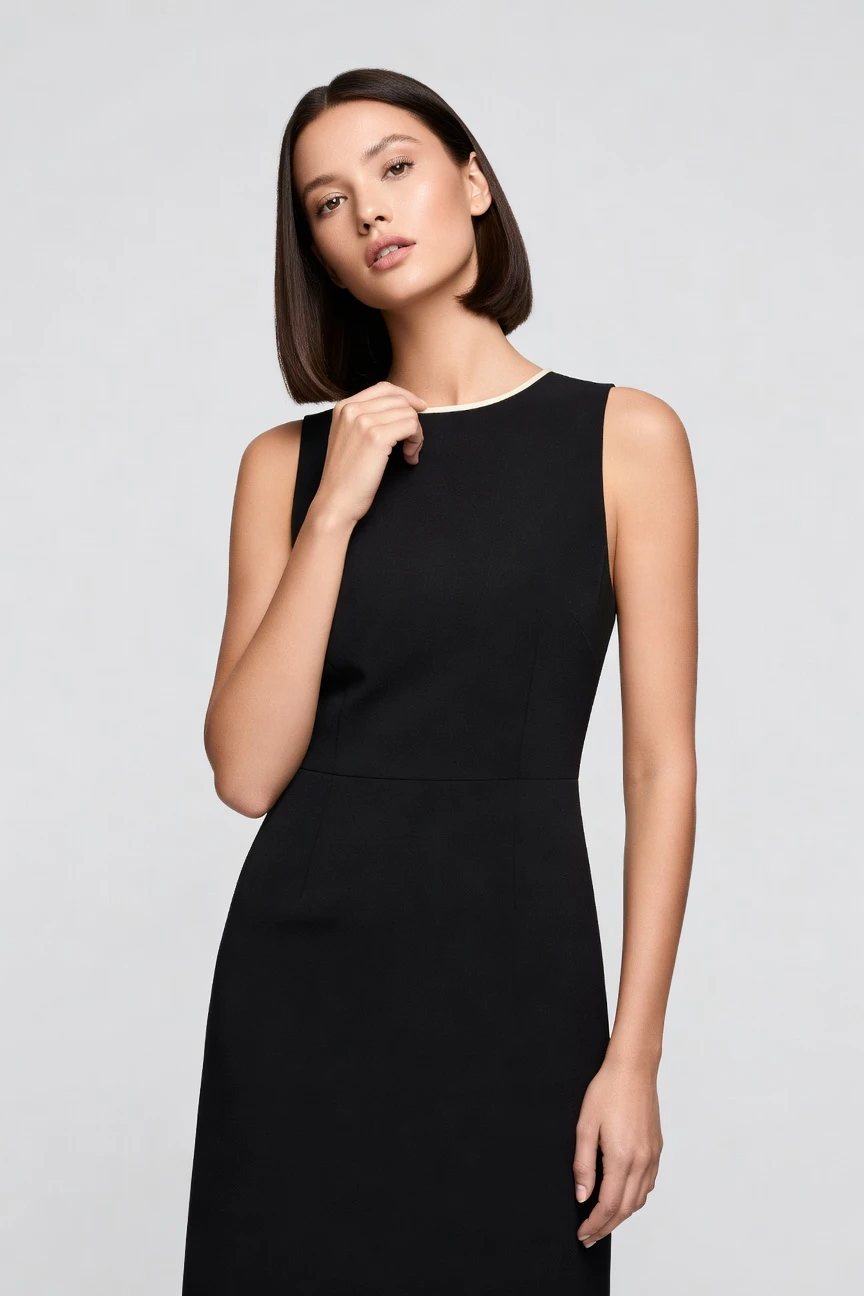
For a Pinterest-board-led workflow, the setup leans into a tighter half-body crop, 85mm lens, portrait 4:5 framing, and 4K output. You click into a polished campaign look while keeping the garment, cut, and branding at the centre. ~$0.55 per image · ~30-40s
- 4 clicks · 0 keystrokes
- app.rawshot.ai / new_shoot
How it works
Turn Board Energy Into Product Imagery
Use mood-led controls to direct the aesthetic, then generate outputs that stay faithful to the real garment across channels and teams.
- Step 01
Set the Visual Direction
Start from the mood you want to capture, then choose framing, lens, aspect ratio, style, and product focus in the interface. You shape the board-inspired direction with visible controls instead of syntax.
- Step 02
Keep the Garment in Charge
Upload the real product and adjust the shoot around it. RAWSHOT is engineered to represent cut, colour, pattern, logo, and drape faithfully while you steer the scene.
- Step 03
Generate and Scale Variants
Create campaign selects, social crops, or catalog-ready stills from the same setup. Use the browser for one-off creative work or the API when the same visual system needs to cover a full SKU range.
Spec sheet
Proof for Mood-Led Fashion Production
These twelve proof points show how RAWSHOT turns visual direction into operationally usable imagery without losing the garment, the rights, or the audit trail.
- 01
Built on Synthetic Model Architecture
Every model is a synthetic composite built from 28 body attributes with 10+ options each. Accidental real-person likeness is statistically negligible by design.
- 02
Every Setting Is a Click
Camera, angle, frame, pose, light, background, and style live in buttons, sliders, and presets. You direct the shoot in an application, not a chat box.
- 03
The Garment Stays the Brief
RAWSHOT is engineered around the product itself. Cut, colour, pattern, logo, fabric, and proportion stay central instead of being bent around vague text input.
- 04
Diverse Synthetic Casts
Select from broad body and appearance combinations for inclusive fashion imagery. That lets small brands build representation into the shoot from the start.
- 05
Consistency Across Variant Sets
Use the same model logic, framing choices, and visual direction across many looks. That keeps campaign boards, PDPs, and launch assets from drifting apart.
- 06
150+ Styles for Board Matching
Move from clean catalog to editorial noir, street flash, vintage, or campaign gloss with presets. You can align the output to a saved visual direction fast.
- 07
2K, 4K, and Every Ratio
Generate square, portrait, landscape, or platform-native crops without rebuilding the whole concept. Stills are available in 2K and 4K for commerce and brand use.
- 08
Labelled and Compliance Ready
Outputs are C2PA-signed, AI-labelled, and protected with visible and cryptographic watermarking. RAWSHOT is built for EU-hosted, GDPR-conscious, transparent deployment.
- 09
Signed Audit Trail per Image
Each output carries provenance metadata tied to what it is. That gives brand, legal, and marketplace teams a clear record for review and downstream handling.
- 10
GUI for One Shoot, API for Scale
Use the browser interface for creative selection and the REST API for catalog pipelines. The same engine supports one lookbook frame or thousands of product images.
- 11
Predictable Speed and Pricing
Stills run at about $0.55 per image and usually generate in 30–40 seconds. Tokens never expire, and failed generations refund their tokens.
- 12
Rights Stay Clear
Every output includes full commercial rights, permanent and worldwide. That makes mood-led imagery usable across PDPs, ads, email, marketplaces, and brand decks.
Outputs
Board-Led Outputs, Garment First
From polished campaign stills to cleaner commerce crops, the same product can move through multiple visual directions without losing fidelity. You keep the mood reference while staying grounded in the real item.


Browse 150+ visual styles →
Comparison
RAWSHOT vs category tools vs DIY prompting
Three lenses on every dimension — what you optimize for in RAWSHOT versus typical category tools and blank-box AI workflows.
01
Interface
RAWSHOT
Click-driven controls for lens, framing, light, style, and product focusCategory tools + DIY
Usually mix preset toggles with limited text-led direction. DIY prompting: Relies on typed instructions and repeated trial-and-error wording02
Garment fidelity
RAWSHOT
Engineered to represent cut, colour, pattern, logo, and drape faithfullyCategory tools + DIY
Often prioritise overall scene mood over precise garment representation. DIY prompting: Garments drift, logos change, and product details get invented03
Model consistency
RAWSHOT
Same model logic can stay stable across many SKU variantsCategory tools + DIY
Consistency exists, but often with narrower control and pricing gates. DIY prompting: Faces, body shape, and styling shift between outputs unpredictably04
Provenance and labelling
RAWSHOT
C2PA-signed, AI-labelled, with visible and cryptographic watermarkingCategory tools + DIY
Labelling varies and provenance metadata is not always explicit. DIY prompting: No reliable provenance metadata or standard downstream audit trail05
Commercial rights
RAWSHOT
Full commercial rights to every output, permanent and worldwideCategory tools + DIY
Rights are sometimes plan-dependent or buried in platform terms. DIY prompting: Usage clarity is often unclear across models, tools, and training sources06
Iteration workflow
RAWSHOT
Adjust one control, regenerate fast, keep the garment and setup groundedCategory tools + DIY
Often faster than studios but less exact in directorial adjustments. DIY prompting: Each variation means rewriting instructions and hoping details persist07
Pricing transparency
RAWSHOT
Roughly $0.55 per image, tokens never expire, one-click cancelCategory tools + DIY
Frequently seat-based, tiered, or gated behind sales conversations. DIY prompting: Cheap to start, but time cost rises with retries and failed outputs08
Catalog scale
RAWSHOT
Browser GUI and REST API use the same production engineCategory tools + DIY
Scale features may sit behind enterprise packaging or service layers. DIY prompting: No dependable SKU pipeline, audit layer, or batch-ready garment workflow
Prompting does not scale
Stop writing essays. Direct the shoot.
Most AI photo tools start with a blank text box. Rawshot turns the shoot into repeatable controls, so creative teams can produce consistent fashion imagery without prompt syntax or one-off hacks.
Category norm
ManualCreate a premium editorial fashion photograph of a model wearing the exact navy oversized wool coat from SKU-1842, full-body crop, realistic hands, consistent facial identity, clean e-commerce lighting, subtle Paris street background, 85mm lens, no logo distortion, no fabric hallucination, same pose as last campaign, repeatable for all colorways...
A prompt can describe one image. It cannot become a shared production system for hundreds of products, models, angles and markets.
Rawshot
ClicksSaved shoot recipe
Apply to 1 SKU or 10,000 via GUI, CSV or REST API.
Rawshot makes creative direction visible: buttons, presets and sliders instead of hidden prompt craft. The result is easier to teach, faster to approve and built for repeat production.
Use cases
Who Uses Mood-Led Product Imagery
Operator archetypes and how click-directed, garment-first output fits the way they actually work.
- 01
Indie Designers Building a First Visual World
Turn a saved aesthetic direction into on-model stills before a traditional studio budget exists.
Confidence · high
- 02
DTC Teams Testing Launch Directions
Generate multiple board-inspired campaign routes for the same drop, then choose the strongest one for paid and onsite.
Confidence · high
- 03
Crowdfunding Founders Pre-Sample
Photograph garments before production samples travel, so the pitch page can sell the idea with product-led imagery.
Confidence · high
- 04
Marketplace Sellers Upgrading Listings
Move beyond flat listings into cleaner on-model visuals that still stay faithful to the actual item.
Confidence · high
- 05
Vintage and Resale Curators
Create consistent presentation across one-off pieces while preserving the quirks that make each garment sell.
Confidence · high
- 06
Kidswear Brands Planning Seasonal Stories
Build soft, warm, or catalog-clean directions from the same garments without resetting the whole shoot each time.
Confidence · high
- 07
Adaptive Fashion Labels Showing Fit Clearly
Use controlled framing and product focus to communicate closures, proportions, and practical design details.
Confidence · high
- 08
Lingerie DTC Teams Needing Careful Direction
Shape a tasteful visual system with precise camera, crop, and style control instead of vague generative guesswork.
Confidence · high
- 09
Merchandisers Assembling Visual Boards
Translate the feel of a Pinterest board into usable product imagery for line reviews, internal decks, and launch planning.
Confidence · high
- 10
Social Teams Creating Platform Crops
Generate 1:1 and 4:5 stills from the same direction so campaign assets stay coherent across channels.
Confidence · high
- 11
Catalog Managers Covering Broad SKU Ranges
Apply one visual system across many products through the browser or REST API without changing quality or rights.
Confidence · high
- 12
Agencies Pitching Fashion Concepts Fast
Show clients multiple mood-led image routes anchored to real garments before committing to a live production.
Confidence · high
— Principle
Honest is better than perfect.
Mood-led imagery needs trust as much as taste. Every RAWSHOT output is AI-labelled, C2PA-signed, and protected with visible plus cryptographic watermarking, so board-inspired fashion visuals carry clear provenance instead of ambiguity. That matters when concepts move from internal decks to PDPs, marketplaces, ads, and partner review.
Rights & provenance
Full commercial rights. Forever.
- C2PA-signed on every image — EU AI Act Article 50 compliant
- 28-attribute synthetic models — real-person likeness statistically impossible
- Full commercial rights to every generation — no recurring licensing fees
- Tokens never expire · One-click cancel · Transparent pricing
EU AI Act
C2PA
Commercial use
Pricing
~$0.55 per image.
~30–40 seconds per generation. Tokens never expire. Cancel in one click.
- 01The cancel button is on the pricing page.
- 02No per-seat gates. No 'contact sales' walls for core features.
- 03Failed generations refund their tokens.
- 04Full commercial rights to every output, permanent, worldwide.
FAQ
Practical answers on control, rights, pricing, scale, and compliant publishing.
Do I need to write prompts to use RAWSHOT?
Never—you direct every output with sliders, presets, and clicks on the garment, not typed prompts. That matters because most fashion teams do not need another writing task; they need a repeatable way to choose lens, framing, product focus, background, aspect ratio, and visual style without translating brand taste into command syntax. RAWSHOT is built like an application for operators, so buyers, marketers, founders, and merchandisers can all work from the same controls and get consistent outputs from the same product inputs.
For commerce teams, reliability beats novelty. RAWSHOT keeps the workflow explicit with visible settings, image pricing at about $0.55, typical generation times around 30–40 seconds, refunded tokens on failed generations, and the same control logic across browser GUI and REST API. That makes launches easier to plan because the process is inspectable, repeatable, and grounded in the garment rather than in rewritten text experiments.
What does an ai pinterest board generator actually change for fashion ecommerce teams?
It changes the gap between inspiration and usable product imagery. Most teams already collect references, save visual directions, and align internally around mood, styling, and channel fit, but that does not automatically produce clean assets for a PDP, campaign page, or launch deck. RAWSHOT turns that visual direction into a controlled shoot workflow where you select camera, crop, lighting, style, and output format while keeping the real garment central. The result is not a vague mood picture detached from product reality; it is fashion imagery shaped by the board and anchored to the item you need to sell.
Operationally, that means faster movement from merchandising intent to publishable assets. A team can use portrait crops for social, cleaner frames for commerce, and multiple style directions for internal review without booking a studio day for every concept. Because outputs are labelled, C2PA-signed, and covered by full commercial rights, the imagery is easier to route through approval, marketplace, and campaign workflows.
Why skip reshooting every SKU when a season mood changes?
Because a season change often affects visual language more than it changes the garment itself. Brands refresh the atmosphere around products all the time: warmer light, sharper crops, cleaner backdrops, heavier editorial tension, or a more commercial presentation for late-stage sell-through. Rebooking traditional photography for each of those shifts is expensive and slow, especially when the underlying product details have not changed. RAWSHOT lets you keep the item at the centre while adjusting the visual system around it through controls, presets, and aspect-ratio choices.
That gives merchandisers and growth teams a practical way to test seasonal direction without rebuilding production from zero. You can generate stills in about 30–40 seconds, pay around $0.55 per image, and keep tokens available until you need them. In practice, that means teams can refresh launch pages, update ads, or refine lookbook direction as the market changes instead of treating every aesthetic update as a new physical shoot.
How do we turn flat garments into catalogue-ready imagery without prompting?
You start with the garment, then direct the output through the interface. In RAWSHOT, you choose framing, lens, lighting, background, style preset, aspect ratio, and product focus as visible production decisions, not as text instructions. That structure matters for catalog work because teams need outputs that can be repeated, checked, and adjusted quickly by more than one person. A buyer can prefer a cleaner crop, a marketer can ask for a warmer visual direction, and a content lead can request a 4:5 version for launch assets without anyone rewriting the whole workflow.
The platform is engineered around the item itself, so cut, colour, pattern, logo, drape, and proportion stay central. From there, you can generate 2K or 4K stills, compare variants, and carry the same setup into broader SKU runs. For operations, the takeaway is simple: build a visual system in controls, not in fragile text, so more of the team can produce commerce-ready imagery reliably.
Why does RAWSHOT beat DIY prompting in ChatGPT, Midjourney, or generic image tools for fashion PDPs?
The short answer is garment control and operational clarity. Generic image tools are good at broad visual suggestion, but fashion PDPs need the product to stay stable across outputs, not merely attractive in isolation. When teams rely on DIY text workflows, they run into drifting garments, invented logos, inconsistent faces, and repeated retries just to maintain one coherent visual line. That is a poor fit for product detail, approval chains, and catalog repeatability, where consistency matters more than surprise.
RAWSHOT is built for that commerce reality. You direct the shoot with interface controls, not text, and the platform is designed around fashion-specific output needs such as product focus, aspect ratios, style presets, provenance, and rights clarity. Every image can carry C2PA metadata, watermarking cues, and an audit trail, while browser and API workflows share the same production logic. For a fashion team, that means fewer interpretation errors and a much cleaner path from generation to publication.
Can we use labelled outputs from RAWSHOT in ads, PDPs, and brand campaigns?
Yes. RAWSHOT provides full commercial rights to every output, permanent and worldwide, which makes the images usable across ecommerce, paid media, email, social, lookbooks, and partner materials. Just as important, the platform treats transparency as part of the product, not as fine print. Outputs are AI-labelled, C2PA-signed, and protected with visible plus cryptographic watermarking, so teams are not left guessing how to handle provenance when assets move into broader circulation.
That combination matters for modern brand operations. Commerce teams need rights clarity for publishing, legal teams need evidence of what an asset is, and marketplaces increasingly care about labelling and attribution signals. Because RAWSHOT is EU-hosted and built with transparent output handling in mind, teams can adopt board-led fashion imagery without sacrificing governance. The practical move is to treat provenance as part of your workflow from day one, not as a cleanup task after the campaign is already live.
What should our team check before publishing AI-assisted fashion stills?
Start with the garment. Review whether cut, colour, pattern, logo placement, fabric feel, and proportion match the real item closely enough for commerce use. Then check the framing, crop, and styling against the channel where the image will live, since a campaign portrait and a PDP image solve different problems. Finally, confirm that provenance and labelling signals are intact so the asset is not visually useful but operationally ambiguous. Publishing quality is not only about aesthetics; it is also about whether the image can be trusted, reused, and reviewed later.
RAWSHOT supports that checklist directly. Outputs can include C2PA provenance metadata, visible and cryptographic watermarking, and per-image audit information, while the interface keeps production decisions explicit rather than buried in text history. Teams should build a simple release gate: garment fidelity first, channel fit second, provenance third. That keeps visual direction ambitious without losing the discipline required for catalog, paid, and marketplace publishing.
How much does image generation cost for mood-board-led fashion shoots?
For still imagery, RAWSHOT runs at about $0.55 per image, and most generations complete in roughly 30–40 seconds. Tokens never expire, failed generations refund their tokens, and cancellation is available in one click from the pricing page. Those details matter because creative exploration is only useful when teams can budget it clearly. If every test angle, crop, or visual style feels financially vague, operators stop experimenting and default back to whatever they already know.
RAWSHOT keeps the economics legible for both small and large teams. A founder can generate a handful of mood-led launch images without entering a complex contract, while a larger ecommerce team can plan broader output runs with the same unit logic. There are no per-seat gates for core features, so the platform scales with the work rather than charging extra for collaboration. In practice, that means teams can test direction, compare variants, and publish selectively without hidden friction.
Can RAWSHOT plug into Shopify-scale catalog workflows through an API?
Yes. RAWSHOT supports a browser GUI for single-shoot creative work and a REST API for catalog-scale production, so the same product can serve both a marketer selecting hero images and an operations team handling large SKU sets. That shared engine matters because fashion teams often break when inspiration tools and production tools are separate systems. If the concepting stage happens in one place and the scalable asset workflow lives somewhere else, consistency drops and handoff time rises.
With RAWSHOT, teams can establish a visual system in the interface, then carry that logic into repeatable API-based production. That is useful for Shopify-scale catalogs, marketplace feeds, launch pages, and seasonal refreshes where the same product family needs coherent treatment at volume. The practical benefit is not just throughput; it is the ability to keep one standard for garment handling, rights, provenance, and output quality from first test image to broad deployment.
Can a small brand use the UI first and still scale to thousands of images later?
Yes, and that is one of the core strengths of the platform. RAWSHOT uses the same production engine whether you are directing one image in the browser or scaling to thousands through the API, which means small teams are not pushed into a stripped-down starter tool they later have to abandon. An indie label can begin by clicking through style, crop, and product focus choices for a single drop, then grow into larger catalog workflows without changing the fundamental logic of how images are made.
That continuity matters for team roles as well. Founders, buyers, creative leads, and ecommerce managers can all work from the same control model, while operations teams later formalise it in batch-ready pipelines. Because pricing stays transparent, tokens do not expire, and core features are not hidden behind per-seat gates, growth is not punished with a completely different product tier. The operational takeaway is simple: start with access, keep the workflow stable, and scale only when volume demands it.
Keep exploring