
Product photography
Lingerie photography
Lingerie photography keeps the piece central.
RAWSHOT helps you use Lingerie photography for clear on-model product pages and launch review. Choose the model, frame, pose and named light direction while the real piece stays central.
7-day free trial • 50 tokens (10 images) • Cancel anytime
57 images in this range · AI-labelled with C2PA content credentials
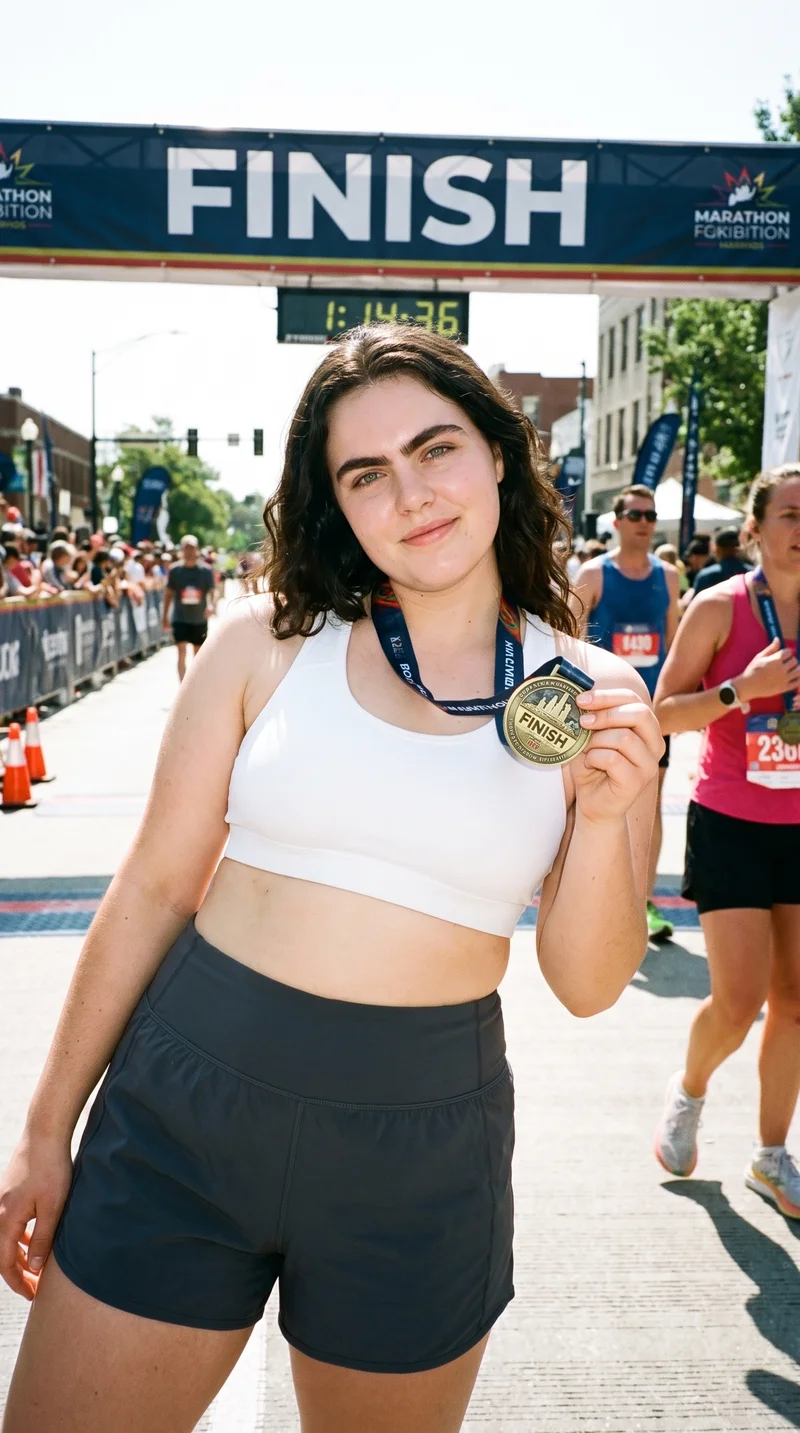
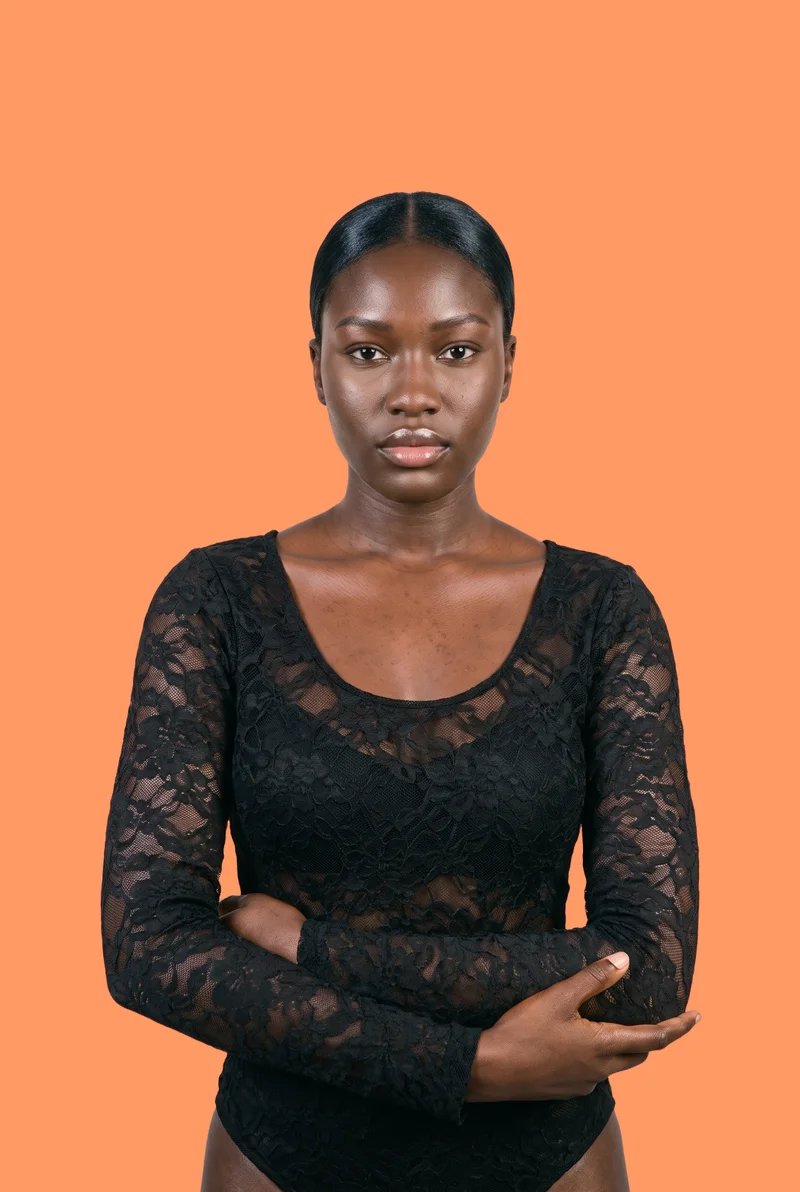
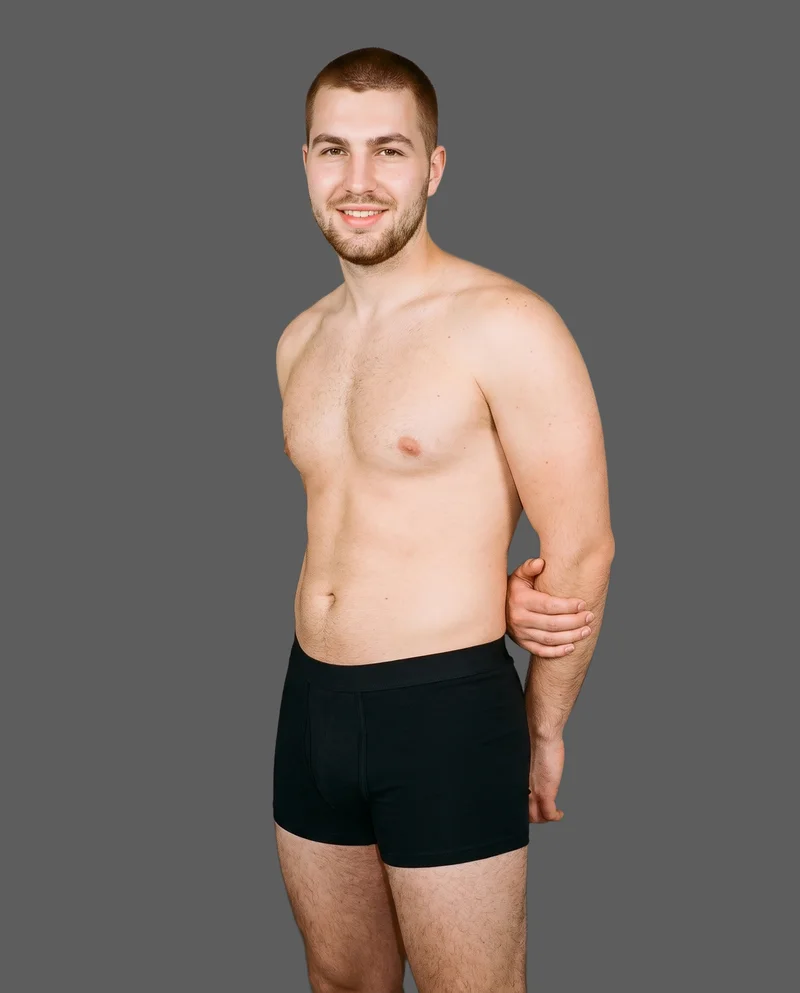
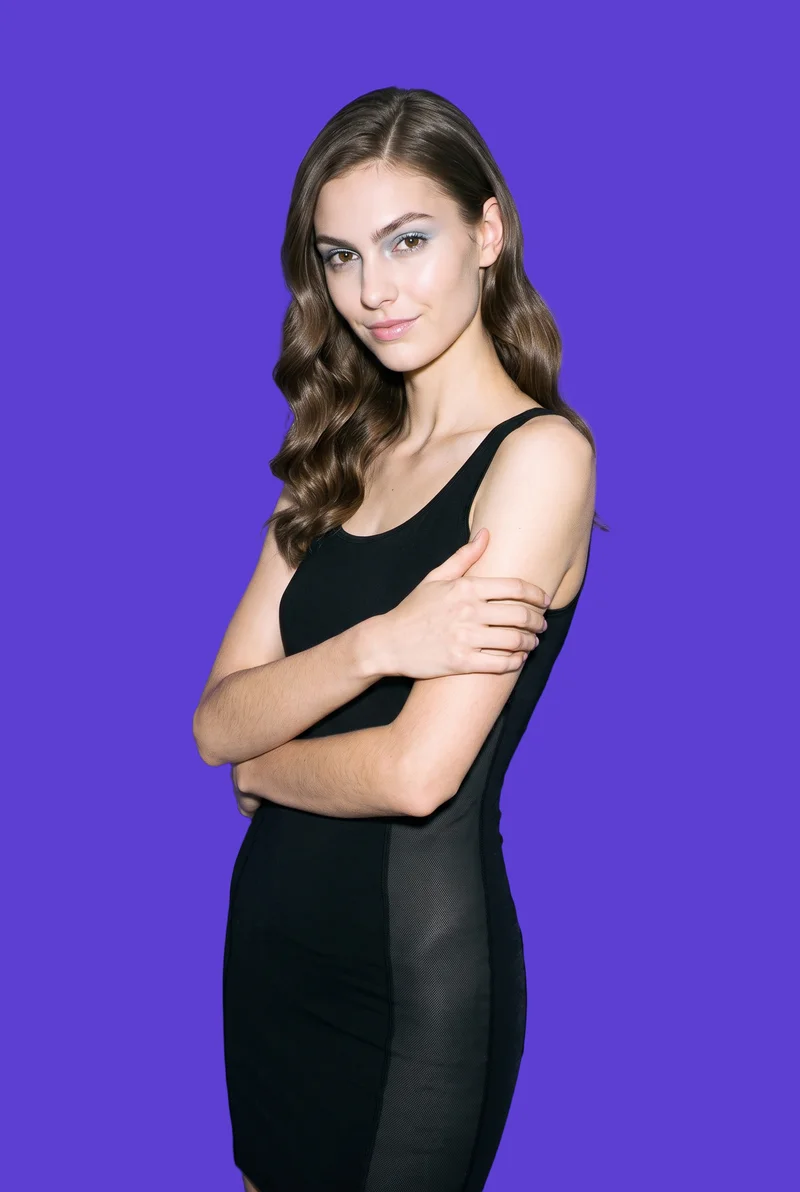
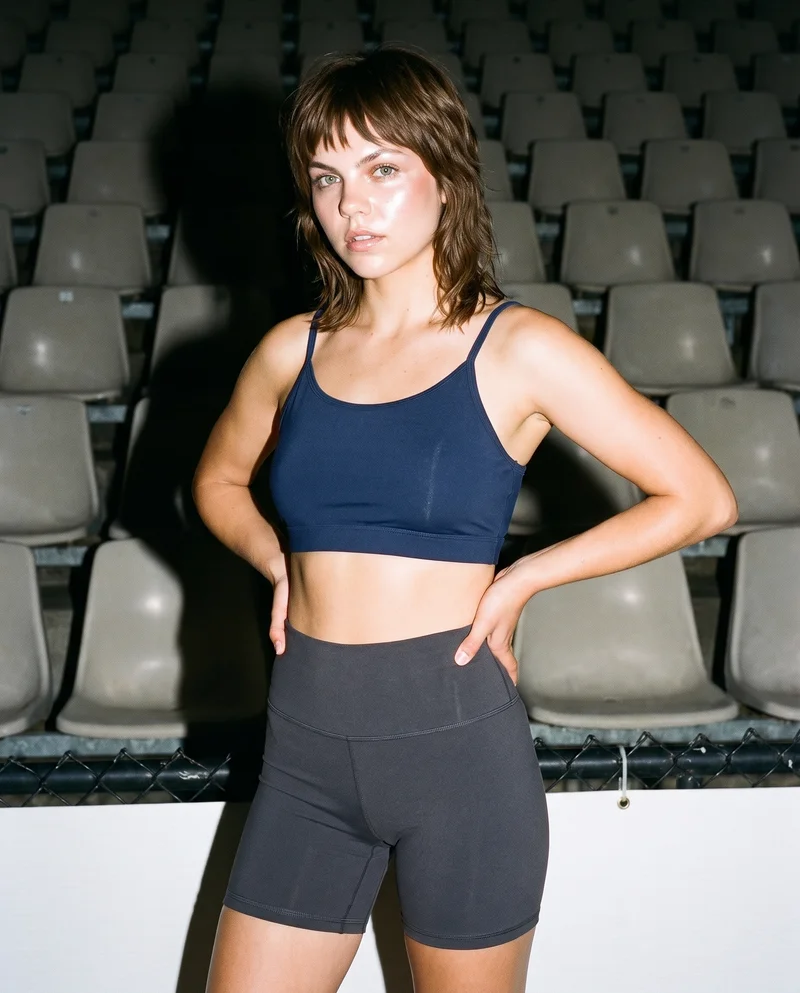
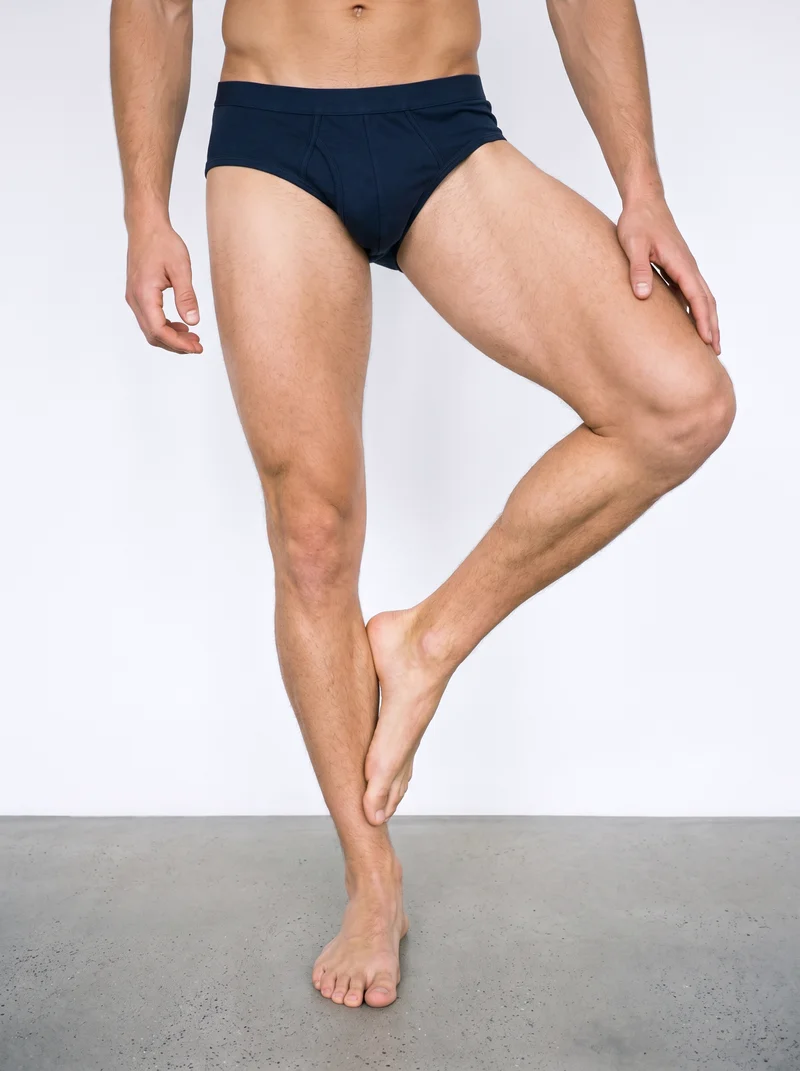
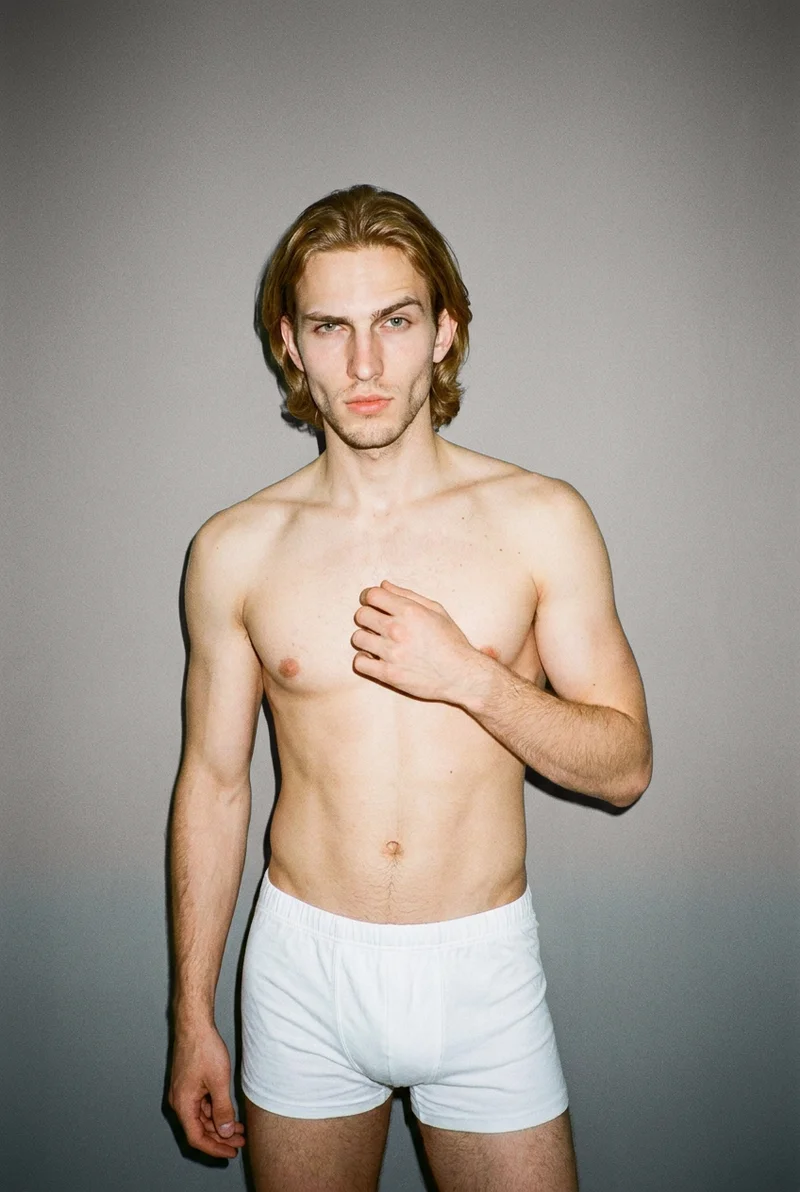
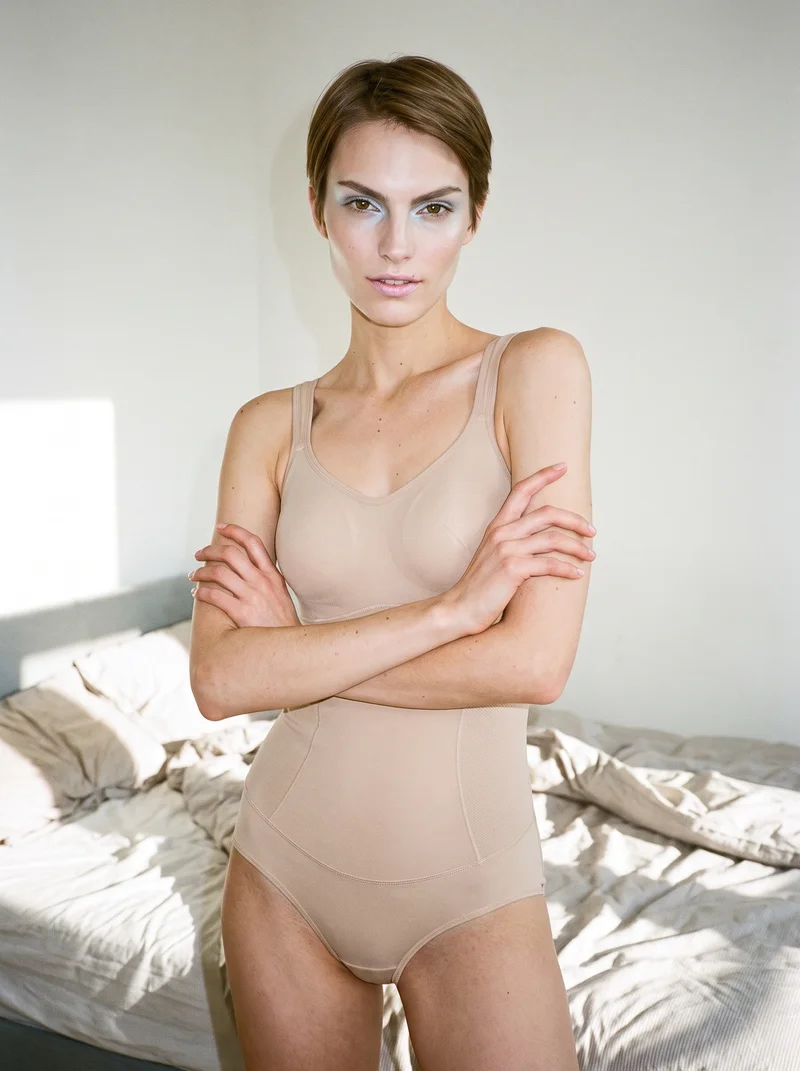
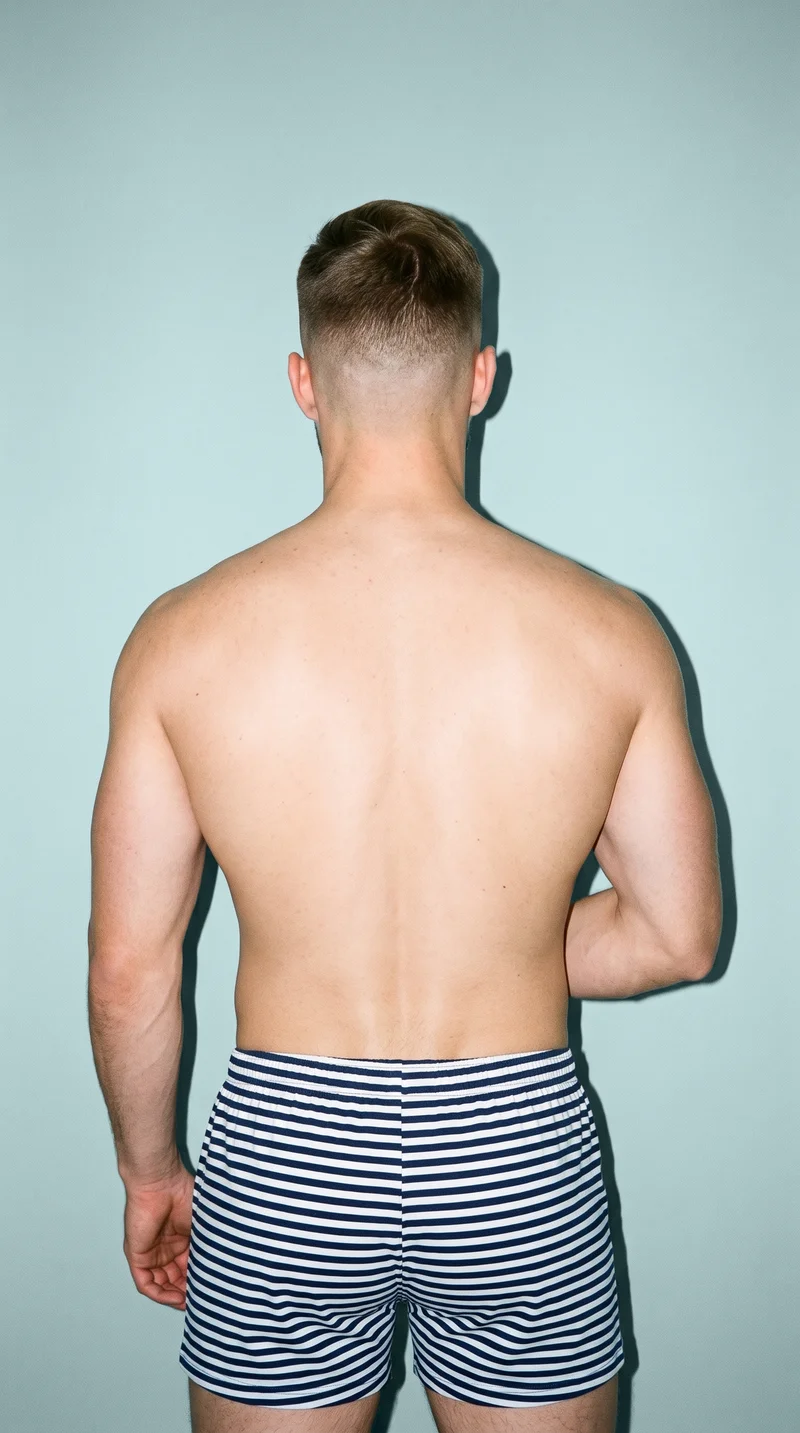
Showing 9 of 57, shot in RAWSHOT
Gallery
On-model frames show the piece in context.
Review examples as starting points, then choose your own product and composition.
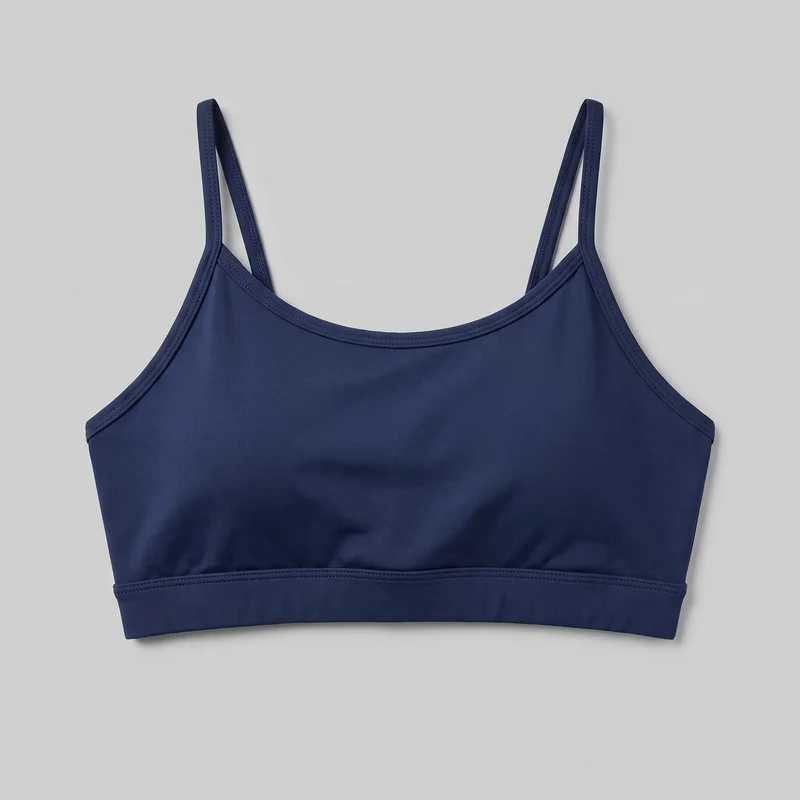 Navy Sports Bra
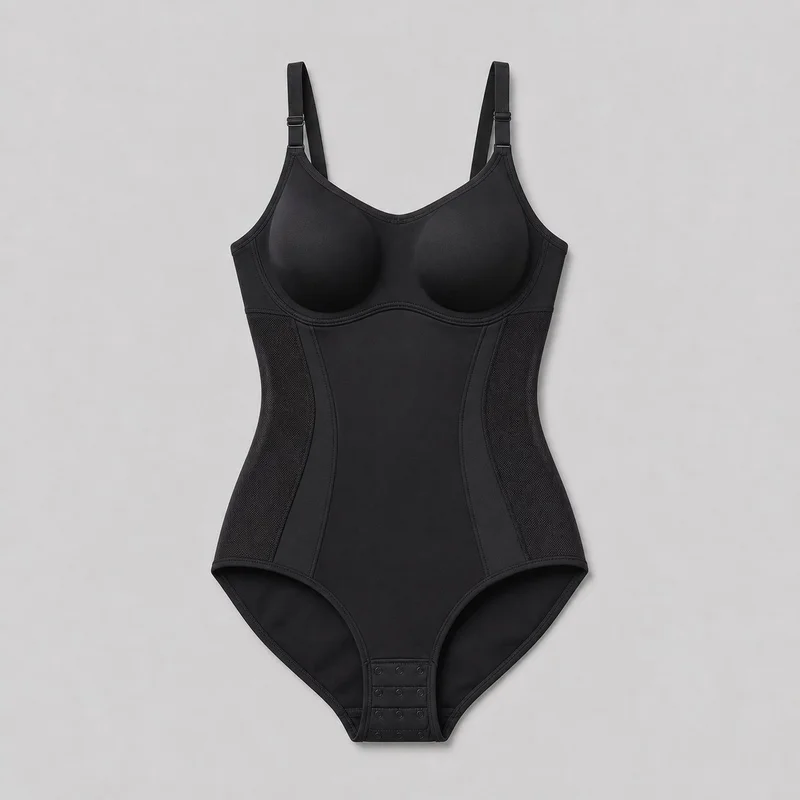 Black Bodysuit ShapewearNavy Sports Bra
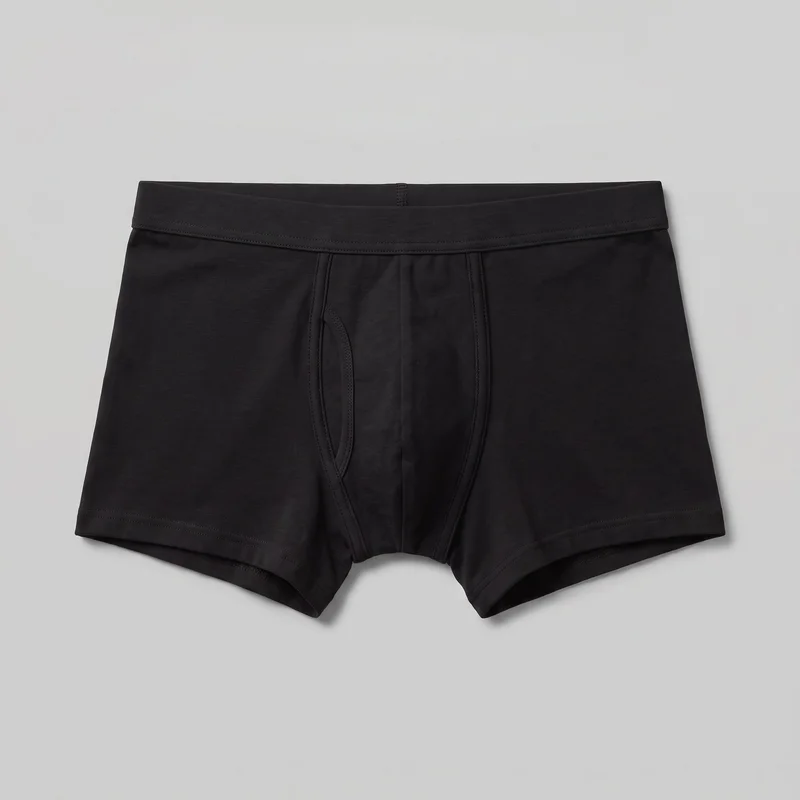 Black Trunks
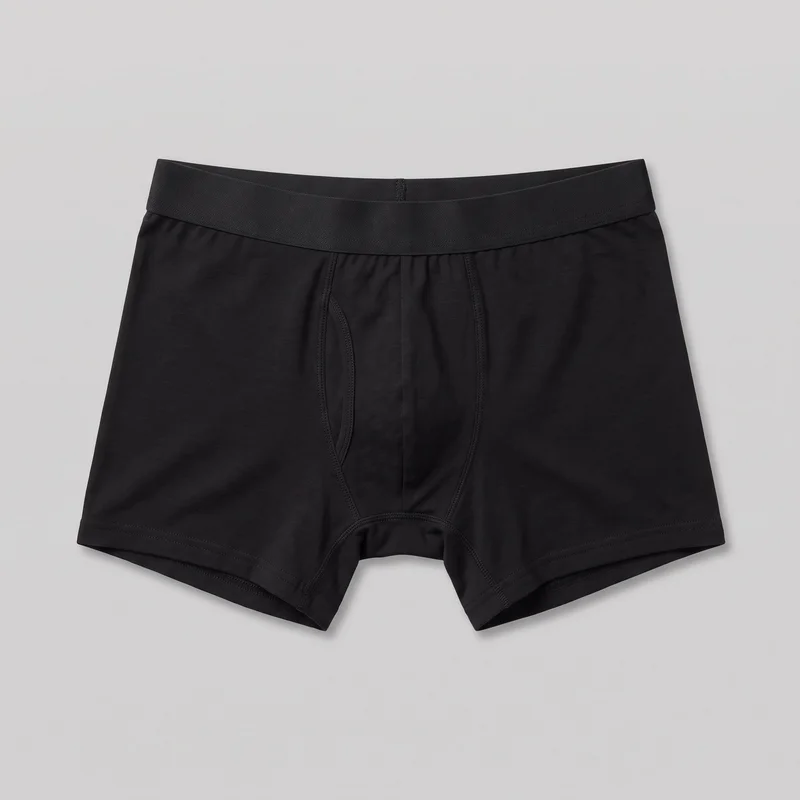 Black BoxersBlack Bodysuit Shapewear
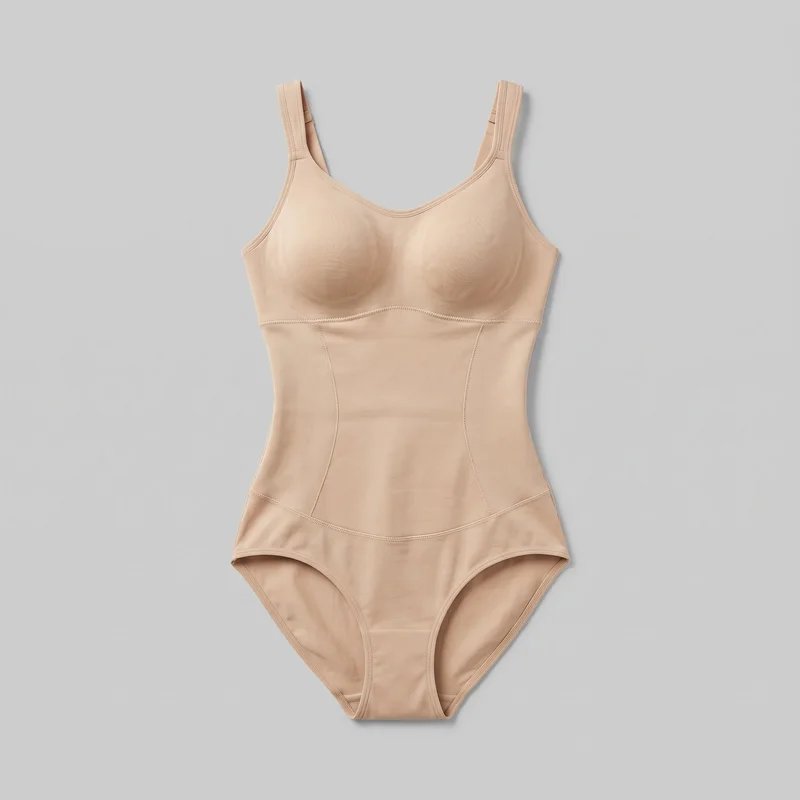 Seamless Tummy-Control Shapewear
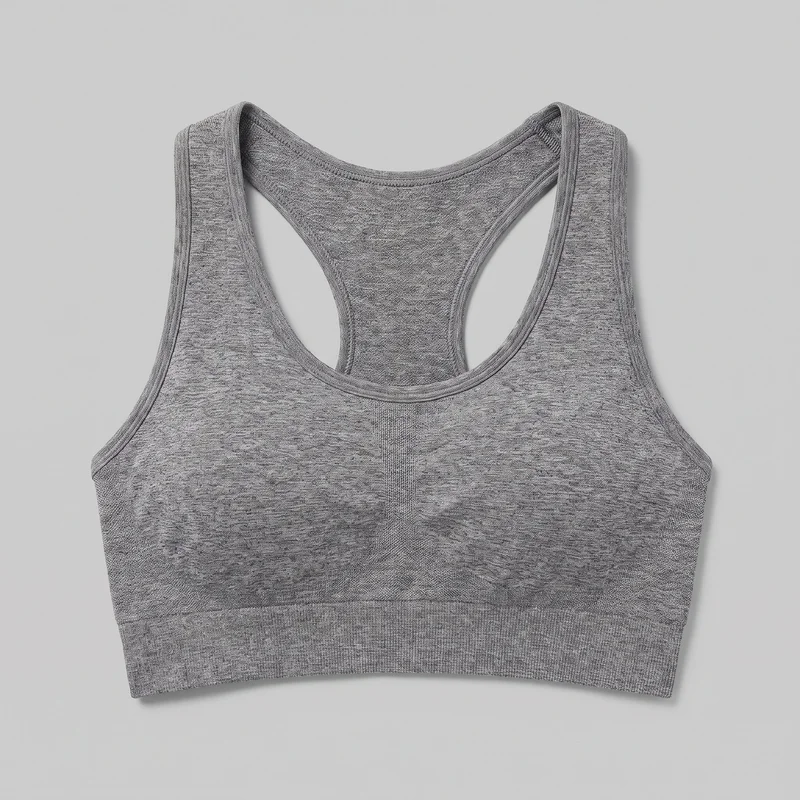 Grey Seamless Sports Bra
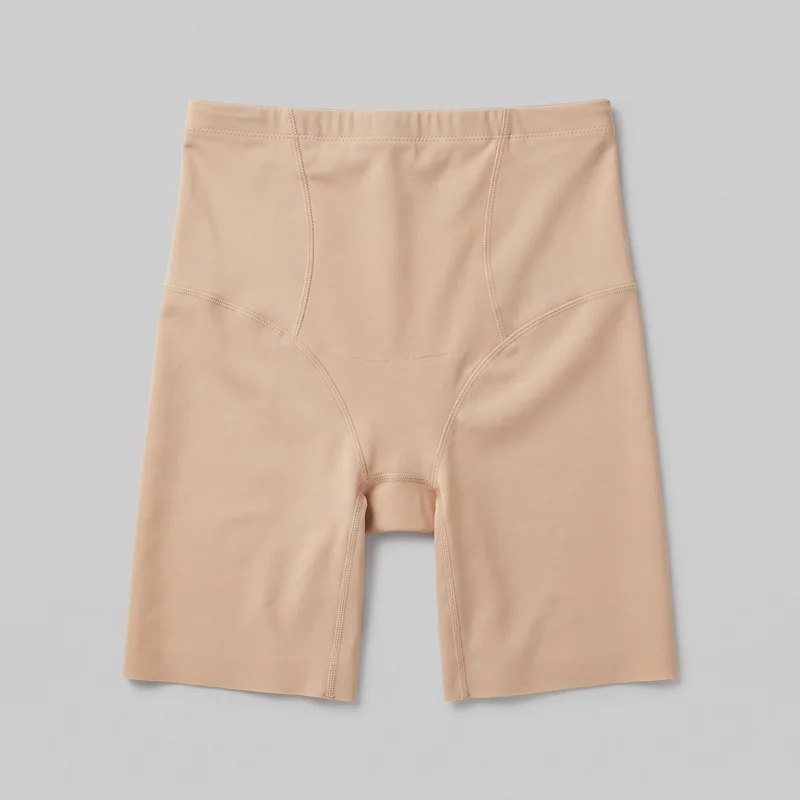 Beige Shaping ShortsBlack Boxers
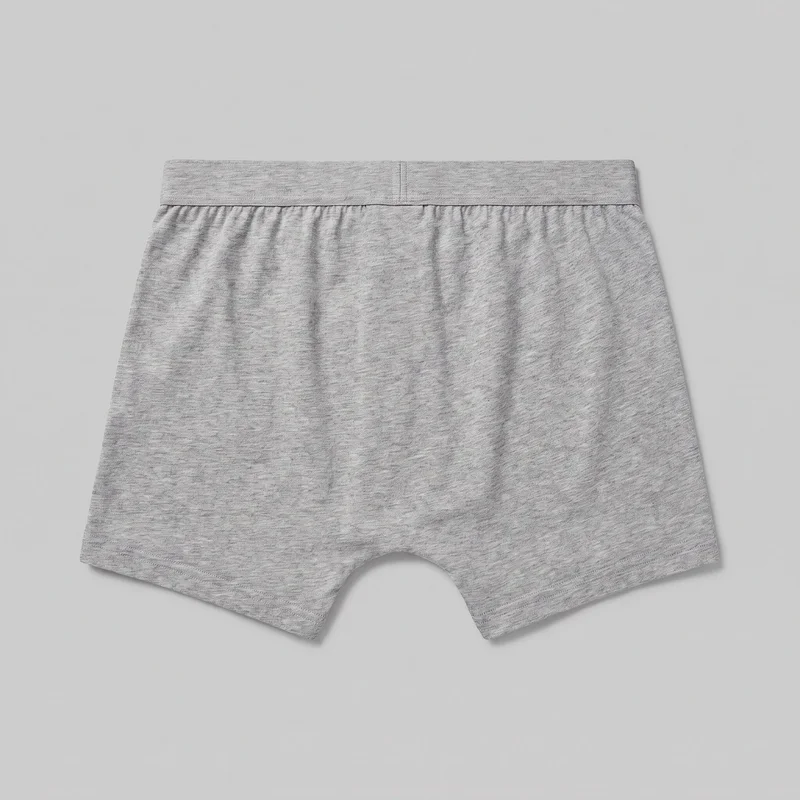 Grey Marl BoxersBeige Shaping ShortsBlack BoxersNavy Sports BraGrey Marl BoxersGrey Marl Boxers
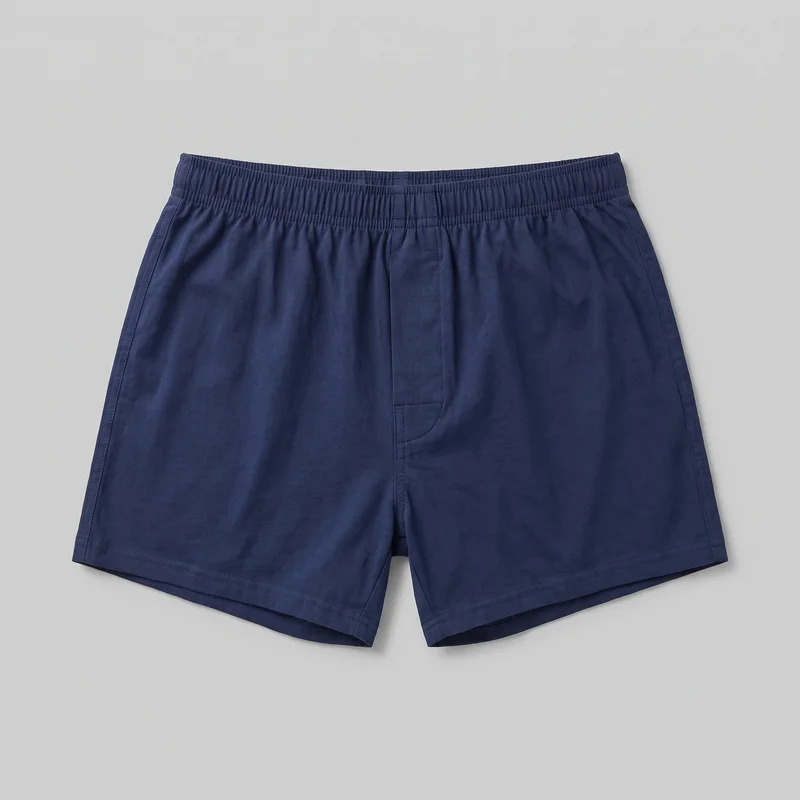 Navy Cotton BoxersGrey Seamless Sports BraNavy Sports Bra
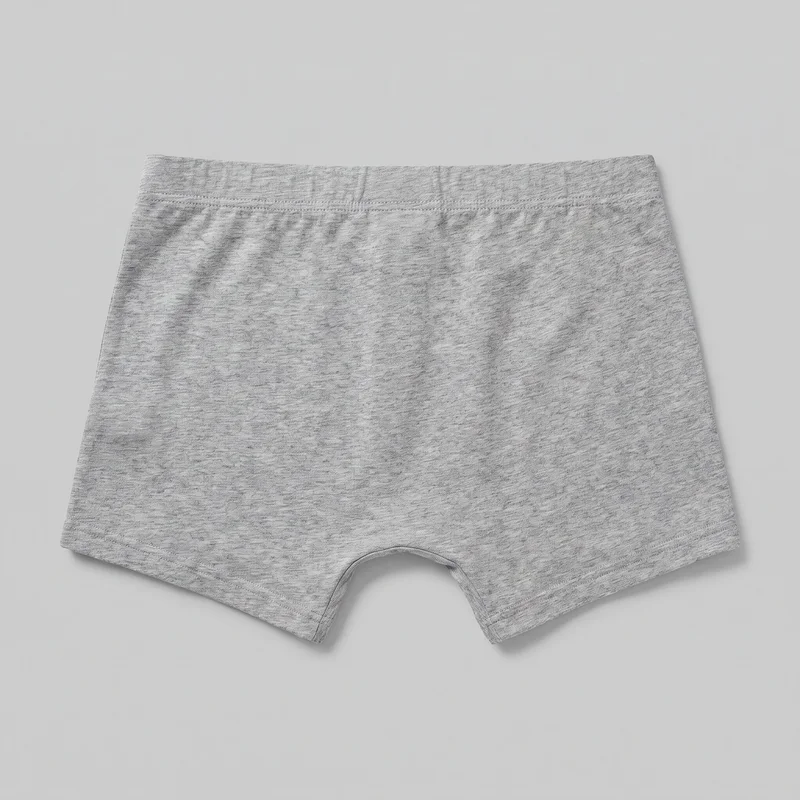 Grey Marl Trunks
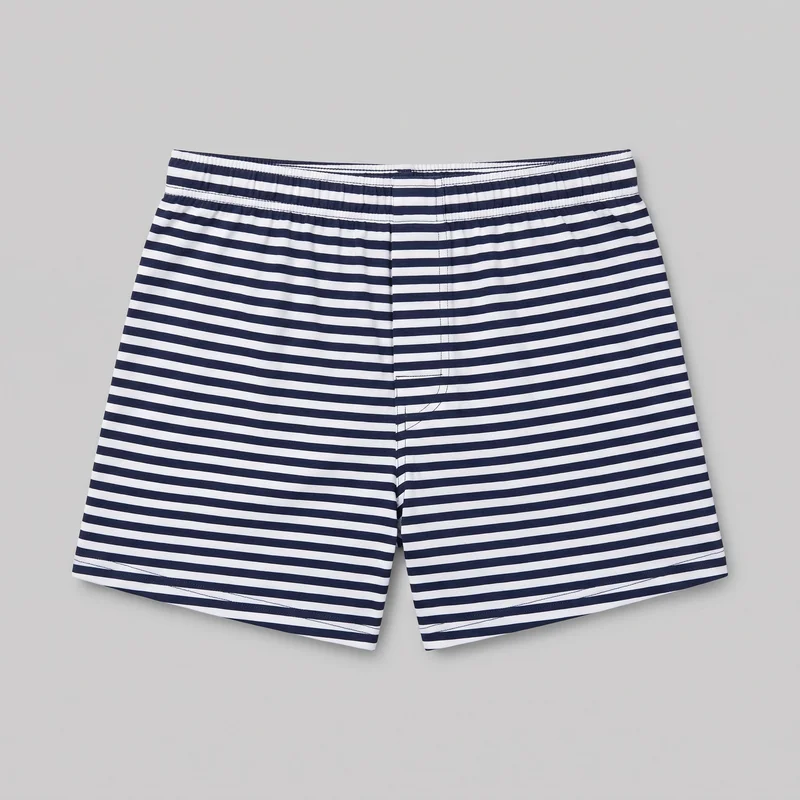 Striped BoxersNavy Cotton Boxers
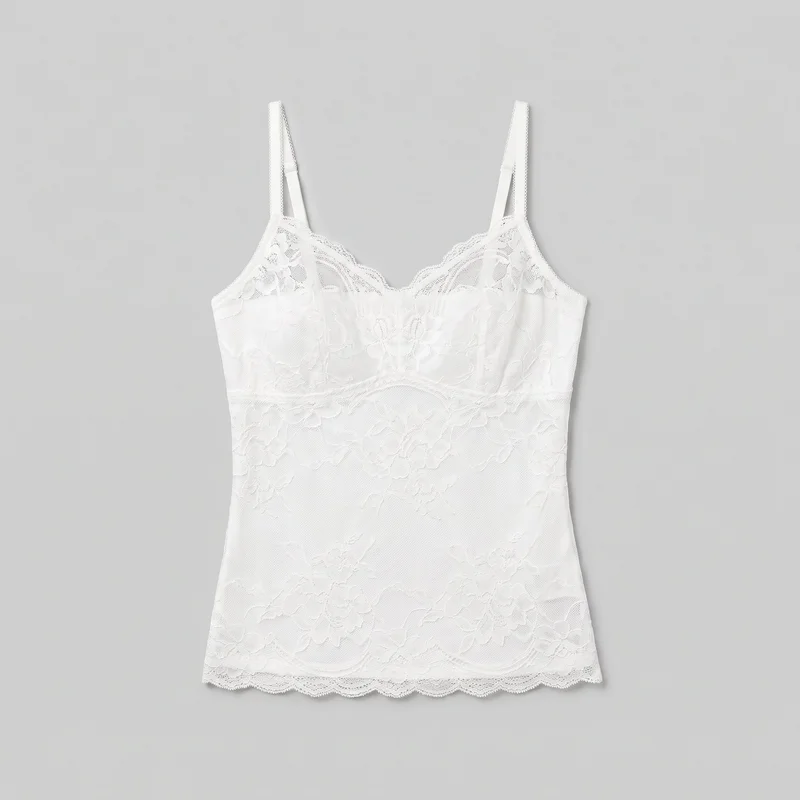 White Lace CamisoleStriped Boxers
Showing 24 of 57
Direct the shoot
Choose the frame, pose and light for each piece.
Image frame
4
Pose
22 poses on this frame
Camera view
4
Format
9
Pose style
4
Facial expression
10
Photography direction
4
Create photoshoot
Step 7 of 7 · Composition
Image 1 · readyGallery image from this pageProduct
Your product
Model
From the library
Composition
Full Body · Front View · Catalog pose · Neutral
Delivery
2K · 1:1
Light
Studio Cutout
Total cost
5 tokens
Rawshot Features
Keep model, product and light choices aligned.
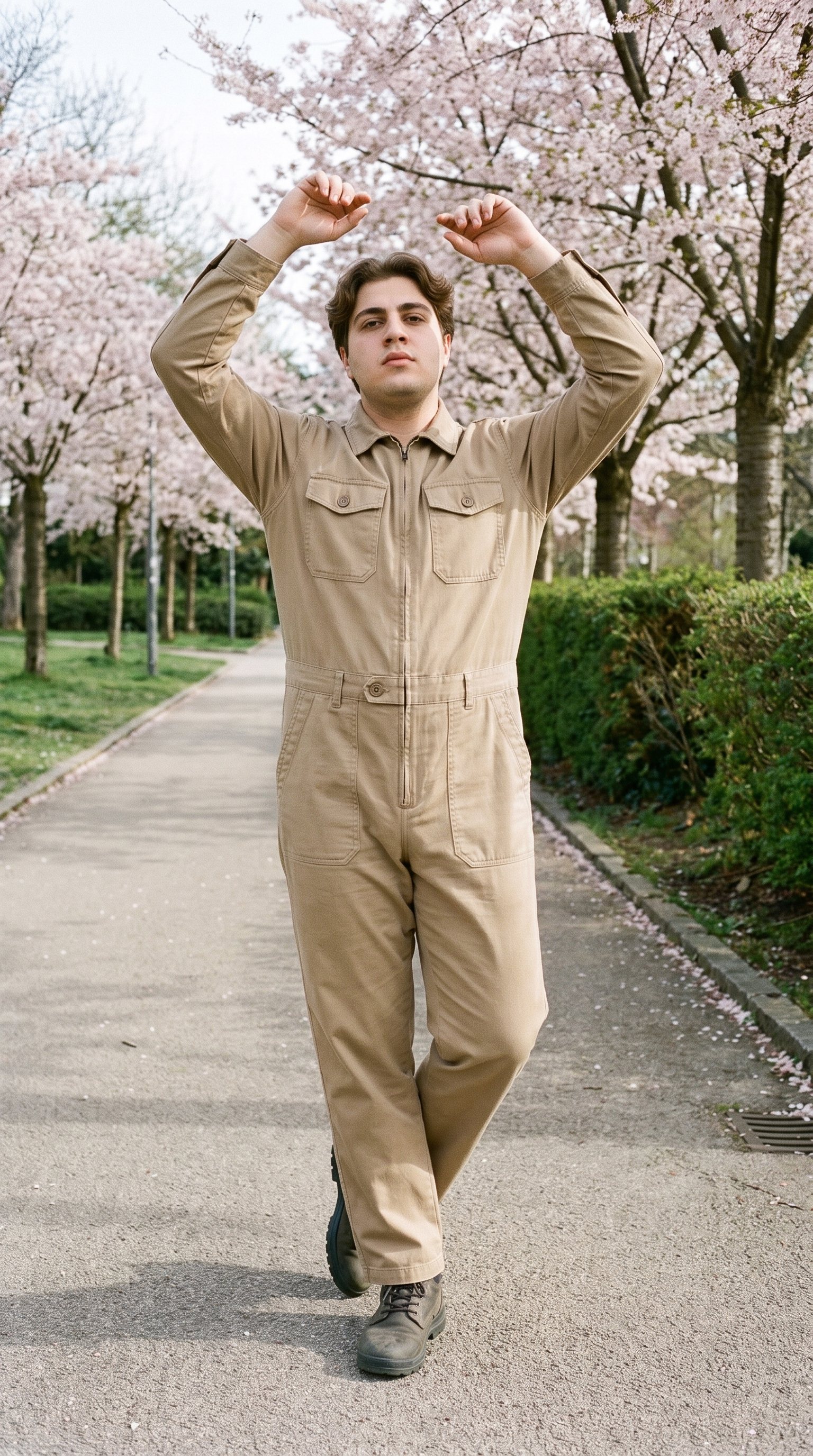
Direct Every Product View
Supported framing helps you review how each piece reads across catalogue views without changing the product direction.
22 poses on a full-body shot · 104 in total
See the feature →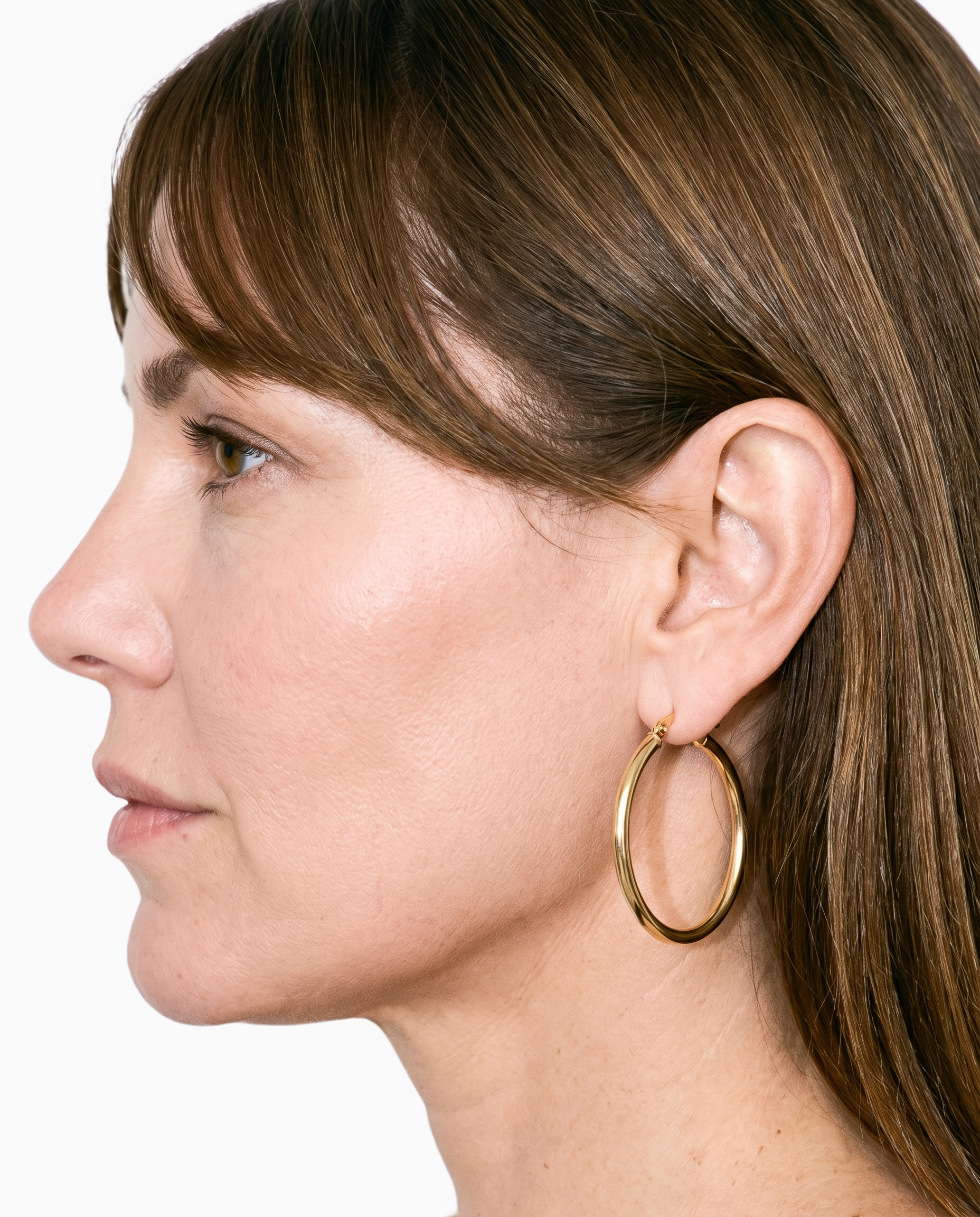
Start With Your Product
Starting with a clear source keeps the real piece at the centre when you need on-model presentation before a shoot.
Start from your real item and keep product fidelity while building the scene.
See the feature →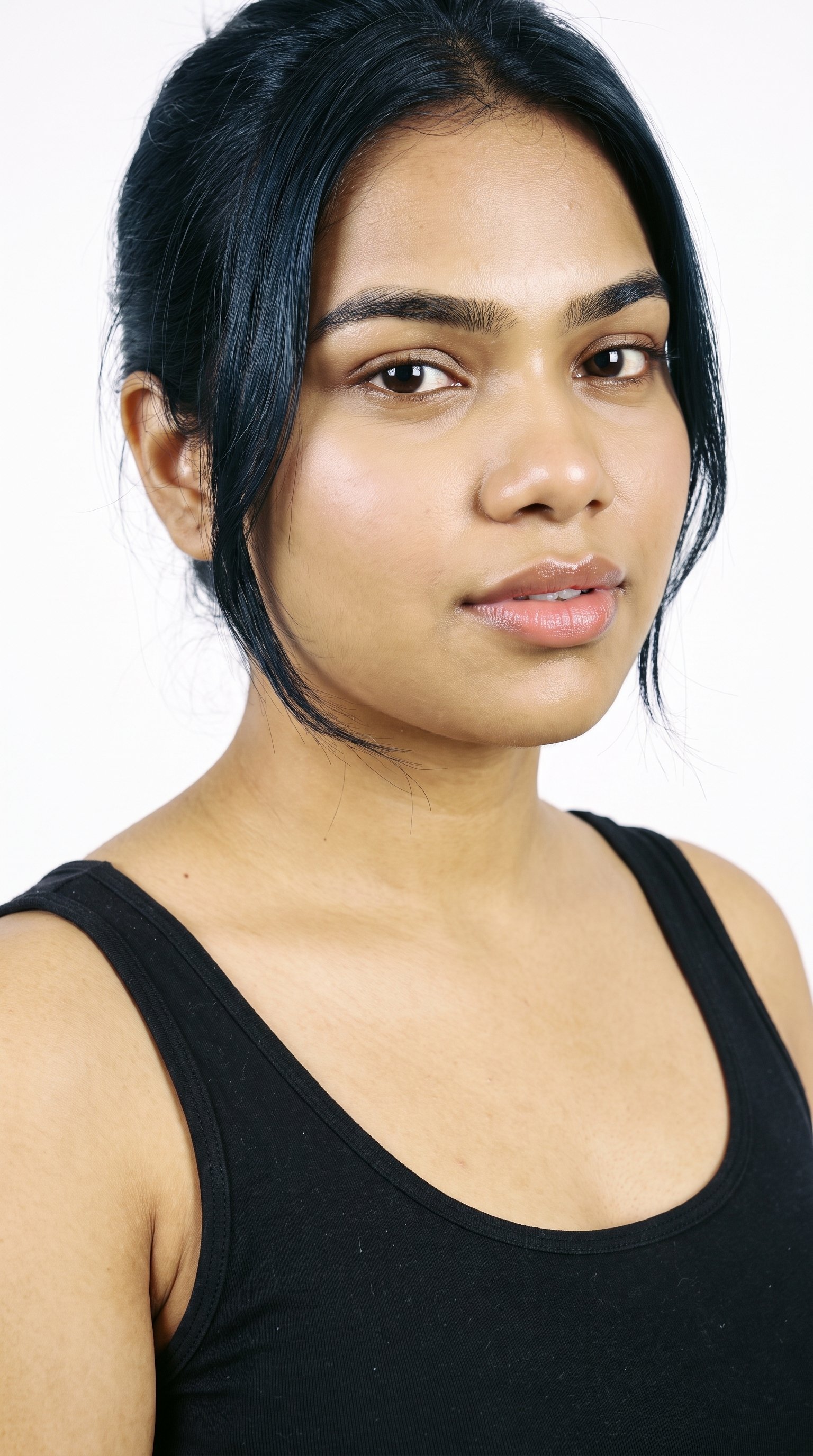
Choose A Consistent Model
Consistent model choices help a range read as one collection while you compare body context across products.
Library filters plus private model building for consistent identity across the set.
See the feature →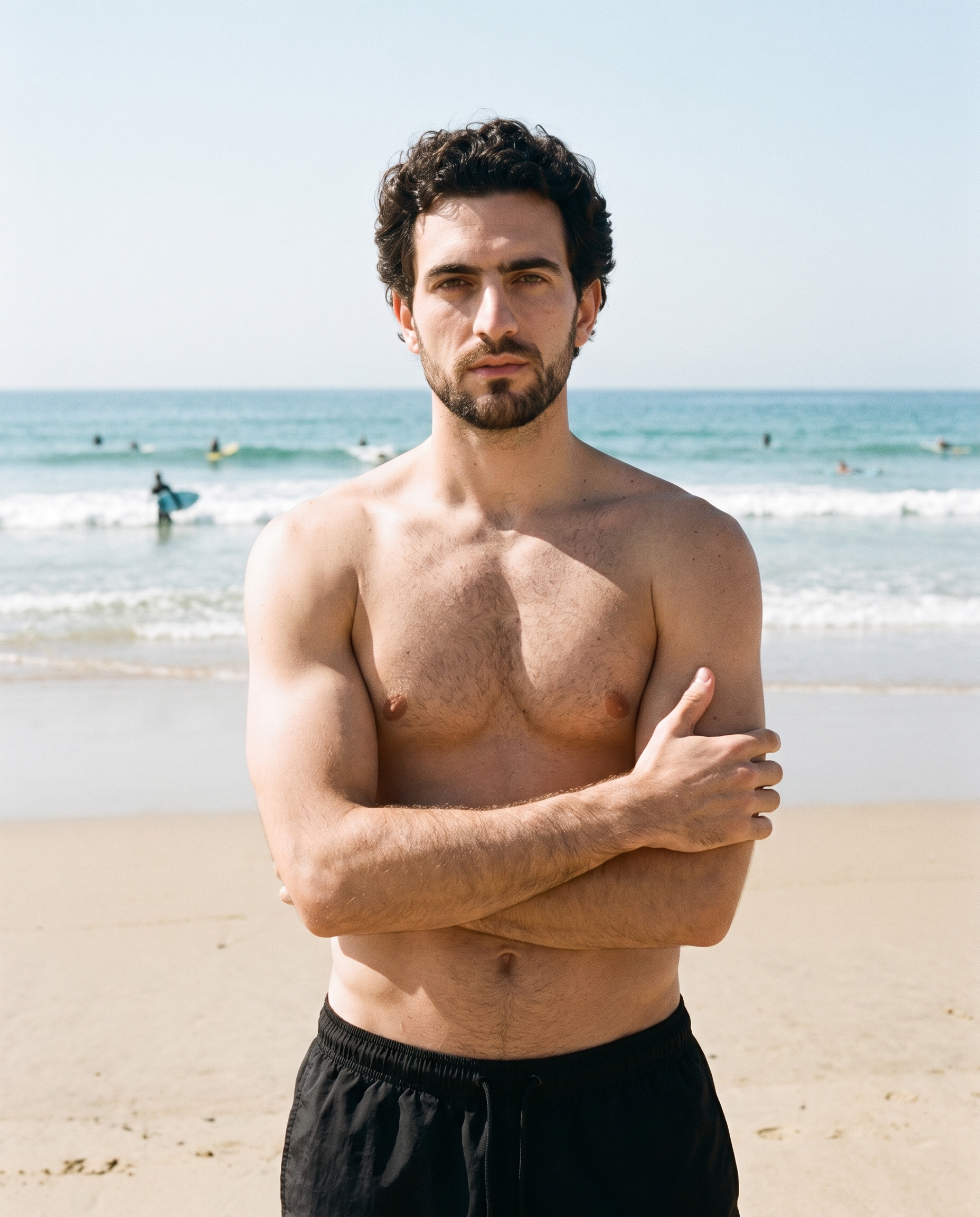
Set The Right Light
Named light directions let you match the presentation to product pages or campaign review without improvising a rig.
4 named choices that set mood and shadow the same way across a shoot.
See the feature →AI image to image generator
Change one decision and keep the rest of the composition stable.
AI image to video generator
17 model actions on a full-body shot · 132 in total
AI makeup generator
Branch-aware named options applied without altering casting or scene setup.
AI outfit generator
Combine the main piece with neutral supporting items in one coherent frame.
AI photo background generator
Swap scene context while keeping model, product, and framing stable.
AI suggestions
Preselected control values you can always override in the same configurator.
Garment styling
Choose how the garment is worn and keep brand presentation consistent.
Inspiration gallery
Load editable finished looks as fast starting points for new shoots.
Use cases
Plan launches, pages and campaign previews.
Colourway Range Launch
The situation
An on-model range launch is approaching, and each colourway needs a consistent product-page presentation.
With RAWSHOT
An e-commerce manager can use model continuity, pose, and named light direction to prepare each colourway for review. The outcome is a coherent group of on-model product-page images before launch.
Campaign Pre-Visualisation
The situation
A campaign lead needs to test the visual direction before planning the full production.
With RAWSHOT
For campaign planning, choose 3/4 Length or Upper Body framing, a camera view, and an expression to test the intended read. You build a campaign pre-visualisation board without recasting the model.
Paid Social Testing
The situation
A paid-social test needs motion creative that remains connected to approved static product imagery.
With RAWSHOT
During a paid-social test, turn an approved still into a short video and set a frame-matched action. You can compare motion creative with its static counterpart while keeping the product presentation connected.
Lookbook Before Samples
The situation
A new range exists as a flat-lay or technical sketch before physical samples are ready for a lookbook.
With RAWSHOT
If your range begins as a flat-lay or technical sketch, import that source and choose a model with a supported pose. You create a lookbook-ready direction while checking whether material and colour cues carry through.
Product Page Detail
The situation
A product-page review needs clear construction views before the listing and supporting information go live.
With RAWSHOT
At product-page review, use Full Body, Lower Body, or Upper Body framing to show construction and product context. Your outcome is a clearer merchandising view for shoppers, with size charts and fit notes handled separately.
Seasonal Content Planning
The situation
A new seasonal drop needs launch content with a considered relationship between product, model, background and light.
With RAWSHOT
Across a new seasonal drop, set the background separately from the photography direction and keep the composition choices deliberate. You produce launch content with a repeatable visual relationship between piece, model, and light.
Consistency
Change the product while your visual choices hold.
Within one shoot, changing the product does not require changing every creative decision. The selected model, light, frame and pose remain aligned as you adjust the piece, so a range can read as one collection.
You change one
- Frame
- Pose
- Camera view
- Model
The rest holds
Model
Keep the selected model aligned as you adjust the product.
Light
Maintain the chosen photography direction while reviewing the range.
Composition
Hold the selected frame and pose while comparing product variations.
Who it's for
Is RAWSHOT right for recurring on-model range work?
A good fit
This fits you as an e-commerce manager preparing a recurring range launch, or as a brand lead planning product-page and campaign imagery from real product sources. It suits work that needs consistent on-model presentation through visible choices.
Work it handles well
- You can align colourways under one visual direction.
- You can start from photos, flat-lays, or sketches.
- You can review body context before product pages go live.
Outside this scope
It is not a fit if you need measured fit assessment or free-form styling beyond the available options. Clear source material and separate size information remain necessary.
Where this stops
- You cannot measure fit through generated imagery.
- You need clear sources for accurate product details.
- You cannot improvise outside defined styling options.
Rights
You own every image. Every image says what it is.
Yours
- Full commercial rights to every image, permanently.
- No recurring licence fees on any model in the library.
- Every model is a synthetic composite, so there is no real-person likeness.
Labelled
- C2PA content credentials on every image.
- AI-labelled output, meeting EU AI Act Article 50.
EU-hosted, GDPR-compliant handling.
- EU AI Act Article 50
- C2PA
- Full commercial rights
- GDPR
- EU-hosted
Questions
What should you settle before your first shoot?
Can RAWSHOT show lingerie photography accurately on a model for product pages and launch review?
RAWSHOT can show lingerie photography on a selected model while keeping the real piece central for product pages and launch review. You choose the model, pose, frame, and named light direction to create a clear on-model presentation. Start from a product photo, flat-lay, or technical sketch, then review colour, construction, and body context before publishing. The result supports consistent range presentation without claiming measured fit.
Where does lingerie photography work best across product pages, social channels, wholesale and campaign work?
Lingerie photography works best for product pages, paid social testing, lookbooks, seasonal launches, and campaign pre-visualisation. You can prepare consistent colourway imagery for an e-commerce range, test a visual direction before production, or connect approved stills with short video creative. Product-page reviews can use clear construction views, while fit notes and size charts remain separate merchandising information.
Which crops and frames suit lingerie photography for product pages, feed posts, stories and advertising placements?
4:5 and 9:16 crops, plus Full Body, Lower Body, and Upper Body frames, suit lingerie photography across product pages, feed posts, stories, and advertising placements. You can select the frame according to the product detail and channel context, then hold the pose and composition while reviewing colourway variations. This keeps the model and product relationship clear across static launch content and motion tests.
What product source does RAWSHOT need to begin lingerie photography accurately?
RAWSHOT needs a clear product photo, flat-lay, mockup, or technical sketch to begin lingerie photography with useful product detail. You should provide source material that shows colour, construction, trims, and distinctive features without obstruction. Then select a supported model, pose, frame, and named light direction for the intended presentation. Separate size information remains necessary because generated imagery does not measure fit.
How does RAWSHOT keep lingerie photography consistent across colourway variants and product changes?
RAWSHOT keeps lingerie photography consistent by holding the selected model, light direction, frame, and pose while you adjust the product or colourway. You can review a range as one collection instead of changing every creative decision for each variation. Use deliberate camera view, expression, background, and styling choices when needed, while checking that material and colour cues remain faithful to the supplied source.
Where does RAWSHOT stop with lingerie photography when you need measured fit, custom styling or unrestricted composition?
RAWSHOT stops short of measured fit assessment, size grading, and unrestricted styling or composition for lingerie photography. You need clear source material for accurate product details, and body context should not be treated as a measurement of garment fit. Available choices guide the model, outfit, pose, frame, background, and light, so open-ended creative direction may require a separate production approach.
What usage rights apply to lingerie photography for product pages, social placements and campaigns?
You get full commercial rights to every image, permanently, with no recurring licence fee. Every image carries C2PA content credentials and is labelled as AI-generated.
Get started
Your next on-model lingerie shoot starts here.
Start with a 7-day free trial including 50 tokens, then move to the plan that matches your production volume.