
BEST LIST
Best Belt AI product photography generator tools
We make RAWSHOT, so we start with it; then 10 more tools, sorted by how they work.
- 11 tools
- 4 approaches
- checked Sep 2026
- no rankings · no scores
By the RAWSHOT team · Updated
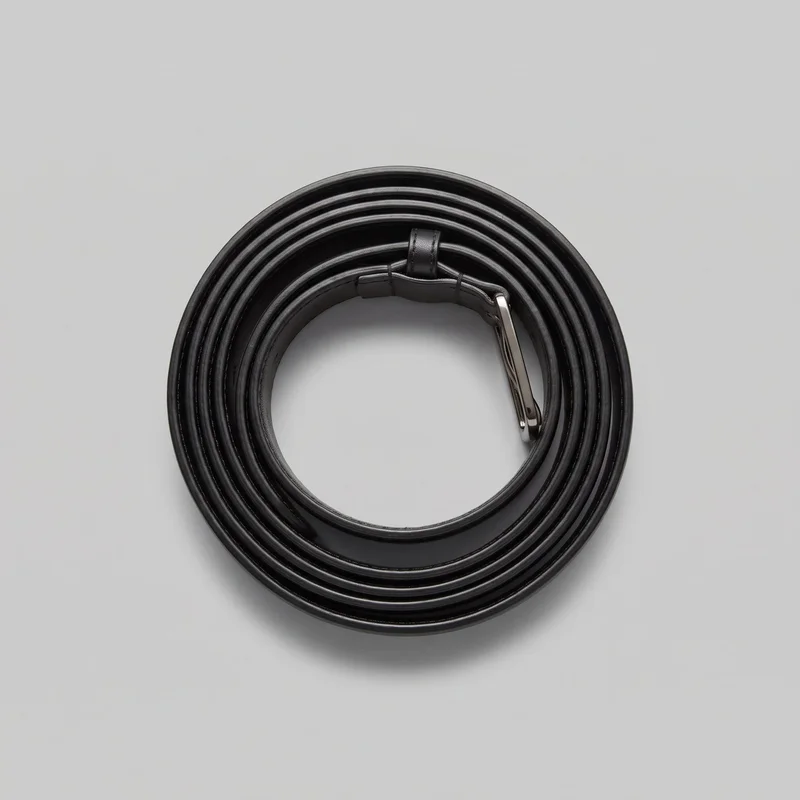
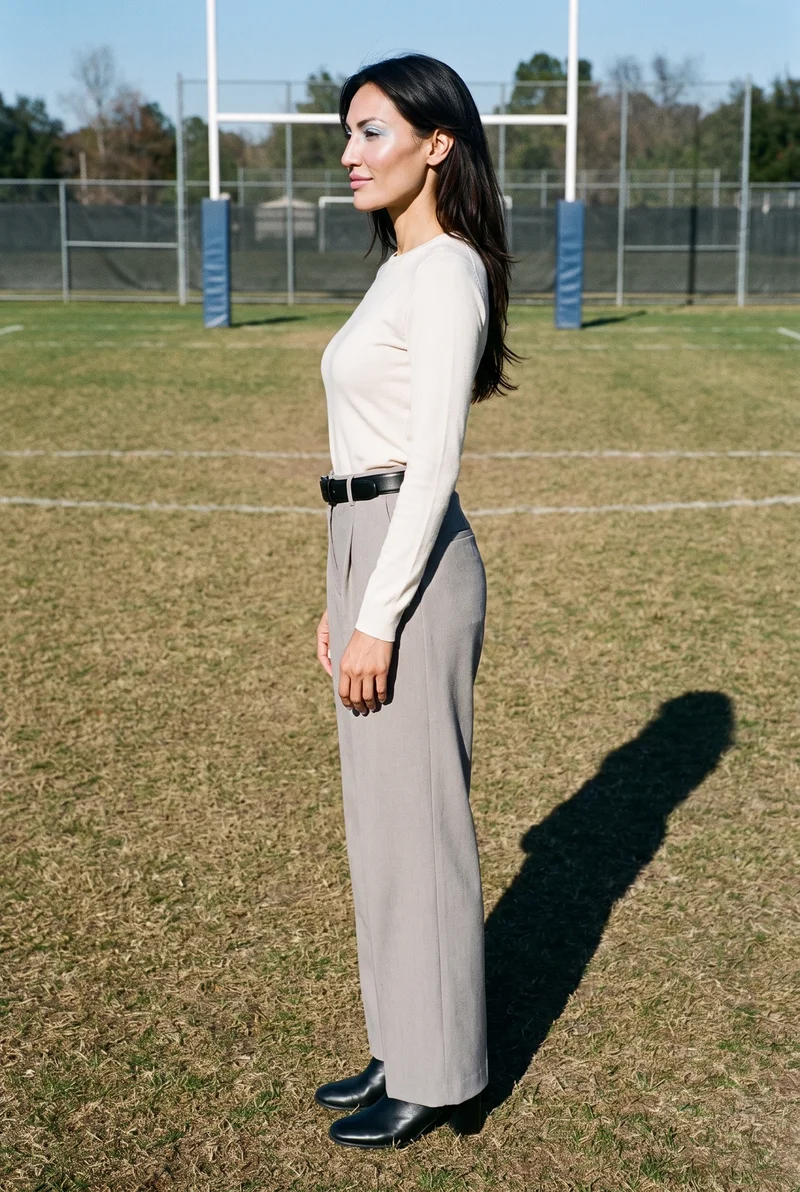 AI-generated · C2PA
THE SHORT ANSWER
Choose a control-based generator when you need a new model scene for belts; choose a product photo editor when you already have a clean packshot and mainly need background or format changes.
The tools on this list
- 01
RAWSHOT AIour productControl-based generatorsBest for: Brands setting the model, styling, light and framing for new belt imagery before generation.
- 02
CaimeraControl-based generatorsBest for: Fashion teams configuring model, pose and background for product and editorial imagery.
- 03
Outfit.fmControl-based generatorsBest for: Brands choosing a model and background for product photos and videos.
- 04
ProvamodaControl-based generatorsBest for: Fashion teams selecting models and scene settings for product imagery.
- 05
CatalogXModel and product swap toolsBest for: Brands turning product inputs into model imagery, including accessory presentations.
- 06
FASHNModel and product swap toolsBest for: E-commerce teams creating model imagery from product photos and other product inputs.
- 07
ModeliaModel and product swap toolsBest for: Fashion teams placing product imagery into model and background variations.
- 08
Mokker AIProduct photo editorsBest for: Merchants replacing a product photo’s background or guiding its scene with a moodboard.
- 09
ProductAIProduct photo editorsBest for: Teams editing product photos with background swaps, removal and upscaling.
- 10
Clothing and Product Photography StudioTraditional production servicesBest for: Brands that want a studio to photograph, prepare and deliver product images.
- 11
eCom Fashion PhotographyTraditional production servicesBest for: Fashion brands seeking full-service e-commerce photography and video production.
Men's Brown Dress Belt · Three-quarter length
Women's Navy Formal Belt · Three-quarter length
Women's Brown Dress Belt · Three-quarter length
Men's Reversible Leather Belt · Three-quarter length
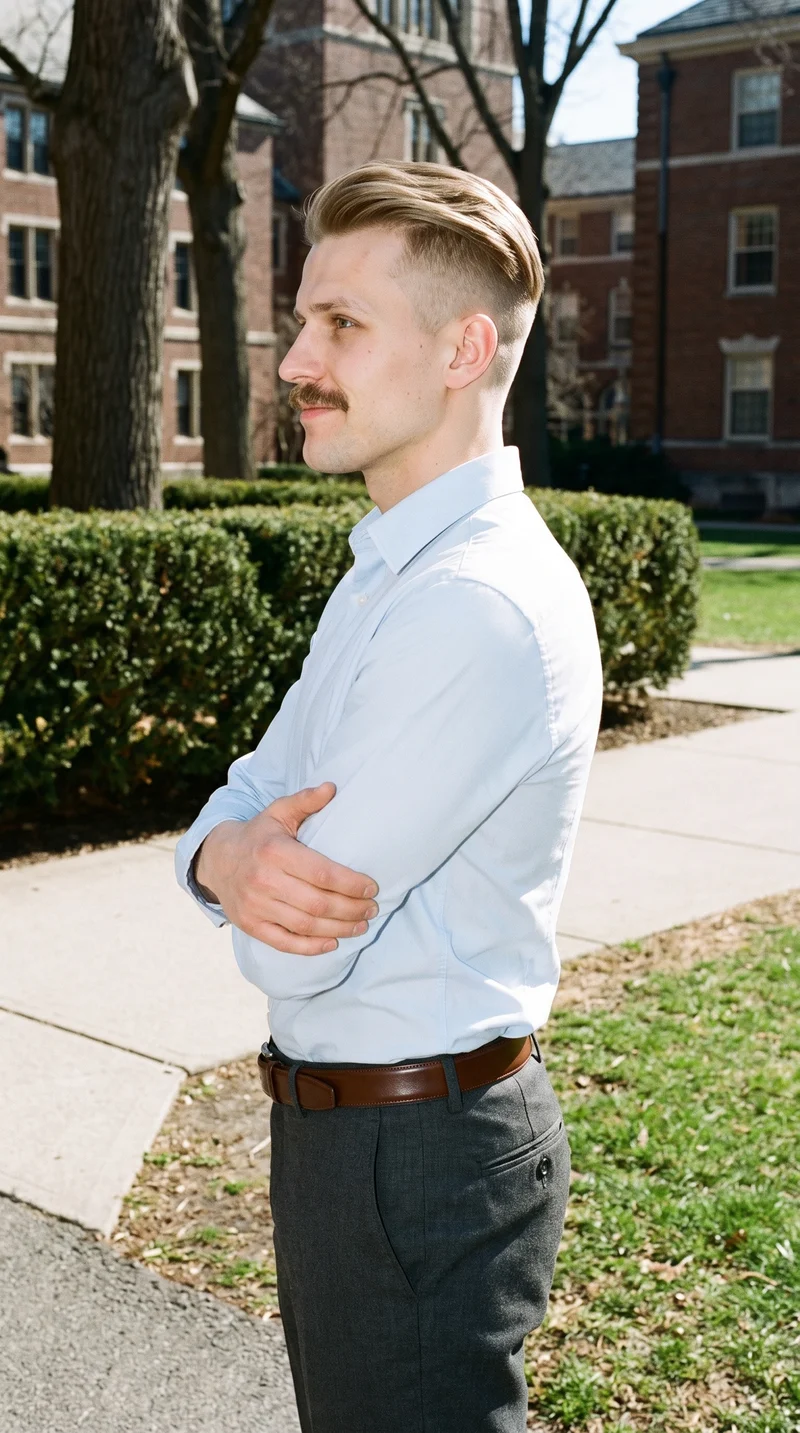
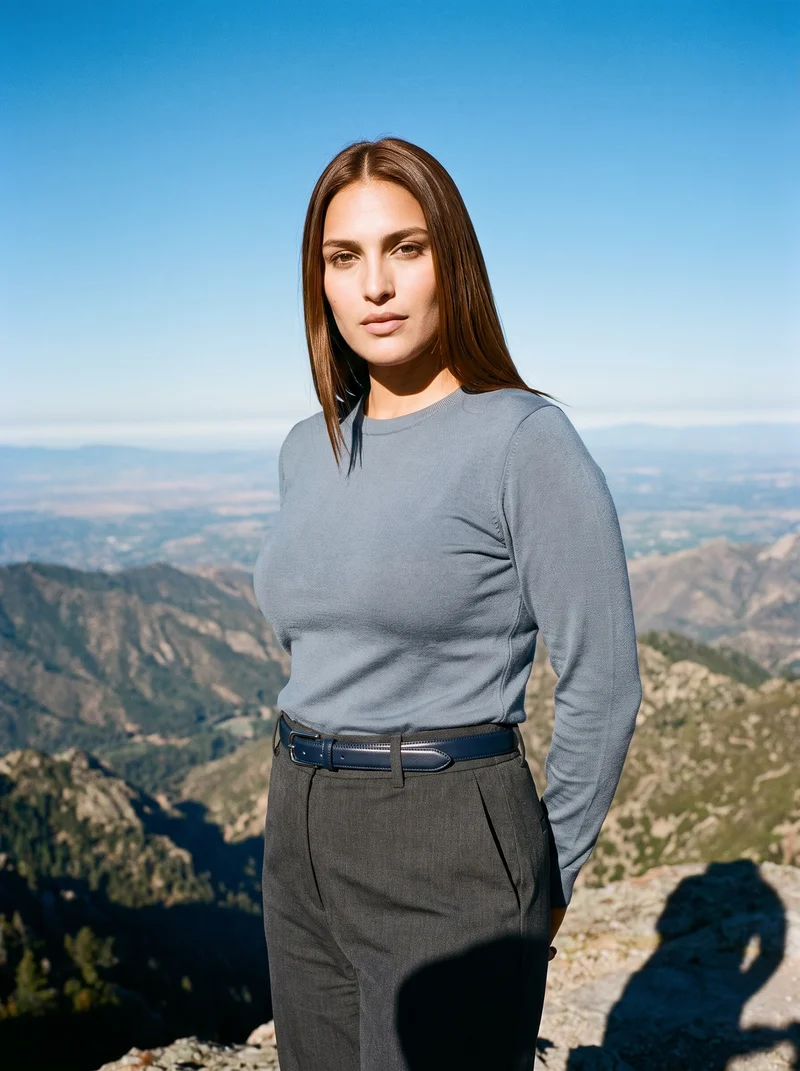
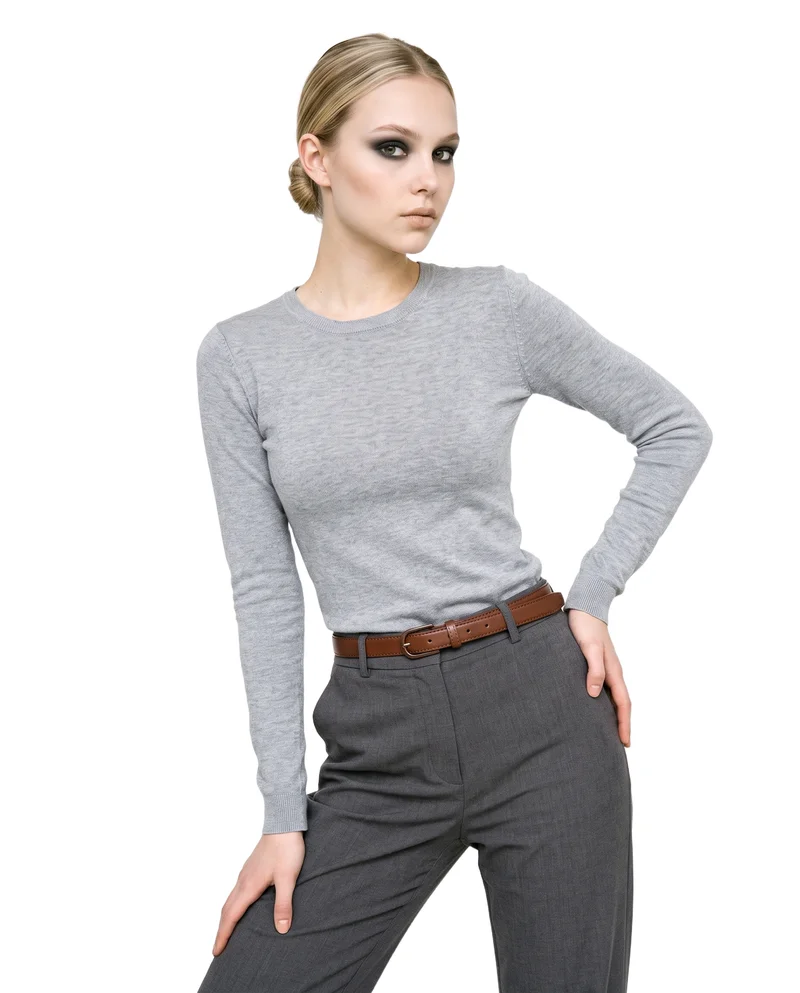
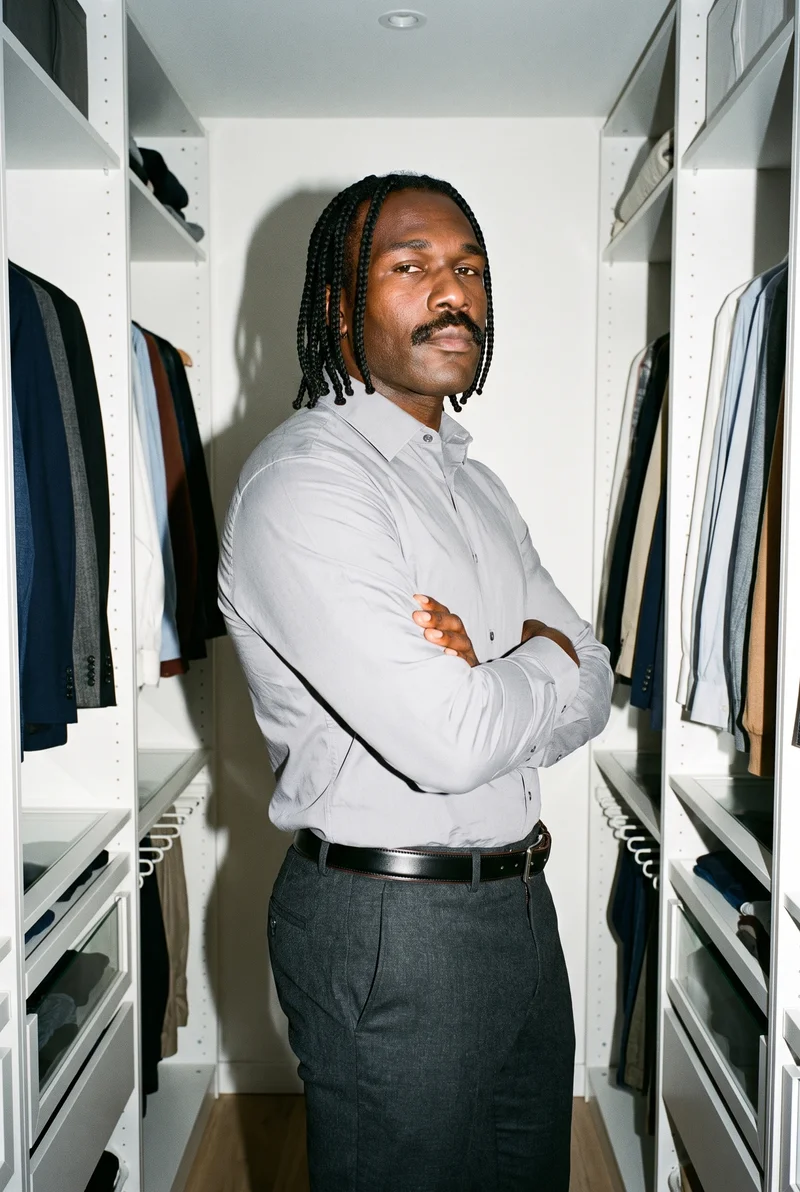
RAWSHOT AI our product
Control-based generators
Best for: Brands setting the model, styling, light and framing for new belt imagery before generation.
Set the whole belt image
Choose the model, up to four products, styling, background, light, frame, camera view, pose, expression, ratio and resolution before the picture is taken. That includes room to direct how a belt is presented within a larger outfit.
Keep the composition coherent
Change one element while the rest of the composition holds, including the model and light. RAWSHOT is engineered to represent real products faithfully, including colour, pattern, material, finish and hardware.
Control-based generators
- How it works
- You usually choose the model, garment, pose, setting, framing, and other controls before generating the image.
- Where it struggles
- The setup often takes more decisions than a one-line request, and the available controls shape what can be made.
- Fits
- Teams that need repeatable fashion images and want to see every creative decision before they generate.
Caimera
caimera.ai
Best for: Fashion teams configuring product, catalog or editorial imagery with selectable scene elements.
Fashion teams creating and editing product, catalog, editorial and video imagery with AI.
Strong at
- Catalog imagery can be generated from flat-lay inputs with selectable models, poses and backgrounds.
- Supports editorial imagery across product categories.
Check for belts
- Test whether a belt’s buckle, holes, strap shape and finish remain clear in each chosen pose and frame.
Outfit.fm
outfit.fm
Best for: Brands that want to customize a product shoot, including its model and background.
Fashion brands creating on-model product photos and videos from product photos.
Strong at
- Customers can customize the shoot, including the model and background.
- Supports product photos and videos.
Check for belts
- Try a belt worn with different outfits and check whether its hardware and strap details stay visible.
Provamoda
provamoda.ai
Best for: Fashion teams choosing model and scene settings for product and campaign imagery.
Fashion brands and e-commerce businesses creating product imagery with AI models from uploaded product photos.
Strong at
- Users can select body type, skin tone, location and camera style.
- The workflow lets users mix and match models, poses and locations.
Check for belts
- Check whether the selected model and camera view show the belt’s full shape and important hardware.
Model and product swap tools
- How it works
- You typically upload a garment or model image and combine it with an existing photo, template, or model from a library.
- Where it struggles
- Results usually depend on the source image, and difficult poses, layers, hands, or garment edges can reveal the swap.
- Fits
- Teams that already have a useful source image and need quick variations without rebuilding the full scene.
CatalogX
catalogx.app
Best for: Brands exploring model imagery from product inputs and accessory presentations.
Sellers and brands creating model photography for garment and accessory product listings.
Strong at
- Lists accessory presentations including bags, jewellery, watches and footwear.
- Provides model, pose and scene choices for its product-to-model workflow.
Check for belts
- Confirm that a belt is supported by the workflow, then inspect buckle scale, strap width and placement on the model.
FASHN
fashn.ai
Best for: E-commerce brands turning product photos into model imagery and checking how details transfer.
E-commerce brands creating fashion product imagery and virtual try-ons through an AI app.
Strong at
- Creates model imagery from flat-lay, mannequin and other product photos.
- Its profile describes preserving product details such as prints, logos, colours, textures and finishes.
Check for belts
- Use a belt image with clear buckle and strap detail; inspect whether the belt remains recognizable on the model.
Modelia
modelia.ai
Best for: Fashion teams turning product images into model imagery with customizable models and backgrounds.
Fashion teams creating imagery by turning product and reference images into on-model photos and other fashion content.
Strong at
- Supports model and background customization for flat-lay-to-model imagery.
- Reusable AI characters can support consistent imagery.
Check for belts
- Check whether the belt’s proportions and position stay consistent across the images you need.
Product photo editors
- How it works
- You typically upload a product shot, then remove or replace the background, retouch details, or resize it for different channels.
- Where it struggles
- Starts from a photo you already have; the core workflow edits the product shot rather than creating a new model scene.
- Fits
- Teams with finished product photos that need clean backgrounds, consistent retouching, or channel-ready formats at volume.
Mokker AI
mokker.ai
Best for: Merchants starting with a product photo and replacing its background or guiding the scene with a moodboard.
Teams creating product photography from uploaded product photos using templates, scene controls and optional text prompts.
Strong at
- AI background replacement starts from a single uploaded product photo.
- Moodboards can guide the style of generated product imagery.
Check for belts
- Compare the original and edited image closely to ensure the belt, buckle and strap edges have not changed.
ProductAI
productai.photo
Best for: Product teams that need background changes, object removal or image upscaling for existing photos.
Brands, creators and e-commerce teams producing product photos and videos.
Strong at
- Studio tools include background swapping, drawing-based editing and unwanted-object removal.
- The product photo workflow includes image upscaling.
Check for belts
- Try a clean belt packshot and a more complex image with visible strap holes; inspect the edited edges and finish.
Traditional production services
- How it works
- You usually brief a photographer or studio, ship products or arrange a shoot, and receive edited final images after production.
- Where it struggles
- Scheduling, logistics, reshoots, and per-shoot costs often make rapid iteration or large numbers of variants harder.
- Fits
- Brands that need physical sets, specific talent, tactile art direction, or a fully managed conventional shoot.
Clothing and Product Photography Studio
clothingphotographystudio.com
Best for: Businesses that want a studio to prepare and photograph physical products.
Businesses needing a studio to photograph and prepare finished clothing and product images.
Strong at
- The studio prepares and steams products before photography.
- Offers on-model and ghost-mannequin photography.
Check for belts
- Ask how the studio will show belt construction, buckle details and the fit of the belt when worn.
eCom Fashion Photography
ecomfashionphotography.com
Best for: Fashion brands commissioning full-service e-commerce photography or video.
Fashion brands seeking professional e-commerce photography produced by a studio team.
Strong at
- Offers production for on-model, flat-lay, ghost-mannequin and product photography.
- Customers can direct shoots remotely and provide real-time feedback.
Check for belts
- Share examples of the intended belt views and confirm how product handling, styling and final image delivery will work.
Criteria and tests
What to check for apparel photography
What to look for
- 1Product fidelity: seams, closures, prints, and proportions stay faithful to the garment.
- 2Fit and drape: the fabric falls naturally across standing, seated, and moving poses.
- 3Model consistency: the same person remains recognizable across a complete image set.
- 4Production control: framing, poses, backgrounds, and output ratios can be repeated intentionally.
Test these shots
- 1A plain light garment with subtle seams and low-contrast construction details.
- 2A patterned garment whose print must align across folds, sleeves, and closures.
- 3A layered outfit with overlapping hems, collars, and accessories.
- 4The same garment and model in front, back, seated, and walking views.
- 5One product adapted into a clean PDP crop, a marketplace ratio, and a campaign frame.
Crops to check: Full-length front and back views, Waist-up fit view, Close crop of fabric, seams, and closures, Movement crop with hands and garment edges visible
Questions
Frequently asked questions
Which AI tool fits belts?
It depends on what you mean by belt photography. Control-based generators suit a new model scene where you choose the visual settings; RAWSHOT AI, Caimera, Outfit.fm and Provamoda are options on this page. Model and product swap tools start from product imagery and turn it into model imagery; CatalogX, FASHN and Modelia fit that workflow. Product photo editors suit an existing packshot that needs background or other edits.
How is RAWSHOT different from CatalogX?
RAWSHOT AI configures a complete shoot before the image is generated, with controls for the model, products, styling, light, frame and other composition choices. CatalogX is a model and product swap tool: its workflow turns flat, hanger or mannequin garment inputs into model images and describes accessory presentations. The practical distinction is where you begin—directing the whole picture or starting with a product image. Check each workflow using your own belt photos and intended framing.
Can AI keep belts details accurate?
It can be difficult to judge from a single attractive result, so inspect the belt’s construction in the image: buckle shape and finish, strap width, holes, stitching, pattern, colour and how it sits on the body. Test a plain belt with subtle details and a patterned belt, then compare close views with the source product. Try more than one pose or crop. RAWSHOT describes its image style as engineered to represent real-product details, but your own products are the relevant test.
Do I still need a photoshoot for belts?
A conventional shoot is the better fit when you need physical sets, tactile art direction, specific talent or direct control over how a real belt is styled and photographed. A generated image may be enough for early campaign exploration or product imagery when the result passes your checks for construction, colour and fit. A studio can also handle the physical production process. Treat generated images as an additional route for imagery, not a reason established brands should stop working with photographers.
How should I test a tool before switching?
Run a short comparison using your own belt products rather than relying on a single showcase image. Include a plain belt with subtle construction details, a patterned belt, a buckle close-up and a worn view. Use the same source images and intended outputs in each relevant workflow, then inspect the buckle, strap edges, holes, colour and placement. Note how much control you have over the scene, what edits are needed and whether the results meet your team’s product-page or campaign requirements.
Get started
See your products on a model.
Upload a product, choose the model, pose, setting, and framing, then generate the shot with every decision visible.