Next live webinar: See Rawshot in Action: Live AI Fashion Photoshoot Demo
Rawshot.ai
Buyer's guide

Top 10 Best Lingerie Set AI On-model Photography Generator of 2026

Ranked picks for garment-faithful imagery, catalog consistency, and click-driven production control

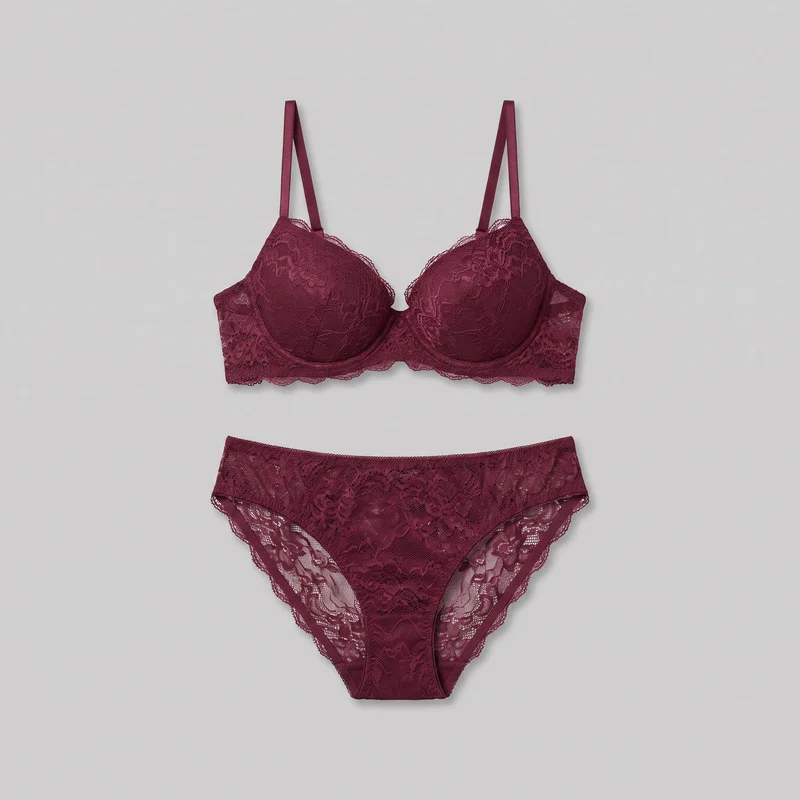
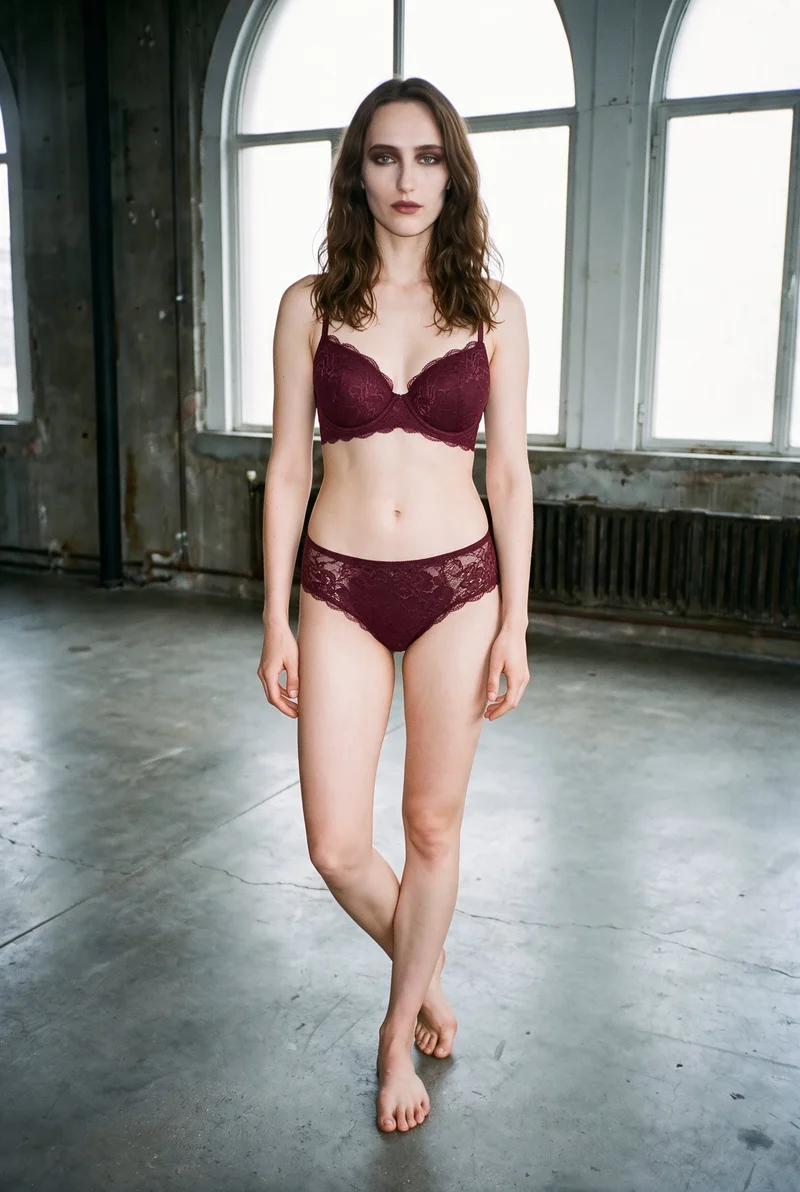
This ranking is for fashion e-commerce teams that need lingerie set images with garment fidelity, consistent synthetic models, and no-prompt workflows across catalog, campaign, and social production. The key tradeoff is control versus speed, so the list compares click-driven editing, SKU-scale output, commercial rights, API options, and audit-focused features such as C2PA and asset traceability.

Top 10 Best Lingerie Set AI On-model Photography Generator of 2026
Disclosure

Rawshot publishes this guide, and Rawshot AI is our own product — shown first. Every tool is scored on the same public criteria, and sponsored placements are labeled. Where Rawshot isn't the right call, we say so.

Features 40%·Ease 30%·Value 30%·10 sources verified

Jannik LindnerJannik LindnerCo-Founder, Rawshot.ai
Updated
Read
18 min
Tools
10 compared
Sources
10 verified

Start here

Three ways to choose

Not a podium — three common situations, and the tool that fits each one best.

Top Pick

Fashion ecommerce brands and apparel teams that want to generate realistic kurta on-model images from existing product photos at scale.

Rawshot
RawshotOur product

AI Fashion Model Photography Generator

Its standout capability is transforming flatlay and ghost mannequin clothing images into realistic on-model fashion photography tailored for ecommerce use.

9.1/10/10Read review

Runner Up

Fits when fashion teams need consistent on-model lingerie images across large catalogs.

Botika
Botika

fashion models

No-prompt on-model fashion generation with click-driven controls and C2PA provenance support.

8.8/10/10Read review

Editor's Pick: Also Great

Fits when fashion teams need consistent lingerie on-model images at SKU scale.

Lalaland.ai
Lalaland.ai

synthetic models

Click-driven synthetic model generation with C2PA provenance support

8.5/10/10Read review

Side by side

Comparison Table

This table compares AI on-model generators for lingerie sets on garment fidelity, catalog consistency, and click-driven controls instead of prompt-heavy workflows. It highlights differences in SKU-scale output reliability, synthetic model handling, REST API access, C2PA support, audit trail coverage, and commercial rights clarity.

1Rawshot
RawshotFashion ecommerce brands and apparel teams that want to generate realistic kurta on-model images from existing product photos at scale.
9.1/10
Feat
9.2/10
Ease
9.1/10
Value
9.1/10
Visit Rawshot
2Botika
BotikaFits when fashion teams need consistent on-model lingerie images across large catalogs.
8.8/10
Feat
8.6/10
Ease
8.9/10
Value
9.0/10
Visit Botika
3Lalaland.ai
Lalaland.aiFits when fashion teams need consistent lingerie on-model images at SKU scale.
8.5/10
Feat
8.3/10
Ease
8.7/10
Value
8.6/10
Visit Lalaland.ai
4Veesual
VeesualFits when fashion teams need consistent lingerie set imagery at SKU scale.
8.2/10
Feat
8.5/10
Ease
8.0/10
Value
8.0/10
Visit Veesual
5OnModel.ai
OnModel.aiFits when teams need quick lingerie set on-model images from existing flatlays.
7.9/10
Feat
7.8/10
Ease
7.9/10
Value
8.0/10
Visit OnModel.ai
6Resleeve
ResleeveFits when fashion teams need no-prompt model imagery for creative tests and secondary catalog assets.
7.6/10
Feat
7.5/10
Ease
7.7/10
Value
7.5/10
Visit Resleeve
7Caspa AI
Caspa AIFits when teams need quick no-prompt catalog edits from existing product photos.
7.3/10
Feat
7.2/10
Ease
7.2/10
Value
7.4/10
Visit Caspa AI
8Vue.ai
Vue.aiFits when retail teams need no-prompt catalog automation tied to existing commerce systems.
6.9/10
Feat
7.1/10
Ease
7.0/10
Value
6.7/10
Visit Vue.ai
9Fashn AI
Fashn AIFits when fashion teams need no-prompt model imagery for lingerie catalogs at moderate SKU scale.
6.6/10
Feat
6.6/10
Ease
6.5/10
Value
6.7/10
Visit Fashn AI
10Virtooal
VirtooalFits when retail teams need simple fashion try-on visuals more than strict catalog consistency.
6.3/10
Feat
6.1/10
Ease
6.5/10
Value
6.4/10
Visit Virtooal

Full reviews

Every tool in detail

We built Rawshot, so we'll be upfront: here's how we designed it and who it's for. If that's not you, the other tools may fit better — we mean that.
#1Rawshot

Rawshot

AI Fashion Model Photography GeneratorSponsored · our product
9.1/10Overall

Rawshot is designed specifically for fashion and apparel image generation rather than general-purpose AI art creation. For a kurta brand, that specialization matters because the platform is centered on turning existing product shots into believable on-model photos that can be used across ecommerce listings, ads, and brand content. The product is a strong fit for teams that already have garment photography but need to scale lifestyle-style outputs without coordinating repeated studio sessions.

A practical advantage is that it can help brands produce consistent model imagery across large product catalogs, which is especially useful for frequent collection drops or colorway variations. One tradeoff is that the workflow depends on the quality and completeness of source garment images, so weaker input photography may limit the realism or fit presentation of the generated output. It is particularly useful when a kurta seller wants to test multiple presentation styles quickly before investing in a full editorial shoot.

Our score · features 40% · ease 30% · value 30%

Features9.2/10
Ease9.1/10
Value9.1/10

Strengths

  • Purpose-built for apparel and fashion product imagery rather than generic image generation
  • Converts flatlay or ghost mannequin garment photos into realistic on-model visuals
  • Well suited for scaling ecommerce and marketing images across many clothing SKUs

Limitations

  • Results rely heavily on the quality of the original garment photography
  • Best fit is apparel, so it is less relevant for broader non-fashion creative workflows
  • Brands may still need human review to ensure styling accuracy and garment drape looks correct
Where teams use it
D2C kurta brands
Creating product detail page images for new kurta launches

A direct-to-consumer apparel brand can use existing garment shots to generate model-worn images for newly released kurtas without organizing a full model shoot for every style. This helps present fit and styling more clearly on ecommerce pages.

OutcomeFaster catalog publishing with more persuasive product imagery
Fashion marketplace sellers
Standardizing visuals across large ethnicwear inventories

Marketplace sellers managing many kurta SKUs can use Rawshot to create more consistent on-model images from varied product-photo inputs. This supports cleaner storefront presentation across seasonal or multi-vendor assortments.

OutcomeMore uniform listings and improved visual consistency across the catalog
In-house ecommerce creative teams
Producing campaign and social content from existing apparel assets

Creative teams can repurpose garment photography into model-style visuals for social posts, ads, and promotional banners when timelines are tight. This reduces dependency on repeated shoots for every campaign variation.

OutcomeQuicker content production for marketing channels
Boutique ethnicwear retailers
Testing merchandising presentation before investing in studio production

A boutique retailer can generate on-model kurta imagery to preview how products look in a more lifestyle-oriented format before committing budget to a full photoshoot. This is helpful when deciding which collections deserve heavier promotional investment.

OutcomeLower-risk merchandising decisions with faster visual testing
★ Right fit

Fashion ecommerce brands and apparel teams that want to generate realistic kurta on-model images from existing product photos at scale.

✦ Standout feature

Its standout capability is transforming flatlay and ghost mannequin clothing images into realistic on-model fashion photography tailored for ecommerce use.

Independently scored against published criteria.

Visit Rawshot
#2Botika

Botika

fashion models
8.8/10Overall

Catalog teams producing bras, panties, and coordinated sets need repeatable output more than open-ended image generation. Botika fits that requirement with a no-prompt workflow built for fashion imagery, synthetic models, and batch production. The interface focuses on click-driven controls, which helps teams maintain catalog consistency across angles, model variants, and seasonal refreshes. REST API access also supports SKU scale operations where images need to move through merchandising and publishing systems.

Garment fidelity is strongest when source packshots are clean, front-facing, and well lit. Botika is less suited to highly experimental art direction or unusual styling concepts that need freeform prompt control. A practical fit is a lingerie brand replacing mannequin or flat-lay assets with consistent on-model images for PDPs, category pages, and marketplace feeds. That usage benefits from predictable output, clearer rights handling, and provenance data that supports internal compliance review.

Our score · features 40% · ease 30% · value 30%

Features8.6/10
Ease8.9/10
Value9.0/10

Strengths

  • No-prompt workflow suits catalog teams without prompt engineering
  • Click-driven controls help maintain model and background consistency
  • Built for fashion on-model generation rather than generic image creation
  • C2PA support improves provenance and audit trail coverage
  • REST API supports batch production at SKU scale

Limitations

  • Creative range is narrower than prompt-heavy image generators
  • Output quality depends heavily on clean source garment images
  • Complex lingerie details can still require manual QA
Where teams use it
Lingerie ecommerce teams
Replacing flat-lay or ghost mannequin images with on-model PDP assets

Botika converts product images into synthetic model photography with consistent backgrounds and model presentation. The no-prompt workflow reduces operator variance across large assortments of bras, briefs, and matching sets.

OutcomeMore uniform PDP imagery with less studio reshoot work
Marketplace operations managers
Producing compliant, repeatable catalog images for multiple sales channels

Botika helps teams generate standardized on-model images that stay visually aligned across channel feeds. Provenance support and audit trail data also help document asset origin for internal review processes.

OutcomeCleaner channel submissions and easier compliance documentation
Fashion merchandising teams
Refreshing seasonal collections while keeping visual consistency across categories

Botika lets merchandisers apply consistent synthetic models, poses, and backgrounds across new launches and carryover items. That structure supports category pages where coordinated lingerie sets need a stable visual system.

OutcomeStronger catalog consistency across launches and collection updates
Retail tech and content operations teams
Automating image generation into existing catalog pipelines

REST API access supports batch workflows that connect image generation with DAM, PIM, and ecommerce publishing steps. That setup is useful when hundreds of SKUs need repeatable output without manual prompt tuning.

OutcomeHigher throughput for image production at SKU scale
★ Right fit

Fits when fashion teams need consistent on-model lingerie images across large catalogs.

✦ Standout feature

No-prompt on-model fashion generation with click-driven controls and C2PA provenance support.

Independently scored against published criteria.

Visit Botika
#3Lalaland.ai

Lalaland.ai

synthetic models
8.5/10Overall

Synthetic models are the core differentiator here. Lalaland.ai lets teams place garments on digital models with controlled body attributes, poses, and styling direction through a no-prompt workflow. That structure supports lingerie set photography use cases where bra and brief alignment, fabric appearance, and collection-wide consistency matter more than open-ended image creativity. REST API access and catalog-oriented workflows make it relevant for SKU scale operations.

The main tradeoff is creative flexibility outside fashion catalog use. Lalaland.ai is tuned for structured apparel imaging, so teams seeking broad editorial scene generation or heavy art direction may find the controls narrower than prompt-first image models. It fits best when an e-commerce team needs consistent on-model visuals for frequent assortment updates, regional model variation, or faster replacement of selected studio shoots.

Our score · features 40% · ease 30% · value 30%

Features8.3/10
Ease8.7/10
Value8.6/10

Strengths

  • Built specifically for fashion catalog imagery and synthetic models
  • No-prompt workflow supports repeatable click-driven production
  • Strong catalog consistency across model attributes and output sets
  • REST API supports SKU scale generation pipelines
  • C2PA support strengthens provenance and audit trail coverage
  • Commercial rights framing fits enterprise catalog deployment

Limitations

  • Less suited to editorial concept imagery outside catalog use
  • Creative scene control appears narrower than prompt-first generators
  • Garment fidelity still depends on source image quality
Where teams use it
Fashion e-commerce merchandising teams
Generating consistent on-model images for lingerie set launches across many SKUs

Lalaland.ai helps merchandising teams create aligned bra-and-brief visuals with repeatable model settings and catalog consistency. The no-prompt workflow reduces operator variance during large assortment updates.

OutcomeFaster catalog publication with more uniform product imagery across collections
Enterprise fashion operations teams
Automating high-volume image generation through connected catalog systems

REST API access supports batch generation workflows tied to product data and image pipelines. C2PA support and clearer provenance handling fit organizations that need audit trail coverage in production media.

OutcomeMore reliable SKU scale output with stronger governance controls
Brand compliance and legal stakeholders
Reviewing synthetic model imagery for provenance and commercial rights clarity

Lalaland.ai is relevant where synthetic imagery must be traceable and usage rights must be clearly framed for commerce assets. That focus reduces ambiguity compared with generic image generators.

OutcomeLower compliance friction for approved catalog image deployment
Retail photo production managers
Replacing selected reshoots for seasonal lingerie colorways and size ranges

Lalaland.ai can extend existing assortments into additional on-model variants without organizing a full new shoot. Controlled model presentation helps preserve visual continuity across refreshed product lines.

OutcomeReduced reshoot load while maintaining catalog consistency
★ Right fit

Fits when fashion teams need consistent lingerie on-model images at SKU scale.

✦ Standout feature

Click-driven synthetic model generation with C2PA provenance support

Independently scored against published criteria.

Visit Lalaland.ai
#4Veesual

Veesual

virtual try-on
8.2/10Overall

In lingerie set AI on-model photography, catalog teams need paired garments to stay aligned across poses, cuts, and fabric details. Veesual focuses on fashion-specific virtual try-on, with click-driven controls that place garments on synthetic models without a prompt-heavy workflow.

The strongest fit is garment fidelity and catalog consistency, especially when bras and bottoms must read as a coordinated set across many SKUs. Veesual also addresses enterprise requirements with API access, provenance support including C2PA, and clearer compliance and commercial rights handling than many image-only generators.

Our score · features 40% · ease 30% · value 30%

Features8.5/10
Ease8.0/10
Value8.0/10

Strengths

  • Fashion-specific virtual try-on supports stronger garment fidelity for coordinated lingerie sets
  • No-prompt workflow favors click-driven controls over text prompt trial and error
  • C2PA provenance support helps audit trail and synthetic media disclosure

Limitations

  • Less flexible for non-fashion creative concepts outside catalog production
  • Output quality depends heavily on clean garment inputs and source image preparation
  • Brand styling range is narrower than open-ended image generators
★ Right fit

Fits when fashion teams need consistent lingerie set imagery at SKU scale.

✦ Standout feature

Fashion-focused virtual try-on with click-driven controls and C2PA provenance support

Independently scored against published criteria.

Visit Veesual
#5OnModel.ai

OnModel.ai

on-model conversion
7.9/10Overall

Generate on-model fashion images from existing product photos with click-driven controls instead of prompt writing. OnModel.ai focuses on apparel catalog production, with model swapping, background replacement, and batch image generation that map well to lingerie set merchandising.

Garment fidelity is solid on straightforward two-piece sets, but consistency can drop on lace edges, sheer panels, and exact strap geometry across large SKU runs. The workflow is fast for marketplace refreshes, yet provenance, C2PA-style metadata, and explicit audit trail details are not central strengths for compliance-heavy teams.

Our score · features 40% · ease 30% · value 30%

Features7.8/10
Ease7.9/10
Value8.0/10

Strengths

  • Click-driven model swapping supports a no-prompt workflow
  • Built for apparel catalogs rather than broad image generation
  • Batch processing helps at moderate SKU scale

Limitations

  • Fine lingerie details can drift on lace, mesh, and straps
  • Catalog consistency weakens across large variant sets
  • Rights clarity and provenance controls are lightly surfaced
★ Right fit

Fits when teams need quick lingerie set on-model images from existing flatlays.

✦ Standout feature

No-prompt apparel model swapping from existing product images

Independently scored against published criteria.

Visit OnModel.ai
#6Resleeve

Resleeve

fashion generation
7.6/10Overall

Fashion teams that need fast on-model imagery for lingerie sets and editorial-style variations are the clearest match for Resleeve. Resleeve focuses on apparel image generation with synthetic models, pose changes, background swaps, and retouching controls that work through a click-driven workflow instead of prompt writing.

The product shows stronger direct relevance to fashion catalog creation than broad image generators, but lingerie set garment fidelity and exact set consistency still require careful review across cups, straps, lace edges, and coordinated bottoms. Resleeve is most useful for brands that want rapid concepting and scalable asset production, yet need to verify provenance, compliance handling, and commercial rights terms before using outputs as primary catalog photography.

Our score · features 40% · ease 30% · value 30%

Features7.5/10
Ease7.7/10
Value7.5/10

Strengths

  • Fashion-specific workflow for synthetic models, styling, and apparel image edits
  • Click-driven controls reduce prompt variance across repeated shoots
  • Useful for rapid creative testing of poses, scenes, and model variations

Limitations

  • Lingerie set fidelity can drift on lace details, strap geometry, and matching pieces
  • Catalog consistency needs manual QA for repeated SKU-scale output
  • Public provenance, C2PA support, and audit trail details are limited
★ Right fit

Fits when fashion teams need no-prompt model imagery for creative tests and secondary catalog assets.

✦ Standout feature

Click-driven fashion image generation with synthetic models and apparel-specific editing controls

Independently scored against published criteria.

Visit Resleeve
#7Caspa AI

Caspa AI

commerce imagery
7.3/10Overall

Direct ecommerce image editing sets Caspa AI apart from many model-generation products. Caspa AI focuses on apparel, footwear, jewelry, and bags with click-driven controls for backgrounds, shadows, mannequin cleanup, and on-model swaps that suit catalog production.

For lingerie set AI on-model photography, the value is fast iteration from existing product shots, but garment fidelity depends on the source image quality and the generated body fit can drift on delicate straps, lace edges, and matching set proportions. Caspa AI supports batch-style output and API-based workflows, yet the product information provided does not foreground C2PA provenance, audit trail depth, or detailed commercial rights language for compliance-heavy retail teams.

Our score · features 40% · ease 30% · value 30%

Features7.2/10
Ease7.2/10
Value7.4/10

Strengths

  • Click-driven editing reduces prompt writing for catalog teams
  • Built for ecommerce product imagery rather than broad creative generation
  • API support helps repeat output across larger SKU batches

Limitations

  • Lingerie fit consistency can drift on straps, cups, and lace trim
  • Provenance features like C2PA are not a core product focus
  • Rights and compliance details are less explicit than enterprise-first vendors
★ Right fit

Fits when teams need quick no-prompt catalog edits from existing product photos.

✦ Standout feature

Click-driven ecommerce image editor with on-model generation from product shots

Independently scored against published criteria.

Visit Caspa AI
#8Vue.ai

Vue.ai

retail platform
6.9/10Overall

For lingerie set AI on-model photography, category fit depends on garment fidelity and catalog consistency more than broad image generation range. Vue.ai is distinct for retail-focused visual automation, synthetic model workflows, and click-driven controls that map well to SKU-scale catalog operations.

Its strengths center on structured apparel pipelines, batch production support, and integration paths such as REST API connections for retail systems. The tradeoff is weaker transparency around C2PA provenance, audit trail detail, and explicit commercial rights language than more specialized fashion image vendors.

Our score · features 40% · ease 30% · value 30%

Features7.1/10
Ease7.0/10
Value6.7/10

Strengths

  • Retail-focused workflows align with catalog-scale apparel operations
  • Click-driven controls suit no-prompt merchandising teams
  • REST API support helps connect image output to commerce systems

Limitations

  • Less explicit C2PA provenance support than specialist image vendors
  • Rights and compliance language lacks strong production detail
  • Lingerie-specific garment fidelity evidence is limited
★ Right fit

Fits when retail teams need no-prompt catalog automation tied to existing commerce systems.

✦ Standout feature

Retail visual automation workflow with click-driven controls and REST API integration

Independently scored against published criteria.

Visit Vue.ai
#9Fashn AI

Fashn AI

API try-on
6.6/10Overall

Generate lingerie set on-model images from flat lays, packshots, or existing fashion photos with Fashn AI. Fashn AI focuses on apparel image generation for catalog production, with click-driven controls for model swaps, pose changes, background edits, and consistent multi-image outputs.

Garment fidelity is a clear priority, especially for preserving cut, color, and set coordination across bras and bottoms. REST API access supports SKU-scale workflows, but public detail on C2PA, audit trail depth, and explicit commercial rights handling is limited.

Our score · features 40% · ease 30% · value 30%

Features6.6/10
Ease6.5/10
Value6.7/10

Strengths

  • Built for fashion imagery rather than broad image generation tasks
  • Good garment fidelity on coordinated lingerie sets
  • Click-driven workflow reduces prompt tuning and operator variance

Limitations

  • Limited public detail on provenance controls and C2PA support
  • Rights and compliance documentation lacks clear depth
  • Less evidence of enterprise catalog reliability than higher-ranked specialists
★ Right fit

Fits when fashion teams need no-prompt model imagery for lingerie catalogs at moderate SKU scale.

✦ Standout feature

Click-driven fashion image generation with model, pose, and background controls

Independently scored against published criteria.

Visit Fashn AI
#10Virtooal

Virtooal

fitting tech
6.3/10Overall

Brands that need fast visual merchandising assets for lingerie sets with low production overhead will find Virtooal most relevant. Virtooal focuses on virtual try-on and AI-generated model imagery for fashion retail, with click-driven controls that suit merchandising teams more than prompt-heavy creative workflows.

Its fit for lingerie set on-model photography is narrower than fashion-specific catalog generators because public materials emphasize try-on presentation over strict garment fidelity, SKU-scale batch consistency, and lingerie-specific styling controls. Commercial use is supported for retail imagery, but public documentation provides limited detail on C2PA provenance, audit trail depth, and rights handling for synthetic model outputs.

Our score · features 40% · ease 30% · value 30%

Features6.1/10
Ease6.5/10
Value6.4/10

Strengths

  • Built around fashion virtual try-on rather than generic image generation
  • Click-driven workflow reduces prompt writing for merchandising teams
  • Useful for quick retail visuals across apparel categories

Limitations

  • Limited evidence of lingerie-specific garment fidelity controls
  • Catalog consistency details are sparse for large SKU batches
  • Public provenance and audit trail information lacks depth
★ Right fit

Fits when retail teams need simple fashion try-on visuals more than strict catalog consistency.

✦ Standout feature

Fashion-focused virtual try-on workflow with click-driven model image generation

Independently scored against published criteria.

Visit Virtooal

In short

Conclusion

Rawshot is the strongest fit when a lingerie catalog starts with flat lays or ghost mannequin photos and needs garment fidelity at SKU scale. Botika fits teams that want click-driven controls, a no-prompt workflow, and C2PA provenance for catalog consistency across large assortments. Lalaland.ai fits teams that need consistent synthetic models with controlled body and skin tone variation across repeated product lines. For regulated commerce workflows, the deciding factors are output consistency, audit trail support, and clear commercial rights.

Buyer's guide

How to Choose the Right Lingerie Set Ai On-Model Photography Generator

Lingerie set image generation fails fast when bras, bottoms, lace, and straps stop matching across a catalog. Rawshot, Botika, Lalaland.ai, Veesual, OnModel.ai, Resleeve, Caspa AI, Vue.ai, Fashn AI, and Virtooal solve that problem with very different strengths.

The strongest choices separate catalog production from creative experimentation. Botika, Lalaland.ai, and Veesual focus on no-prompt control, catalog consistency, provenance, and SKU-scale workflows, while Rawshot leads on converting existing apparel photography into realistic on-model images.

What lingerie set on-model generators actually do for catalog production

A lingerie set AI on-model photography generator turns flat lays, ghost mannequin shots, packshots, or other garment-first images into model-worn visuals. The category exists to replace repeated studio shoots for bras, panties, and coordinated sets that need consistent presentation across many SKUs.

Fashion ecommerce teams, merchandising groups, and retail media teams use these products to keep model choice, pose, and background aligned while preserving garment details. Botika shows this category in its clearest catalog form with click-driven model and background controls, and Rawshot shows the garment-first approach by converting flatlay and ghost mannequin apparel photos into realistic on-model images.

Production features that matter for lingerie catalogs

Lingerie imagery breaks down on small details before it breaks down on overall realism. Strap geometry, lace edges, sheer panels, and bra-to-bottom coordination decide whether an image is usable in a catalog.

The strongest products reduce prompt variance and keep outputs repeatable across batches. Botika, Lalaland.ai, Veesual, and Rawshot each address that production problem in different ways.

  • Garment fidelity for paired sets

    Veesual and Fashn AI give stronger support for coordinated set presentation, which matters when bras and bottoms must stay visually matched across cuts and fabric details. Rawshot also performs well when the source flatlay or ghost mannequin photography is clean and detailed.

  • No-prompt click-driven controls

    Botika and Lalaland.ai reduce operator variance with click-based model, pose, and output controls instead of text prompts. OnModel.ai also works well for teams that need fast model swapping from existing product images without prompt writing.

  • Catalog consistency across SKU batches

    Lalaland.ai is strong when the same body attributes, pose logic, and visual standards must carry across large variant ranges. Botika supports this with click-driven controls and a REST API that fits batch production at SKU scale.

  • Provenance and audit trail support

    Botika, Lalaland.ai, and Veesual surface C2PA support, which helps teams document synthetic media provenance and maintain an audit trail. That matters more for retailers with internal compliance review than for one-off campaign experiments.

  • Commercial rights clarity

    Lalaland.ai and Botika are stronger choices for enterprise catalog deployment because commercial use coverage and rights handling are part of the product framing. OnModel.ai, Caspa AI, Fashn AI, Vue.ai, and Virtooal expose less detail in this area.

  • API and batch workflow support

    Botika, Lalaland.ai, Vue.ai, Caspa AI, and Fashn AI support API-connected workflows that fit retail systems and repeat output at larger SKU volumes. Rawshot is also well aligned with scale because it is built around existing apparel photography workflows rather than isolated one-off generations.

How to pick a generator for catalog, campaign, or marketplace output

The first decision is not image quality alone. The real decision is whether the system must protect garment fidelity at catalog scale or just generate fast visual variations.

Teams that need repeatable production should start with Botika, Lalaland.ai, Veesual, and Rawshot. Teams that need quick merchandising refreshes can also consider OnModel.ai, Caspa AI, or Fashn AI.

  • Start with the source image workflow

    Rawshot is the clearest fit when the workflow starts from flatlays or ghost mannequin apparel photos. OnModel.ai and Caspa AI also rely on existing product shots, but Rawshot is more directly tuned for realistic on-model conversion from garment-first inputs.

  • Match the control model to the production team

    Botika, Lalaland.ai, and Veesual are better choices for merchandising and studio teams that need no-prompt operation and repeatable click-driven controls. Resleeve suits teams that still want click-driven control but need more editorial variation for poses and backgrounds.

  • Test the hardest garment details first

    Use SKUs with lace edges, mesh, sheer panels, narrow straps, and coordinated two-piece sets before approving any vendor. OnModel.ai, Resleeve, and Caspa AI can drift on straps, cups, lace trim, and matching proportions, while Veesual and Fashn AI put more emphasis on garment-faithful set presentation.

  • Check compliance and provenance before rollout

    Botika, Lalaland.ai, and Veesual are stronger options for teams that need C2PA support and clearer audit trail coverage. Vue.ai, Fashn AI, Caspa AI, and Virtooal fit less cleanly for compliance-heavy teams because provenance and rights handling are less explicit.

  • Choose for the real production scale

    Botika and Lalaland.ai fit large SKU catalogs because both combine click-driven workflows with API access and strong consistency goals. Fashn AI and OnModel.ai are more comfortable for moderate scale, while Virtooal is better suited to simple merchandising visuals than strict catalog output.

Teams that benefit most from lingerie set image generators

Not every fashion team needs the same kind of synthetic model workflow. The strongest match depends on whether the output is primary catalog imagery, marketplace refresh content, or secondary campaign assets.

The category is most useful for retailers and brands that already have garment photography and need faster on-model production. The best product changes with scale, compliance burden, and tolerance for manual QA.

  • Fashion ecommerce catalog teams with large lingerie assortments

    Botika and Lalaland.ai fit this group because both support no-prompt, click-driven workflows built for consistent output across many SKUs. Veesual also belongs here when set coordination and garment-faithful virtual try-on matter most.

  • Brands converting existing flatlays or ghost mannequin photos into model imagery

    Rawshot is the strongest match because converting flatlay and ghost mannequin apparel photography into realistic on-model visuals is its core workflow. OnModel.ai is also useful for fast model swapping from existing product shots when the catalog does not need the same compliance depth.

  • Retail teams tied to commerce systems and API-led production

    Botika, Lalaland.ai, Vue.ai, Caspa AI, and Fashn AI all support API-connected workflows for repeated output. Vue.ai fits especially well when image generation must connect to broader retail merchandising operations.

  • Creative teams producing secondary catalog assets and editorial variations

    Resleeve is the clearest choice for pose changes, background swaps, and rapid concept testing with synthetic models. It is less suited than Botika or Lalaland.ai for strict primary catalog consistency, but it works well for variation-heavy asset production.

Mistakes that cause lingerie outputs to fail in production

Most failures come from workflow assumptions, not from a missing feature list. Teams often choose a generator that looks fast in a demo but breaks on lace, straps, or repeated set coordination across batches.

The safest buying approach is to test for the exact production risk that matters most. Botika, Lalaland.ai, Veesual, and Rawshot avoid more of these failures than lower-ranked options.

  • Choosing speed over garment fidelity

    OnModel.ai, Resleeve, and Caspa AI can move quickly, but lingerie details such as lace edges, mesh, cups, and straps can drift. Veesual and Fashn AI are better starting points when coordinated set fidelity is the main requirement.

  • Ignoring source image quality

    Rawshot, Botika, Veesual, and Lalaland.ai all depend on clean source garment images for strong output. Poor flatlays or weak product shots create drape errors and detail loss that no click-driven workflow fully fixes.

  • Using prompt-heavy expectations on no-prompt systems

    Botika, Lalaland.ai, Veesual, and OnModel.ai are built around click-driven controls, not open-ended text generation. Teams that expect unlimited scene invention often get better results from using Resleeve for creative variation and keeping Botika or Lalaland.ai for catalog consistency.

  • Treating compliance as optional until launch

    Botika, Lalaland.ai, and Veesual surface C2PA and audit trail support early, which helps compliance review before deployment. Vue.ai, Fashn AI, Caspa AI, and Virtooal leave more provenance and rights questions for the buying team to resolve.

  • Assuming every fashion product handles SKU scale equally

    Botika and Lalaland.ai are stronger for large repeated batches because both pair no-prompt controls with API support and catalog consistency goals. Virtooal and moderate-scale options such as Fashn AI fit lighter merchandising programs better than strict enterprise catalog runs.

How We Selected and Ranked These Tools

We evaluated each product through editorial research and criteria-based scoring focused on real buying priorities for lingerie set on-model generation. We rated every tool on features, ease of use, and value, and the overall rating gives the most weight to features at 40% while ease of use and value each account for 30%.

We used those scores to compare catalog relevance, garment fidelity, click-driven control, workflow repeatability, and operational clarity across the ranked list. We did not treat broad creative range as the main advantage because lingerie catalog teams usually need consistency, provenance support, and repeatable output more than open-ended image invention.

Rawshot finished above lower-ranked products because it is built specifically to turn flatlay and ghost mannequin apparel photos into realistic on-model fashion imagery. That direct garment-first workflow lifted its features score and supported strong ease of use for ecommerce teams that already work from existing product photography.

Frequently Asked Questions About Lingerie Set Ai On-Model Photography Generator

Which lingerie set AI on-model generator keeps garment fidelity closest to the original product photos?
Veesual, Lalaland.ai, and Botika are the strongest fits when garment fidelity matters most for coordinated bras and bottoms. OnModel.ai and Caspa AI move faster from existing shots, but lace edges, thin straps, and exact set proportions can drift more across outputs.
Which products use a no-prompt workflow instead of text prompts?
Botika, Lalaland.ai, Veesual, OnModel.ai, Resleeve, Caspa AI, Vue.ai, Fashn AI, and Virtooal all center on click-driven controls instead of prompt writing. That workflow suits merchandising teams that need repeatable catalog images without prompt tuning.
Which generator is the strongest fit for catalog consistency at SKU scale?
Lalaland.ai, Botika, and Veesual are the clearest fits for SKU-scale catalog consistency because they focus on synthetic models, repeatable controls, and apparel-specific workflows. Vue.ai also fits large retail pipelines through structured visual automation and REST API connections.
Which tools handle provenance and compliance better for retail teams?
Botika, Lalaland.ai, and Veesual stand out because they foreground C2PA support, audit trail features, and clearer compliance handling. OnModel.ai, Caspa AI, Vue.ai, Fashn AI, and Virtooal provide less public detail on provenance depth and rights controls.
Which options give the clearest commercial rights for generated lingerie images?
Botika and Lalaland.ai are the safest short list when commercial rights clarity is a buying requirement. Veesual also presents stronger rights and compliance positioning than Resleeve, Fashn AI, or Caspa AI, where public detail is thinner.
Which tools work best from existing flat lays or ghost mannequin images?
Rawshot is built around converting existing garment photos such as flat lays and ghost mannequin shots into model-worn images. OnModel.ai, Caspa AI, and Fashn AI also work well from existing product photos, though exact fit preservation is less reliable on delicate lingerie details.
Which generator is best for quick marketplace refreshes rather than strict primary catalog photography?
OnModel.ai fits quick marketplace refreshes because it supports fast model swaps, background replacement, and batch image generation from current product shots. Resleeve also fits rapid secondary asset production, but both need closer review when exact strap geometry and lace placement must stay consistent.
Which products offer API access for integration into retail image pipelines?
Lalaland.ai, Veesual, Caspa AI, Vue.ai, and Fashn AI all support API-based workflows, with Vue.ai and Fashn AI explicitly positioned for REST API connections tied to catalog operations. Those products fit teams that need image generation linked to PIM, DAM, or merchandising systems.
Which tools are better for creative variation and editorial testing than for strict SKU accuracy?
Resleeve is stronger for editorial-style variation because it combines synthetic models, pose changes, background swaps, and retouching controls in a click-driven workflow. Virtooal also suits lighter merchandising visuals, but it is less focused on strict lingerie set fidelity and batch consistency.

Sources

Tools featured in this Lingerie Set Ai On-Model Photography Generator list

Direct links to every product reviewed in this Lingerie Set Ai On-Model Photography Generator comparison.