
Photio alternative
Photio and RAWSHOT take different routes to fashion imagery
See how Photio’s background tools compare with RAWSHOT’s configurable, on-model fashion compositions.
Published: Updated:
The short answer
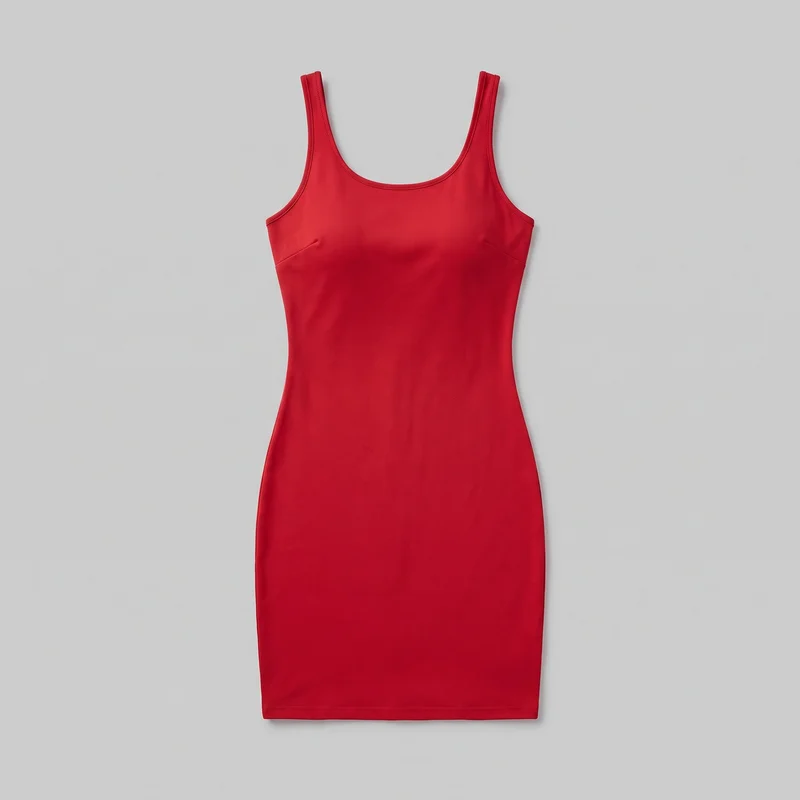
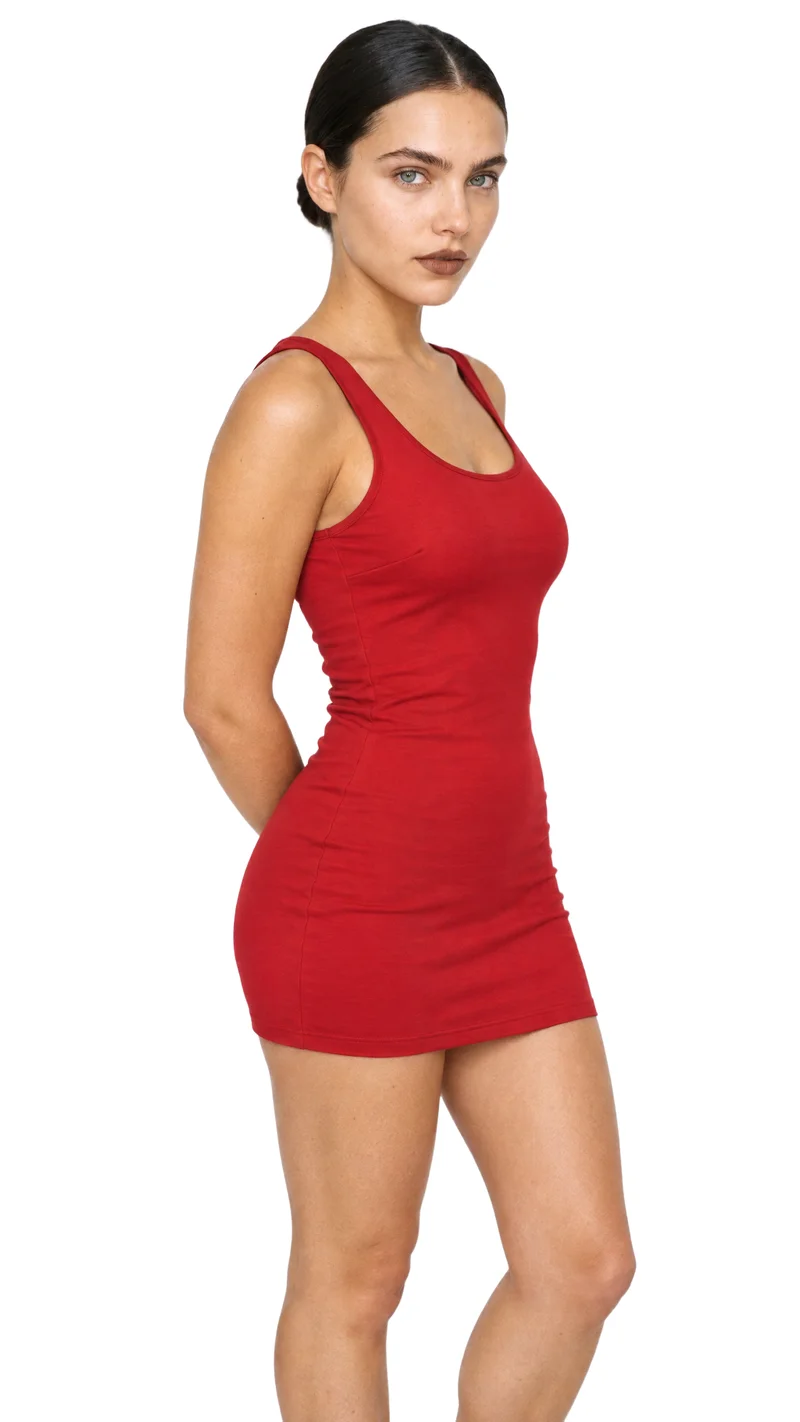
Photio and RAWSHOT both start from a clothing-item photo. Photio documents background generation and editing; reviewed pages do not establish a real-person workflow. RAWSHOT uses synthetic models, holds other composition choices when one changes, and adds C2PA credentials to every output.
- Photio is built for
- Product teams directing or editing product-photo backgrounds with keywords or references.
- RAWSHOT is built for
- Fashion teams directing on-model product compositions and keeping collection imagery consistent.
Photio facts checked on photio.io, 24 September 2026 · RAWSHOT facts from the app
Decide in three questions
Answer the three questions to see which workflow fits better.
Strengths
Photio’s documented product-photo tools
Keyword- or reference-directed backgrounds
Photio documents creating a product-photo background from keywords or a supplied reference image.
SourceBackground and element editing
Photio documents background removal with manual brush adjustments, plus tools to erase or replace elements.
SourceProduct-photo starting point
Photio documents uploading a product photo for background removal and background generation.
SourceDifferences
A fashion shoot with its decisions in view
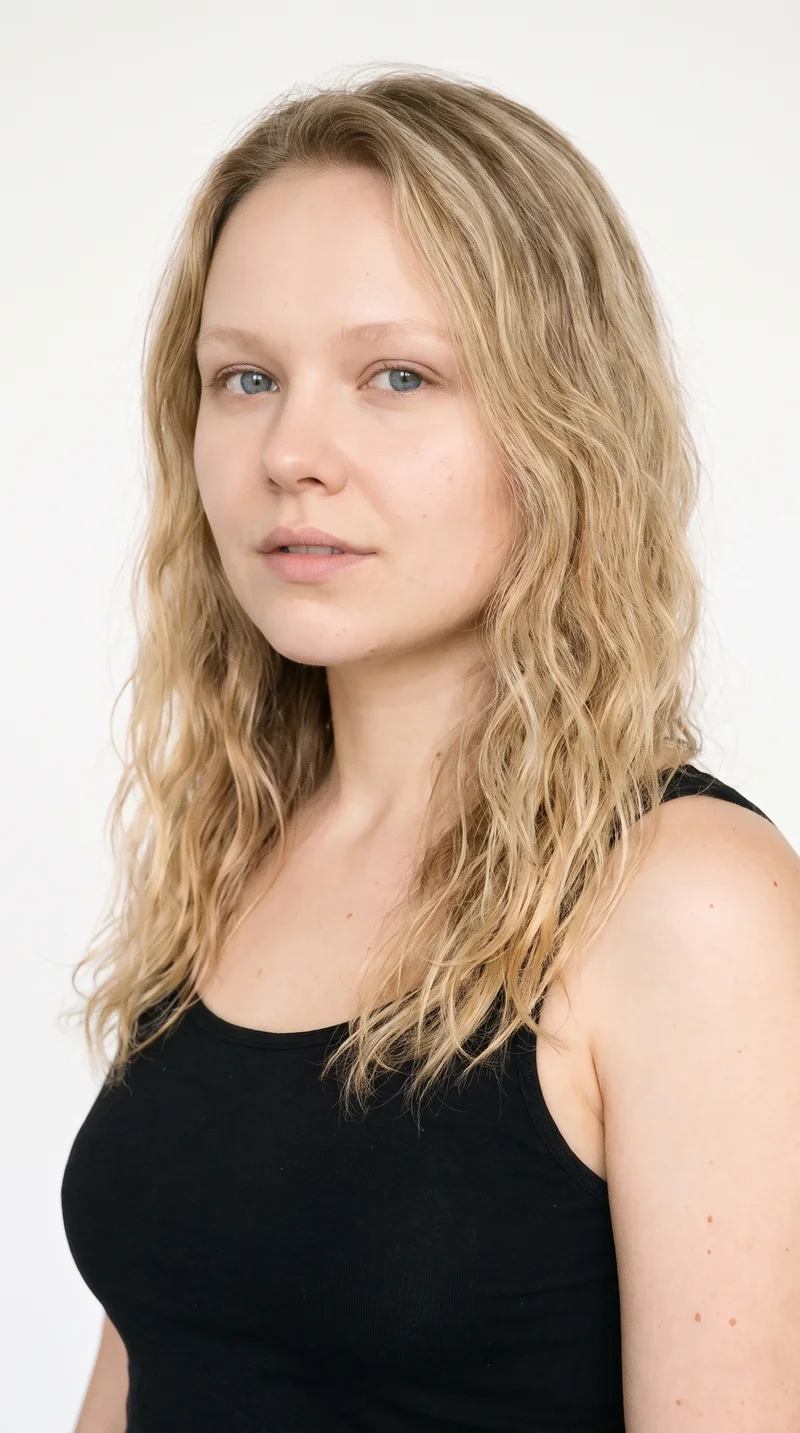
Choose the model for the composition
Select a model as part of the shoot, then set the outfit, frame, and pose.
See the feature
Keep the rest of the composition in place
Change one element and the rest of the composition holds, helping a collection keep a consistent direction.
See the feature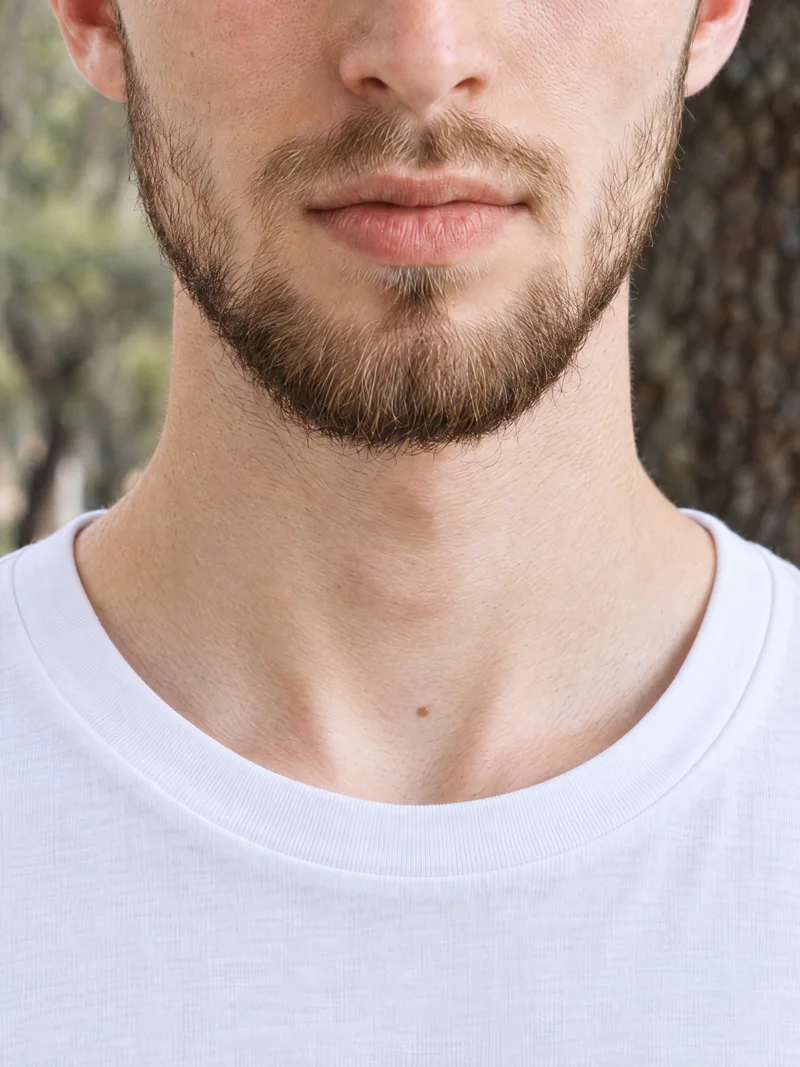
Start with your actual product
Build a shoot from a product photo, flat-lay, mockup, or technical sketch.
See the featureFrom the catalog
More finished shoots
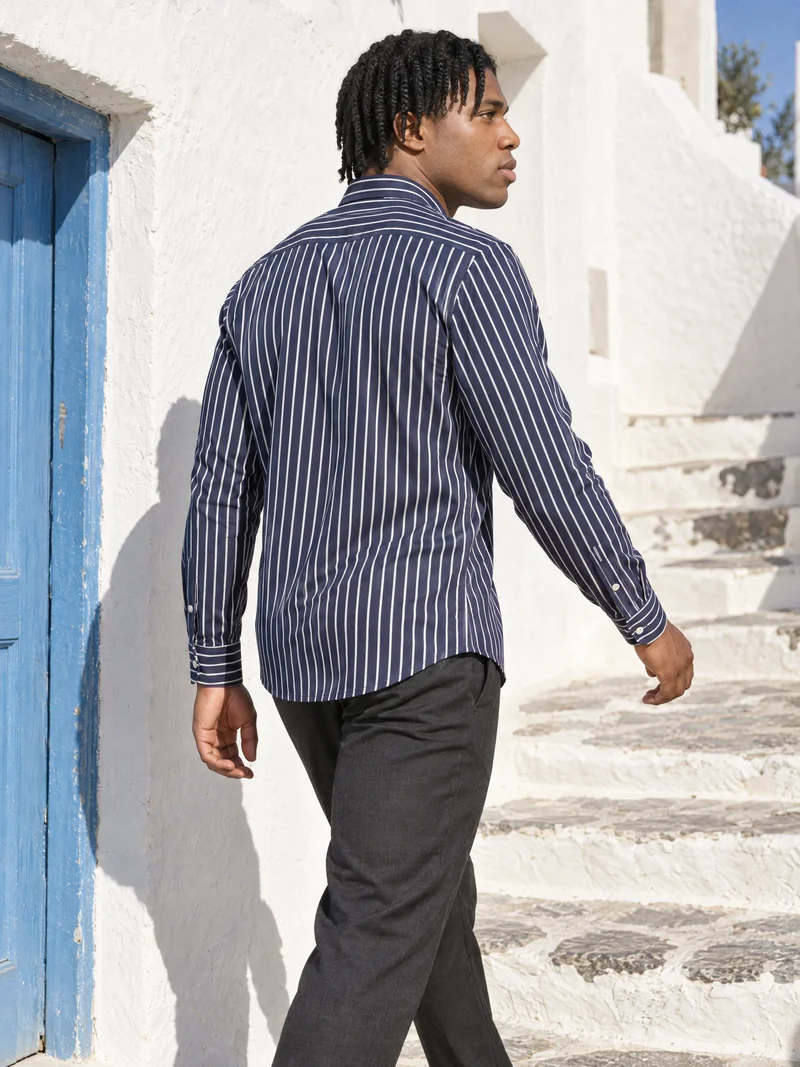
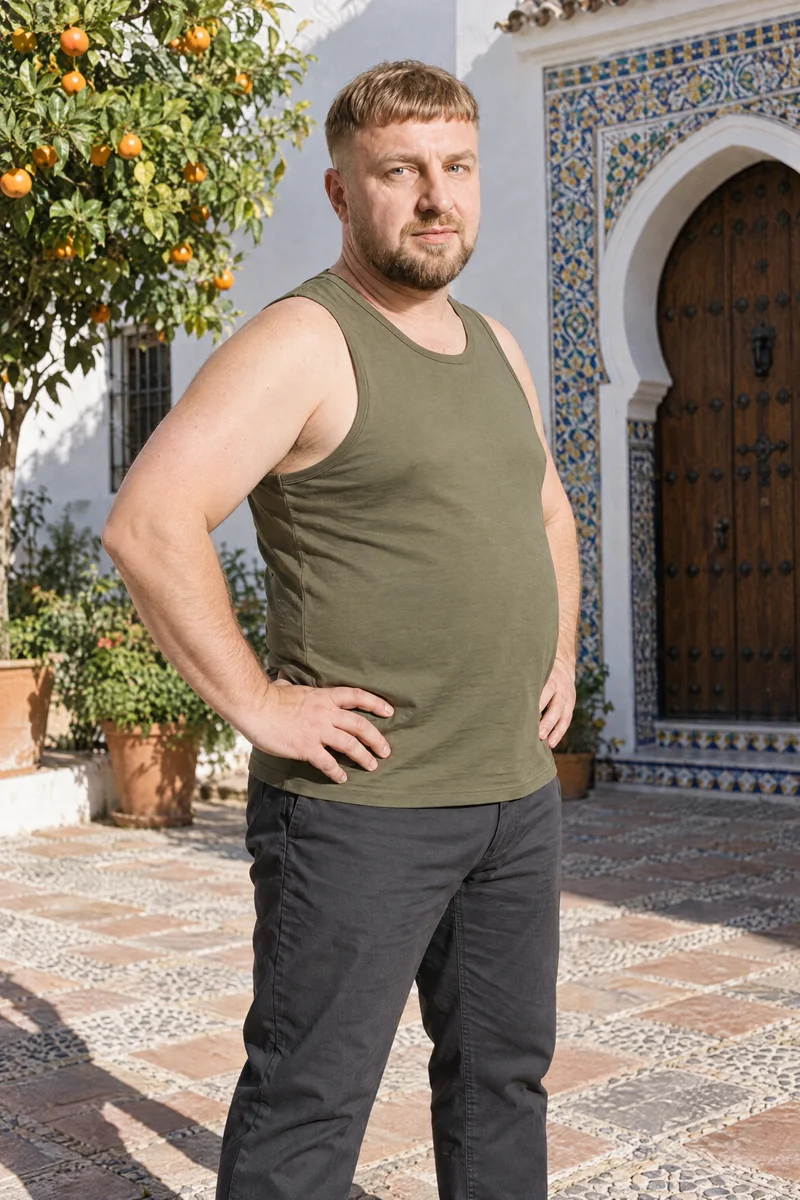
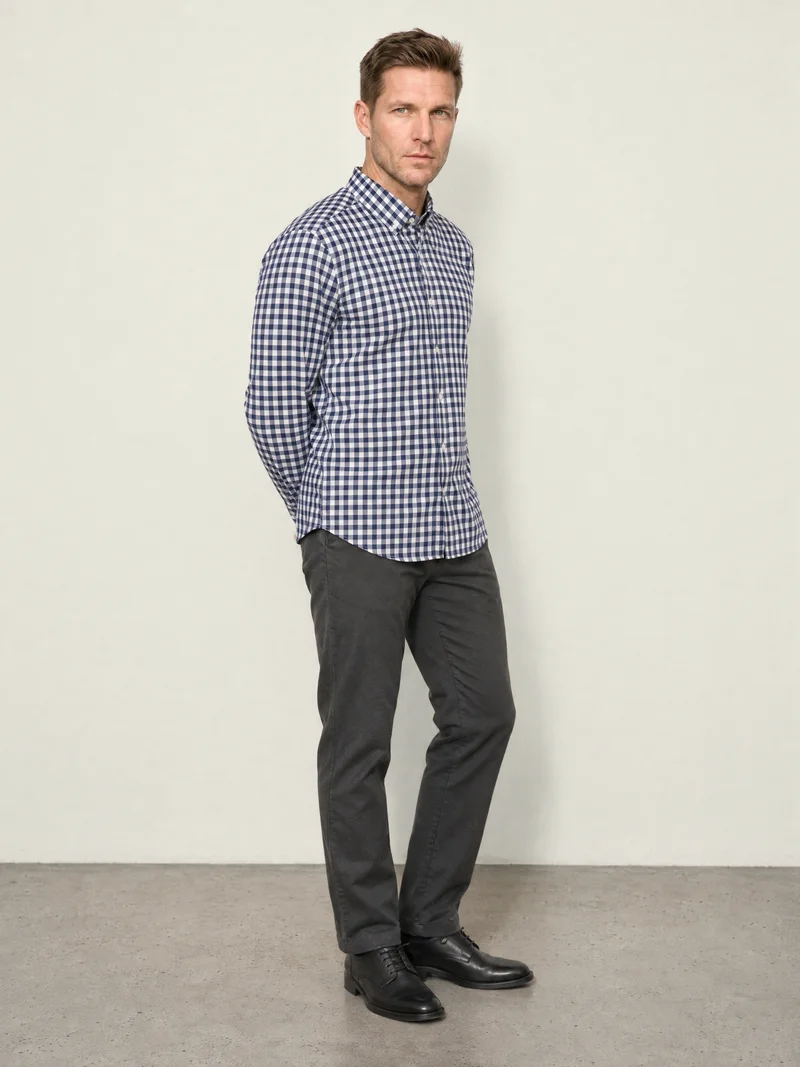
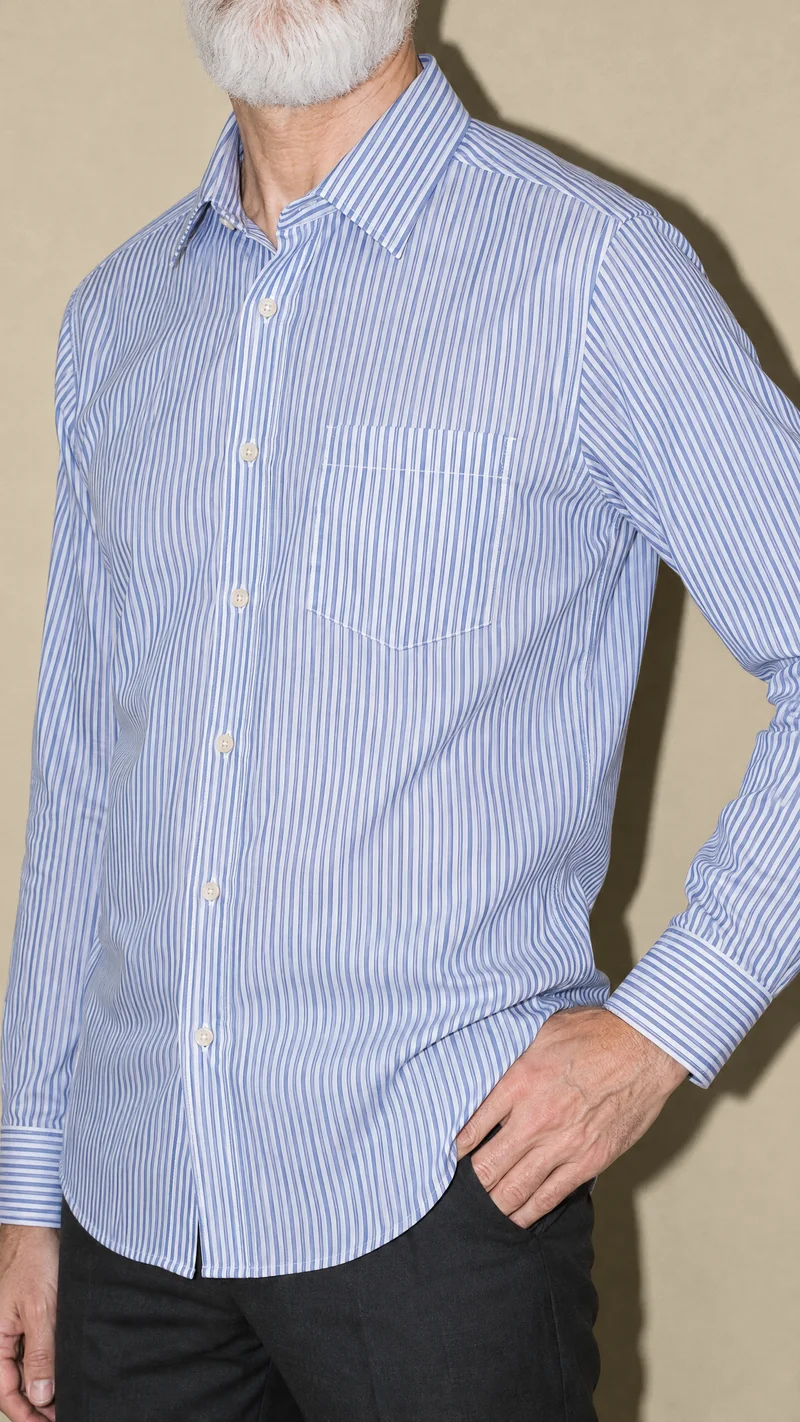
Side by side
Considering a Photio alternative for fashion imagery?
Photio’s cited tools focus on background creation and editing; RAWSHOT makes fashion-shoot decisions selectable before generation.
| Comparison | RAWSHOT | Photio |
|---|---|---|
| Starting point | Fashion products; inputs include product photos, flat-lays, mockups, or technical sketches. | Photio documents product-photo uploads. |
| Creative controls | Visible controls include model, framing, pose, light, and background. | Photio documents keyword- or reference-directed backgrounds and background editing. |
| Models | RAWSHOT uses synthetic models only. | Reviewed Photio pages do not document a real-person model workflow. |
| Products per image | RAWSHOT supports compositions with up to four products. | Photio’s reviewed pages do not specify a product count per image. |
| Video | RAWSHOT creates one silent clip of 10 seconds. | Video generation is not described on the reviewed Photio product pages. |
| Rights and provenance | RAWSHOT documents permanent commercial rights and C2PA credentials on every output. | Photio documents commercial use for watermark-free downloads and active-subscription downloads. |
Sources: official Photio product and license pages and the cited RAWSHOT product pages.
Use cases
Workflows for fashion and product teams
Performance marketers whose bottleneck is creative variants rather than budget or targeting
Photio
For product-image variants directed by keywords or a reference image.
Photio documents keyword- and reference-directed product-photo backgrounds.
E-commerce managers filling product pages before a drop goes live, and shooting every colourway the same way
RAWSHOT
For product imagery with a consistent direction across a collection.
Change one composition element while the rest holds.
See the solutionWholesale and sales teams building lookbooks and linesheets before samples land
RAWSHOT
For presenting products from sketches or other available inputs.
RAWSHOT accepts technical sketches as a shoot starting point.
See the solutionMarketing and brand managers who need campaign creative without a two-week production lead time
RAWSHOT
For campaign imagery directed as a fashion composition.
Set the model, framing, pose, light, and background.
See the solutionMore options
Other ways to make fashion product imagery

Generated Photos
Compare Generated Photos and RAWSHOT for apparel imagery, model choice, product control, collection consistency, video and provenance.
Compare with RAWSHOT

insMind
Compare insMind and RAWSHOT for fashion imagery: product-photo workflows, creative controls, collection consistency, video, and provenance.
Compare with RAWSHOT

Sprello
Compare Sprello’s documented fashion workflows with RAWSHOT’s configurable photoshoots, composition controls, and image provenance.
Compare with RAWSHOT

Pixelz
Compare documented Pixelz and RAWSHOT workflows for product imagery, model options, composition controls, video, and image provenance.
Compare with RAWSHOT
Rights
You own every image. Every image says what it is.
Yours
- Full commercial rights to every image, permanently.
- No recurring licence fees on any model in the library.
- Every model is a synthetic composite, so there is no real-person likeness.
Labelled
- C2PA content credentials on every image.
- AI-labelled output, aligned with EU AI Act Article 50.
Checked
- Every image is checked against your model, frame, view and pose before delivery; one that misses is made again.
- A safety filter screens every upload and blocks nude or explicit images.
EU-based hosting, GDPR-compliant handling.
- Aligned with EU AI Act Article 50
- C2PA
- Full commercial rights
- Quality-checked images
- Safety-filtered uploads
- GDPR-compliant handling
- EU-based hosting
Questions
Questions about Photio and RAWSHOT
What is the difference between Photio and RAWSHOT for apparel photos?
Photio and RAWSHOT both start from clothing-item photos, but document different workflows. Photio describes generating or editing a product-photo background; the reviewed pages do not establish fashion-specific model casting. RAWSHOT builds an on-model composition from product photos, flat-lays, mockups, or technical sketches, with visible controls for the shoot. A composition can include up to four products. For apparel imagery that needs a directed on-model composition, RAWSHOT documents that workflow.
When is Photio a better choice than RAWSHOT?
Photio may suit a task focused on directing or editing a product-photo background. Its product pages document background creation from keywords or a reference image, plus background removal and element editing. RAWSHOT instead exposes controls for a fashion composition, including model, framing, pose, light, and background. Choose Photio for its documented background tools; choose RAWSHOT when you need to direct a fashion shoot.
Which models can I use in Photio and RAWSHOT?
Photio describes product-photo inputs, but the reviewed pages do not establish a real-person model input or model-casting workflow. RAWSHOT uses synthetic models only, with no real-person likeness referenced. The reviewed information does not establish whether Photio offers a model workflow beyond those pages. If a documented synthetic-model workflow is important, RAWSHOT provides one.
Can I use Photio and RAWSHOT images commercially?
Photio’s license page covers watermark-free downloads and images downloaded during an active subscription. RAWSHOT documents full and permanent commercial rights to every generation, with no ongoing licensing fees on library models. RAWSHOT also puts C2PA content credentials on every output. Check the applicable license terms for the tool and downloads you use.
How do I switch from Photio to RAWSHOT?
Plan to create new compositions in RAWSHOT rather than assume a project transfer. Bring the product photos or other product inputs you want to use, then configure a shoot by choosing the product, model, outfit, styling, background, light, and composition. Upload quality checks explain what could improve an input before generation. Start with one product image, review the result, and adjust the composition for the next image.
Get started
Direct a fashion composition from your product
Set the model, styling, background, light, and framing in RAWSHOT, then review the finished image.